Sustainable Baby Products: A New Parent’s Guide

Every parent wants what’s best for their baby. But when you start researching sustainable baby products for new parents, it gets overwhelming fast. You’re bombarded with bamboo this, organic that, and “eco-friendly” labels slapped on everything from diapers to diaper cream.
Here’s the honest truth: not all “green” products are created equal. Some are genuinely better for your baby and the planet. Others are just clever marketing.
As of 2026, the global baby care market is projected to hit $100 billion, and a huge chunk of that growth is driven by sustainability claims. The good news? You don’t need to spend a fortune or become a zero-waste perfectionist to make smart choices.
You just need to know what actually matters.
Quick Answer
The best sustainable baby products focus on reusables, certified materials, and longevity. Cloth diapers save $1,000+ per child. Organic cotton and hemp clothing avoid harmful pesticides.
Glass and silicone bottles eliminate plastic concerns. Greenguard Gold certified furniture limits indoor air pollution. Buy secondhand where possible.
Look for GOTS, OEKO-TEX, and Greenguard Gold certifications. Skip anything labeled “biodegradable” without third-party verification. Start small.
Swap one category at a time.
Why This Comparison Matters for New Parents
Let’s be real. You’re sleep-deprived, you’re on a budget, and you have approximately zero time for deep research. That’s exactly why this comparison matters.
Because the choices you make in the first few months set the pattern for years to come.
Here’s what most guides won’t tell you. The word “sustainable” has no legal definition in the baby product industry. Anyone can slap it on a label.
The real question isn’t whether a product claims to be eco-friendly. It’s whether that claim holds up under scrutiny.
Take the classic example. A “biodegradable” disposable diaper sounds great. But most of them take 250 to 500 years to break down in a landfill, where they’re starved of oxygen and light.
On the flip side, cloth diapers use water and energy to wash. Which is actually better? The answer depends on your washing habits, your local water supply, and how many kids will use them.
That’s why a side-by-side comparison beats a simple “this is good, that is bad” list. You need context. You need trade-offs.
You need to know what fits your specific life.
The real cost of “eco-friendly” labels (and how to spot greenwashing)
Greenwashing is everywhere in the baby aisle. It’s not always intentional deception, but it’s often misleading. Here’s how to spot it.
Look for third-party certifications. These are your best defense. GOTS (Global Organic Textile Standard) means at least 95% organic fibers. OEKO-TEX Standard 100 means no harmful substances were detected.
Greenguard Gold means the product passed rigorous VOC emission tests. As of 2026, these are the gold standards for baby products.
Beware of vague terms. “Natural,” “plant-based,” and “eco-conscious” mean nothing without certification. Even “biodegradable” needs context. A plastic bottle labeled biodegradable might only break down under specific industrial conditions.
If a brand doesn’t name their certification, ask yourself why.
Check the material origins. Bamboo is a classic example. The plant itself is sustainable. But turning bamboo into viscose fabric requires heavy chemical processing.
That process uses carbon disulfide, which is toxic to workers and the environment. So “bamboo” on a label doesn’t automatically mean green.
Question the packaging. A product can be made sustainably but shipped in plastic. Look for brands that minimize packaging. Or better yet, buy secondhand.
Sustainable alternatives exist at every price point. The key is knowing which trade-offs matter to you and which you can live without.
The 6 Big Categories: What to Know Before You Buy
Sustainable baby products span six major categories. Each has its own considerations, costs, and learning curves. Let’s break them down one by one.
Diapers: Cloth, Biodegradable Disposables, and Hybrids
Diapers are the biggest recurring expense and the biggest source of waste. The average baby goes through 6 to 10 diapers a day in the first year. That’s roughly 3,000 diapers per child if you use disposables.
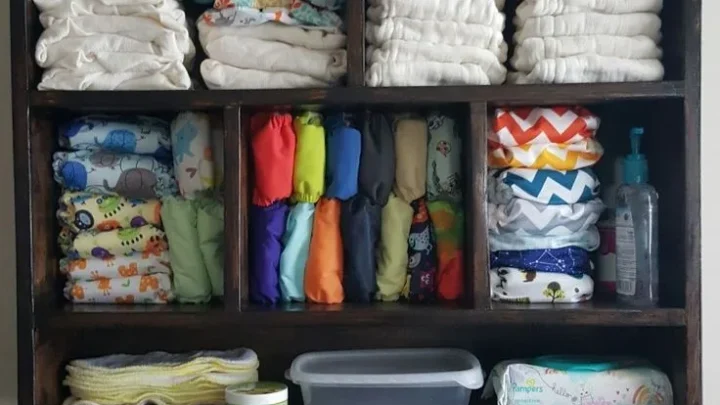
Cloth diapering cuts that number to about 20 to 30 diapers total, since you wash and reuse them.
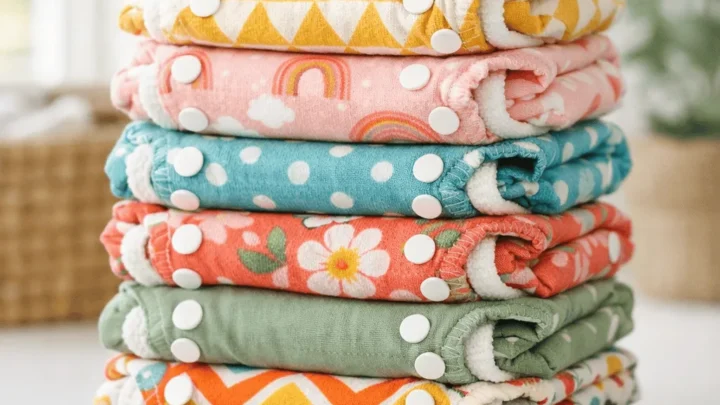
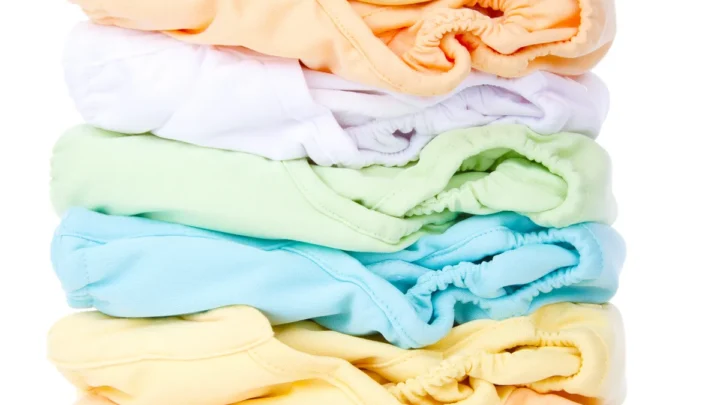
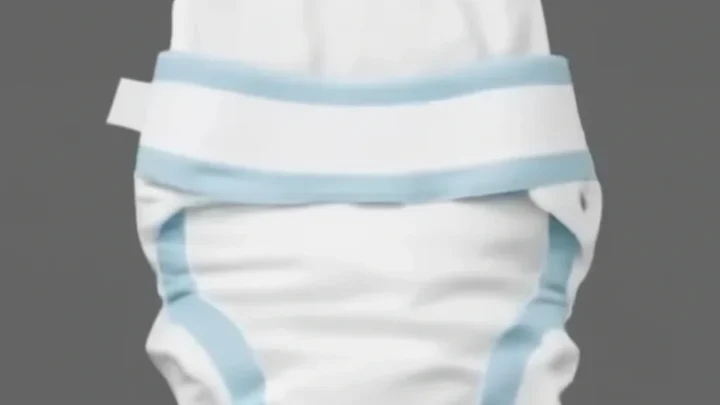
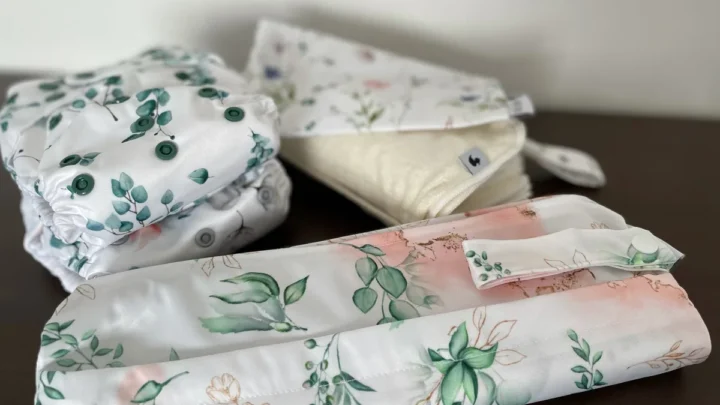
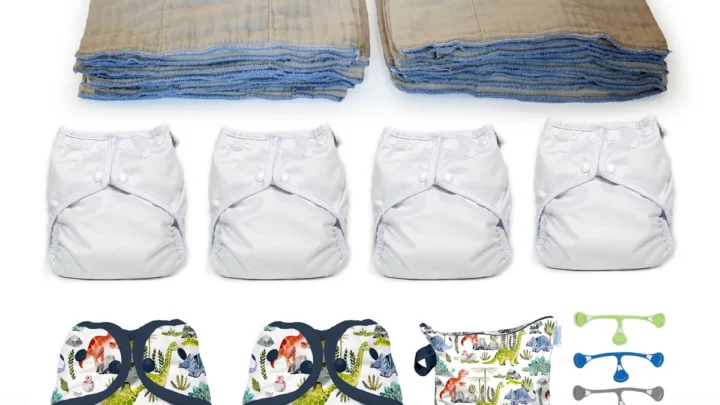
Cloth diapers come in several styles. All-in-ones are the easiest. They work like disposables, just with snaps or velcro.
Pockets require stuffing an insert into a shell. Prefolds and flats are the most traditional, requiring folding and a separate waterproof cover. Each has pros and cons.
Cloth costs $200 to $600 upfront for a full stash. That sounds like a lot. But compare it to $1,200 to $2,000 for disposables over 2.5 years.
You also get resale value. Well-cared-for cloth diapers sell for 50 to 70% of retail.
Biodegradable disposables are the middle ground. They’re more eco-friendly than regular disposables but still create waste. Brands like Bambo Nature and Eco by Naty use plant-based materials.
The catch? They cost about 50% more than standard diapers, and “biodegradable” doesn’t mean they vanish quickly. Most end up in landfills.
Hybrids combine cloth shells with disposable inserts. You get the convenience of disposables for travel or daycare, with the cost savings of cloth at home. It’s a practical compromise.
Many parents start with hybrids before committing to full-time cloth.
Wipes: Compostable vs. Cloth vs. “Flushable” (Spoiler: They’re Not)
Wipes are sneaky. They seem minor, but they add up. If you use disposables at 10 changes a day, that’s 3,650 wipes a year.
Most brands advertise “flushable” wipes. The plumbing industry wants you to know something different.
Flushable wipes don’t break down in sewer systems. They cause massive clogs in municipal pipes. Even “compostable” wipes rarely break down in home compost bins.
They need industrial facilities that most municipalities don’t have.
Cloth wipes are the sustainable choice. You can cut up old cotton t-shirts, or buy purpose-made ones. Use a spray bottle with water and a drop of organic castile soap.
Wash them with your cloth diapers. Cost? About $10 to $20 for a dozen, one-time.
Compare that to $240 to $480 per year for disposables.
If you prefer disposable wipes for convenience, look for ones certified by BPI or TUV Austria. These third parties verify compostability. But know that you’ll likely need to dispose of them in your regular trash, since industrial composting isn’t available to most households.
Feeding: Bottles, Teethers, and Silicone vs. Glass vs. Stainless
Bottles are another category where “sustainable” means different things to different people. Plastic bottles are lightweight and unbreakable, but they can contain BPA, BPS, or phthalates. The FDA banned BPA in baby bottles in 2012, but many parents still avoid plastic entirely.
Glass bottles are the classic choice. They’re inert, so no chemicals leach into milk. They’re heavy and breakable, though.
If you’re looking to reduce your eco footprint, glass is a solid ongoing choice for home use.
Silicone bottles emerged as a middle ground. Food-grade silicone is non-toxic, heat-resistant, and shatterproof. It’s pricier, but it lasts through multiple kids.
Look for LFGB certification, which is stricter than FDA standards.
Stainless steel bottles are the most durable. They’re virtually indestructible and double as insulation for cold milk. They’re also the most expensive.
For most families, glass for home and silicone for travel is a practical combo.
Teethers follow similar logic. Natural rubber and food-grade silicone are both safe. Avoid PVC and plastic teethers with unknown chemical compositions.
Clothing: Organic Cotton, Bamboo, and Hemp Face-Off
Baby clothing is a minefield of confusing claims. Organic cotton, bamboo viscose, hemp, Tencel. Which one is actually best?
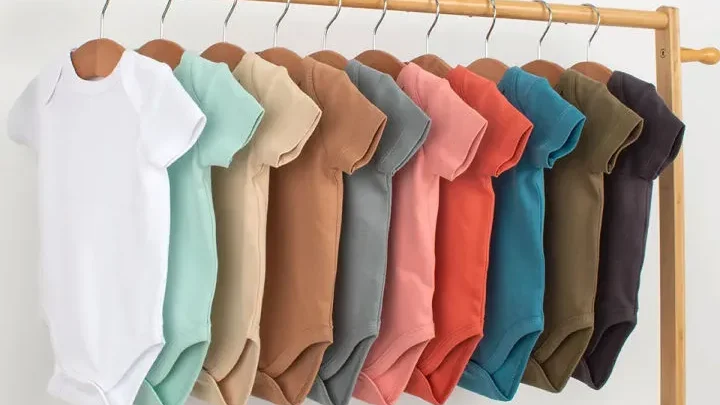
Organic cotton is certified by GOTS. That means no synthetic pesticides, no GMO seeds, and strict water standards during production. It’s soft, breathable, and widely available.
The downside? It’s more expensive than conventional cotton, and it still uses significant water.
Bamboo viscose is the marketing darling. The plant grows quickly with minimal water. But turning it into fabric is a chemical process.
The viscose production uses sodium hydroxide and carbon disulfide, both of which are toxic to workers if not managed properly. A better option is bamboo lyocell, which uses a closed-loop process that recovers the chemicals.
Hemp is the quiet winner. It’s three times stronger than cotton. It requires no pesticides and little water.
It’s naturally antimicrobial and UV-resistant. The downsides? It’s less soft than cotton initially, and it’s harder to find.
But it softens with washing and lasts for years.
Tencel (also known as lyocell) is made from wood pulp, usually eucalyptus. The closed-loop production process recovers 99% of solvents. It’s very soft and silky.
Good middle ground if you want eco-friendly without the hemp texture.
Nursery Furniture & Bedding: Greenguard Gold and What It Actually Means
Your baby will sleep 14 to 17 hours a day. The air quality in their nursery matters. That’s where Greenguard Gold comes in.
Greenguard Gold is a certification from UL, a safety science company. It tests products for over 10,000 chemical emissions, including VOCs, formaldehyde, and phthalates. To earn the certification, a product must pass rigorous chamber testing.
It’s not a marketing gimmick. It’s a legitimate third-party standard.
For furniture, look for Greenguard Gold certified cribs, dressers, and changing tables. These pieces have low chemical emissions, which matters because new furniture off-gases. The certification ensures your baby isn’t breathing in harmful compounds.
For mattresses, look for organic cotton or wool covers with a Greenguard Gold certification. Wool is naturally fire-resistant, so manufacturers don’t need to add chemical flame retardants. That’s a huge win for your baby’s breathing.
The crib sheets follow the same logic. GOTS-certified organic cotton is your baseline. Wool mattress pads add breathability and moisture-wicking.
Secondhand furniture is also a sustainable choice. The off-gassing has already happened. Just make sure any used crib meets current CPSC safety standards.
Cribs have changed a lot in recent years.
Toys and Gear: Wood, Recycled Plastic, and Secondhand
Toys are where sustainability gets fun. You don’t need to buy everything new. Babies don’t care if a toy is pristine.
They care if it’s interesting.
Wooden toys from sustainable forests are a classic choice. They last for decades and can be passed down to siblings or friends. Avoid cheap plywood toys with unknown adhesives.
Look for FSC-certified wood. That’s the gold standard for forest stewardship.
Recycled plastic toys are better than virgin plastic, but most aren’t curbside recyclable. Check the recycling symbol on the bottom. If it’s a #4 or #7 plastic, it likely won’t be recycled by your local facility.
Secondhand toys are the ultimate sustainable choice. Your local Buy Nothing group, thrift stores, or Facebook Marketplace have loads of quality toys. Just wipe them down and they’re good as new.
It’s free, it’s easy, and it’s better for the planet.
Diaper bags and gear follow the same logic. You don’t need the newest stroller or carrier. You need one that works safely.
Used gear is often a fraction of the price.
Side-by-Side Comparison: Cost, Convenience, and Environmental Impact
Time to get real about the numbers. Here’s a comparison table that breaks down the major categories.
A Quick Reference Table for the Busy Parent
| Category | Sustainable Option | Average Cost | Convenience Factor | Environmental Impact |
|---|---|---|---|---|
| Diapers | Cloth | $200–$600 upfront | Low (setup, laundering) | Low waste, high water use |
| Diapers | Biodegradable disposables | $80–$120/month | High | Reduced, but still landfill |
| Diapers | Hybrid system | $300–$700 upfront | Medium-High | Moderate |
| Wipes | Cloth | $10–$20 one-time | Medium | Near zero |
| Wipes | Certified compostable | $30–$40/month | High | Needs industrial facility |
| Bottles | Glass | $10–$15 each | Medium (heavy) | Long-lasting, recyclable |
| Bottles | Silicone | $15–$25 each | High | Durable, no chemicals |
| Clothing | Organic cotton | $20–$40 per onesie set | High | Moderate water use |
| Clothing | Hemp | $25–$45 per set | Medium (less soft) | Very low impact |
| Mattress | Organic cotton + wool | $200–$400 | High | Low |
| Furniture | Secondhand or Greenguard Gold | Free–$400 | High | Near zero |
| Toys | Wooden (FSC) | $10–$30 each | High | Low |
| Toys | Secondhand | $0–$10 | High | Zero |
Best Choices for Real-Life Scenarios
Not every sustainable option works for every family. Here’s how to choose based on your actual situation.
Daycare Parents
Many daycares won’t handle cloth diapers. That’s a harsh reality. If that’s your situation, consider hybrid diapers.
Use cloth at home and biodegradable disposables at daycare. It’s a compromise, but it’s practical.
Apartment Dwellers Without In-Unit Laundry
Laundering cloth diapers without an in-unit washer is a pain. But it’s not impossible. You can use a diaper service.
Many urban areas have subscription services that deliver clean diapers and pick up dirty ones. It costs more than DIY cloth diapering, but it’s still less than disposables.
Budget-Conscious Families
The upfront cost of sustainable products is the biggest barrier. But you don’t have to buy everything new. Start with cloth diapers, which pay for themselves within the first 3 months.
Buy everything else secondhand. Your wallet and the planet will thank you.
Sensitive Skin and Allergy-Prone Babies
Sustainable products shine here. Organic cotton and wool are naturally hypoallergenic. They don’t contain synthetic dyes, fragrances, or flame retardants.
For babies with eczema, this matters. Sensitive-skin diaper comparisons consistently show cloth and certified organic disposables cause fewer reactions.
Biggest Mistakes New Parents Make (and How to Avoid Them)
Even the best intentions can lead to bad choices. Here are the most common mistakes, based on our research and aggregate reviews from thousands of parents.
The Bamboo Viscose Trap
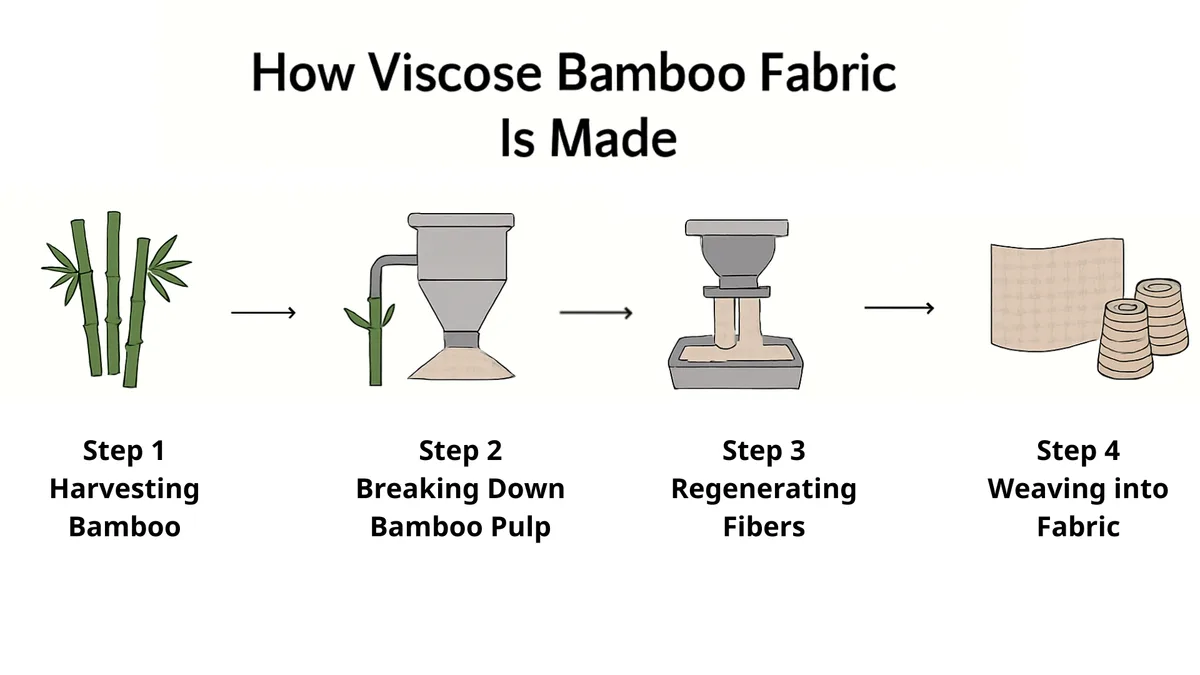
Bamboo sounds like a miracle plant. It grows fast, needs no pesticides, and regenerates quickly. But the fabric you buy isn’t simply bamboo.
It’s bamboo viscose, which requires heavy chemical processing.
The manufacturing process uses sodium hydroxide and carbon disulfide. These are dangerous chemicals. Carbon disulfide has been linked to serious health problems in workers.
The “sustainable” label hides this reality.
A better choice? Organic cotton or hemp. Or look for bamboo lyocell, which uses a closed-loop process that recovers 99% of solvents.
It’s genuinely more sustainable, though it costs more.
Washing Cloth Diapers Wrong
Cloth diapering has a learning curve. The most common mistake is using regular detergent. Most detergents contain fabric softeners, dyes, and fragrances that coat the fibers.
This creates repelling. Pee rolls right off instead of soaking in.

The solution? Use a dedicated cloth diaper detergent. Or use a free-and-clear detergent without additives.
Also, avoid fabric softeners entirely. They interfere with absorbency.
Another mistake is over-stripping. Stripping involves using hot water and a stripping agent to remove buildup. But doing it too often damages the diapers.
Once a month is plenty.
Falling for “Compostable” Without the Certification
“Compostable” is one of the most abused words in the baby aisle. Without certification, it’s meaningless. Even with certification, you need to read the fine print.
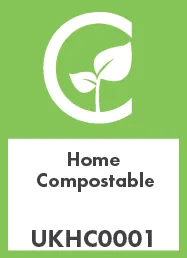
For wipes and diaper liners, look for TUV Austria’s “OK Compost” certification or BPI certification. These guarantee the product breaks down within a specific timeframe under specific conditions. Without these, the claims are marketing.
Here’s the bigger issue. Most compostable products need industrial composting facilities. The average household doesn’t have access to one.
So even certified compostable products often end up in landfills, where they break down more slowly. It’s still better than plastic, but not the same as home compostable.
A simpler test? If you’re not sure a product will break down in your backyard compost, treat it as landfill waste. And prioritize their use only when you have a real compost solution.
Smart Money Moves and Long-Term Maintenance
Sustainable parenting isn’t just about the initial purchase. It’s about making those purchases last. Here’s how to stretch your budget and keep everything working.
Start with a two-week trial before committing. Borrow a cloth diaper stash from a friend or buy a few secondhand. You’ll quickly learn if cloth diapering fits your lifestyle. Most parents who quit do so in the first month.
Don’t invest $500 before you know the system works for you.
Buy neutral colors and gender-neutral designs. They work for future siblings and resell better. Bright whites and natural fibers also show stains more easily. Darker colors and patterns hide wear and tear.
Learn basic repairs. A snapped snap is fixable with a snap pliers kit. Small holes in wool covers can be felted closed. Extending the life of one diaper by six months saves you $30 to $50.
Building a Sustainable Stash on a Budget
You don’t need everything at once. Build your stash gradually.
Start with what you’ll use daily: diapers, wipes, bottles. Add clothing and bedding as needed. Buy toys and gear secondhand.
Register for the big-ticket items as gifts.
Bulk buying only helps if you’re sure about the product. Essential eco-gear for babies often goes on sale during Earth Month and Black Friday. Plan your purchases around those windows.
Caring for Cloth Diapers and Wool Covers
Cloth diapers last longer with proper care. Wash every 2 to 3 days to prevent stains and smells. Use a cold pre-wash and a hot main wash.
Skip fabric softeners completely.
Wool covers need different care. Lanolin in the wool repels moisture naturally. You’ll need to re-lanolize every few months.
Air-dry wool covers only. Tumble drying shrinks and felts them.
When to Buy New vs. Secondhand
Some items are fine secondhand. Cribs, dressers, toys, clothing, and carriers all work great used. Just check for recalls and safety issues.
Never buy secondhand: car seats, crib mattresses, and bottle nipples. Car seats have invisible damage after any crash or drop. Mattresses harbor dust mites and bacteria.
Nipples degrade with use.
FAQs
How much money do cloth diapers really save?
Cloth diapers save $800 to $1,400 per child compared to brand-name disposables. The savings depend on your washing habits and whether you buy new or used. Even with water and detergent costs, cloth wins financially.
You’ll see the savings within your first 3 months of use.
Are biodegradable diapers actually better than regular ones?
They’re better, but not dramatically. Biodegradable disposables reduce the use of virgin plastics and some petroleum products. However, most end up in landfills where they break down slowly without oxygen.
They’re still single-use. If you can’t use cloth, certified biodegradable disposables are a reasonable compromise.
How do I know if a baby product is truly sustainable?
Look for third-party certifications. GOTS covers organic textiles. OEKO-TEX Standard 100 tests for harmful substances.
Greenguard Gold verifies low chemical emissions. FSC certifies wood products. If a product claims sustainability without any certification, be skeptical.
Ask the manufacturer directly for their testing data.
What’s the easiest sustainable swap to start with?
Cloth wipes. They’re cheap, easy, and you’ll already have the system if you cloth diaper. Buy a dozen bamboo or cotton wipes for $10 to $15.
Use a spray bottle with water for cleaning. Wash them with your regular laundry. It’s the lowest-effort, highest-impact change you can make.
Can I use regular detergent on cloth diapers?
No. Regular detergents contain fabric softeners, dyes, and fragrances that coat the fibers. This creates repelling, where liquid beads off instead of absorbing.
Use a dedicated cloth diaper detergent or a free-and-clear option. Avoid any product with “softener” in the name.
Final Verdict: What’s Actually Worth It
Sustainable baby products aren’t about perfection. They’re about making better choices where you can.
Prioritize what touches your baby’s skin most: diapers, wipes, clothing, and bedding. These have the biggest environmental and health impact. Focus on cloth diapers, organic cotton basics, and a certified non-toxic mattress.
Secondhand is your best friend. Baby gear gets barely used before it’s outgrown. The eco-friendly shopping guide will help you build a list.
You’ll save money and keep perfectly good items out of landfills.
If you encounter hard water, don’t panic. Managing buildup in cloth diapers is a solvable problem. A water softener or occasional stripping restores absorbency.
Here’s the bottom line. You don’t need to do everything. Start with the swaps that fit your life.
Maybe that’s cloth wipes. Maybe it’s a secondhand crib. Every choice adds up.
Non-negotiable priorities: GOTS-certified organic cotton for anything skin-adjacent. Greenguard Gold for nursery furniture. FSC for wood products.
These three standards cover the most ground.
Nice-to-have but not essential: Biodegradable disposables. Silicone bottles and teethers. Wool bedding.
These offer marginal benefits over responsible conventional options.
Skip entirely: Bamboo viscose without closed-loop certification. “Natural” products with no third-party verification. Single-use anything labeled as “green” without proof.

Similar Posts