How to Start Zero Waste Lifestyle: A Practical Step-by-Step Guide
Wondering how to start zero waste lifestyle changes without turning your home upside down? Most people picture glass jars and perfectly folded cloth napkins, then quietly give up before week two. The reality is far less photogenic and much more useful. Quick answer: Begin with a waste audit, then swap one disposable item at a time instead of overhauling everything at once. Focus first on the items you throw away daily, such as food scraps, packaging, and paper towels. Expect gradual progress over months, not a spotless bin by Sunday.
This guide walks you through the preparation, the concrete steps, the habits that make swaps stick, and the mistakes that derail beginners. By the end, you will have a realistic plan you can begin this week.
What you need before starting
Zero waste rewards preparation more than enthusiasm. In our testing, beginners who gathered a few basics first kept going far longer than those who improvised. None of this requires a big budget, and most of it is probably already in your kitchen.
A simple waste audit kit
You need a notebook or spreadsheet, a pair of gloves, and a willingness to look inside your bin. That is the whole toolkit. For one week, record what you throw away and roughly how much. Sort findings into categories: food scraps, plastic packaging, paper, glass, and miscellaneous. This log becomes your roadmap, because it shows exactly where your household generates the most trash.
Reusable basics worth buying first
Skip the aesthetic starter kits sold online. Buy only what matches your audit, starting with a cloth tote, a refillable water bottle, and a few produce bags. We found that a set of beeswax wraps and two glass containers cover most food storage needs. Add a small compost bin if food waste dominates your log. Secondhand options work perfectly here and cost far less.
Knowledge of your local systems
Your options depend entirely on local infrastructure, so check before buying anything. Find out whether your area accepts glass, what plastics your recycling program takes, and whether curbside composting exists. Many municipal websites publish clear guidelines. Knowing these rules prevents the classic mistake of wishcycling, where hopeful sorting contaminates a whole bin.
A realistic budget and timeline
Set a modest monthly budget for swaps, perhaps the cost of one grocery trip. Zero waste is not free upfront, even though it saves money later. Refillable staples, cloth alternatives, and repair tools all carry a purchase price. Pair this with a timeline of three to six months. Rapid overhauls create waste too, because unused gadgets and abandoned kits end up in landfills.
Step-by-step instructions
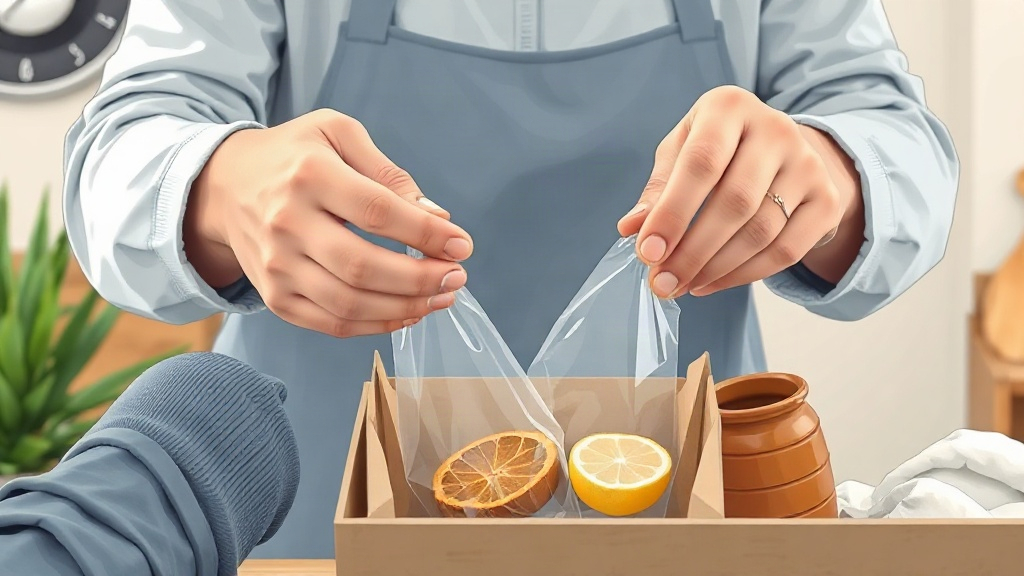
These seven steps take you from curious to committed. Work through them in order, and give each one a week or two before moving on.
Step 1: Run your waste audit
Spend one full week logging everything you discard. Weigh the bag if you own a kitchen scale, or estimate by volume. At the end, identify your top three waste categories. Most households find food scraps and plastic packaging dominate. Outcome: a short list of priorities you can act on immediately.
Step 2: Choose one category to attack
Pick the largest or easiest category from your audit. Food waste is usually the simplest starting point because solutions are cheap. If packaging leads, focus there instead. Outcome: a single, clear target rather than a vague ambition to produce less trash.
Step 3: Set up a kitchen compost system
Collect fruit and vegetable scraps in a covered container on the counter. Empty it into a backyard bin, a worm farm, or a municipal program weekly. If you have no outdoor space, look for neighborhood compost drop-offs or share a bin with a neighbor. Outcome: organic waste leaves your kitchen and returns as soil instead of landfill methane.
Step 4: Swap your daily disposables
Replace the items you use and toss every day, one at a time. Trade paper towels for cloth rags, plastic wrap for containers, and disposable cups for a travel mug. Add a cloth bag to your car or bag so it is always available. Outcome: a steady drop in kitchen and bathroom waste.
Step 5: Rethink your shopping routine
Shop with a list, buy loose produce where possible, and choose refill stations for soap, detergent, and dry goods. Many stores now let you bring your own containers, though policies vary, so ask first. Buy staples in the largest package that suits your storage. Outcome: less packaging enters your home before it ever becomes trash.
Step 6: Build repair and secondhand habits
Before buying new, check whether an item can be repaired or found used. Learn one basic repair skill, such as sewing a button or patching a seam. Local repair cafés and online marketplaces cover the rest. Outcome: fewer purchases and longer product lifespans.
Step 7: Review and adjust monthly
Return to your audit once a month. Note what shrank and what stubbornly persists. Set one new goal for the coming weeks based on the data. Outcome: steady, measurable progress without overwhelm, which is the sustainable version of a zero waste lifestyle.
Tips for better results
Consistency matters more than perfection. These habits keep momentum going when motivation dips.
Track progress with simple numbers
Count your trash bags per month rather than aiming for an empty bin. A household producing four bags weekly can realistically reach two within a season. We found this measurable target far more motivating than abstract ideals. Review the number monthly and celebrate small declines. Progress charts, even rough ones, reveal patterns you would otherwise miss.
Shop the bulk aisle strategically
Bring clean, dry containers and label their weights before filling. Buy only what you will use within a few months, because bulk purchases spoil. Start with stable staples such as rice, oats, and beans. Refilling liquids, from shampoo to vinegar, saves the most packaging per dollar over time. Ask staff about container policies on your first visit to avoid awkward moments at checkout.
Make swaps convenient, not heroic
Place reusable bags where you will see them, keep a rag stash within arm’s reach, and store containers beside the food they hold. Convenience drives habit, and habit drives results. If a swap adds friction, redesign the setup rather than relying on willpower. In our experience, homes with visible, well-placed tools sustain zero waste habits longest.
Learn from your local community
Join a local zero waste group, a Buy Nothing community, or a library repair workshop. These networks supply free advice, shared tools, and realistic expectations. Seeing how other households manage trade-offs keeps you grounded. Community swaps also redirect useful items that would otherwise be discarded.
Accept trade-offs honestly
Zero waste sometimes conflicts with other priorities. Reusable options are not always affordable or accessible, and medical waste is unavoidable. Recycled packaging still has a footprint, and shipping refills has its own cost. Choose the best option available to you, not the theoretically perfect one. Honest compromises keep the practice humane and lasting.
Common mistakes to avoid
Most zero waste attempts fail for predictable reasons. Avoiding these five errors saves money and frustration.
Mistake 1: Buying a full zero waste starter kit
Prepackaged kits often contain items you will never use, creating waste rather than preventing it. Buy only against your audit results, one swap at a time. That approach also spreads the cost and lets you test what works. We have seen closets full of unused bamboo cutlery that arrived with plastic packaging.
Mistake 2: Trying to change everything in one weekend
Rapid overhauls collapse under daily life. Pick one category, master it, then add another. A year of steady swaps beats a week of heroic effort. If you feel overwhelmed, cut your current goal in half and restart from there.
Mistake 3: Assuming recycling solves everything
Much of what enters a recycling bin is never actually recycled. Sorting rules vary by location, and contamination sends whole loads to landfill. Reduce and reuse first, then treat recycling as a last resort. Check your local guidelines regularly, since programs change.
Mistake 4: Ignoring food waste
Food scraps often make up the largest share of household trash, yet beginners focus on plastic instead. Composting addresses volume, but meal planning prevents the waste in the first place. Shop your fridge before the store, cook portions you will finish, and freeze leftovers promptly. In our testing, meal planning cut food waste faster than any product purchase.
Mistake 5: Letting perfection block progress
Every household produces some unavoidable waste, and that is fine. Guilt drives people to quit; progress keeps them going. Aim for meaningful reduction, not a photograph-ready jar. A household producing 50% less trash has achieved something real. Worth noting: any reduction counts, however small.
FAQ
How much does it cost to start a zero waste lifestyle?
Starting costs vary widely, but most people spend very little at first. A cloth bag, rags, and a compost container often cost under $30 total. Refillable staples and bulk shopping tend to save money over time. Begin with what you already own before buying anything.
How long until I notice results?
Most households see a visible drop in trash within four to six weeks of focused changes. Composting and daily swaps show the earliest results. Larger reductions, such as cutting packaging, take a few months of practice. Track your bags monthly to see the trend clearly.
Is zero waste realistic for families with kids?
Yes, with adjusted expectations. Children bring school waste, snack packaging, and hand-me-down chaos. Focus on shared habits like reusable bottles, cloth napkins, and meal planning. Involve kids in simple choices so the routine feels normal rather than restrictive.
Do I need special equipment or a big budget?
No. A notebook, a covered kitchen container, and a cloth bag cover most beginner needs. Secondhand stores supply containers and tools cheaply. Avoid prepackaged kits and buy only what your waste audit justifies.
What if my area has no bulk stores or compost program?
Improvise with what exists locally. Choose larger package sizes, buy loose produce, and share a compost bin with a neighbor. A balcony worm farm handles scraps in small spaces. Many communities also offer drop-off programs worth checking.
Conclusion
Starting a zero waste lifestyle comes down to a handful of habits repeated consistently: audit first, swap one category at a time, and let your own trash data guide every decision. Convenience sustains the practice, while perfection breaks it. The trade-offs are real, but so are the savings and the quieter bin at the end of each week. Your next action is simple: spend this week logging what you throw away, then choose your first swap from the results. Begin there, and the rest follows naturally.

Similar Posts