How to Create a Zero-Waste Bathroom: Practical Steps Toward a Greener Lifestyle

Creating a zero-waste bathroom isn’t just a sustainability trend—it’s a conscious lifestyle choice. In a world where over 552 million shampoo bottles end up in landfills each year (according to Johnson & Johnson), shifting toward a waste-free routine is both urgent and doable. Unlike the kitchen, bathrooms are compact but deceptively wasteful. From plastic razors to synthetic loofahs, even the smallest items carry a heavy environmental toll.
So, how to create a zero-waste bathroom that’s functional, stylish, and kind to the planet? This guide offers actionable steps backed by facts, logic, and real-world examples to help you get started.
-
Start With a Waste Audit
Before buying anything new, assess what you already own. Take inventory of your products, packaging, and daily waste. You may be surprised by how many items are non-recyclable or disposable. Most bathroom trash—cotton swabs, toothpaste tubes, floss, pads—ends up in landfills due to complex materials.
A waste audit helps identify easy wins. For example, switching from disposable razors to a stainless-steel safety razor can eliminate around 30 plastic razors per year for an average user. It’s not just an eco-friendly swap—it’s financially smarter in the long run.
-
Swap Disposable for Reusable Essentials
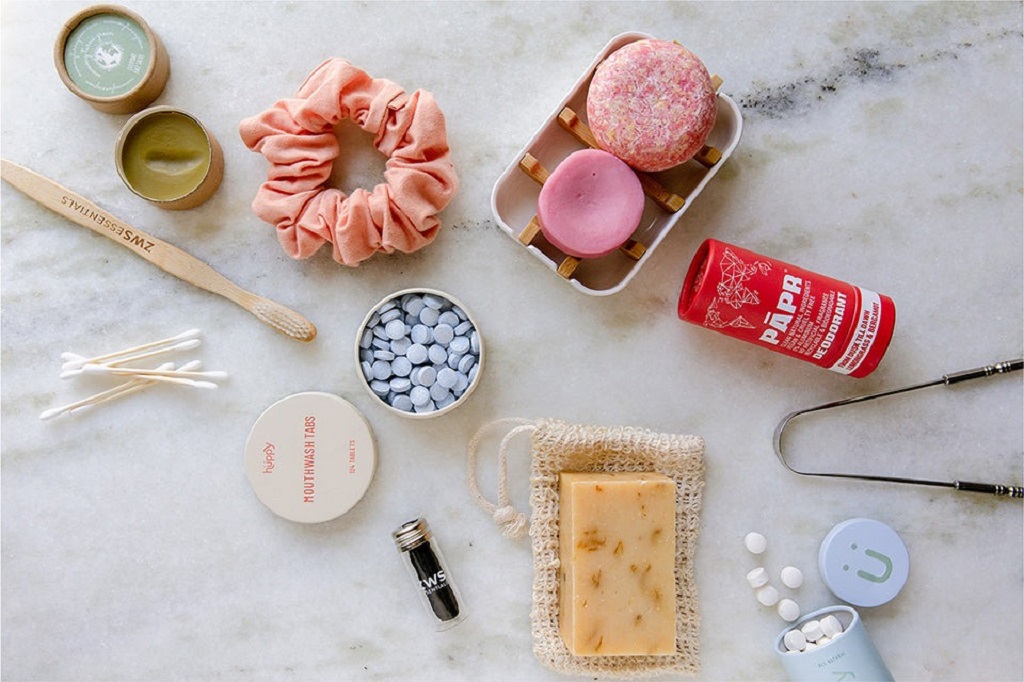
Single-use items are the main culprit in bathroom waste. Instead of replacing them endlessly, opt for durable, reusable alternatives. Here are some of the best swaps:
- Bamboo toothbrushes: Unlike plastic brushes, bamboo biodegrades in less than six months.
- Reusable cotton rounds: Ideal for removing makeup or applying toner. Machine-washable and soft on skin.
- Menstrual cups or period underwear: One menstrual cup can replace over 2,000 tampons in its lifetime.
- Stainless steel safety razors: They last forever and cost a fraction of disposables over time.
- Compostable dental floss: Brands like Dental Lace offer silk floss in refillable glass containers.
These swaps are backed by logic—why buy the same product 50 times when one version lasts for years?
-
Embrace Bar-Based Products
Liquid products usually come in plastic packaging. Bar alternatives reduce waste and often use cleaner ingredients. Bar soaps, shampoos, conditioners, and even lotion bars eliminate the need for plastic bottles.
According to Ethique, one bar of solid shampoo equals three liquid shampoo bottles. That’s a 70% packaging reduction. Plus, bars are travel-friendly and last longer due to their concentrated nature.
Bar products also cut down water content, meaning they’re more sustainable from production to usage. Look for companies that use compostable packaging or offer refills.
- Go Refillable and Package-Free
When bar products don’t suit your needs, refill stations are a great option. Many zero-waste stores now offer refills for hand soap, body wash, toothpaste, and cleaning products.
Brands like Plaine Products and Blueland are leading this movement by providing aluminum bottles and refill pouches. Aluminum is infinitely recyclable and has a higher recovery rate than plastic—75% of aluminum ever produced is still in use today.
This approach isn’t only eco-conscious but also supports a circular economy model where packaging isn’t waste but resource.
- Reduce Water and Energy Waste
Sustainability in the bathroom extends beyond physical products. Water and energy consumption are major concerns. Toilets alone account for nearly 30% of household water use, according to the EPA.
Simple adjustments can make a big difference:
- Install low-flow showerheads and faucet aerators.
- Take shorter showers.
- Fix leaks immediately.
- Switch to LED lighting and install motion sensors for lights.
These steps align with a zero-waste mindset—not just reducing trash, but minimizing all forms of waste.
- Compost Bathroom Waste
You might not think of composting in the bathroom, but many items can go in your compost bin. Examples include:
- Hair
- Nail clippings
- Cotton swabs with paper sticks
- Biodegradable floss
- Used tissues
Be sure they’re free of synthetic materials. Even better, place a small compost bin or jar in your bathroom to build the habit. Some users find it helpful to repurpose a glass jar with a lid—both odor-free and aesthetic.
- Rethink Cleaning Supplies
Most bathroom cleaners are harsh, chemical-laden, and packaged in plastic. A better approach involves DIY cleaners or eco-certified brands in refillable packaging.
Make a simple, effective cleaner using:
- 1 cup vinegar
- 1 cup water
- A few drops of essential oil
Store it in a glass spray bottle. This formula works for mirrors, tiles, and sinks. If DIY isn’t your style, opt for brands like Ecover or Method, which use plant-based ingredients and recycled plastic packaging.
- Decorate Sustainably
Creating a zero-waste bathroom also means thinking beyond function. Bamboo bath mats, second-hand mirrors, and natural fiber towels contribute to a cozy, green vibe without adding environmental stress.
Shop secondhand when possible. Thrifted storage baskets, jars, and shelves add character and keep resources in circulation.
- Educate Yourself and Others
Awareness fuels better decisions. Share your journey with family and friends, or follow zero-waste influencers who provide practical tips. Accounts like Going Zero Waste and Zero Waste Collective offer ideas, reviews, and motivation.
Incorporate credible resources such as Earth911 or Plastic Pollution Coalition to deepen your understanding and make informed choices.
Frequently Asked Questions
Is creating a zero-waste bathroom expensive?
No. Initial investments may seem higher, but long-term savings from reusable products outweigh costs quickly.
Can I still use commercial products?
Yes, but choose brands with refillable or recyclable packaging. Many offer eco lines now.
What do I do with leftover products I no longer want?
Donate unopened items to shelters or reuse containers creatively for storage.
How do I compost items safely in the bathroom?
Use a small, lidded bin and compost only organic materials. Avoid anything synthetic.
Is bar soap hygienic compared to liquid soap?
Absolutely. Studies show bar soap doesn’t transfer bacteria if stored properly and kept dry.
How do I handle guests who aren’t zero-waste?
Provide accessible, sustainable options and avoid judgment. Education works better than criticism.
Can kids adapt to a zero-waste bathroom?
Yes, especially with colorful, fun alternatives like bamboo brushes and solid shampoos shaped like animals.
Read More Also: Reusable And Zero-Waste Products for Everyday Eco Living
Final Thought
Learning how to create a zero-waste bathroom is a gateway to broader sustainable living. Every choice—no matter how small—accumulates into meaningful impact. By rethinking convenience and embracing thoughtful habits, you reduce your carbon footprint and set a powerful example.
Waste is often the result of design flaws, not user intent. With more brands embracing sustainable practices, now is the perfect time to shift. A zero-waste bathroom isn’t just achievable—it’s a statement of values, responsibility, and hope for the future.
As with any journey, progress matters more than perfection. Choose one step today, and watch your impact grow.

Similar Posts