Online Clothing Returns: Tips to Avoid Fit Disappointments
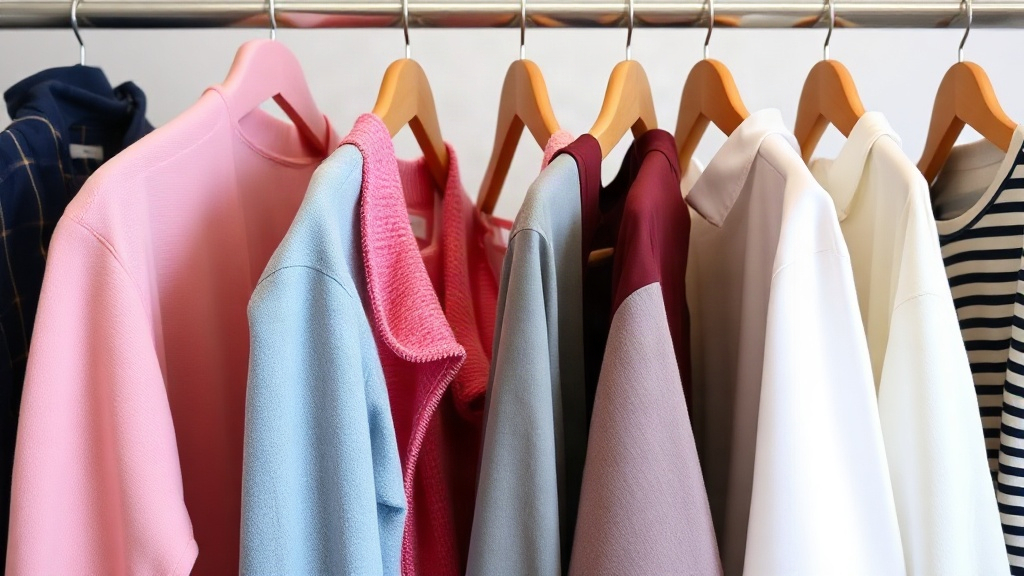
Online clothing returns are the quiet anxiety behind almost every order we place, so we have learned to treat sizing as a research project rather than a guess. You find a jacket you love, order it in your usual size, and then wait two weeks to learn whether it actually fits. That uncertainty costs time, money, and a little enthusiasm. Sites like todaydresses make browsing easy, but easy browsing does not guarantee a good fit.
Quick answer: Read the size chart and fabric details before ordering, use your real body measurements instead of a remembered size, and check the return window and policy first. Keeping packaging and tags intact makes any return faster and cheaper.
What is online clothing returns?
Online clothing returns describe the process of sending back garments you bought remotely because they do not fit, look different than expected, or arrived damaged. It is both a customer service system and a personal habit. The system involves labels, windows, and conditions; the habit involves how carefully you plan a purchase so fewer parcels come back at all. In practice, the second part saves the most hassle.
The mechanics look similar across most stores, but the details decide how smooth the process feels. Typically, you start a return in your account, pick a reason, print or download a label, and drop the parcel at a carrier. Refunds may arrive in days or weeks, and some stores offer credit instead of money back. Some charge for return shipping; others absorb it. We found that reading this fine print before checkout prevents most unpleasant surprises.
Three variables matter more than anything else. First, the return window: some retailers allow 14 days, others a month or more, and the clock often starts at delivery rather than order date. Second, condition rules: tags must usually stay attached, and items must be unworn and unwashed. Third, shipping responsibility: who pays, and whether the return goes to a warehouse or a local drop-off. Popular marketplaces such as Shein add their own layer of size quirks, which is why shoppers often ask does shein run small before ordering.
There is also a practical reality: free returns are not truly free. Retailers build shipping costs into prices, and frequent returns can lead to fees or account flags at some stores. One useful habit is to stay organized from the start with a simple overview:
| Element | What to check | Why it matters |
|---|---|---|
| Return window | Days allowed, start date | Late returns get refused |
| Condition | Tags, packaging, wear | Unworn items refund fastest |
| Cost | Who pays shipping | Affects the true price |
| Refund type | Money or store credit | Credit has limits |
| Exclusions | Final sale, jewelry, swimwear | Some items cannot return |
Takeaway: understand the rules before you order, and you will face far fewer surprises later.
Why online clothing returns matters

Returns matter because they carry real costs on both sides of the transaction. For you, that means shipping fees, trips to a drop-off point, and the period when your money sits in limbo. A refund that takes two weeks can strain a budget, especially if you are waiting to reorder a different size. For the retailer, each return means processing labor, damaged goods, and higher prices for everyone. That is why return policies have tightened in recent years.
Fit disappointment is the most common reason clothes go back, ahead of style and color surprises. Part of the blame lies with sizing inconsistency. We found that a medium from one label can measure very differently from a medium elsewhere, and fabric stretch affects fit as well. A rigid cotton shirt and a soft knit of the same labeled size behave completely differently once worn. Treating a size label as a starting point rather than a promise is the most reliable mindset.
There is also an environmental and personal clutter angle. Every return involves transport and packaging, and unused parcels often end up resold or discarded. Fewer, better-chosen purchases reduce that load simply and honestly. The goal is not a perfect record; occasional returns are unavoidable, and that is fine. The point is steering clear of avoidable mistakes.
Finally, consider opportunity cost. A disappointment can cost hours of browsing, but a good purchase can last years. When you treat returns as a normal part of shopping, you stay calmer and make smarter decisions. You can also compare prices with confidence, since a cheap item that fits is worth more than a bargain that goes back.
Takeaway: returns are a normal part of online shopping, but each one has a cost, so choose your orders with care.
Best practices
Start with measurements, not memories. Sizes drift over time, and a favorite size from a couple of years ago may no longer be accurate. Measure your chest, waist, and hips once per season with a tape that is not stretched. Compare those numbers to each store’s specific size chart, not to an assumed universal size. This single habit eliminates many fit problems before they happen.
When a size chart is ambiguous, read the customer reviews and the model information on the product page. Many listings state the model’s height and the size worn, which gives you a rough reference point. If you sit between two sizes, a slightly looser cut is often the safer choice for tops and jackets. For jeans and tailored pieces, remember that fabric has little give.
Check the return policy every time. Policies change, and a store you knew last year may have adjusted its rules. Look at three things: the window length, who pays return shipping, and whether the item is excluded. Also note whether you need a printer. We found that stores offering QR-code labels make returns noticeably easier, since you can ship without applying ink to anything.
Keep the packaging for a few days after delivery. If the fit is off, you already have the right bag or box, tags intact, ready to return. Photograph the item and tag before shipping, too. That record settles disputes about the condition of a returned item, and it takes seconds.
Takeaway: measure carefully, read the policy, and prepare for a possible return before you even open the parcel.
Common mistakes to avoid
Mistaking retailer-specific fits for a universal sizing system is a classic mistake. A size 10 from one brand may fit like a size 8 from another, and expecting consistency invites disappointment. We found that even the same store can vary between product lines, which is why the size chart on the specific page matters more than the brand name alone.
A second mistake is removing tags or washing an item before confirming it fits. Once a garment is washed, many stores will reject it on condition grounds. If you feel the need to test fabric, do so with the tags still attached and avoid anything that changes the item’s condition.
Third, do not sit on a return past its window while you decide. The deadline passes quietly, and then you own the disappointment too. Note the deadline in your calendar as soon as a parcel arrives that feels uncertain. Waiting for a replacement size is also risky, since it may sell out while you deliberate.
Fourth, ignore the fine print at your peril. Final sale items, swimwear, and jewelry often cannot be returned. Some stores allow returns only from the original account, or only by mail, not in store. Assuming a policy is the same everywhere, or that whatever you saw last year still applies, leads to rejected parcels.
Finally, resist the urge to buy multiple sizes with the idea that returning extras is easy. That approach can backfire if you miss the window or the store charges fees. It also ties up your money in the meantime.
Takeaway: avoid these errors and the return process becomes a rare event rather than a routine chore.
FAQ
Do online clothing returns cost money?
It depends on the store. Many retailers offer free returns, while others charge a shipping fee or deduct it from the refund. Some only offer free returns in exchange for store credit. Check the policy at checkout, because the cost often appears there rather than on the return page.
How long do refunds usually take after a return?
Most stores process returns within one to two weeks of receiving the item. Card refunds often appear a few business days after processing, but timing varies by payment provider. Keep the tracking number until the money arrives.
Can I return an item without the original packaging?
Usually, yes, as long as the item is in returnable condition. Stores care more about the garment’s state than the bag it came in. Reuse any sturdy packaging, but keep the tags attached to the item itself.
What if a garment fits but looks different from the photos?
Color and texture can differ because of screen settings and studio lighting. If the description clearly differs from what arrived, contact customer service before initiating a standard return. You may get a better outcome than the automated process offers.
Conclusion
Online clothing returns do not need to be a cycle of disappointment—most fit problems come from skipped basics, not bad luck. Read the size chart, compare real measurements, check the policy before paying, and note the return window when a parcel arrives. Those small habits cut the number of parcels you send back and keep your budget intact.
Before your next order, take five minutes to measure yourself and open the store’s return page. That single step pays off immediately, and it makes shopping far more enjoyable.

Similar Posts