Eco-Friendly Birthday Party Ideas That Wow Guests

Eco friendly birthday party ideas often stall because hosts try to swap every single item at once. You want a celebration that creates memories, not landfill, but planning foliage, food, and favors around local rules feels overwhelming.
In our research, many small choices matter more than big gestures. Manufacturer specifications and certification standards like ASTM D6400 and BPI certification shape which disposables actually compost. As of 2026, curbside compost access varies widely, so check local services before you invest in compostable disposables.
Now get a quick, usable answer.
Eco-Friendly Birthday Party Ideas That Wow Guests
Quick Answer
eco friendly birthday party ideas focus on low waste swaps and experience gifts.
Pick reusable rentals for food service when possible.
Use local, seasonal food and avoid single-use plastics.
Set up clear compost and recycle stations for guests.
Problem / Pain Point: why “eco-friendly” parties still create waste, and where planning fails
Most hosts try to be green, yet parties still leave a lot of waste. People buy compostable plates but lack local industrial composting. Aggregate reviews and municipal reports show compostable materials often land in regular trash when programs are absent.
The result is extra cost and no environmental gain.
Here are the biggest failure points
- Confusing labels: biodegradable, compostable, and recyclable are not the same.
- Infrastructure mismatch: materials require industrial composting yet only home bins exist.
- Venue rules: some parks and halls ban open flames or reusable dish drops by outside vendors.
- Last-minute rentals: timeline pressure forces disposable choices.
A quick fact to guide choices, per the U.S. Environmental Protection Agency, food and yard waste make up the single largest portion of municipal solid waste. That means food planning and proper sorting are the highest-impact levers you control.
Link your plan to what your city actually collects and avoid buying items that cannot be processed locally.
Quick decision tree: pick your eco approach in 3 questions (guest age, venue, waste infrastructure)
If your answers direct you, you get an action path immediately. Answer each question, then follow the outcome.
- Is the party mainly kids under 12 or mostly teens/adults?
, If kids under 12, prioritize low-mess, durable play and washable tableware.
, If teens or adults, prioritize experience-based favors and plated service.
- Is the venue private backyard or a public/rented space?
, If backyard with access to utilities, plan reusable rentals and composting.
, If public park or rented hall, check permit rules, then choose pack-in/pack-out or rentals if allowed.
- Does your locality accept industrial compostables?
, If yes, you can use certified compostable serviceware.
, If no, prefer reusables or recyclable paper products.
Use this image to visualize the decision flow and pick the right plan quickly.
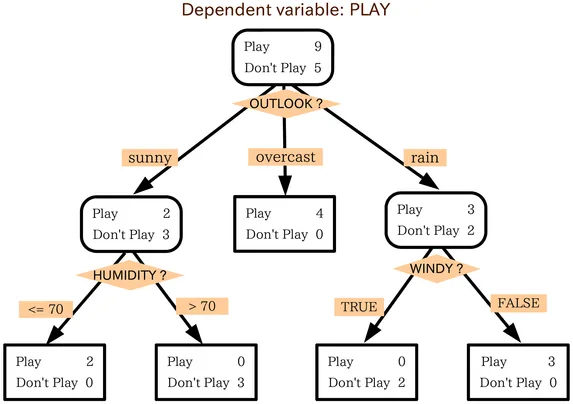
Quick branch example, if you answered kids, backyard, no composting, then choose reusable plates, potluck style food, durable activities, and donate leftovers. If teens, rented venue, composting available, choose local catering with compostable serviceware and experience favors.
Key conditions to check before you plan

Check these five conditions first, they change every recommendation.
Guest profile
- Age groups and energy level, number of kids vs adults.
- Allergies and dietary restrictions that affect menu selection and waste.
Venue rules and type
- Backyard means you control cleanup and utilities.
- Parks often need permits and may ban tent stakes or open flames.
- Rented halls may require in-house dishware or insurance.
Local waste infrastructure
- Curbside recycling, municipal composting, and private compost haulers differ.
- Check municipal pages or call public works before buying compostables, per EPA guidance EPA.
Budget, timeline, and vendor availability
- Rentals need 2 to 6 weeks lead time.
- Custom décor and DIY favors take 1 to 3 weeks to prep.
Weather and seasonal constraints
- Rain or wind calls for indoor backup plans.
- Mosquito season affects outdoor timing and activity choices.
Compostability and certification table
| Material or product type | Best use at a party | Notes and composting reality |
|---|---|---|
| Bagasse plates | Outdoor buffet with industrial composting | BPI-certified options compost in commercial facilities |
| PLA cups | Cold drinks when industrial composting exists | Not home compostable, check local acceptance |
| Reusable rentals (ceramic, stainless) | Any venue that allows drop-off | Higher upfront cost, lowest waste per guest |
| Paper napkins (recycled) | Low-mess events | Recyclable only if clean, else compost if allowed |
For certification lookups, search BPI certification to confirm a product’s commercial compostability status BPI. Confirm which standard the product meets, such as ASTM D6400 or EN 13432, and then verify local acceptance before purchase.
Tailored plans: decision branches and concrete recommendations
Choose the branch that matches your answers and follow the short checklist.
Backyard with municipal composting, low-waste picnic
- Use reusable plates and cutlery if you can wash them.
- If reusables are impractical, pick BPI-certified compostable tableware.
- Food plan, serve buffet style to reduce prepackaged servings.
- Set up labeled bins for compost, recycling, and trash.
Checklist: reusables, compost bin, menu using seasonal produce, leftovers donation plan.
Backyard without composting, reusable-first plus food rescue
- Avoid compostable disposables, they will go to landfill.
- Rent or borrow washable plates and cloth napkins.
- Encourage potluck to reduce food waste and packaging.
Checklist: rental pickup, volunteer dishwashers, airtight containers for leftovers.
Public park or permit venue, pack-in pack-out minimal-impact
- Contact park office early for permit requirements and trash rules.
- Use durable, lightweight dishware that you carry out.
- Choose balloon-free décor and non-staining decorations.
Checklist: permit, trash bags, transport carts, windproof décor.
Indoor rented venue or restaurant, coordinate with vendor
- Ask the venue about their waste sorting and allowed outside rentals.
- Request reusable serviceware from the caterer when possible.
- If venue accepts compostables, confirm certification acceptance.
Checklist: vendor agreement in writing, drop-off and pickup times.
Kids high-energy parties, low-mess activities and favors
- Pick games with durable props and washable paint.
- Replace candy bags with seed packets, small potted succulents, or experience coupons.
- Use a reusable piñata alternative such as a fabric treasure hunt.
Checklist: activity bins, safe toy age labels, non-toxic craft supplies.
Teens and adults, experience-focused and minimal décor
- Book a local activity, escape room, or outdoor hike.
- Serve a small, seasonal menu or order from local restaurants that use minimal packaging.
- Offer digital gift options or donations instead of physical favors.
Checklist: transport plan, local vendor confirmations, RSVP to manage portions.
Step-by-step planning & day-of workflow (checklist you can follow)

Start with a timeline and assign roles. Break big tasks into small steps so nothing gets forgotten.
Timeline overview
- 6 to 8 weeks before, book venue and rental company.
- 3 to 4 weeks before, finalize menu, confirm composting or rental logistics.
- 1 week before, print signage, confirm volunteers, pack supplies.
- Day before, prep food, set out décor that tolerates overnight storage.
Preparation checklist
- Guest list and RSVP cutoffs to size portions.
- Menu that favors seasonal, local ingredients and batch cooking.
- Rentals reserved with pickup and drop-off windows.
- Waste plan documented: labeled bins, collection bags, volunteer roles.
- Emergency kit: basic first aid, masking tape, extra tablecloths, trash grabbers.
Setup zones and layout
- Food and serving station, with separate bins for compost, recycling, trash.
- Eating area with washable or rented tableware.
- Activity zone with durable supplies and an easy-clean surface.
- Donor/dropbox for leftover food designated for local donation.
Day-of operations, step-by-step
- Arrive early to set up waste stations and signage.
- Stage food so guests serve themselves in controlled flow.
- Have one volunteer supervise waste sorting during peak serving.
- Rotate activities in 20 to 30 minute blocks for kids to reduce chaos.
- Begin cleanup while guests are still present, offering containers for leftovers.
Post-party tasks
- Rinse and stack rentals, return them within agreed window.
- Bag compostable items separately and arrange municipal pickup or drop-off.
- Donate unopened, properly stored food within 24 hours to a local shelter.
- Tally leftover supplies for reuse at future events and track what generated the most waste.
Common day-of mistakes to avoid
- No clear signage, which causes contamination at bins.
- Understaffing during food service, which increases single-use waste.
- Buying compostables before confirming local acceptance.
Safety and compliance quick checks
- Verify park permits and any fire restrictions.
- Confirm food-handling responsibilities meet local health department rules.
- Check toys and favors for choking hazards and age-appropriate labels.
Costs, comparisons & quick reference (useful numbers and trade-offs)
Start by matching cost to scale and infrastructure. Small gatherings often save money with reusables, while very large groups may favor compostable disposables only if industrial composting is available.
| Option | Typical cost per guest (USD) | Best for | Main trade-offs |
|---|---|---|---|
| Reusable rentals (ceramic, stainless) | $3 to $8 | Backyard or venues that allow drop-off | Lowest waste, requires washing and logistics |
| Compostable tableware (bagasse, PLA) | $1.50 to $4 | Events with municipal or private composting | Only useful if accepted locally |
| Disposable single-use plastics | $1 to $3 | Very short notice, zero cleanup capacity | Highest landfill impact and long-term cost |
Quick rules of thumb
- If your locality has industrial composting, certified compostables can be a reasonable choice. Check ASTM D6400 or EN 13432 claims against local acceptance first.
- If composting is unavailable, choose reusables or recyclable paper to avoid landfill.
- For kids parties under 20 guests, rental plates plus a volunteer dishwasher usually cost less than repeated disposable purchases.
Lead times and operational costs
- Rentals and specialty vendors require 2 to 6 weeks lead time.
- Custom décor or DIY favors need 1 to 3 weeks.
- Typical contamination during sorting can reduce recovery by 10 to 30 percent, so invest in clear signage and one waste monitor during peak serving.
Waste targets and processing times
- Aim for under 0.5 pounds of landfill waste per guest.
- Industrial composting typically processes organic-certified items in about 90 to 180 days.
- Home composting often takes several months to over a year for similar materials.
Frequently Asked Questions
Can compostable plates go in curbside recycling?
No, compostable plates usually cannot go in recycling. Recycling systems are not built to process organic or fiber-based compostable items. Put certified compostables in commercial compost, or use reusables if your city lacks acceptance.
What should I do if my venue bans reusable dishware?
Ask the venue for their rules, then pick the lowest-impact allowed option. If reusables are banned, choose BPI-certified compostable or recyclable paperware only if your waste system accepts it. Otherwise, aim for minimal packaging and bulk servings.
What are safe, low-waste party favors for toddlers?
Choose durable, non-toxic favors that last, and avoid small choking hazards. Examples include small potted succulents, seed packets, wooden toys with age labels, or experience coupons for a local kids activity. Wrap favors in fabric or recycled paper instead of plastic.
How do I handle leftover food and birthday cake?
Donate safely and quickly when possible, within 24 hours and following local food safety guidelines. For homemade items, offer guests labeled containers to take home, refrigerate perishables immediately, and compost appropriate scraps if available.
What are fast ways to cut single-use plastic at a kid’s party?
Switch to cloth napkins, rent plates, use water dispensers with cups, and avoid individually wrapped snacks. Tell guests what you’re doing on the invite so they arrive ready to help reduce waste.

Similar Posts