Best Reusable Products for Daily Life: Practical Eco-Friendly Choices That Make a Real Difference

In today’s world, the urgency to reduce waste and embrace sustainability has never been higher. One of the simplest yet most impactful ways to contribute is by switching to the best reusable products for daily life. These items not only lower your carbon footprint but also save money and reduce clutter over time. Consumers increasingly recognize that single-use products are environmentally costly and economically wasteful. For example, Americans throw away approximately 80 billion plastic water bottles annually, according to the Environmental Protection Agency (EPA). That staggering number highlights the need for reusable alternatives.
Why Choose Reusable Products?
The logic behind reusable products is straightforward: fewer disposables mean less waste ending up in landfills or oceans. Furthermore, reusables reduce the demand for raw materials, manufacturing, and energy consumption. Experts estimate that switching to reusable shopping bags alone can reduce plastic bag waste by billions each year. Additionally, the long-term cost benefits are clear—while reusable items might have a higher initial cost, they often pay for themselves within months. A report by the Ellen MacArthur Foundation suggests that investing in durable, reusable goods is key to fostering a circular economy, one that emphasizes reuse over waste.
Best Reusable Products to Incorporate in Daily Life
Here’s a curated list of reusable products proven to bring value and environmental benefits.
-
Reusable Water Bottles
Switching to a reusable water bottle is one of the easiest changes anyone can make. Stainless steel or BPA-free bottles keep drinks cold or hot for hours, encouraging hydration while reducing single-use plastic. According to a study by the University of Bath, reusable water bottles can reduce greenhouse gas emissions by up to 75% compared to disposable plastic bottles.
-
Reusable Grocery Bags
Plastic bags contribute significantly to ocean pollution. Reusable grocery bags made from cotton, jute, or recycled plastic offer sturdy, washable alternatives. Data from the United Nations shows that reusable bags can prevent millions of plastic bags from polluting waterways annually. Users report these bags are not only eco-friendly but also more reliable for heavy loads.
-
Beeswax Wraps for Food Storage
Beeswax wraps serve as sustainable alternatives to plastic cling film. They are breathable, washable, and compostable, preserving food freshness naturally. A survey by Ethical Consumer found that families switching to beeswax wraps reduced plastic wrap use by over 90%. While they may require a slight learning curve, the environmental benefits are undeniable.
-
Stainless Steel Straws
Although simple, reusable stainless steel straws help cut down on billions of plastic straws discarded yearly. These straws are durable, easy to clean, and often come with portable cases, encouraging use in cafes and restaurants. The Surfrider Foundation highlights that this shift alone helps reduce plastic pollution threatening marine life.
-
Cloth Napkins and Towels
Replacing paper towels and napkins with washable cloth versions minimizes household waste significantly. While some may argue paper towels are convenient, the volume of waste they create is substantial. According to the Natural Resources Defense Council, Americans use around 13 billion pounds of paper towels annually, much of which ends up in landfills.
-
Reusable Coffee Cups
Many coffee shops now offer discounts for customers who bring their own cups. Reusable coffee cups made from glass, bamboo, or stainless steel provide insulation and reduce disposable cup waste. Research by the UK’s Waste and Resources Action Programme (WRAP) suggests a reusable coffee cup must be used 15 times to offset the environmental cost compared to disposable cups. For frequent coffee drinkers, the environmental and financial savings add up quickly.
-
Reusable Produce Bags
Plastic produce bags at grocery stores are rarely recycled. Using mesh or cotton produce bags cuts plastic waste and keeps fruits and vegetables fresh longer. A study by the Plastic Pollution Coalition reveals that reusable produce bags reduce single-use plastic bag consumption by at least 60% among regular users.
Balancing Convenience with Sustainability
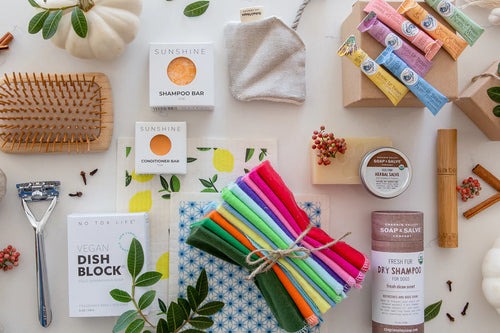
Despite the advantages, some people hesitate to adopt reusable products due to perceived inconvenience. However, innovation has made many reusable items more user-friendly than ever. For example, collapsible water bottles and foldable shopping bags fit neatly into bags and pockets, ensuring they’re always on hand. This blend of convenience and eco-conscious design makes transitioning smoother.
Economic Impact of Using Reusable Products
The financial impact of reusable products also appeals to consumers. For example, families that switch to reusable shopping bags and water bottles can save over $100 annually. Small businesses that adopt reusable packaging often see improved brand loyalty and reduced supply costs. From a macroeconomic perspective, reduced waste management expenses benefit communities by decreasing landfill use and pollution.
Challenges and Criticisms
While reusable products are broadly beneficial, critics point to concerns such as the environmental footprint of producing reusable goods or hygiene issues. However, lifecycle assessments typically show reusables outperform disposables over time. Regarding hygiene, proper cleaning routines mitigate most risks, and many products are dishwasher safe or antimicrobial.
Real-World Impact: Case Studies
Cities like San Francisco and Seattle have successfully implemented bans on single-use plastics while encouraging reusable alternatives. These policies have led to measurable reductions in waste and pollution, proving the feasibility of widescale adoption. Corporate giants like Starbucks and IKEA also commit to reusable product strategies, signaling a major cultural shift toward sustainability.
Where to Buy the Best Reusable Products
Reputable brands such as S’well, ChicoBag, and Bee’s Wrap offer high-quality reusable items with excellent customer reviews. Additionally, platforms like EarthHero and Package Free Shop specialize in eco-friendly products that align with sustainability values. For transparency and quality assurance, look for certifications like Fair Trade, Organic, or B Corp status.
FAQs on Best Reusable Products for Daily Life
- Are reusable products really better for the environment?
Yes. Lifecycle studies consistently show reusables reduce waste, carbon emissions, and resource use when used appropriately over time. - How do I clean reusable food storage wraps safely?
Simply wash them in cool water with mild soap and air dry. Avoid hot water to preserve the wax coating. - Can reusable water bottles harbor bacteria?
If cleaned regularly, reusable bottles pose minimal risk. Many are dishwasher safe or come with cleaning brushes. - What’s the best reusable bag material?
Cotton and recycled plastic are popular for durability and sustainability. Choose based on personal preference and use. - How often should I replace reusable products?
Replace when items show wear, damage, or lose effectiveness. Proper care can extend lifespan significantly. - Do reusable coffee cups keep drinks hot?
Yes. Many are designed with insulated layers to maintain temperature for hours. - Are reusable straws safe for children?
Stainless steel straws are safe but supervise young children to prevent injury. Silicone straws are an alternative.
Final Thought
The best reusable products for daily life represent more than just alternatives—they embody a lifestyle shift toward conscious consumption. Embracing these products can significantly reduce environmental impact while saving money and fostering healthier habits. As innovation continues, reusable options will become even more accessible and versatile. Start small, choose wisely, and witness how everyday choices contribute to a sustainable future.
Read More:
Sustainable Travel And Outdoor Gear for Eco-Friendly Adventures

Similar Posts