Sustainable Travel And Outdoor Gear for Eco-Friendly Adventures
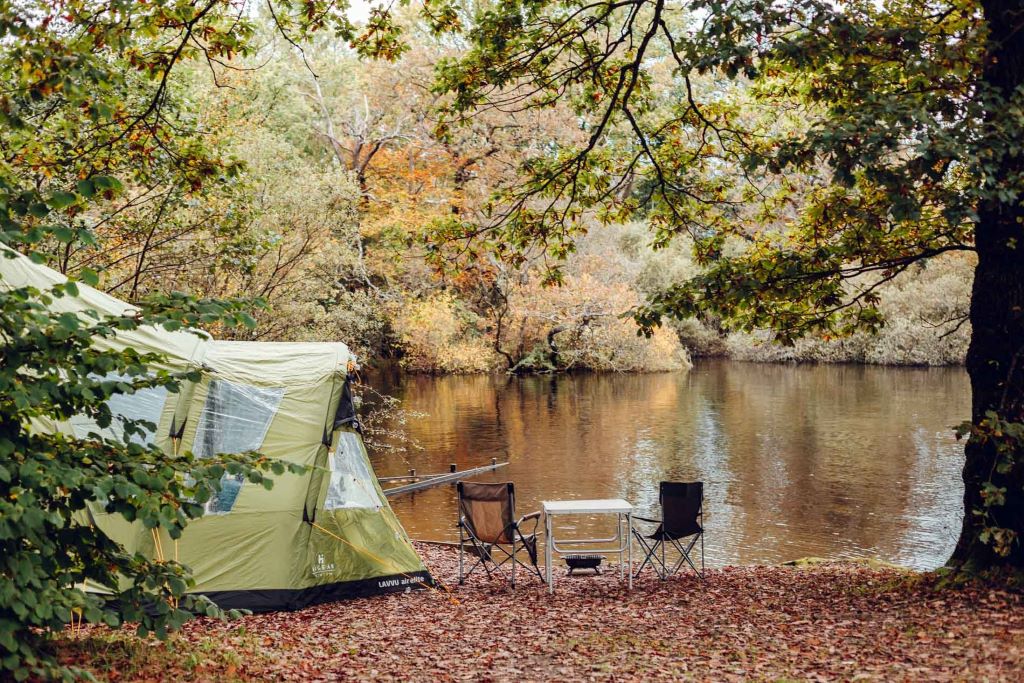
As climate change tightens its grip on the planet, eco-conscious travel isn’t just a trend—it’s a responsibility. More travelers are seeking sustainable adventures that not only thrill but also preserve nature. The sustainable travel market was valued at over $190 billion in 2023 and is growing fast, according to Statista. But to truly make an impact, it’s not just about where you go—it’s also about what you pack.
Why Sustainable Travel Matters
Tourism accounts for approximately 8% of global carbon emissions (Nature Climate Change, 2018). Air travel, hotel stays, and gear production contribute significantly. The good news? Individual choices can make a meaningful difference. Choosing eco-friendly destinations, low-emission transport, and sustainable gear drastically reduces your footprint.
Some travelers argue that travel is inherently unsustainable due to flights and fuel. While that’s partially true, reducing impact through thoughtful decisions matters. It’s not about perfection—it’s about progress.
What Makes Travel Gear Eco-Friendly?
Eco-friendly outdoor gear prioritizes durability, recyclability, and ethically sourced materials. Brands are shifting toward:
- Recycled fabrics and plastics (e.g., PET bottles converted into backpacks)
- Natural and biodegradable fibers like hemp or organic cotton
- Carbon-neutral or net-zero production models
- Fair labor certifications and transparent sourcing
Patagonia, for instance, uses 87% recycled materials across its clothing line. Their Worn Wear program extends product lifespans, keeping gear out of landfills. Arc’teryx and Cotopaxi also adopt sustainable materials and repair programs.
However, some critics claim that sustainable products are costlier. That’s true short-term. Yet, quality gear lasts longer, making it cost-effective over time.
Top Sustainable Outdoor Gear in 2025
- Allbirds Wool Runners
Made with ZQ-certified Merino wool, these shoes are breathable, biodegradable, and stylish. The company offsets its carbon footprint and uses renewable energy. - Patagonia Black Hole Duffel
This cult-favorite duffel uses 100% recycled polyester fabric and boasts high durability. Customers love its water resistance and rugged build. - BioLite CampStove 2+
Turns fire into electricity while cooking. Burn wood, not gas canisters. A favorite among hikers and off-grid travelers. - REI Co-op Tents
REI’s tents, like the Half Dome SL, are built with bluesign®-approved fabrics. REI’s co-op model also reinvests profits into conservation. - Hydro Flask Water Bottles
BPA-free, stainless steel bottles reduce single-use plastic dependency. Lifetime warranties and stylish colors make them popular among trekkers.
Each of these products has hundreds of 5-star reviews. Their performance under extreme conditions adds credibility to their eco claims.

Expert Tips for Sustainable Adventures
- Pack light: Less weight means less fuel consumption, especially on flights.
- Go digital: Ditch printed maps and tickets. Use apps like Maps.me or Google Maps offline.
- Use reusable gear: Water bottles, utensils, and snack bags save waste daily.
- Travel off-season: Reduce overcrowding and environmental stress in sensitive areas.
- Support local: Buy local crafts, eat local food, and choose local guides.
Professional travelers like Nadine Sykora and sustainable advocate Ash Bhardwaj suggest using trains and public transport wherever possible. It enhances the local experience while slashing emissions.
Eco-Friendly Destinations That Walk the Talk
Some places go above and beyond to encourage low-impact tourism. Consider:
- Slovenia: Named Europe’s greenest country, with sustainable mobility and green-certified accommodations.
- Costa Rica: Over 98% of its electricity comes from renewable sources. The country also protects over 25% of its land.
- Bhutan: Measures success by Gross National Happiness and absorbs more carbon than it emits.
Travelers should prioritize destinations that protect their environment, wildlife, and culture. It ensures a richer experience and a cleaner planet.
Sustainable Travel Doesn’t Mean Sacrificing Comfort
A common myth is that going green equals discomfort. But eco-lodges now rival luxury resorts in amenities and aesthetics. For example, TreeCasa Resort in Nicaragua uses solar energy and greywater systems—while offering infinity pools and organic cuisine.
Similarly, The Brando in French Polynesia uses seawater air-conditioning, solar energy, and is LEED Platinum certified. It has hosted celebrities and environmental conferences alike.
The rise of “green luxury” proves that sustainability and indulgence can coexist.
Reviews from Real Adventurers
Outdoor enthusiasts praise sustainable gear for its performance. Take John from Colorado, who trekked the Rockies with his Cotopaxi Allpa pack. “It’s survived blizzards and heatwaves without a rip. And I love that it’s recycled.”
Another traveler, Maria from Spain, swears by her Allbirds. “They’re so light, I forget I’m wearing them. Plus, they dry fast, perfect for tropical hikes.”
Real-world usage cements the trust consumers place in brands that care.
The Future of Eco-Friendly Travel
AI-powered trip planners now suggest the lowest-carbon routes. Solar-charged backpacks keep gadgets alive in the wild. And biodegradable tents are no longer a fantasy. Innovation is transforming the landscape.
However, responsibility still lies with the traveler. Sustainable travel is about intentionality. It’s the willingness to do better, even when it’s inconvenient.
Governments are playing their part. France banned short domestic flights where train options exist. The EU is investing over €20 billion in sustainable tourism infrastructure by 2030.
Featured Snippet: What is the best eco-friendly gear for outdoor adventures?
The best eco-friendly gear blends sustainability, performance, and durability. Look for items made from recycled materials, such as Patagonia’s Black Hole Duffel or Allbirds Wool Runners. Choose multi-use, lightweight gear like the BioLite CampStove, which generates electricity while cooking. Brands like REI and Cotopaxi offer well-reviewed, bluesign®-approved products that perform in diverse climates. Professional tip: always verify eco-certifications like GOTS, FSC, or bluesign® for genuine green credentials. Real adventurers say these items offer top-tier quality while minimizing environmental impact.
FAQs
- What defines sustainable travel gear?
Sustainable gear is made from eco-friendly, recycled, or renewable materials with ethical labor and reduced emissions. - Are eco-friendly travel products more expensive?
Often yes initially, but their durability and long lifespan make them cost-effective over time. - Can I still fly and be sustainable?
Yes, by choosing non-stop flights, carbon offsetting, and light packing, you can reduce your travel emissions. - Which brands offer the most eco-friendly outdoor gear?
Top brands include Patagonia, REI Co-op, Cotopaxi, Allbirds, and BioLite. - How do I know if a product is truly sustainable?
Check for certifications like bluesign®, GOTS, FSC, and fair trade labels. Read transparency reports on brand websites. - What are some low-impact travel activities?
Hiking, biking, kayaking, and volunteering are all low-impact and immersive ways to explore nature. - Where can I learn more about sustainable travel?
Websites like Sustainable Travel International and Green Global Travel offer insights and resources.

Similar Posts