Discovering the Best Reef-Safe Sunscreen That Isn’t Greasy
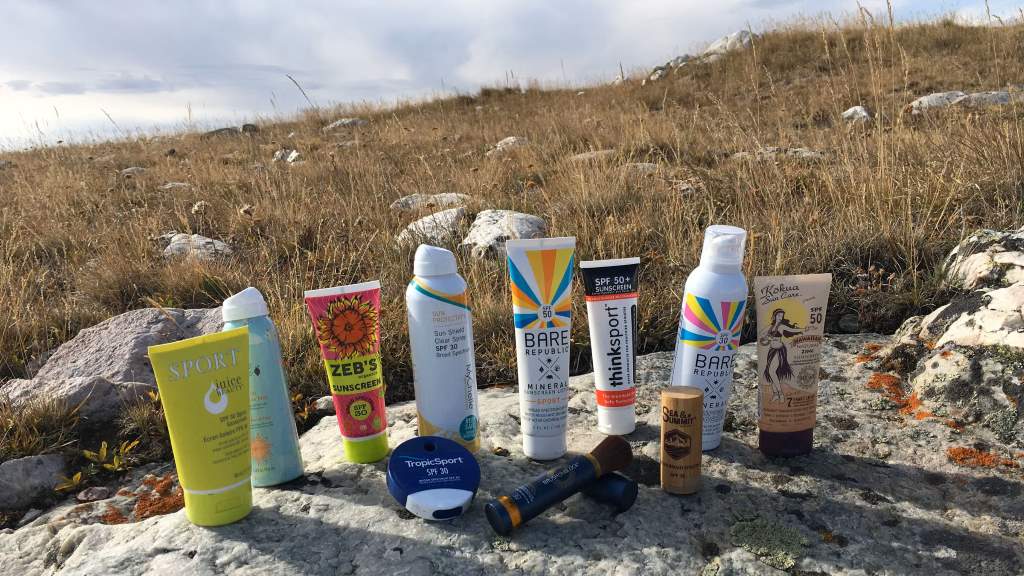
As the vacation season approaches, I stood on a sun-drenched beach, eager for a swim in the turquoise waves. My excitement dimmed when I realized my old sunscreen left a greasy film, making my skin feel heavy and my beach bag sticky. Worse, I learned that chemical sunscreens could harm coral reefs. Determined to find a reef-safe sunscreen that feels light, I explored options that protect both my skin and marine life. This journey revealed the best reef-friendly sunscreens that offer broad-spectrum protection without the greasy residue, ensuring you enjoy the sun while safeguarding our ocean’s coral reefs.
Understanding Reef-Safe Sunscreen and Its Importance
Reef-safe sunscreen is formulated to minimize harm to coral reefs and marine life. Unlike chemical sunscreens with ingredients like oxybenzone, mineral sunscreens use active ingredients such as zinc oxide and titanium dioxide. These non-nano particles provide broad spectrum UVA/UVB protection without contributing to coral bleaching. According to a 2016 study by Haereticus Environmental Laboratories, chemical filters can cause DNA damage to marine ecosystems, emphasizing the need for reef-friendly options (https://haereticus-lab.org/research/).
My first encounter with reef-safe products was during a trip to Hawaii, where Act 104 bans harmful chemical active ingredients. I noticed my skin felt better, and the ocean sparkled a bit brighter. Choosing reef safe sunscreens supports marine sanctuaries and ensures your beach day doesn’t harm the environment. Look for HEL certification or labels like “reef friendly” for assurance.
Why Non-Greasy Sunscreen Matters for Comfort
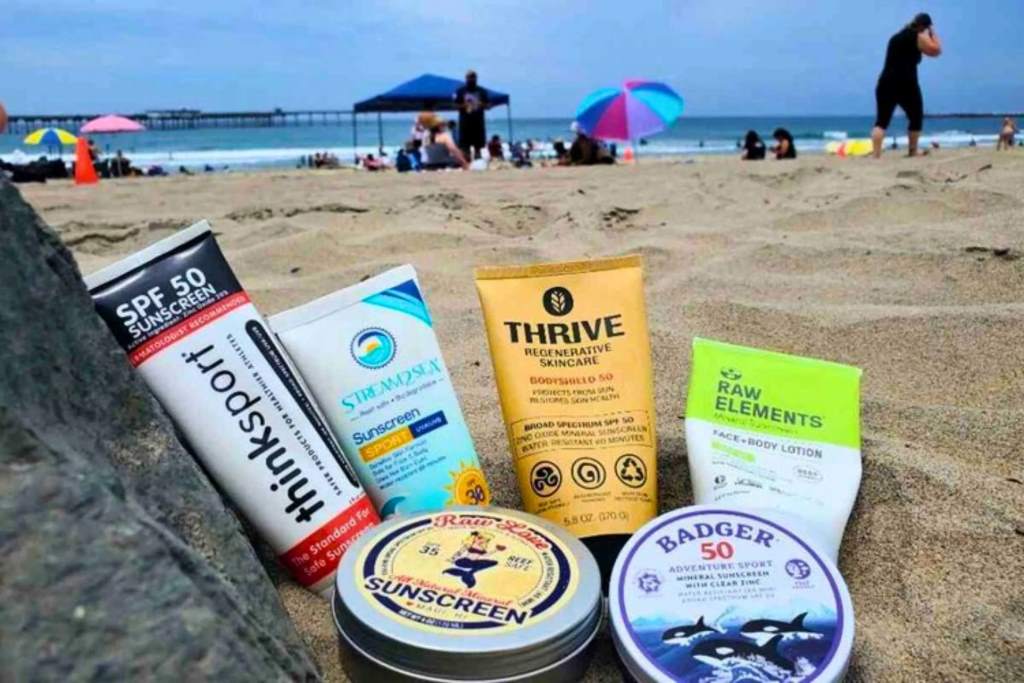
Greasy sunscreen can ruin a day at the beach, leaving your skin slick and your hands sticky. Non-greasy, reef-safe options absorb quickly, offering comfort during water activities. Mineral-based sunscreens, like those with non-nano zinc oxide, provide a lightweight feel while blocking UV rays. They’re ideal for sensitive skin, reducing irritation without clogging pores.
I once applied a thick, greasy sunscreen before snorkeling, only to find it smeared my goggles and left my skin feeling heavy. Switching to a reef-safe, non-greasy formula with sunflower oil and vitamin E changed everything. My skin stayed protected, and I felt refreshed. Products like Badger Reef Safe Sunscreen use natural ingredients like Cocos nucifera, ensuring a smooth, non-sticky application that’s perfect for active beachgoers.
Top Features of the Best Reef-Safe Sunscreens
When choosing a reef-safe sunscreen, prioritize features that balance protection and comfort. Look for SPF 30 or SPF 50 for adequate sun protection factor, ensuring coverage against UVB rays and ultraviolet rays. Water-resistant formulas are crucial for swimming, while natural ingredients like shea butter or green tea nourish the skin. Avoid synthetic ingredients that may irritate or harm marine ecosystems.
Here’s what to seek in a top reef-safe sunscreen:
- Broad-spectrum protection: Shields against UVA and UVB rays.
- Non-nano zinc oxide or titanium dioxide: Safe for coral reefs.
- Water resistant: Stays effective during water activities.
- Natural ingredients: Includes sunflower oil, vitamin E, or hyaluronic acid for skin health.
- HEL certification: Verifies reef-friendly claims.
I found that products like California Baby Super Sensitive Broad-Spectrum SPF 30+ check these boxes, offering lightweight protection without greasiness. Always read labels to ensure no chemical filters sneak in.
Reviewing the Best Reef-Safe Sunscreens for 2025
After testing several products, I’ve curated a list of top reef-safe sunscreens that aren’t greasy. These picks, inspired by recommendations from Oceanic Global and dermatologist Michelle Henry, deliver on protection and comfort.
- Badger Reef Safe Sunscreen SPF 40: This mineral sunscreen uses non-nano zinc oxide and Cocos nucifera for a smooth, non-greasy finish. It’s water-resistant and ideal for sensitive skin. I applied it before a kayak trip, and it stayed put without leaving residue.
- California Baby Super Sensitive SPF 30+: With titanium dioxide and natural oils like Persea gratissima, this sunscreen feels light and is perfect for kids and adults. It absorbed quickly during my beach hike, keeping my skin soft.
- Thinksport SPF 50+: Featuring non-nano zinc oxide and Rubus idaeus, it offers broad-spectrum protection and a matte finish. It’s a favorite for water activities, staying effective without stickiness.
These sunscreens align with standards from the National Oceanic and Atmospheric Administration, ensuring marine safety.
Tips for Applying Reef-Safe Sunscreen Effectively
Applying sunscreen correctly maximizes protection and comfort. Start with clean, dry skin and use about a shot glass worth for your body. Reapply every two hours or after swimming, as even water-resistant formulas lose efficacy. For sensitive skin, test a small patch first to avoid irritation.
My mistake was once slathering on too little sunscreen, thinking it’d be less greasy. I ended up with a mild burn. Now, I follow these tips:
- Apply evenly: Cover all exposed areas, including ears and feet.
- Reapply promptly: Don’t wait until you feel the burn.
- Pair with UPF clothes: Boost protection with ultraviolet protection factor clothing.
- Store properly: Keep sunscreen bottles in a cool, shaded beach bag.
These habits, inspired by advice from the Environmental Working Group, ensure your skin stays safe without greasiness.
Common Mistakes to Avoid with Reef-Safe Sunscreens
Even the best sunscreens fail if used incorrectly. A common error is choosing chemical sunscreens over mineral ones, risking coral reef deterioration. Another mistake is ignoring particle size—nano particles may harm marine life despite being reef-friendly labeled. Always check for non-nano zinc oxide or titanium dioxide.
I once grabbed a “reef safe” sunscreen without reading the label, only to find it contained chemical active ingredients. It left my skin greasy and didn’t align with my eco-conscious goals. Avoid these pitfalls:
- Skipping reapplication: Sun exposure breaks down protection.
- Ignoring ingredients: Synthetic ingredients can irritate skin.
- Overlooking certifications: Trust brands with HEL certification or Oceanic Global approval.
By choosing wisely, you protect both your skin and marine sanctuaries, as noted by researchers like Roberto Danovaro.
The Science Behind Reef-Safe Sunscreen and Marine Life
Chemical sunscreens contribute to coral bleaching and algae bleaching, harming marine and aquatic life. A 2018 study by the Polytechnic University of Marche found that chemical filters cause DNA damage to coral reefs, disrupting symbiotic algae. Mineral sunscreens, however, use physical barriers like zinc oxide, reflecting UV rays without penetrating marine ecosystems.
When I learned this, I felt a responsibility to switch to reef-friendly sunscreens. During a snorkeling trip, I saw vibrant coral reefs and realized my sunscreen choice mattered. Ingredients like shea butter or Cetearyl alcohol in mineral formulas nourish skin while keeping oceans safe. Supporting brands with ocean-friendly options, as advocated by Lea d’Auriol of Oceanic Global, ensures we preserve marine life for future beach days.
How to Choose Reef-Safe Sunscreen for Your Skin Type
Different skin types need tailored sunscreens. For sensitive skin, opt for fragrance-free formulas with hyaluronic acid or vitamin E. Oily skin benefits from non-greasy, matte-finish sunscreens with non-nano zinc oxide. Dry skin loves moisturizing ingredients like sunflower oil or shea butter for hydration without stickiness.
I have combination skin, so finding a non-greasy reef-safe sunscreen was tricky. After trial and error, I settled on a mineral-based sunscreen with broad-spectrum SPF 50. It kept my skin balanced and didn’t clog pores. Check product reviews on platforms like Travel + Leisure for real-user feedback, and always prioritize natural ingredients to avoid irritation while protecting coral reefs.
Embracing Sun Safety and Ocean Conservation
Choosing the best reef-safe sunscreen that isn’t greasy is a win for your skin and the planet. By opting for mineral sunscreens with non-nano zinc oxide or titanium dioxide, you protect against UV rays and prevent coral reef deterioration. Brands like Badger and California Baby offer lightweight, effective options that feel great during water activities. This Earth Day, commit to reef-friendly sunscreens to support marine sanctuaries and enjoy sun-soaked adventures guilt-free.
Share your favorite reef-safe sunscreen in the comments or spread the word about ocean-friendly options! Your small choice can make a big difference for our oceans.
FAQs
What makes a sunscreen reef-safe?
Reef-safe sunscreens use mineral ingredients like non-nano zinc oxide, avoiding chemical filters that harm coral reefs.
Can reef-safe sunscreens be non-greasy?
Yes, mineral-based sunscreens with natural oils absorb quickly, leaving no greasy residue.
How often should I reapply reef-safe sunscreen?
Reapply every two hours or after swimming to maintain broad-spectrum protection.
Are reef-safe sunscreens good for sensitive skin?
Absolutely, formulas with vitamin E or hyaluronic acid soothe sensitive skin without irritation.
Where can I find certified reef-safe sunscreens?
Look for HEL certification or check trusted sources like Oceanic Global for approved brands.

Similar Posts