Green Parenting Essentials: Eco Products for Babies And Kids
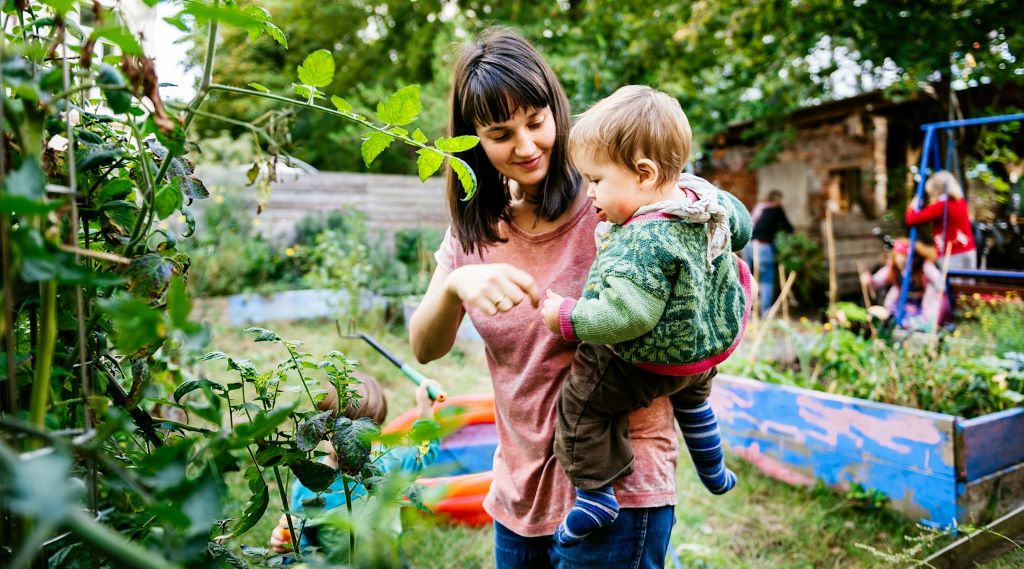
Raising children sustainably is more than a trend—it’s a necessity. Parents are now turning to eco-friendly alternatives to protect their children and the planet. But navigating the crowded market of “green” baby products can be overwhelming. That’s why this guide cuts through the noise to spotlight the most trusted and effective eco products for babies and kids.
The Rise of Green Parenting
Green parenting revolves around making environmentally conscious choices that benefit both your child’s health and the Earth. According to a Nielsen report, 73% of millennials—now the largest parenting demographic—are willing to pay more for sustainable goods. This shift reflects a growing awareness of how toxic chemicals and excessive waste impact children’s development and our planet’s future.
Dr. Tanya Altmann, a pediatrician and author, emphasizes that early exposure to synthetic materials can affect children’s hormonal systems. That’s why choosing products made with organic, non-toxic, and biodegradable materials is more important than ever.
Must-Have Eco Products for Green Parents
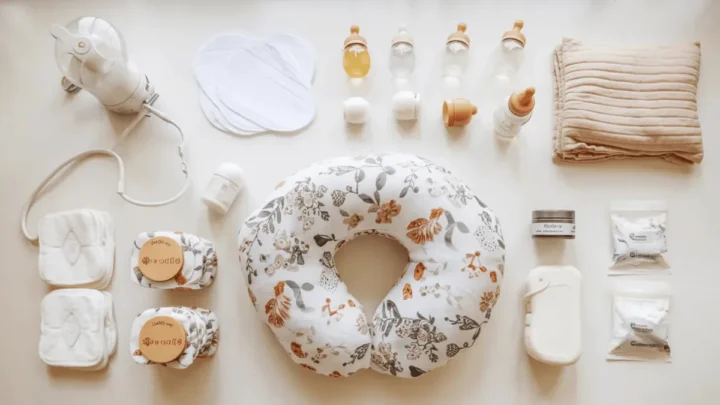
Transitioning to eco-friendly living doesn’t mean sacrificing convenience or comfort. These thoughtfully curated essentials help reduce your carbon footprint while keeping your child safe.
-
Organic Cotton Baby Clothing
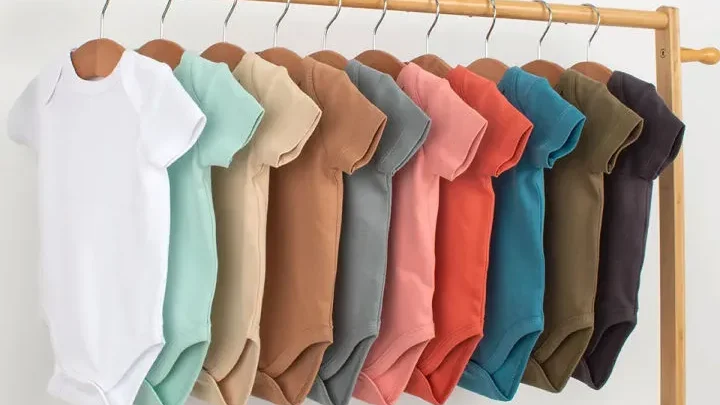
Traditional baby clothes often contain dyes and residues from pesticides. In contrast, organic cotton clothing is hypoallergenic and gentler on sensitive skin. Brands like Burt’s Bees Baby and Finn + Emma lead the pack with Global Organic Textile Standard (GOTS) certifications. Plus, organic cotton uses 91% less water than conventional cotton, making it a smarter environmental choice.
-
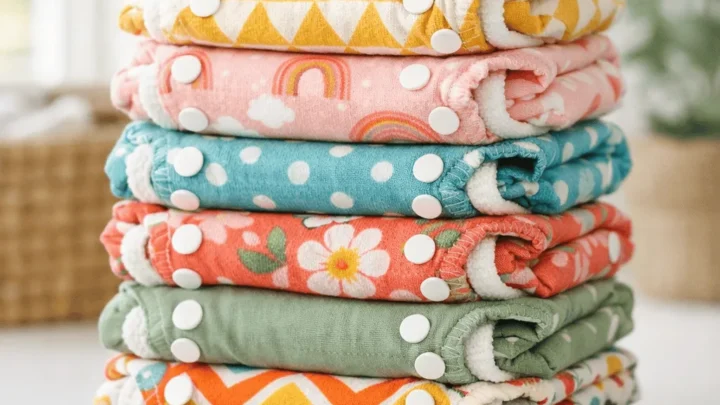
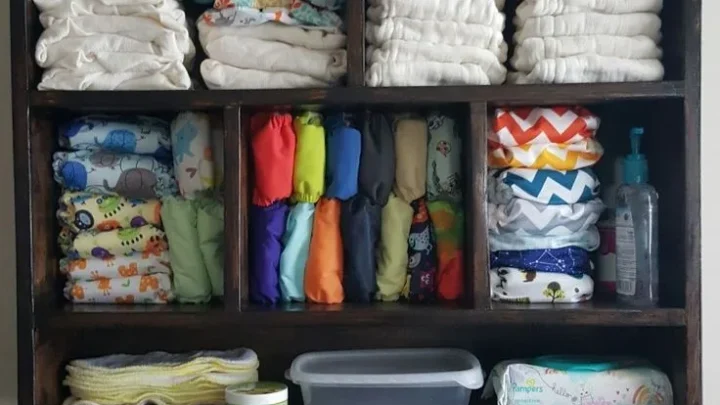
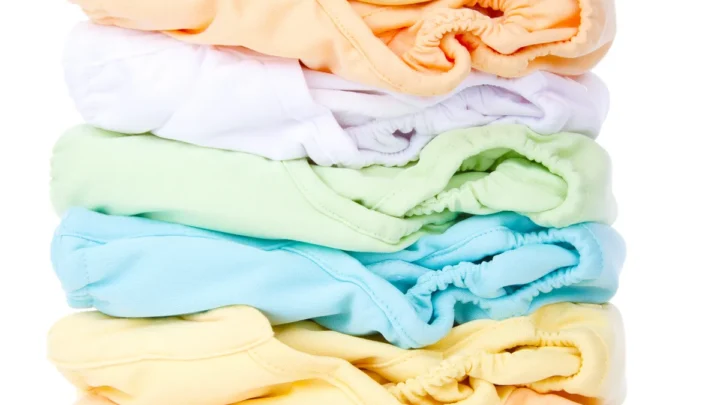
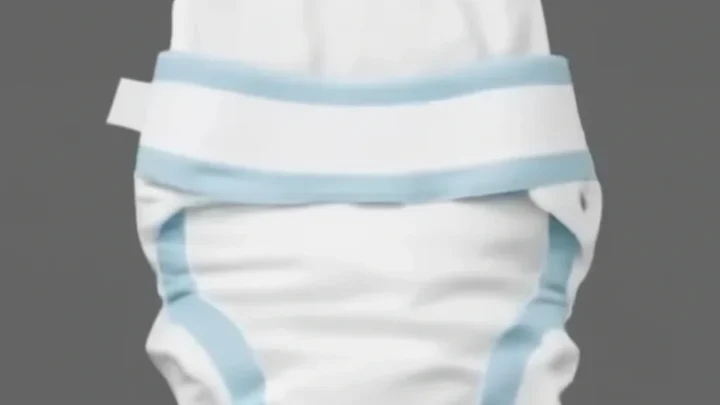
Reusable Cloth Diapers
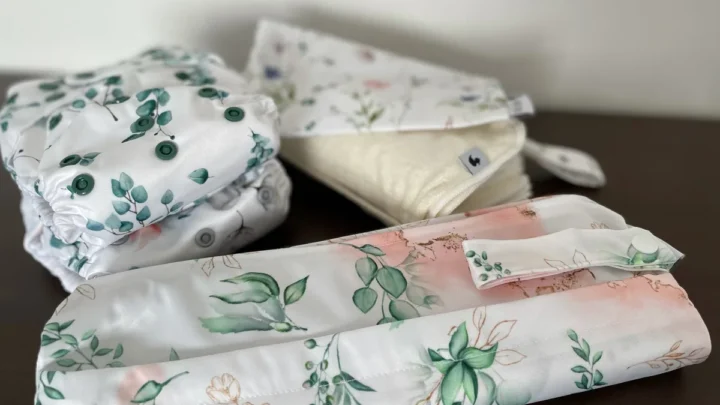
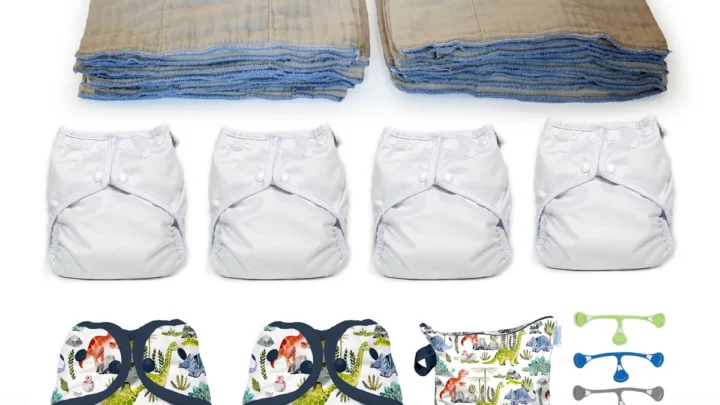
Disposable diapers contribute approximately 3.6 million tons of landfill waste annually in the U.S. alone. Modern cloth diapers, like those from GroVia or Thirsties, offer adjustable sizing, breathable fabrics, and cost savings in the long run. While the upfront investment may seem high, most families save up to $1,500 by using cloth diapers through potty training.
-
Eco-Friendly Baby Bottles
Plastic bottles often contain BPA, phthalates, and other harmful chemicals. Glass and stainless steel alternatives, such as LifeFactory and Pura Kiki, offer safer, longer-lasting options. These materials resist bacteria buildup and don’t leach chemicals when heated—unlike many plastic varieties.
-
Biodegradable Wipes
Baby wipes are a daily necessity, but most are made from plastic fibers. Look for biodegradable options from brands like WaterWipes or Natracare, which are compostable and made with plant-based materials. They’re just as effective and significantly reduce long-term waste.
-
Sustainable Toys
Cheap plastic toys break easily and often end up in landfills. Wooden toys made from FSC-certified wood and non-toxic paints, such as those from PlanToys or Hape, offer durability and developmental value. Montessori-inspired designs focus on learning through play while minimizing environmental impact.
-
Non-Toxic Bath Products
A baby’s skin is five times thinner than an adult’s, making it more susceptible to harmful substances. Choose bath products free from sulfates, parabens, and synthetic fragrances. Earth Mama Organics and Babo Botanicals offer gentle, plant-based formulas that parents trust.
-
Eco-Friendly Feeding Sets
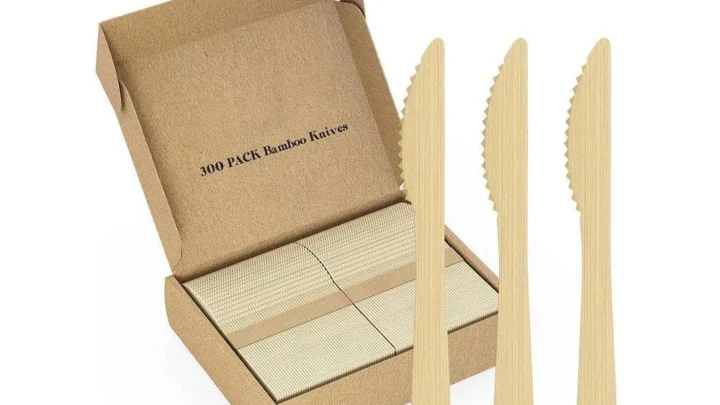
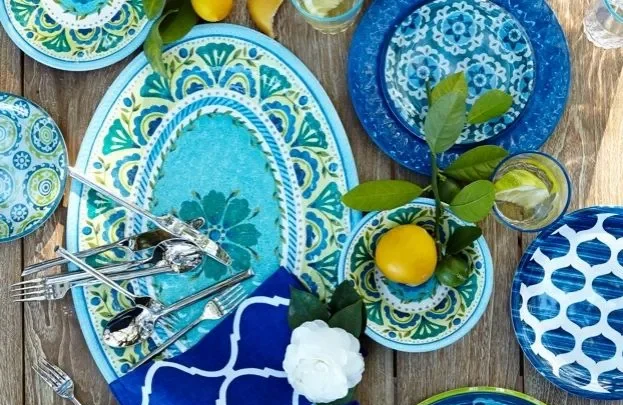
Bamboo or silicone feeding sets are safer and more sustainable than plastic. Companies like Avanchy and EZPZ design ergonomic utensils and dishes that are dishwasher-safe and toxin-free. These products are designed with both environmental and developmental benefits in mind.

Trendy Q&A: What Are the Best Eco Products for Babies in 2025?
Question: What are the top eco products parents should invest in for babies in 2025?
Answer: In 2025, the best eco products for babies combine sustainability with safety and ease of use. Leading picks include:
- Reusable cloth diapers from Esembly Baby—engineered for leak protection.
- Organic onesies from Pact Apparel—certified Fair Trade and ultra-soft.
- Glass baby bottles from Philips Avent—thermal shock-resistant and durable.
- Plant-based wipes like Eco Pea Co.—biodegradable and compost-friendly.
- Wooden toys from Lovevery—thoughtfully designed for developmental milestones.
Expert Tip: Pediatricians recommend checking for third-party certifications like GOTS or EWG to ensure product safety and authenticity.
Reviews for these products consistently highlight durability, safety, and eco-friendliness. Parents praise their long-term cost-effectiveness and peace of mind.
Professional Insights: Why Green Parenting Is Worth the Effort
Eco parenting isn’t just a moral decision—it’s a practical one. A 2023 Environmental Working Group (EWG) study found that children exposed to fewer household toxins showed improved respiratory and cognitive outcomes by age five. This reinforces the idea that healthier environments lead to healthier kids.
Critics argue that green products are expensive. However, cost comparisons show long-term savings. For example, while cloth diapering may cost $500–$800 upfront, disposables can cost over $2,000 by potty training age. Similarly, organic clothes last longer and are often handed down or resold at higher values.
Real Reviews: What Parents Are Saying
Many eco-conscious parents share their experiences through blogs and forums. According to a BabyCenter community poll, 87% of green parents said switching to sustainable products made them feel more in control of their child’s well-being.
One parent from Oregon wrote, “We started with just organic clothing, and now our whole nursery is green. Our son hasn’t had a rash in six months.”
Another reviewer on Amazon praised bamboo feeding sets, stating, “I love that they’re easy to clean and biodegradable. My toddler eats better using them too!”
Making the Switch Without the Stress
Going green doesn’t have to be an overnight overhaul. Start small. Replace one item at a time, such as switching to organic lotion or reusable snack bags. Look for local parent swap groups to reduce waste and save money. Most importantly, focus on quality over quantity. Kids don’t need dozens of toys or gadgets—just safe, nurturing essentials.
Frequently Asked Questions
-
Are eco-friendly baby products really safer?
Yes. Most avoid harmful chemicals like BPA, parabens, and synthetic dyes, making them safer for delicate skin and lungs.
-
Do green parenting products cost more?
Initially, yes. But many offer long-term savings through durability and reusability, especially items like cloth diapers.
-
Where can I buy eco-friendly baby gear?
Try sites like EarthHero, Thrive Market, or local eco-baby boutiques. Always check for certifications.
-
Are biodegradable wipes flushable?
Most aren’t. Even biodegradable wipes can clog plumbing. Compost or trash them per manufacturer instructions.
-
What are the best eco-friendly diaper brands?
Top picks include Bambo Nature, Andy Pandy, and Esembly Baby—praised for absorbency and skin safety.
-
How do I create a green nursery?
Opt for low-VOC paint, secondhand wooden furniture, organic bedding, and LED lighting to reduce toxins and waste.
-
Are wooden toys safe for babies?
Yes, as long as they’re made with non-toxic finishes and certified safe. Always check age recommendations.
Sources:
Green parenting isn’t just about environmental responsibility—it’s about giving children a cleaner, healthier start. By choosing eco products mindfully, you protect your kids while paving the way for a better future.
Read More: Natural And Eco-Friendly Personal Care Products | Green Hygiene Essentials

Similar Posts