Natural And Eco-Friendly Personal Care Products | Green Hygiene Essentials
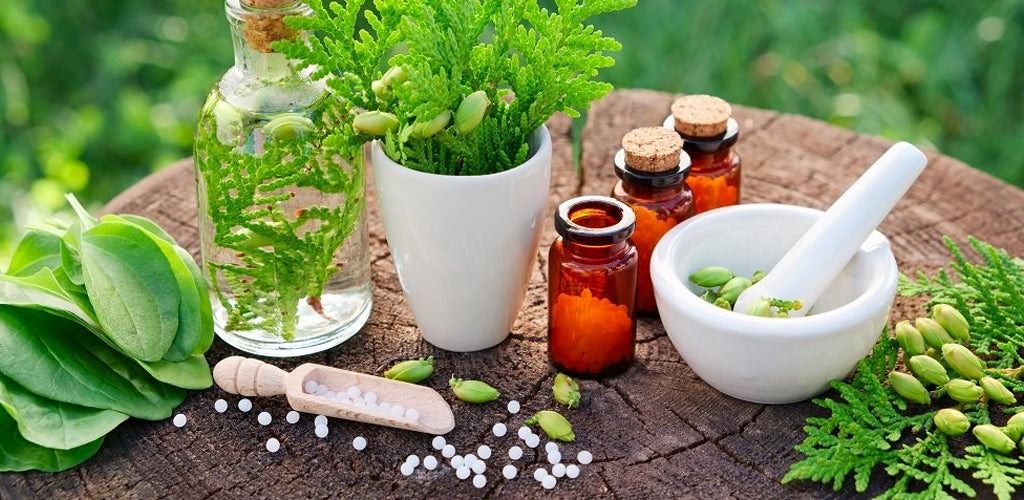
In a world increasingly conscious of sustainability and wellness, natural and eco-friendly personal care products are gaining momentum. Consumers no longer accept harsh chemicals or single-use plastics in their daily routines. Instead, they seek alternatives that are as kind to the Earth as they are to their bodies.
According to Grand View Research, the global organic personal care market exceeded $14 billion in 2022 and is projected to grow 9.4% annually through 2030. This trend reflects a growing demand for transparency, sustainability, and non-toxic ingredients.
What Makes a Product “Natural” or “Eco-Friendly”?
Natural personal care products contain ingredients sourced from nature without synthetic additives. These might include plant-based oils, clays, and essential oils. Eco-friendly products go a step further—they minimize environmental impact through sustainable sourcing, biodegradable packaging, and cruelty-free testing.
However, these labels are not tightly regulated. Brands often greenwash, using terms like “natural” or “green” loosely. Therefore, consumers must read ingredient lists carefully and look for certifications such as USDA Organic, Ecocert, or Leaping Bunny.
Why Switch to Natural & Eco-Friendly Hygiene Essentials?
There are several compelling reasons:
- Healthier Skin: Synthetic chemicals in conventional products can trigger allergies, hormone disruption, and skin irritation. A 2021 study published in Environmental Health Perspectives linked parabens and phthalates to endocrine issues in adolescents.
- Lower Environmental Impact: Traditional hygiene products often contain microplastics and petroleum-derived ingredients. These persist in ecosystems and harm marine life. Eco-conscious alternatives use biodegradable and reef-safe materials.
- Ethical Choices: Many green brands are cruelty-free and support fair trade practices. This means your purchases support not just your well-being, but workers and animals as well.
The Essentials: Must-Have Natural Hygiene Products
-
Eco-Friendly Toothpaste
Toothpaste tubes account for over 1 billion units of landfill waste annually. Brands like Bite and David’s Natural Toothpaste use recyclable aluminum tubes or tablet forms to eliminate plastic waste. Their formulas contain no sulfates or artificial sweeteners, offering a clean feel and eco-minded design.
-
Natural Deodorants
Aluminum-based deodorants clog pores and may affect lymphatic health. Natural alternatives like Native or Schmidt’s use arrowroot powder, baking soda, or magnesium to neutralize odor. A study in PubMed Central reported fewer skin irritations and better user satisfaction with magnesium-based deodorants.
-
Biodegradable Shampoo Bars
Shampoo bars save up to three plastic bottles per bar and last just as long. Brands such as Ethique and HiBAR are pH-balanced, sulfate-free, and lather-rich. Additionally, these compact bars are travel-friendly and water-conscious—perfect for eco-travelers.
-
Reusable Cotton Rounds and Bamboo Towels
Instead of disposable makeup wipes, which can take 100 years to decompose, reusable cotton rounds offer a sustainable swap. Machine-washable and gentle on the skin, they cut waste dramatically. Pair them with a natural micellar water or oil cleanser for a full green skincare routine.
-
Organic Tampons and Menstrual Cups
Conventional menstrual products often contain chlorine-bleached materials and synthetic fibers. Brands like CORA and DivaCup offer certified-organic cotton tampons and reusable silicone cups, respectively. These reduce landfill waste and are safer for vaginal health.
-
Natural Body Washes and Lotions
Many commercial body products are filled with synthetic fragrances and preservatives. Natural body washes from Dr. Bronner’s or Plaine Products use essential oils, coconut-based cleansers, and reusable containers. These feel luxurious without the environmental guilt.

Ingredients to Avoid and Why
Understanding what to avoid is crucial:
- Parabens – Preservatives linked to hormone disruption.
- Sulfates (SLS/SLES) – Harsh detergents that strip skin and hair of natural oils.
- Phthalates – Found in synthetic fragrances; known endocrine disruptors.
- Triclosan – A synthetic antibacterial that contributes to antibiotic resistance and aquatic toxicity.
Replacing these with ingredients like shea butter, aloe vera, green tea extract, or jojoba oil enhances safety and performance.
Are Natural Products as Effective?
One of the biggest concerns is performance. Can plant-based products really clean as well as synthetic ones?
Yes—if formulated correctly. For example, coconut oil-based soaps and plant enzymes are highly effective at breaking down dirt and oil. Clay masks draw out impurities without stripping the skin. The key lies in choosing well-reviewed brands with a scientific approach.
Consumer reports and user reviews consistently praise products like Acure Brightening Facial Scrub and Weleda Skin Food for their effectiveness and skin compatibility.
Expert Tips for Transitioning to Green Hygiene
- Start Small: Begin with the products you use daily—like toothpaste, deodorant, or shampoo.
- Patch Test: Natural doesn’t always mean allergy-free. Test new ingredients before full application.
- Read Labels Thoroughly: Look beyond front-of-pack claims. Ingredients tell the real story.
- Support Certified Brands: Choose products with third-party certifications like USDA Organic, EWG Verified, or Certified B Corporation.
Featured Snippet:
What Are the Best Natural & Eco-Friendly Personal Care Products for Daily Use?
The best green hygiene essentials combine efficacy with sustainability. Top-rated options include Bite toothpaste bits (zero-waste, fluoride-free), Native deodorant (aluminum-free and cruelty-free), and Ethique shampoo bars (plastic-free, salon-quality). These products not only protect your health but reduce your carbon footprint. For best results, look for certifications like USDA Organic or Ecocert, and always test new products for skin compatibility. Professionals recommend rotating products gradually and choosing multi-functional items to minimize waste and cost.
Real Reviews from Eco-Warriors
“I never imagined a shampoo bar could clean so well, but Ethique blew me away!” – Sarah J., verified buyer.
“Schmidt’s deodorant keeps me fresh all day, and I love that it’s cruelty-free.” – Michael R., sustainability blogger.
“Bite toothpaste is genius. No plastic waste and my teeth feel cleaner than ever.” – Amanda T., eco-conscious mom.
These testimonies highlight the growing satisfaction and trust in green hygiene products.
FAQs on Natural & Eco-Friendly Personal Care Products
-
Are natural personal care products safe for sensitive skin?
Yes, especially those free from synthetic fragrances, parabens, and sulfates. Always patch test before full use.
-
Do natural deodorants prevent sweating?
No, they neutralize odor. Sweating is a natural process. Aluminum-free options allow the body to detox naturally.
-
How long do shampoo bars last?
One bar typically lasts 80–100 washes, equivalent to 2–3 bottles of liquid shampoo.
-
Is organic skincare better than conventional skincare?
Organic products avoid harsh chemicals, making them safer for long-term use and better for the environment.
-
Are eco-friendly products more expensive?
Initially, yes. However, they often last longer and offer multi-use benefits, which saves money over time.
-
Can men use these products too?
Absolutely. Most natural products are unisex. Many brands offer gender-neutral scents and formulations.
-
What’s the difference between cruelty-free and vegan products?
Cruelty-free means not tested on animals. Vegan means no animal-derived ingredients. Look for both for full ethics.
Final Thoughts
The shift toward natural & eco-friendly personal care products is not just a trend—it’s a necessity. These products offer healthier alternatives, reduce environmental impact, and align with ethical values. By making informed choices, you contribute to a cleaner, safer world—starting with your morning routine. It’s not just self-care; it’s planet care.
Read More: Eco Party Essentials: Celebrate Sustainably with Zero-Waste Supplies

Similar Posts