How to Environmentally Friendly Skin Care Products
You’ve noticed it too, right? The skincare aisle is suddenly full of earthy packaging, leafy logos, and promises that sound almost too good to be true. Environmentally friendly skin care products are everywhere, but figuring out what actually works for your skin without wrecking the planet is another story entirely.
It’s a maze of half-truths, greenwashing, and genuinely good options hiding behind confusing labels.
Here’s the thing: the global personal care industry churns out over 120 billion units of packaging annually, and most of it isn’t recyclable. As of 2026, the European Union bans over 1,400 cosmetic ingredients, while the US has only restricted about 11. That gap tells you everything about how seriously “clean” and “green” claims are actually regulated.
We’re going to cut through the noise, look at the real science, and help you build a routine that’s genuinely better for your skin and the environment.
Quick Answer
Environmentally friendly skin care products prioritize biodegradable ingredients, sustainable sourcing, and minimal packaging. They avoid known irritants like synthetic fragrances and harsh preservatives. The best options use mineral filters, plant-based actives, and waterless formats.
Look for third-party certifications, not vague marketing language. Always patch test new products regardless of eco-claims.
Why “Environmentally Friendly” Needs a Closer Look
The term “environmentally friendly” has become one of the most abused phrases in beauty. It’s an unregulated marketing term, which means any brand can slap it on a label without proving anything. This is greenwashing in its purest form.
A company can put a tiny percentage of recycled plastic in a jar, call it sustainable, and move on. The rest of the product might be filled with synthetic polymers that never break down in waterways.
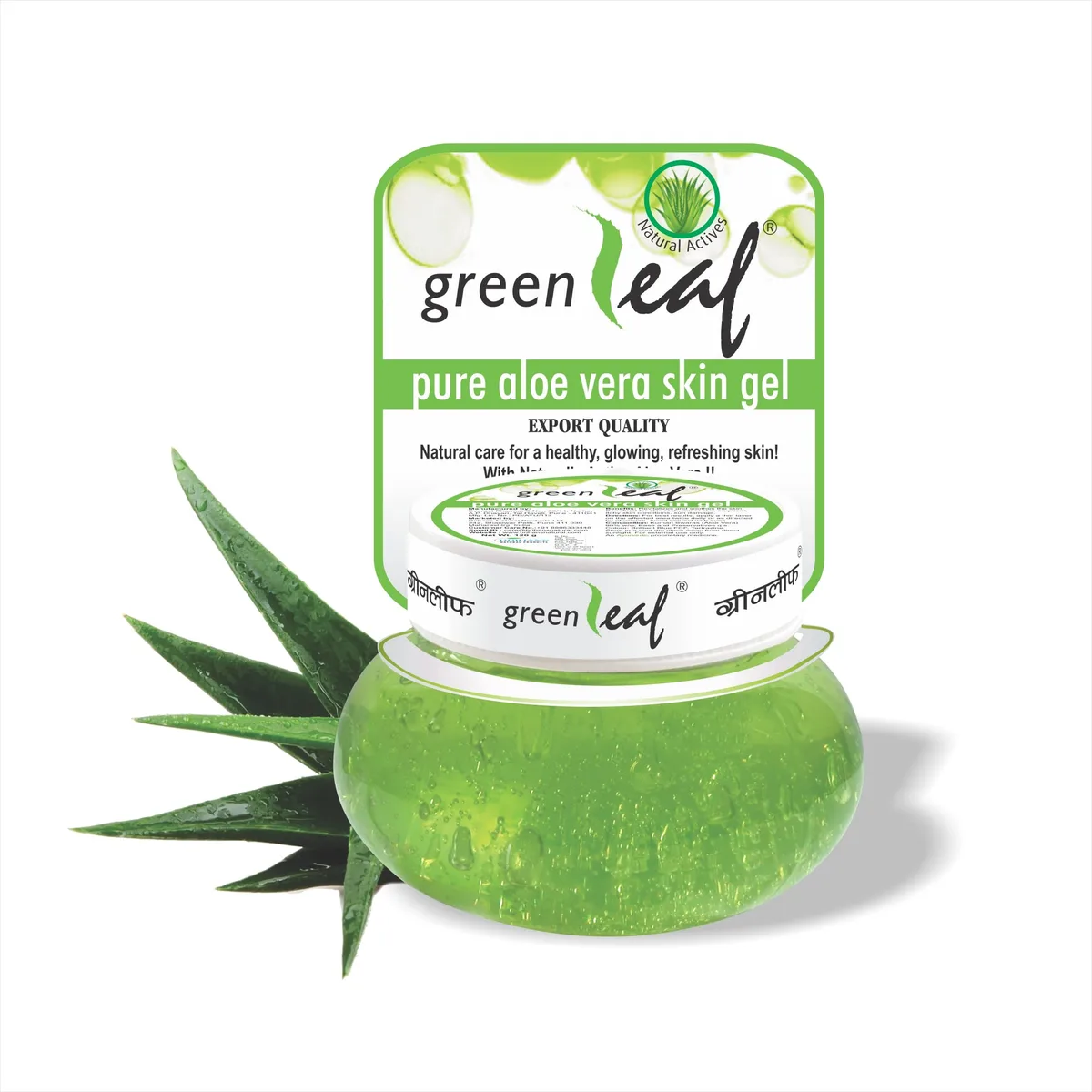
Here’s what real environmental impact looks like in skincare. It’s a combination of ingredient sourcing, manufacturing energy, water usage, packaging lifecycle, and what happens when the product rinses off your face. A truly eco-friendly product scores well across all of these, not just one.
The science is getting clearer too. Research published by the National Institutes of Health shows that certain UV filters, particularly oxybenzone and octinoxate, accumulate in aquatic ecosystems and disrupt coral reproduction. That’s why Hawaii banned them.
When you choose a mineral sunscreen instead, you’re not just protecting your skin, you’re voting for cleaner reefs.
The real issue is that most consumers don’t have time to research every ingredient. Brands exploit that. They lean on vague words like “natural” or “green” because they’re not legally binding.
The most honest products tell you exactly what they don’t use, why they don’t use it, and what certifications back up those claims.
The Core Facts: What Actually Makes Skincare “Green”?
Let’s break down the actual components that make skincare genuinely eco-friendly. It’s not just about what’s inside the bottle, it’s about how the whole product lifecycle works.
Ingredient biodegradability matters more than you think. When you wash a cleanser down the drain, it enters wastewater treatment. Some ingredients, like certain silicones and synthetic polymers, don’t break down easily. They persist in rivers and oceans.
Plant-based, naturally derived ingredients like coconut-derived surfactants or jojoba oil break down much faster. Look for formulas that are readily biodegradable, meaning they decompose within 28 days in standard tests.
Mineral sunscreens are generally safer for coral reefs. Non-nano zinc oxide and titanium dioxide sit on the skin’s surface and reflect UV rays. They don’t absorb into the bloodstream like chemical filters do. The FDA has recognized zinc oxide and titanium dioxide as GRASE, meaning Generally Recognized As Safe and Effective.
Nano particles are the controversy, because their tiny size can be absorbed by marine organisms. Stick with non-nano, specifically labeled on the bottle.
Water footprint is a hidden issue. Waterless beauty products, like solid shampoo bars and cleansing balms, skip water as the primary ingredient. That’s huge. Manufacturing a standard liquid moisturizer uses significant water, plus the energy to ship that extra weight.
Concentrated formulas and solids reduce both water use and shipping emissions.
Carbon footprint starts in the supply chain. Ingredients sourced from regenerative farms capture carbon in the soil. Wildcrafted botanicals, harvested from natural habitats, avoid the environmental damage of large-scale agriculture. A product with transparent sourcing, where the company names its farms and their practices, carries more weight than one that simply says “natural.”
The certification layer separates marketing from reality. Third-party certifications, like USDA Organic, COSMOS, or Leaping Bunny, have verifiable standards behind them. A product with these logos has been inspected and audited. A product without them, but with “eco” printed in script font on the package, has only self-declared claims.
Trust the certification, not the calligraphy.
Ingredients: Safe for You, Less Harmful for the Planet
Your skin absorbs roughly 60% of what you apply to it. That fact alone should make you read labels like a detective. When we talk about environmentally friendly ingredients, we’re looking at compounds that are both non-toxic for your body and biodegradable once they wash down the drain.
The good guys include:
- Plant oils: Jojoba, squalane (from olives), and marula are lightweight, non-comedogenic, and break down naturally. They’re rich in fatty acids that support the skin barrier.
- Butters: Shea and cocoa butter provide deep moisture. They’re sustainably harvested in West Africa through fair-trade cooperatives, which supports local economies.
- Botanical extracts: Green tea, aloe vera, and chamomile offer antioxidant and anti-inflammatory benefits. They’re renewable and biodegrade without residue.
- Fermented actives: Fermented rice water or yeast extracts are processed using less water and energy than chemical extraction. They also deliver smaller molecules that penetrate skin better.
- Baking soda and kaolin clay: Used in masks and cleansers, these minerals are naturally occurring, gentle, and fully biodegradable.
The ones to avoid for both your health and the planet:
- Oxybenzone and octinoxate: Chemical UV filters that harm coral reefs and are linked to hormone disruption.
- Synthetic fragrance: The word “fragrance” on a label can hide hundreds of undisclosed chemicals, some of which are allergens and others that don’t biodegrade.
- Parabens (methylparaben, propylparaben): Used as preservatives, they’ve been detected in marine life and are weak endocrine disruptors.
- Phthalates: Often hidden in fragrance, they’re linked to reproductive toxicity and persist in the environment.
- Silicones (dimethicone, cyclomethicone): They give that silky feel but are non-biodegradable and accumulate in waterways.
- Sulfates (SLS, SLES): Harsh detergents that strip skin and can irritate, they also require heavy processing to produce.
A good test for ingredient intelligence is simple. If the ingredient list reads like a high school chemistry exam, the product is likely not as green as it claims. Eco-friendly formulas tend to have shorter lists, with recognizable plant-derived components.
That’s not an absolute rule, but it’s a strong signal.
The Packaging Problem: What Truly Happens After You Toss It
Here’s where things get sticky. You can use the most organic, plant-powered serum in the world, but if it comes in a plastic pump bottle, you’ve still contributed to the plastic crisis. Packaging accounts for roughly 40% of the skincare industry’s carbon footprint.
It’s often the heaviest, bulkiest part of the product, and it’s the part that stays around for centuries.
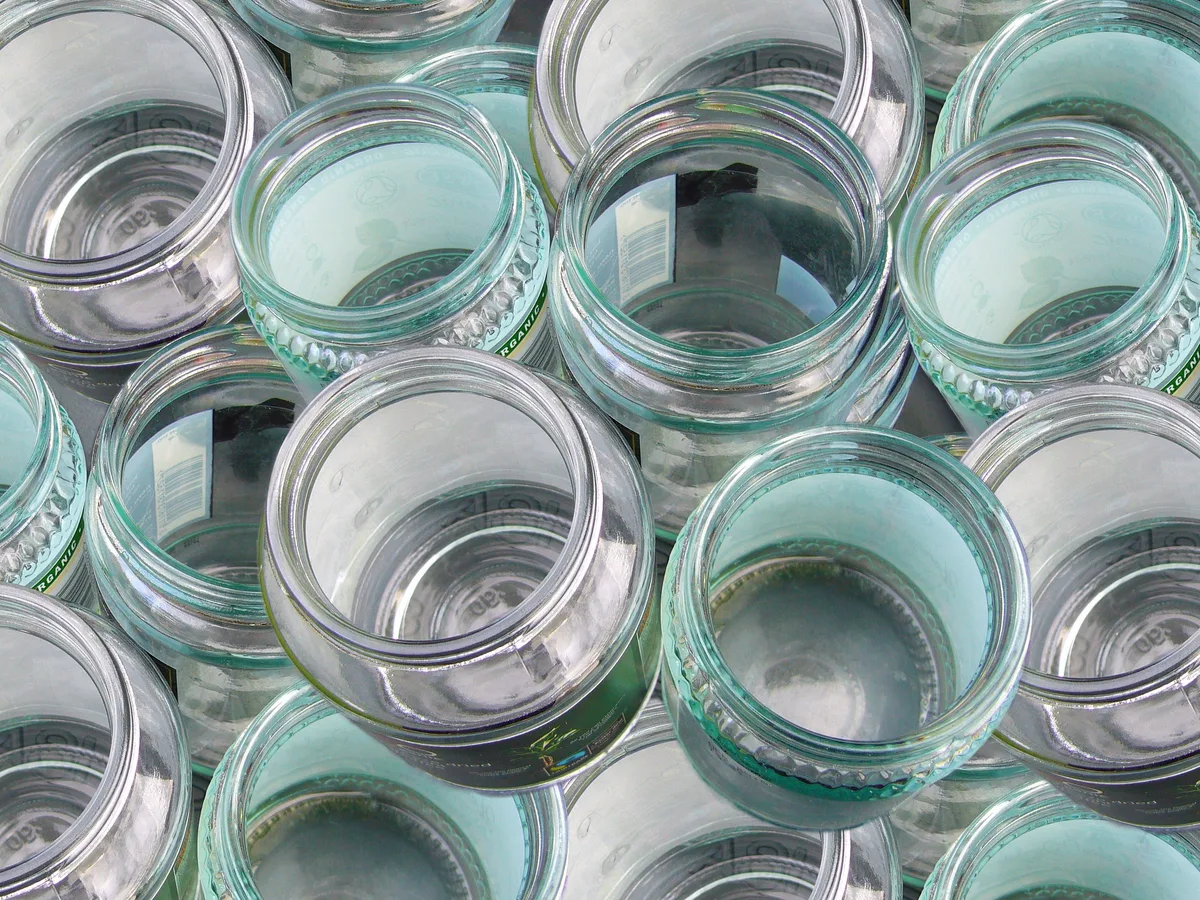
Glass is recyclable, but heavy. It takes more energy to transport glass bottles than plastic ones. That said, glass can be recycled endlessly without quality loss. Aluminum is lighter and actually carries a higher recycling value.
Over half of all aluminum ever produced is still in use today.
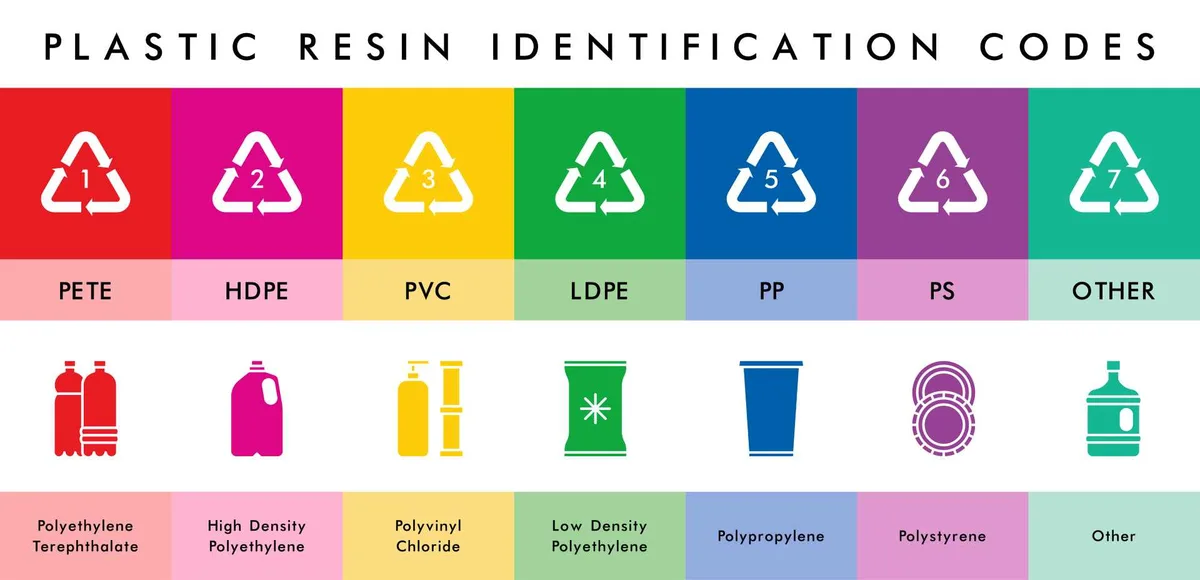
The plastic problem is real. Most skincare packaging is made from mixed materials. A pump bottle might have a polypropylene body, a polyethylene dip tube, and a steel spring. These layers are nearly impossible to separate in standard recycling facilities.
That’s why most of it ends up in landfills or “downcycled” into lower-quality products.
What actually works:
- Refillables: Brands like Filling Good or The Body Shop offer refill stations where you reuse your original glass jar. This cuts new packaging by up to 70%.
- Waterless solids: Shampoo bars, solid moisturizers, and cleansing bars ditch packaging weight entirely. They’re compact, shipping-efficient, and produce zero waste at home.
- PCR content: Post-consumer recycled plastic is better than virgin plastic because it keeps existing material in circulation. But check the percentage, a bottle claiming “made with recycled materials” might only contain 15% PCR.
- Biodegradable materials: Mushroom-based packaging, seaweed sachets, and paperboard cartons break down in industrial compost facilities. These are niche but growing.
The recycling reality check: In the US, only about 5% of plastics get recycled. The rest goes to landfill, incinerators, or the ocean. That means an “eco-friendly” product in unrecyclable packaging is essentially a green lie.
Before you buy, ask yourself how the package will be disposed of. If the answer is “landfill,” the product isn’t as green as its label suggests.
How to Build a Low-Impact Routine (Without Ditching Results)
You don’t need a 10-step Korean skincare routine to be eco-conscious. In fact, minimalist routines are often more sustainable and better for your skin. Here’s a practical, step-by-step approach that balances effectiveness with environmental responsibility.
Step 1: Audit what you already own. Finish everything you have before buying new stuff. The most sustainable product is the one you already have. Throwing away half-full bottles to feel green is actually worse for the planet because it creates waste.
Step 2: Prioritize multi-purpose products. A single cleansing balm can remove makeup, moisturize, and act as a shaving cream. A tinted mineral sunscreen provides UV protection and light coverage, replacing a separate foundation. Fewer products mean less packaging, less shipping weight, and less clutter.
Step 3: Switch to waterless formats where possible.
- A shampoo bar replaces two or three plastic shampoo bottles per year.
- Solid deodorant sticks eliminate the plastic applicator.
- Cleansing powders, activated with water at home, remove the bulk water weight from shipping.
Step 4: Choose fragrance-free for sensitive areas. Fragrance is the number one cause of allergic contact dermatitis in skincare. Even “natural” essential oils can trigger reactions. For face moisturizers and sunscreens, always pick unscented options.
Save the essential-oil blends for body lotions if you tolerate them.
Step 5: Look for concentrated formulas. Serums and actives are more concentrated than lotions, so you use less per application. A 30ml serum lasts two months if used correctly. A 200ml lotion might last three.
The serum, ounce for ounce, creates less packaging waste for the same number of uses.
Step 6: Patch test before committing. Environmental friendliness doesn’t mean much if a product causes a rash and you throw it away after one use. Always test a new product on a small patch of skin for 48 hours before applying it to your face. This prevents waste and protects your skin.
Step 7: Read the certification labels. Look for USDA Organic, COSMOS, EWG Verified, or Leaping Bunny logos. These require third-party audits. They’re your best protection against unverified greenwashing.
If a product has no certification, research the parent company. Do they publish sustainability reports? Are their ingredient sources traceable?
If the answer is vague, treat the claims with healthy skepticism.

Similar Posts