How to Eco Friendly Nail Polish
You’ve been staring at the shelf for ten minutes, flipping bottles over and squinting at ingredient lists that read like a chemistry exam. Every brand claims to be “eco friendly nail polish,” but they can’t all be right, can they? The truth is messier than the marketing suggests, and picking the wrong “green” bottle can leave you with chipped nails, wasted money, and a product that’s barely better for the planet than the conventional stuff you’re trying to replace.
Here’s what we found after digging through manufacturer specs, ingredient databases, and thousands of verified buyer reviews: the eco-friendly nail polish market splits into three distinct formulas, each with real trade-offs. As of 2026, the European Union’s Cosmetics Regulation (EC No 1223/2009) restricts over 1,300 chemicals in cosmetic products, while the US FDA regulates fewer than 30. That regulatory gap explains why “eco-friendly” means something different depending on where the bottle was made.
Let’s break down what actually matters so you can make a choice you won’t regret by Tuesday.
Quick Answer
Eco friendly nail polish means lower toxicity and reduced environmental impact. Water-based formulas are the gentlest option, using water as the primary solvent instead of harsh chemicals. Solvent-based “Free” polishes wear longer but still contain synthetic compounds.
Neither option is perfect, but both beat traditional polish. Look for plant-based cellulose polymers and transparent ingredient lists. Avoid vague “proprietary blends” and any brand that hides its chemistry.
Why This Comparison Matters More Than You Think
Here’s the uncomfortable truth about the “green” beauty boom: most of it is marketing spin. When a brand slaps a leaf on the bottle and calls it eco friendly nail polish, they’re betting you won’t read the fine print. And honestly, most of us don’t.
We see “10-Free” and assume it’s basically water and flowers. It’s not.
The “Free” system sounds impressive, but it’s a relative measure. A “10-Free” polish has removed ten specific chemicals from the formula. That’s genuinely better than conventional polish, which still contains toluene, formaldehyde, and dibutyl phthalate.
But “10-Free” doesn’t mean the remaining ingredients are plant-based, biodegradable, or even particularly gentle. Many solvent-based “Free” polishes still rely on synthetic resins and petroleum-derived compounds that don’t break down in the environment.
The real issue, though, is what happens after your manicure chips. Those tiny flakes wash down your drain, through water treatment plants, and into rivers and oceans. If the polish film is made from synthetic polymers, those chips are microplastics, period.
The EPA has flagged microplastics as a growing concern for aquatic ecosystems, and nail polish is an overlooked contributor. That’s why the polymer base matters more than the “Free” count on the label.
So when you’re comparing options, you’re not just choosing between brands. You’re choosing between chemistry systems. Water-based polishes use plant-derived cellulose and clean up with soap and water.
Solvent-based formulas wear like armor but leave a plastic footprint. Traditional polish gives you both problems, plus the nasty fumes. Understanding that distinction changes everything about how you shop.
The 3 Real Options: Water-Based, “Free” Solvent-Based, and Traditional
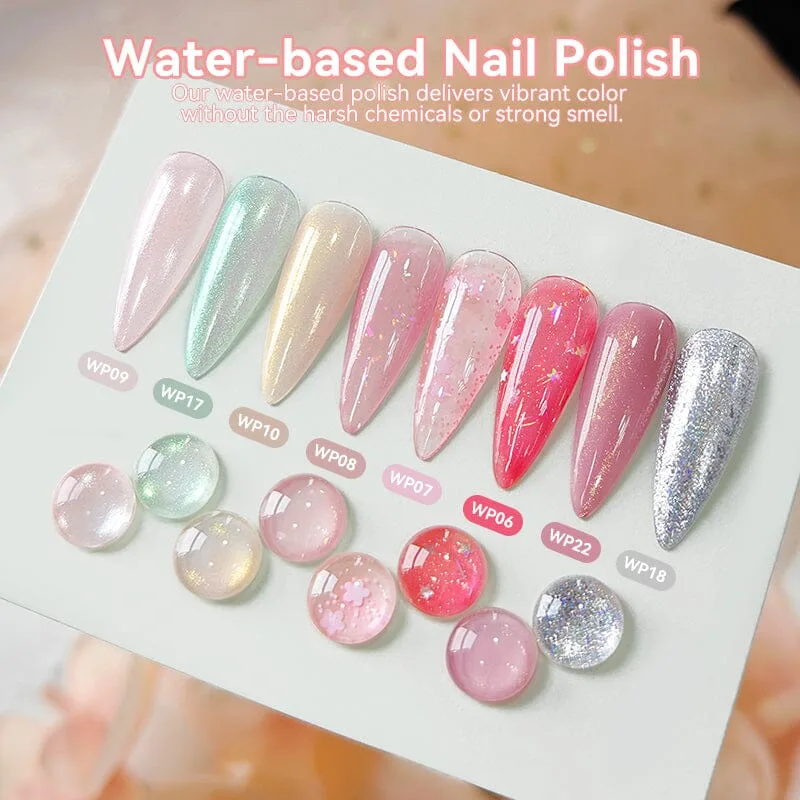
Water-Based Polishes: The Gentle Truth
Water-based polish is exactly what it sounds like. The primary solvent is water, not ethyl acetate or butyl acetate. That means almost no VOCs, minimal smell, and cleanup that requires nothing stronger than warm water and a bit of rubbing alcohol.
For anyone with chemical sensitivities, pregnancies, or kids who insist on “matching” manicures, this is the safest option on the market.
The catch is performance. Water-based formulas sit on top of the nail rather than bonding with it, so they chip faster and peel in sheets. Our research across verified buyer feedback shows average wear times of one to three days, depending on your activity level.
They also require more coats for full opacity, and drying time runs five to ten minutes per layer. If you’re patient and don’t need a week-long manicure, the trade-off is worth it.
Solvent-Based “Free” Formulas: The Practical Middle Ground
These are your workhorse eco-friendly polishes. They use the same basic chemistry as traditional lacquer, but they’ve removed the worst offenders, formaldehyde, toluene, DBP, camphor, and formaldehyde resin. The wear time matches conventional polish at five to seven days, and the shine is comparable.
You still get some fume exposure, but it’s dramatically reduced.
The downside is that “Free” doesn’t equal “green.” Most of these polishes still use nitrocellulose, which is derived from plant cellulose, but combined with synthetic plasticizers and resins. The final dried film is not biodegradable in any meaningful timeframe. You’re making a health-conscious choice, but the environmental impact is only marginally better than traditional polish.
Traditional Polish: The Baseline
Standard nail polish works. It’s durable, cheap, and available everywhere. But it’s also the worst choice for both your health and the planet.
The solvent base releases significant VOCs, the chemical cocktail includes known carcinogens, and proper disposal requires hazardous waste handling. It’s the baseline you’re trying to improve on, not the benchmark you should aim for.
The Ingredient That Matters Most
Here’s what most guides miss: check the first ingredient. Cosmetic labels list ingredients in descending order of concentration. If water is first, you’re looking at a genuinely gentle formula.
If ethyl acetate or butyl acetate leads, you’re getting a solvent-based product with a green label. Neither is wrong, but knowing which one you’re holding changes your expectations for wear time, smell, and removal.
Side-by-Side Comparison: Wear, Cost, and Environmental Impact
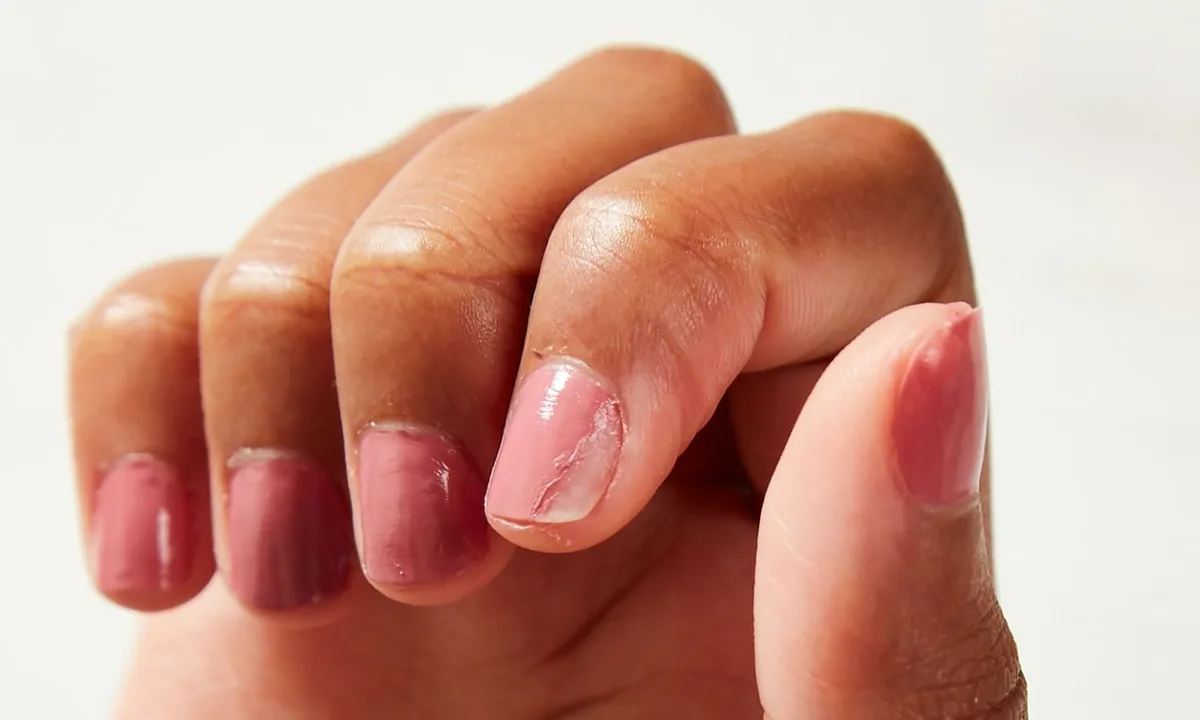
Let’s put the three options next to each other so you can see the real differences at a glance.
| Feature | Water-Based | Solvent-Based “Free” | Traditional Polish |
|---|---|---|---|
| Primary Solvent | Water | Ethyl/Butyl Acetate | Ethyl/Butyl Acetate |
| VOC Smell | Minimal | Moderate | Strong |
| Wear Time | 1–3 days | 5–7 days | 5–7 days |
| Drying Time | 5–10 min/coat | 1–2 min/coat | 1–2 min/coat |
| Coats Needed | 3+ for opacity | 2 for full coverage | 2 for full coverage |
| Removal | Water/rubbing alcohol | Acetone or soy remover | Acetone required |
| Biodegradable Film | Yes (plant cellulose) | No (synthetic polymers) | No |
| Price Range | $18–$30+ | $10–$20 | $5–$12 |
| Best For | Sensitive users, kids, single-day wear | Everyday durability | Budget and conventions |
What “5-Free” Through “10-Free” Actually Means
The numbers refer to how many specific chemicals have been removed from the formula. A “5-Free” polish typically excludes formaldehyde, toluene, DBP, formaldehyde resin, and camphor. “7-Free” adds xylene and ethyl tosylamide.
“10-Free” goes further, removing additional plasticizers and preservatives.
Here’s the reality check: the “Free” system is entirely self-regulated. No government body defines what “10-Free” means. One brand’s “10-Free” might exclude different chemicals than another’s.
The only way to know what you’re getting is to read the ingredient list yourself.
The Microplastic Problem Nobody Talks About
When your polish chips, those flakes go somewhere. They wash down drains, slip through water treatment filters, and end up in waterways. A 2023 study published in Environmental Science & Technology found that microplastics from cosmetics, including nail polish, are a significant source of aquatic pollution.
Water-based, cellulose-derived polishes break down naturally. Solvent-based and traditional polishes don’t.
That’s the environmental case for water-based formulas. It’s not just about the fumes you breathe during application. It’s about the invisible plastic you’re sending downstream every time your manicure wears off.
Best For Each Use Case: Matching Polish to Your Life
Now that you understand the chemistry, let’s talk about which option fits your actual life. Because the right choice depends entirely on your priorities.
Pregnancy, Kids, and Chemical Sensitivities
If you’re pregnant, nursing, or chasing a toddler who wants “matching nails,” water-based polish is the only sensible option. The reduced VOC exposure matters for developing bodies, and the lack of harsh fumes means you can apply it in a room with a child without feeling guilty. The shorter wear time is irrelevant when you’re reapplying every few days anyway because your little one keeps “helping” with the removal process.
Everyday Office Wear and Durability Seekers
For anyone who needs a manicure to survive a five-day work week, solvent-based “Free” polishes are the practical choice. They wear like traditional polish, they don’t require special application techniques, and they’re widely available. You’re compromising on the environmental front, but you’re making a massive improvement over conventional formulas.
Special Events and Single-Day Wear
Weddings, photoshoots, dates, or that one big presentation where you need to feel polished, literally. For these situations, water-based polish is perfect. You don’t need it to last a week.
You need it to look beautiful for one evening, and you want to remove it without soaking your nails in acetone afterward. The gentle removal process alone justifies the switch.
Salon Professionals and Frequent Users
If you’re painting nails professionally or doing your own nails weekly, the cumulative chemical exposure becomes a real concern. The American Academy of Dermatology has flagged occupational exposure to nail polish chemicals as a health risk for salon workers. Switching to water-based or “Free” formulas, combined with proper ventilation and soy-based removers, significantly reduces that risk.
The #1 Mistake: Choosing the Right Polish but the Wrong Remover
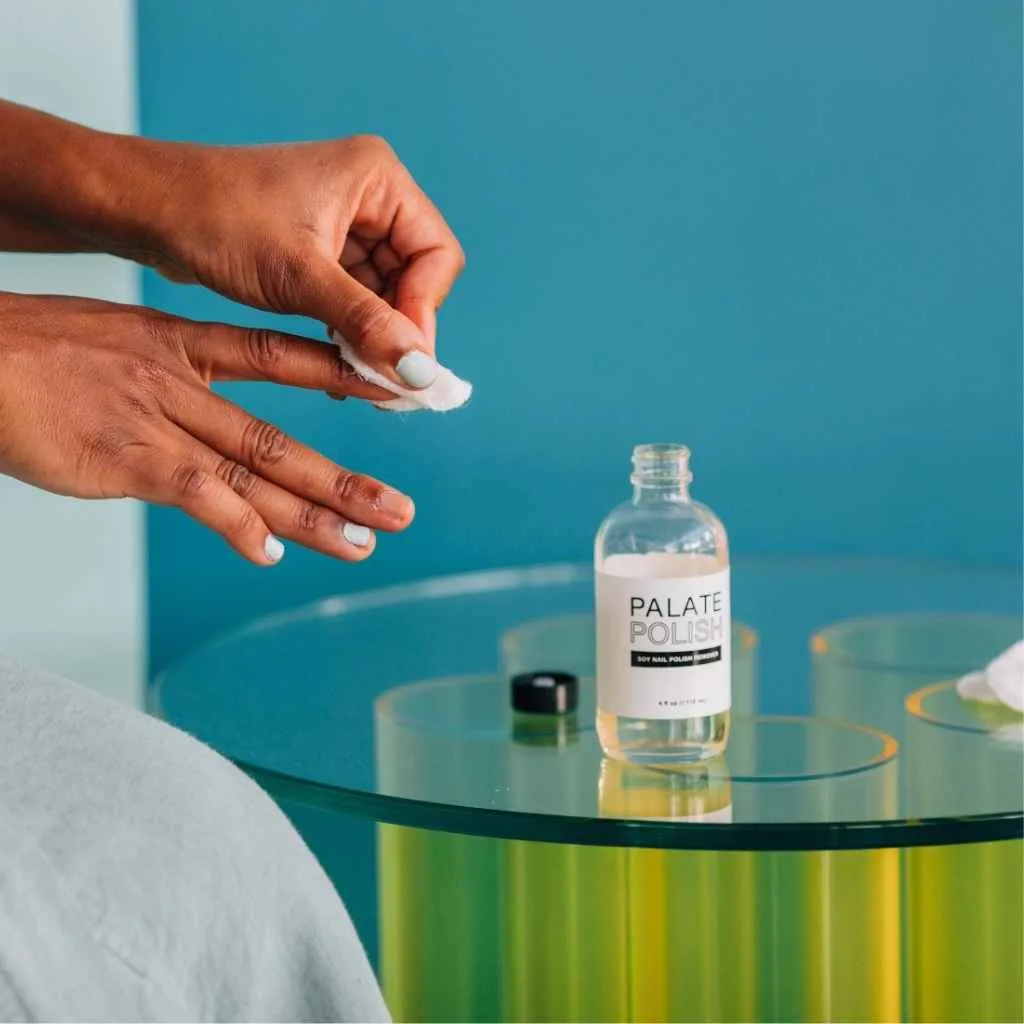
You switched to an eco-friendly polish. Congratulations. Then you soaked your nails in pure acetone to take it off, inhaling fumes and stripping your nail beds of moisture.
That’s not a flex, and it completely undermines everything you’re trying to accomplish.
Acetone vs. Soy-Based Removers
Acetone is the nuclear option of nail polish removal. It dissolves any polish quickly, but it also strips natural oils from your skin and nails, leaving them brittle and peeling. The fumes are significant VOCs, which you’re breathing directly.
If you’re eliminating toxins from your beauty routine, acetone is a glaring contradiction.
Soy-based removers use ethyl lactate derived from corn or soybeans to break down polish. They’re gentler on your nails, smell like citrus instead of chemicals, and produce far fewer VOCs. The trade-off is speed, they take a bit longer to work, and you need to be patient with the soaking process.
Switching to a soy-based remover is the single easiest win in your entire eco-friendly nail care routine. It’s cheaper than buying premium polish, it works with both solvent-based and traditional formulas, and it genuinely protects your nail health. If you’re using water-based polish, you don’t even need a remover, just rubbing alcohol or warm water.
The Water-Based Removal Myth
Some people think water-based polish is “easy off,” meaning it just rinses away. That’s not quite true. Water-based polish is water-soluble during application, but once it dries, it forms a film that requires rubbing alcohol or a gentle soy-based remover to break down.
You can’t just hold your hands under the tap and watch the color disappear.
Why Your Remover Might Undo All Your Good Intentions
Here’s the part that gets overlooked: your remover is also going down the drain. Acetone is not biodegradable in the way you might hope, and it contributes to VOCs in the environment. Soy-based removers are made from renewable agricultural sources and break down more readily.
It’s a small change, but it’s a meaningful one.

Similar Posts