How to Natural Organic Skin Care
Natural organic skin care is a phrase that gets thrown around a lot, but what does it actually mean for your face? If you’ve ever bought a product labeled "natural" only to end up with redness, breakouts, or zero results, you’re not alone. The problem isn't the concept.
The problem is that the industry has zero legal definition for the word "natural," which leaves you guessing what's actually inside the bottle.
In our research, we found that only certifications like USDA Organic and COSMOS hold products to verifiable standards, and even then, "organic" doesn'tt automatically mean "safe for your skin." As of 2026, the global organic skincare market is booming, but the labels are more confusing than ever. Let’s cut through the greenwashing and figure out what actually works, what’s just marketing, and how to build a routine that your skin barrier will thank you for.


Why "Natural" Doesn't Automatically Mean "Safe" (And Why This Matters)
Let’s get the uncomfortable truth out of the way: poison ivy is natural. Arsenic is natural. The word "natural" on a skincare label tells you almost nothing about whether a product is effective, gentle, or even safe.
That’s because the FDA doesn’t actually regulate the term when it comes to cosmetics.
In the United States, cosmetics regulations haven’t been meaningfully updated since 1938. In the European Union, things are stricter, with over 1,300 ingredients banned from cosmetics. In the US, that number is around 30.
So when an American brand slaps "natural" on a jar, they’re making a marketing claim, not a regulated one.
This matters because many "natural" products still contain essential oils that can cause contact dermatitis. They can contain fragrance compounds that trigger allergic reactions. They can even contain heavy metals from poorly sourced botanical ingredients.
The certification labels like USDA Organic or COSMOS are the only real filter we have for verifying what's actually inside the product.
The other hidden issue is preservation. Water-based natural products need preservatives to prevent mold and bacteria growth. If a brand skips them entirely to hit the "chemical-free" selling point, they’re literally putting you at risk of slathering microbial growth on your face.
What "Certified Organic" Actually Means
When you see a USDA Organic seal, it means the agricultural ingredients in the formula were grown without synthetic pesticides or fertilizers. COSMOS certification goes further, regulating the entire supply chain, including manufacturing processes and packaging. Ecocert is another major player, but here’s the catch: a product can be "certified organic" and still contain ingredients that irritate your skin.
The bottom line is that natural-origin ingredients can be just as irritating as synthetic ones. The safety of a product depends on the formula’s pH, the concentration of actives, and how it interacts with your unique skin microbiome. Certification tells you how the ingredients were grown.
It tells you nothing about how they’ll perform on your face.
The Ingredients That Actually Work (And The Ones That Are Just Hype)
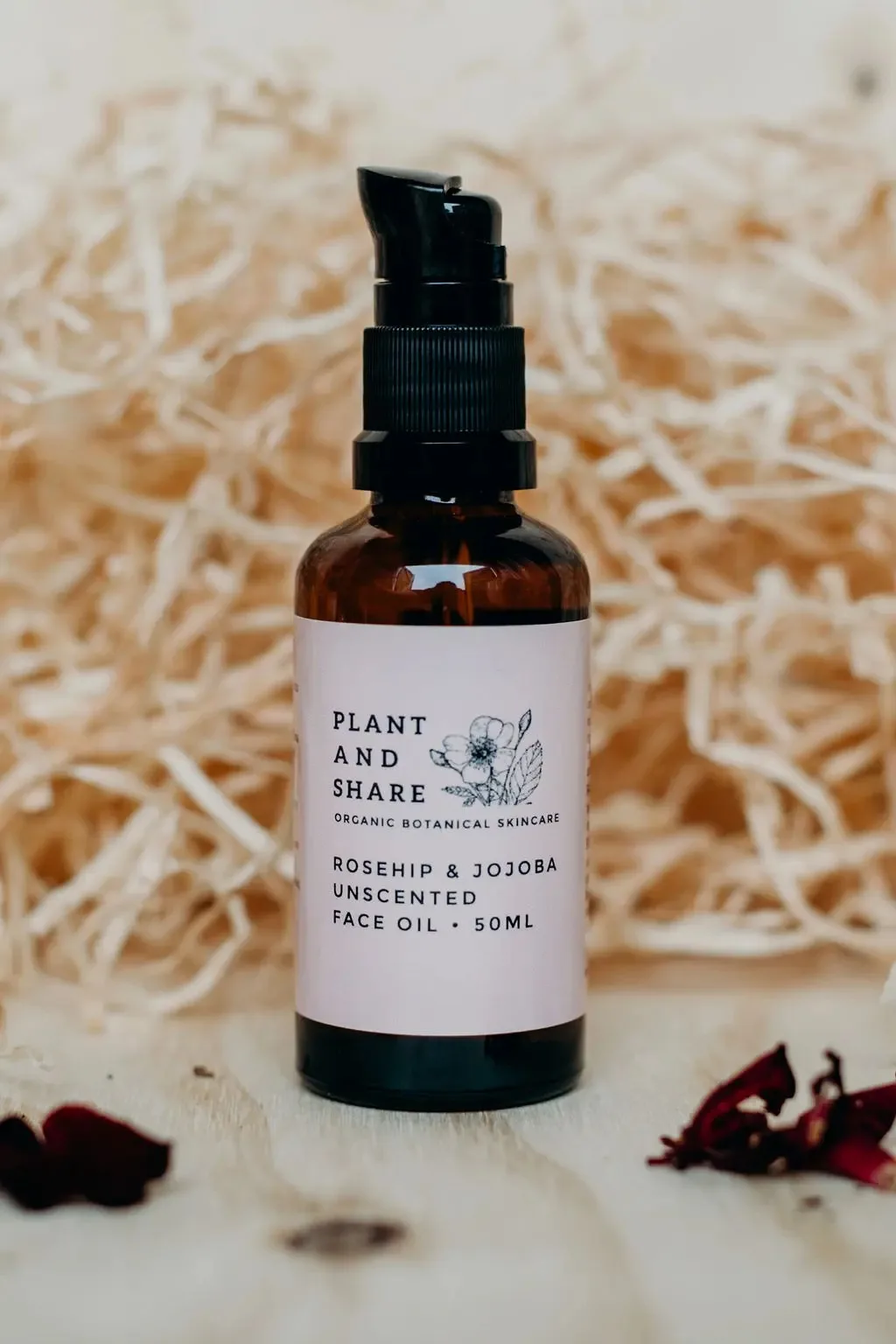
Not all botanical ingredients are created equal. Some plant oils are structurally similar to your skin’s own sebum, which makes them excellent moisturizers. Others are heavy, pore-clogging, and better left in the kitchen.
Here’s what our research and dermatological studies actually support.
Jojoba oil is technically a wax ester, not an oil. It mimics human sebum so closely that your skin can’t tell the difference. That makes it a fantastic base for serums and moisturizers, especially for oily or combination skin. Squalane, typically derived from olives or sugarcane, is another standout.
It’s lightweight, non-comedogenic, and helps restore the lipid barrier without feeling greasy.
Rosehip seed oil and sea buckthorn oil are rich in vitamin C and beta-carotene. Studies show they can support collagen production and fade hyperpigmentation over time. The catch is that they oxidize quickly.
If they come in a clear plastic bottle, they’re probably already rancid by the time you buy them.
Actives That Deserve the Hype
- Niacinamide derived from yeast: calms inflammation, supports barrier repair. Look for 2-5% concentration.
- Bakuchiol from the babchi plant: a gentle alternative to retinol. Effective for anti-aging without the irritation.
- Azelaic acid (derived from grains): excellent for redness and mild acne.
- Salicylic acid from willow bark: works like the synthetic version, but generally gentler on sensitive skin.
Ingredients That Are Overhyped
Essential oils are the biggest offenders here. Lavender and tea tree oil have antimicrobial properties, sure, but they’re also common allergens. In leave-on products like moisturizers, they offer no real benefit and carry a high risk of sensitization.
Fragrance, even natural fragrance, is the number one cause of allergic contact dermatitis in skincare. If you have reactive skin, skip it entirely.
Another myth is the "active charcoal" claim. Activated charcoal does not pull toxins from your skin. It can absorb oil temporarily, but it doesn’t "detoxify" anything.
Save your money.
How Your Skin Type Changes Everything
Your skin type determines which natural ingredients will help and which will wreak havoc. If you’ve ever tried a product that worked wonders for a friend but broke you out, this is why. Skin type isn't just about dry vs. oily.
It's about your barrier function, your microbiome, and how you react to specific compounds.
Oily and acne-prone skin needs lightweight, non-comedogenic oils. Jojoba and squalane are your safest bets. Coconut oil, which has a comedogenic rating of 4 out of 5, will likely clog your pores.
Azaelic acid and niacinamide are your power players here. They manage oil production and calm the inflammation that leads to breakouts.
Sensitive and reactive skin should treat essential oils like a red flag. Even "soothing" ones like chamomile can cause reactions over time. Focus on single-ingredient formulas, and always patch test.
Mature or sun-damaged skin benefits from antioxidants like green tea extract and vitamin C. Rosehip oil is also a smart addition, as it supports collagen synthesis. If you’re dealing with fine lines, bakuchiol is your organic retinol alternative.
A Quick Self-Assessment Checklist
- If your skin feels tight after washing: you likely have a compromised barrier. Skip foaming cleansers.
- If you get shiny within two hours of cleansing: your skin is acting oily. Opt for water gels over heavy creams.
- If products often sting on application: you have a sensitivity component. Look for completely fragrance-free formulas.
- If you break out after starting a new product: check whether it contains an oil on the comedogenic scale.
When you understand your starting point, you can make smarter choices. A "natural" product still has to match your skin’s specific needs.
The 5-Step Safe Trial Process (How to Add Any New Product Without Regret)
Adding a new product to your routine isn't just about slathering it on and hoping for the best. It's a mini scientific experiment. Here, "organic" quality matters less than how your skin reacts to the formula.
Follow this process to minimize risk and maximize your chances of success.
Step 1: The Patch Test. Apply a small amount behind your ear or on the inner arm. Wait 24 to 48 hours. Redness, itching, or bumps mean it’s a no-go.
This step catches allergic reactions before they ruin your face.
Step 2: Two-Week Isolation Rule. Introduce one new product at a time. Use it for at least two weeks before adding anything else. This way, if a reaction occurs, you know exactly which product caused it.
Step 3: Read the INCI List. The International Nomenclature of Cosmetic Ingredients lists everything in descending order by concentration. Watch for "fragrance" or "parfum" near the top. If you see essential oils in the first five ingredients, you’re getting more irritant than benefit.
Step 4: Check the PAO and pH. PAO means "period after opening," usually printed as a jar icon with "6M" or "12M" inside. Organic products often have shorter shelf lives. For pH, aim for something between 4.5 and 5.5.
Anything higher can disrupt your acid mantle.
Step 5: Know When to Stop. If you experience a purging-like breakout that lasts more than a week, stop using the product. True reactions don't improve with time. If something feels itchy, hot, or just "off," listen to your skin and remove it from your routine.

Common Mistakes That Mess Up Natural Skincare Routines
| Mistake | Why It Happens | The Fix |
|---|---|---|
| Layering oil over water-based serum | Oil blocks water absorption | Apply water serums first, then oils |
| Over-exfoliating with plant acids | "Natural" feels safer | Still limit to 2-3 times per week |
| Storing organic products in the bathroom | Heat and humidity degrade actives | Keep them in a cool, dark cupboard |
| Believing SPF 15 in moisturizer is enough | Convenience over efficacy | Always use SPF 30+ separately |
| Switching products every two weeks | Impatience | Give a formula 4-6 weeks to show results |
Natural skincare isn't harder to use. It just requires more patience and attention to storage than the heavily preserved, synthetic alternatives. The biggest mistake we see is people treating organic products like they're invincible.
They aren't. They degrade faster, oxidize quicker, and react more intensely with sunlight.
Another common error is skipping sunscreen entirely. Organic UV filters like non-nano zinc oxide are excellent. But you need to apply enough and reapply.
A pea-sized dab of moisturizer with SPF 15 isn't cutting it on a sunny day. Protect yourself from UV damage first, and let your nourishing botanicals do the repair work second.

Similar Posts