How to Transition to a Shampoo Bar Without Waxy Buildup

Picture this. You stand in your shower, ready to ditch the plastic bottle for something better. A solid shampoo bar promises clean hair and a cleaner planet. But then, disaster strikes. Your strands feel coated in wax. You scrub harder next time. Still, that sticky layer clings. Sound familiar?
Shampoo bars offer a simple swap. They clean without liquid waste. You rub the bar on wet hair. Lather forms. Rinse. Done. No bottles to recycle. No harsh chemicals stripping your scalp. Yet, many hit a snag with waxy residue. It dulls shine and tangles locks.
Why does this happen? Often, it’s hard water minerals binding to soap in the bar. Or old product buildup from liquid shampoos. The good news? You can avoid it.
Recent data shows the shift gains steam. The global shampoo bar market hit USD 11.03 billion in 2024, per Fortune Business Insights. It eyes USD 16.97 billion by 2032. That’s a 5.63% yearly jump. Another stat from Grand View Research pegs it at USD 14.57 billion in 2023, growing 7.7% to 2030. Why the boom? Folks want sustainable swaps. Over 74% of consumers in 2024 favored plastic-free beauty, says Industry Research Biz.
EPA notes plastic pollution chokes oceans. Shampoo bottles add to the mess. Switching cuts that. You save water too. Solid bars use up to 80% less packaging material than liquids, based on life cycle studies from academic sources like the Journal of Cleaner Production.
Ready to make the change right? This guide walks you through. You’ll learn causes, fixes, and routines. Your hair stays fresh. The earth thanks you.
Why Shampoo Bars? The Big Picture
Shampoo bars shine for more than convenience. They pack benefits for your hair and the world. Let’s break it down.
First, think eco wins. Traditional bottles fill landfills. Euromonitor’s 2016 data flags 552 million shampoo bottles tossed yearly in the US alone. That’s enough to circle a football field 1,164 times. Solid bars skip plastic. Many wrap in paper. Compost them after. Brands like Lush report one bar equals three bottles. You slash waste fast.
Hair health follows. Bars use natural oils and surfactants. No sulfates drying your scalp. Sodium coco-sulfate, a coconut derivative, lathers gentle. Studies in the International Journal of Trichology link these to less breakage. Your strands get stronger over time.
Travel perks? Bars slip in your bag. No spill risks. TSA loves them. Plus, they last. One bar outlives two liquid bottles. Concentrated formulas mean less use per wash.
But sustainability ties it all. Water savings hit big. Liquid production guzzles H2O. Bars need less. A University of Colorado study estimates solid personal care cuts manufacturing water by 50%. Carbon footprint drops too. Lighter shipping means fewer emissions.
Case in point: Sarah, a busy mom from Colorado. She switched last year. “My fine hair felt limp from liquid gunk,” she shares. Now, with a tea tree bar, it bounces. And her recycling bin empties slower. Small swaps add up.
Not all bars equal, though. Pick ones with SCI (Sodium Cocoyl Isethionate). It cleans without stripping. Avoid soap-based if hard water lurks. More on that soon.
In short, shampoo bars blend smarts and care. They clean deep. They protect the planet. Time to grab one? Hold on. Master the switch first.
Understanding Waxy Buildup: What’s Going Wrong?
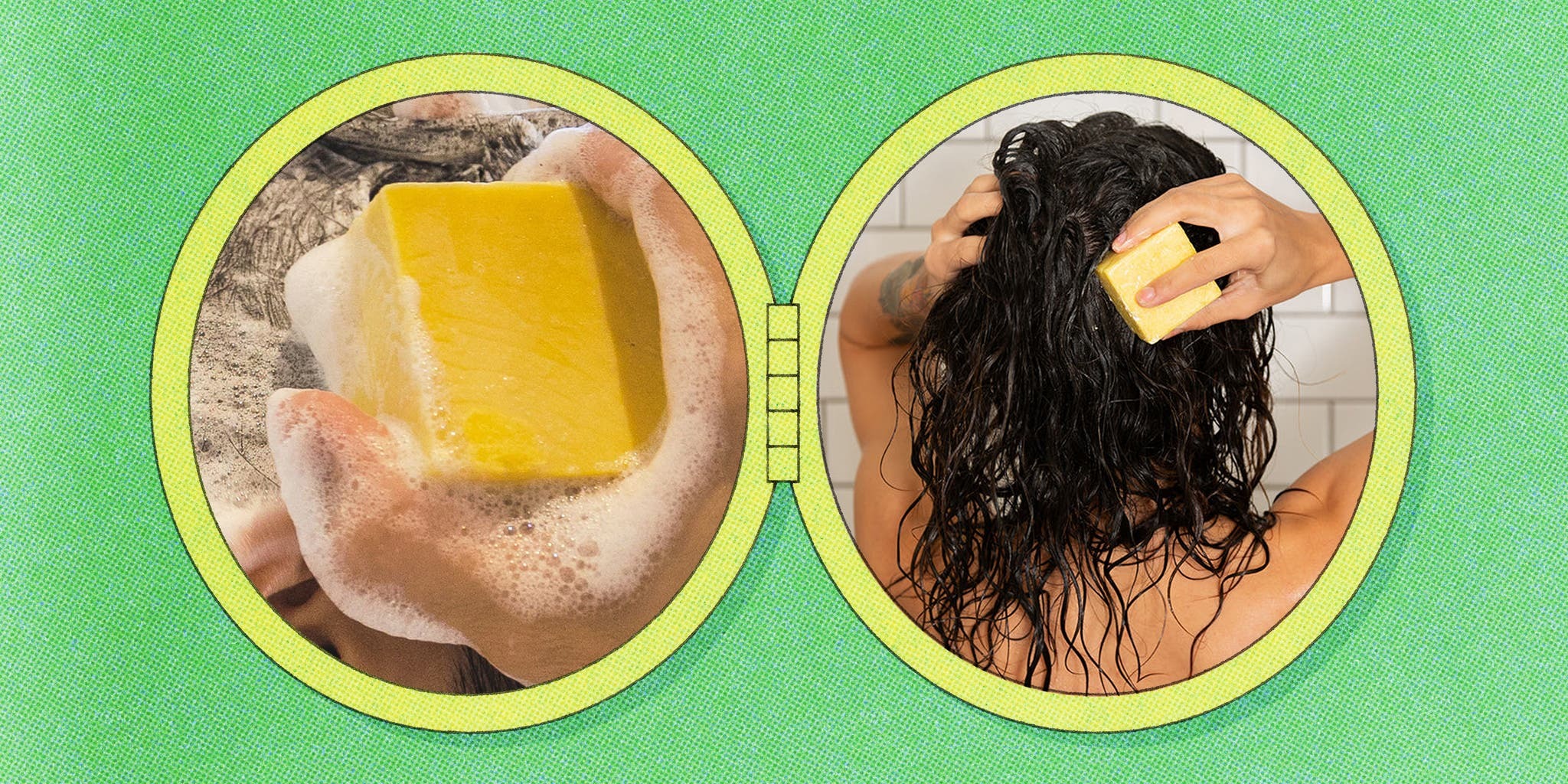
That greasy film after your first bar wash? Frustrating. But know the why. It helps fix it.
Waxy buildup stems from a few culprits. Top one: hard water. US Geological Survey says 85% of Americans deal with it. Minerals like calcium and magnesium react with soap in bars. They form soap scum. It coats strands white and sticky.
Research from the Journal of Cosmetic Science backs this. Soap molecules bind minerals. Residue sticks. Hair looks dull. Feels heavy.
Next, bar type matters. Soap-based bars saponify oils into cleansers. Great for soft water. But in hard areas? Disaster. Surfactant bars, like those with decyl glucoside, rinse cleaner. They mimic liquid shampoos without the scum.
Buildup from old products plays in too. Liquid shampoos leave silicones. Bars can’t dissolve them easy. Saltspring Soapworks notes high cleanser concentration in bars amps this. Your scalp purges old gunk. It feels waxy first.
pH shifts add trouble. Hair likes 4.5 to 5.5 acidity. Soap bars hit 9-10. Cuticles open. Residue sneaks in. Viori’s blog explains low-porosity hair repels moisture here. Wax layers build.
Hair type factors. Curly or thick locks trap more. Porous strands soak uneven. Fine hair shows it quick.
Real story: Mike from Texas tried a coconut bar. Hard water turned his waves to straw. “Looked like I skipped a week,” he laughs. Turns out, his bar was soap-heavy. Switched to surfactants. Problem solved.
Stats underline urgency. American Academy of Dermatology says buildup affects 80 million with hair loss risks. Clean transitions prevent that.
Spot signs early. Tangled ends? White film? Dull shine? Act fast. Vinegar rinses zap it. We’ll cover how.
Knowledge arms you. Now, dodge the pitfalls.
Step-by-Step Guide to a Smooth Transition
Switch smart. Follow this plan. Your hair thanks you in weeks.
Step 1: Prep Your Hair
Start clean. Old buildup blocks new bars.
- Clarify first. Mix 1 tsp baking soda in 1 cup water. Pour over wet hair. Massage. Rinse. Does this once pre-switch. It strips silicones.
- Cut styling products. Gels and sprays add residue. Go bare for two weeks. Let scalp reset.
- Test water hardness. Boil water. White ring? Hard. Buy strips online. Confirm.
Example: Lisa clarified with baking soda. Her oily roots balanced faster. “No more grease bombs,” she says.
Step 2: Choose the Right Shampoo Bar
Not all bars fit all. Pick wise.
- Go surfactant over soap. Look for SCI or sodium lauroyl methyl isethionate. They lather in hard water sans scum.
- Match hair type. Dry? Pick argan oil bars. Oily? Tea tree. Curly? Shea butter.
- Check ingredients. Skip high superfat (over 8%). It coats too much.
Wirecutter’s 2025 picks: HiBar for volume, Ethique for curls. Both rinse clean.
Pro tip: Buy small. Test one bar. Adjust.
Step 3: Master the Wash Technique
Rub wrong, rinse wrong. Buildup wins.
- Wet hair fully. Hot water opens cuticles. Let lather penetrate.
- Lather in hands first. Rub bar three times. Apply foam to scalp. Massage two minutes. Avoid direct bar rub. It over-applies.
- Work lather to ends gently. Let sit 1-2 minutes.
- Rinse cool. Hot water sets residue. Cool seals cuticles.
Chagrin Valley Soap suggests this for long hair. Ida’s technique: Section hair. Foam each. Rinses thorough.
Step 4: Add an Acid Rinse
Balance pH. Prevent scum.
- Apple Cider Vinegar (ACV) magic. Mix 1 tbsp ACV in 1 cup water. Post-shampoo, pour over. Sit 2 minutes. Rinse or leave (smell fades).
- Why it works. Acidity (pH 2-3) dissolves minerals. Shines strands.
Superfly Soap users swear by it. Transition shortens to days.
Step 5: Condition Smart
Don’t skip. But choose bar-friendly.
- Use solid conditioner bars. Apply mid-lengths to ends. Avoid roots.
- Wait 3 minutes post-shampoo. Let hair cool.
- Rinse cool again.
For hard water, pick low-pH conditioners. They pair with surfactants.
Step 6: Store and Maintain
Keep bar dry. Mushy bars dissolve fast.
- Use draining dish. Soap holder with slats.
- Cut in half. Store one away.
Pacific Spirit says this doubles life.
Track progress. Week one: Possible oil surge. Week two: Balance hits. By month one, shine returns.
Patience pays. Your routine sticks.
Tackling Hard Water: Special Tips
Hard water hits 85% hard, per USGS. Don’t fear. Adapt.
Install a Filter
Showerhead filters cut minerals 70%, says studies. AquaBliss models work. Swap monthly.
Chelating Shampoos
Once monthly, use one with EDTA. Binds minerals. Rinses clean.
Soft Water Hacks
Boil rinse water. Cool. Pour over. Minerals settle.
Case study: Emily in California. Filtered her shower. Waxy feel gone in washes three. “Hair drinks moisture now.”
Beyond Basics: Advanced Routines
Level up. Keep buildup at bay long-term.
Weekly Deep Clean
Baking soda or clay mask. Absorbs gunk. Follow with ACV.
Oil Treatments
Pre-wash, coconut oil. Sits 30 minutes. Washes easier.
Scalp Care
Massage daily. Boosts circulation. Balances oils.
For color-treated? Pick bars with chamomile. Preserves hue.
Stats: 61% of 2024 launches vegan, per Industry Research. Opt those. Skin loves.
Hair Type Tweaks
Customize. No one-size-fits-all.
Fine or Straight
Light bars. Avoid heavy oils. Lather quick.
Thick or Curly
Moisturizing. Argan or jojoba. Detangle post-rinse.
Oily Scalp
Mint or citrus. Wash every other day.
Dry or Damaged
Aloe vera bars. Condition twice weekly.
Real talk: Curly girl method pairs well. Plop after wash. Diffuses dry.
Eco Perks Amplified
Switch ripples out. EPA warns microplastics from bottles harm marine life. Bars skip that.
Water saved: 50% less in production, per academic papers.
Carbon cut: Lighter bars ship green.
Join 74% green consumers. Your bar counts.
Troubleshooting Common Hiccups
Stuck? Fixes here.
- Still waxy? Stronger ACV. 2 tbsp per cup.
- Dry ends? Oil overnight.
- No lather? Old bar. Or hard water. Filter helps.
- Frizz surge? Humidity. Silk pillowcase.
Reddit threads echo: Hard water foes unite on ACV.
Conclusion
You made it. Transition to a shampoo bar skips waxy woes with smarts. Clarify first. Pick surfactants. Rinse acid. Filter hard water. Customize for type.
Key wins: Cleaner hair. Less waste. Balanced scalp. Market booms for reason. Join the 7.7% growth wave.
Start today. Grab a bar. Follow steps. Watch shine return. Share your story. Tag friends. Go plastic-free now.
FAQs
What Causes Waxy Buildup in Shampoo Bars?
Hard water minerals bind soap. Residue forms. Soap-based bars worsen it. Switch surfactants. Add ACV rinse.
How Long Does Shampoo Bar Transition Take?
One to four weeks. Scalp rebalances oils. Clarify pre-switch. Speeds it.
Best Shampoo Bar for Hard Water?
Surfactant ones like SCI-based. Ethique or HiBar. Filter shower too.
Do I Need Conditioner with Shampoo Bars?
Yes. Solid bars work best. Apply ends only. Low-pH for balance.
Can Shampoo Bars Damage Hair?
No, if right type. Natural ingredients nourish. Avoid soap in hard water.
Related Topics: Benefits of Cork Flooring for Home Insulation
References
- Fortune Business Insights. Shampoo Bar Market Size, Share, Growth, Trends, 2025-2032. https://www.fortunebusinessinsights.com/shampoo-bar-market-108594
- Grand View Research. Shampoo Bar Market Size And Share | Industry Report, 2030. https://www.grandviewresearch.com/industry-analysis/shampoo-bar-market
- Industry Research Biz. Shampoo Bar Market Size & Share Trends, 2034. https://www.industryresearch.biz/market-reports/shampoo-bar-market-108125
- US Geological Survey. Hard Water Areas in the US. (General reference; specific data from USGS water reports)

Similar Posts