How to Sustainable Skin Care
Let’s be honest. “Sustainable skin care” sounds great, but it quickly turns into a headache. Is the bar soap better than the bottle?
What about the brand that claims “eco-friendly” on the front but ships in plastic? As of 2026, the market is full of half-truths, and figuring out what’s genuinely better for the planet and your face takes work.
In our research, the core problem is that sustainability has multiple branches. The packaging, the ingredients, the shipping, and your personal skin type all influence what “better” means. It’s not a single product.
It’s a decision tree. We built this guide to walk you through your specific branch.
Quick Answer
Sustainable skin care reduces environmental impact through packaging, sourcing, and formulation. There’s no single “best” product. The right choice depends on your skin type, budget, and access to refill systems.
Prioritize what you can maintain long-term. A perfect product you don’t use is worse than a decent one you do. Start with one change at a time.
The Real Meaning of “Sustainable” in Skin Care (And Why It’s Not One Thing)
“Sustainable” is a loaded term. Unlike “organic,” there’s no single government standard that tells you a product is green. The FTC Green Guides outline what companies can and cannot say, but they don’t define the perfect product.
That’s where the confusion starts.
Sustainability in skin care usually falls into three parts. First, there’s the packaging. Is it refillable?
Biodegradable? Recycled? Second, there’s the sourcing of ingredients.
Are they grown regeneratively? Upcycled from food waste? Third, there’s the chemistry.
Does the formula need heavy preservatives, or is it waterless and stable?
Here’s the catch. A product can nail one category and fail another. A glass jar is great, but if it ships across the world with a heavy carbon footprint, is it better than local PCR plastic?
A waterless bar saves water, but if it contains palm oil from a non-certified source, the trade-off gets murky.
That’s why “What’s sustainable?” is the wrong question. The right question is: “What waste am I personally generating?” For a traveler, a solid bar makes sense. For someone with sensitive skin who needs a specific liquid formula, a refillable system might be the better call.
You have to define your constraints before you can choose.
Where Do You Fall? The 3 Branches of Sustainable Skin Care
You need to pick a lane. Trying to optimize everything at once leads to decision paralysis and eventually, giving up. We break the audience into three distinct branches based on what matters most to them.
You’ll probably see yourself in one.
Branch 1: The Zero-Waste Seeker (Packaging-First Thinking)
You hate the trash. You look at your bathroom bin and see empty plastic pumps and your eye twitches. You want products that decompose, refill, or disappear entirely.
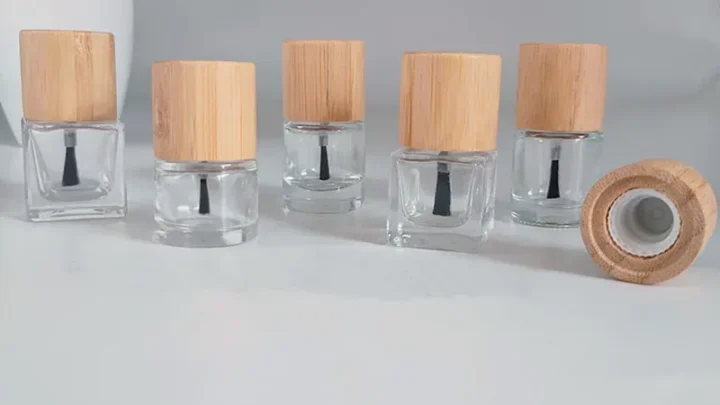
Your priorities are simple. You want minimal packaging. You want biodegradable packaging or refillable systems that you can reuse.
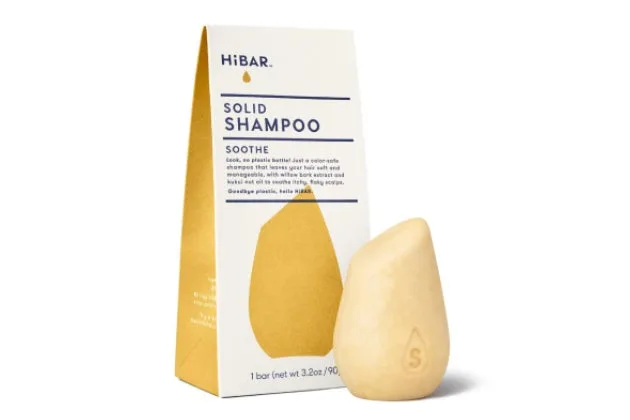
Your go-to products are waterless skincare items like solid cleansers and shampoo bars, or concentrates that come in aluminum bottles.
The trade-off? Waterless skincare can be finicky. Hard water makes bar soap leave a chalky film. Solid balms might not suit very oily skin types.
Also, some “compostable” packaging only breaks down in industrial facilities, not your home bin. Always check the label.
If you’re just starting, look at packaging first. Switch one product to a bar, or find a local refill station. You can also check out the broader eco-friendly skincare and hygiene essentials to see what swaps work best.
Branch 2: The Ingredient Detective (Sourcing & Chemistry-First Thinking)
You’re wary of greenwashing. You read INCI lists for fun. You care less about the bottle and more about what’s inside, and where it came from.
Your focus is on upcycled ingredients and regenerative sourcing. You want to know if the shea butter comes from a fair-trade cooperative. You look for brands that disclose their farms.
You also pay attention to the chemistry, because a high-focus formula with minimal water has a lower footprint.

The trade-off? This branch requires research. You have to decode marketing terms like “clean beauty,” which is not a regulated label.
You also need to understand that “natural” doesn’t equal “safe.” Poison ivy is natural. Your skin needs science, not just a nice story.
Look for certifications. USDA Certified Biobased tells you the content is derived from plants. Leaping Bunny confirms no animal testing. For ingredient safety, the EU Cosmetic Regulation is stricter than US rules, so a product made for the EU market is a good baseline. You can also explore green hygiene essentials for more sustainable sourcing tips.
Branch 3: The Budget Pragmatist (Cost-Per-Use & Refill-First Thinking)
You want to save money and the planet. You’ve realized that buying a new glass jar every month is expensive. Your focus is on long-term economics.
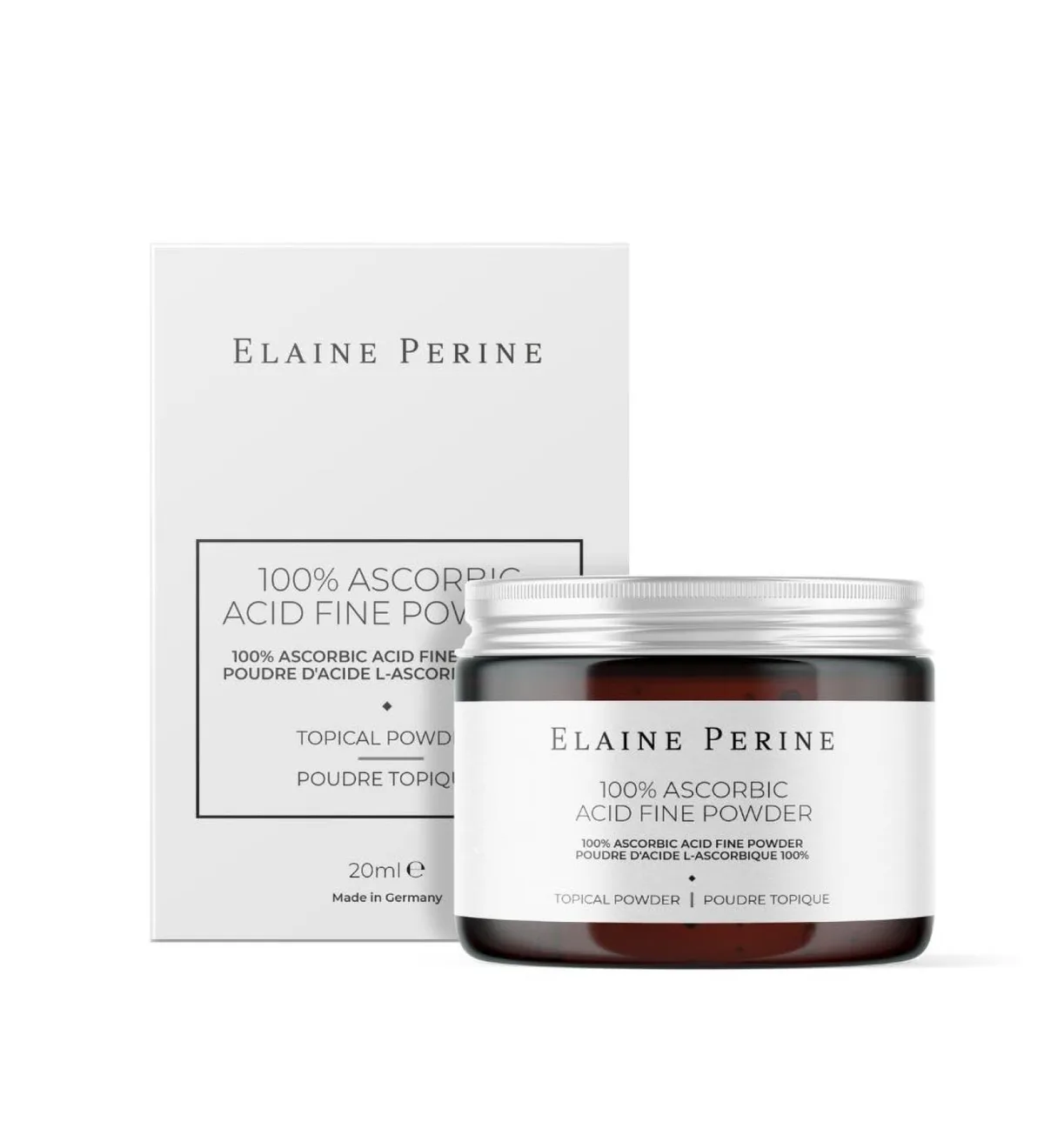
Refillable glass and personal care concentrates are your friends. Powders and tablets that you mix at home are typically cheaper per ounce than their pre-diluted counterparts. Why pay for water weight and shipping?
The trade-off? You have to do the math. A small refill pouch is lighter to ship, but if you order it online alone, the shipping emissions might negate the savings.
The “cheaper” option is only cheaper if you actually finish the product. A solid serum bar that you never use because you hate the texture is a waste of money.
Focus on cost per use, not cost per ounce. A $30 bar that lasts three months is better than a $15 bottle that lasts three weeks. Also, check the PAO symbol.
A product with “6M” means six months after opening. If you don’t use it that fast, you’re throwing money away.
Best Options for Each Skin Type and Lifestyle
Now that you know your branch, let’s match it to your skin. Not every format works for every face.
For Sensitive Skin
Your skin reacts to essential oils, fragrance, and certain preservatives. Look for fragrance-free formulas in waterless skincare formats. A basic, anhydrous balm with a short ingredient list is often the safest bet.
Check if the brand has undergone RIPT testing for irritation. Avoid “natural” products loaded with citrus oils.
For Oily or Acne-Prone Skin
Solid cleansers can leave a residue. You should look for waterless powder cleansers that you mix into a paste, or refillable systems with lightweight gel formulas. Watch out for comedogenic oils like coconut oil in balms, which can clog pores.
An oil cleanser is a double-edged sword for some skin types.
For Travelers
You live out of a suitcase. Your best bet is solid shampoo bars and solid moisturizers. They pass TSA security and don’t explode in your bag.
Bonus points if the bar comes in minimal, biodegradable packaging.
For Hard Water Households
Bar soap and hard water are a nightmare. You end up with a chalky film on your skin. You need formulas with chelating agents, or you should use a chelating rinse.
Alternatively, stick with liquid refillable systems that won’t react with the minerals.
If you’re moving from conventional products, be prepared for a transition period. Your skin may purge when switching from heavy creams to waterless oils. Give it time.
The Hidden Drawbacks Nobody Talks About
Sustainable skin care has a marketing problem. Brands make it look like there are zero downsides. That’s a lie.
Here are the realities that don’t fit the eco-friendly brochure.
Higher Upfront Cost. Refillable glass jars and aluminum bottles cost money. You’re paying for the vessel, not just the product. That’s a steep initial investment.
Shorter Shelf Life. Water-free products can oxidize. Natural emulsifiers separate. You might need to stir your moisturizer before each use.
You also have to be disciplined about finishing products before their PAO date.
Sourcing Issues. Some “natural” ingredients have terrible supply chains. Upcycled ingredients sound great, but if the brand sources them from halfway around the world, the carbon footprint is huge. Palm oil derivatives are everywhere, even in “green” products.
The DIY Trap. You see a recipe for a whipped body butter and think, “I’ll just make it myself.” But at-home mixing is risky. Without preservatives, your homemade cream can grow mold. Without precise measurements, you can irritate your skin.
Stick to commercial concentrates if you want to control ingredients safely.
Microwave Pollution. Some brands sell melting kits to turn old balms into new ones. Unless you sanitize the tools perfectly, you’re breeding bacteria. A skincare product that goes bad is a waste, no matter how “sustainable” the packaging is.
Red Flags and Greenwashing Traps to Avoid
Greenwashing is everywhere. Companies slap a leaf on the label and call it a day. Here are the specific things to watch for.
Vague claims. “Eco-friendly,” “planet-safe,” “green.” These are meaningless without a certification. Look for proof.
“Compostable” packaging. Check the fine print. Many compostable plastics need industrial heat to break down. They won’t degrade in your backyard bin.
Hidden plastic. A cardboard outer box might contain a plastic inner liner. A “biodegradable” label might refer to the formula, not the packaging. Read the material specs.
Carbon offset nonsense. A brand can buy cheap offsets and claim “carbon neutral.” That doesn’t reduce its actual emissions. Look for third-party verification like ClimatePartner.
“Free from” fear-mongering. “Paraben-free!” sounds great, but parabens are safe at regulated levels. Replacing them with higher concentrations of essential oils can cause more irritation. Understand that preservatives are necessary for safety in any product containing water.
The FDA allows specific preservatives at safe limits. Don’t fall for the fear.
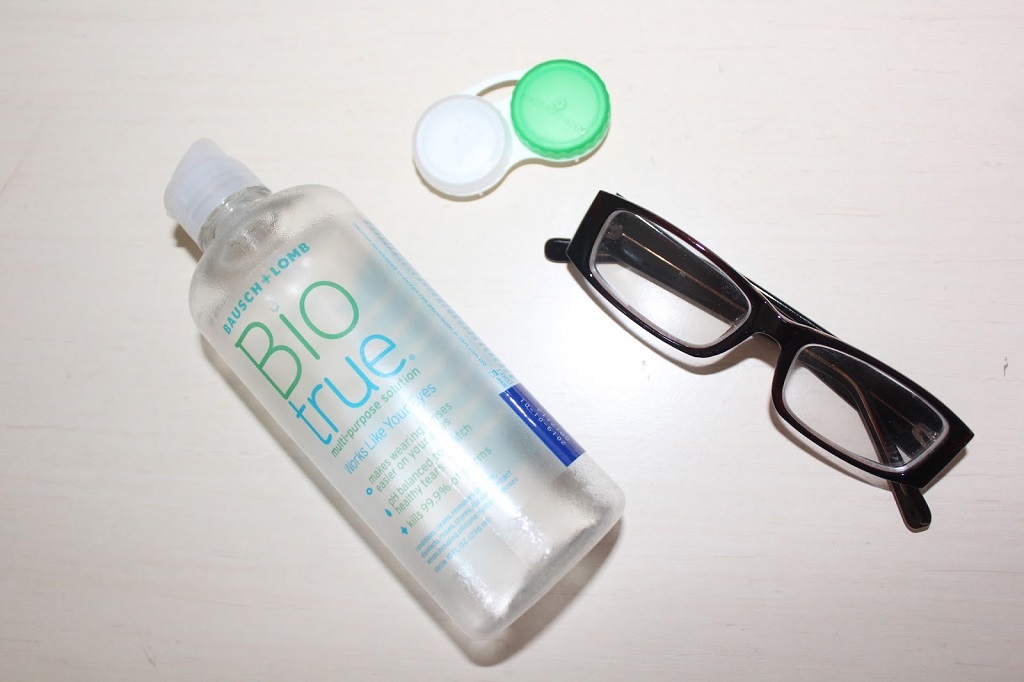
If you want a deeper dive into avoiding plastic waste in your routine, look at zero-waste options for contact lens wearers. Same logic applies to your cleanser selection.
How to Make the Switch Without Wasting What You Already Own
The most sustainable product is the one you already have. Finishing your current bottle before buying a refillable system beats tossing it in the bin today. That seems obvious, but the “all or nothing” mindset kills more eco-goals than any packaging choice.
Here’s the practical workflow. Use up your current cleanser. While you do, research your next option.
Check if the brand has a take-back program or if the bottle is actually recyclable in your area. Then make the swap one product at a time.
The gradual transition looks like this:
- Month 1: Replace your body wash with a solid bar
- Month 2: Swap your cleanser for a refillable system
- Month 3: Switch your moisturizer to a waterless balm or concentrate
This approach spreads the cost and lets your skin adjust. It also reveals which formats you actually enjoy using. A product that feels like a chore won’t last.
Prep your existing empties properly. Triple-rinse your bottles before recycling. Check the resin code on the bottom. Not all plastics are accepted curbside.
Some brands like Terracycle offer mail-in programs for hard-to-recycle items. You can find similar logic in the bamboo toothbrush head replacement guide, where swapping just the head reduces waste significantly.
Expert Tips for Long-Term Success
Sustainability is a habit, not a purchase. The people who stick with it treat it like a system, not a one-time cleanout.
Buy in bulk when you can. A larger container of moisturizer uses less packaging per ounce than three small jars. Same logic applies to concentrates that you dilute at home. Just check the PAO symbol to ensure you’ll use it before it expires.
Store your products correctly. Waterless balms and solid oils hate heat. Keep them below 77°F to prevent melting and rancidity. Humidity is equally bad, so keep bars out of the shower stream and let them dry between uses.
Pay attention to your water. Hard water affects how well bar cleansers foam and rinse. If you see a chalky residue, you have two options. Use a chelating rinse after cleansing, or switch to liquid refills.
Your skin shouldn’t feel stripped or filmy after washing.
Track your cost per use. Aggregate reviews show that most people abandon eco products because they feel expensive. But a solid serum bar that lasts three months beats a $40 liquid serum that lasts six weeks. Do the math before you judge.
Rotate less. A minimalist routine is more sustainable than a 10-step regimen. Fewer products mean fewer resources and less waste. If you’re looking to cut down, eco-friendly skincare and hygiene essentials has a solid starting list.
The 5-Minute Decision Guide
You don’t need a spreadsheet to figure this out. Answer these questions honestly, and the right path appears.
Question 1: What’s your biggest pain point?
If it’s the trash pile, go packaging-first. Look for refillable systems and waterless skincare. If it’s the ingredient list, go sourcing-first.
Look for upcycled ingredients and certifications. If it’s the price, go budget-first. Look for personal care concentrates.
Question 2: What’s your skin type?
Sensitive skin needs minimal, fragrance-free formulas. Oily skin should avoid heavy balms and comedogenic oils. Dry skin thrives on anhydrous waterless products.
Match the format to your skin, not just the marketing.
Question 3: What’s your access like?
Do you have a refill station nearby? Then in-store refills beat online shipping. Do you live rurally?
Then shelf-stable concentrates are your best bet. Choose a system you can actually maintain.
Question 4: What’s your tolerance for effort?
Some eco products require shaking, stirring, or warming. If you want zero effort, stick with refillable glass that works like a normal bottle. If you enjoy the ritual, a solid balm is fine.
| Question | If Yes | If No |
|---|---|---|
| Hate the trash? | Zero-waste bars | Refillable glass |
| Sensitive skin? | Short ingredient lists | Fragrance-free liquids |
| Tight budget? | Powders and concentrates | Premium refill jars |
| No local refill store? | Shelf-stable solids | Online refill pouches |
Common Mistakes and Troubleshooting
Mistake 1: Switching everything at once. Your skin freaks out because the microbiome is adjusting. Then you think eco products don’t work. Fix it by swapping one item every two weeks.
Mistake 2: Ignoring the PAO date. You buy a big jar of natural cream and it goes rancid in four months. You wasted money, and the packaging still ends up in the bin. Fix it by choosing smaller sizes if you don’t use products daily.
Mistake 3: Trusting “natural” labels. Poison ivy is natural. Essential oils can burn your skin. Fix it by checking for fragrance allergens and patch testing everything for 48 hours.
Mistake 4: Forgetting the shipping footprint. Ordering a single refill pouch online can generate more emissions than buying a full bottle locally. Fix it by bundling orders with other household items.
Mistake 5: Skipping the patch test. High-concentration actives in waterless formulas hit harder than diluted liquids. Apply a small amount to your inner forearm and wait 48 hours. Redness, itching, or bumps mean that product isn’t for you.
Mistake 6: Storing bars in the shower. Solid cleansers dissolve faster when they sit in water. Use a draining soap dish that keeps them dry between uses. A bar that melts away in two weeks is neither sustainable nor cheap.
Mistake 7: Overlooking refill logistics. Some brands require you to mail back empties before they’ll send a refill. Others use a subscription model that auto-ships. If the system is inconvenient, you’ll abandon it.
Choose a workflow you’ll actually follow.
Mistake 8: Chasing trends. “Waterless” is trending, but it’s not better for everyone. Same goes for upcycled ingredients. A product only helps the planet if you finish it.
Pick formats that match how you live, not what’s popular.
Frequently Asked Questions
How do I know if a brand is actually sustainable or just greenwashing?
Check for third-party certifications like USDA Certified Biobased, Leaping Bunny, or EWG Verified. These are harder to fake than a leaf logo. Then look for specific claims backed by data.
A brand that says “carbon neutral” should cite a verifier like ClimatePartner. If they just say “eco-friendly” without proof, that’s a red flag.
Is waterless skin care better for the environment?
Usually, yes, but not always. Waterless products weigh less and ship more efficiently, which cuts carbon emissions. They also need fewer preservatives, reducing chemical load.
However, if the waterless formula uses palm oil derivatives from non-certified sources, the environmental cost shifts elsewhere. Check the ingredient sourcing before assuming it’s greener.
How long does a shampoo bar or solid serum last?
Most brands claim 8 to 12 weeks with daily use. That’s comparable to a standard 250ml liquid bottle. The difference is you’re not paying for water weight.
Aggregate reviews show that proper storage is the biggest factor. Bars left in water dissolve twice as fast.
Can sustainable skin care work for sensitive skin?
Yes, but you have to read labels carefully. Look for fragrance-free formulas with short ingredient lists. Avoid essential oils, which are common irritants in “natural” products.
Stick with simple anhydrous balms or refillable systems from brands that disclose full formulations. Patch test everything first.
What’s the fastest way to make my routine more sustainable?
Finish what you already own. Once a bottle is empty, replace it with a refillable or waterless alternative. That’s the lowest-waste path you can take.
Trying to switch everything at once creates waste and burns out your motivation.

Similar Posts