How to Natural Organic Skin Care
Walk into any beauty aisle and you’ll see shelves stacked with products screaming “natural,” “organic,” and “clean.” But here’s the uncomfortable truth: the natural organic skin care market is a minefield of marketing jargon, unregulated claims, and genuinely great products hiding in plain sight. The word “natural” on a label tells you almost nothing about whether that product is safe, effective, or even remotely good for your skin.
In our research, we found that the global natural cosmetics market is projected to pass $25 billion by 2026, yet there’s still no single legal definition of “natural” in cosmetics under FDA regulations. Meanwhile, the USDA Organic seal, which you might recognize from your grocery store, only applies to certain agricultural ingredients in a formula. That gap between what brands imply and what regulations actually require is where consumers get burned.
Let’s cut through the noise and figure out what actually works, what’s worth your money, and what’s just expensive anxiety in a pretty bottle.
Quick Answer
Natural organic skin care uses plant-derived ingredients without synthetic preservatives, fragrances, or harsh detergents. It can benefit sensitive skin and reduce environmental impact. However, “natural” is unregulated and often misleading.
Always check the INCI list for allergens. Look for certified organic seals from USDA, COSMOS, or ECOCERT. Patch test new products for 48 hours before full application.
Why This Matters More Than You Think
The beauty industry runs on fear. Brands know that words like “chemical,” “toxin,” and “synthetic” trigger an emotional response, so they slap “natural” on everything from lipstick to sunscreen. The problem is that this marketing strategy has real consequences.
When you switch to a poorly formulated natural product, you might deal with breakouts, contact dermatitis, or worse, an infection from a preservative-free formula that’s gone bad.
Here’s what most people don’t realize: some of the most common allergens in skincare are botanical. Lavender oil, citrus extracts, and tea tree oil are all “natural,” yet they’re responsible for a significant number of allergic contact dermatitis cases reported to dermatology clinics. Meanwhile, synthetic ingredients like panthenol and certain preservatives are perfectly safe and often gentler.
The natural vs. synthetic binary is a false one, and buying into it can genuinely harm your skin.
The stakes go beyond your face. The cosmetics industry is notoriously under-regulated, and the “organic” label means different things depending on which country you’re in, what certifying body issued it, and whether the claim was even verified at all. Understanding the actual landscape protects you from both greenwashing and genuinely harmful products.
What “Natural” and “Organic” Actually Mean (And What They Don’t)
Let’s get one thing straight: in the United States, the FDA does not define or regulate the term “natural” for cosmetics. That means any brand can use the word, whether their product contains 100% plant extracts or 2% aloe water in a sea of synthetic fillers. The term carries zero legal weight.
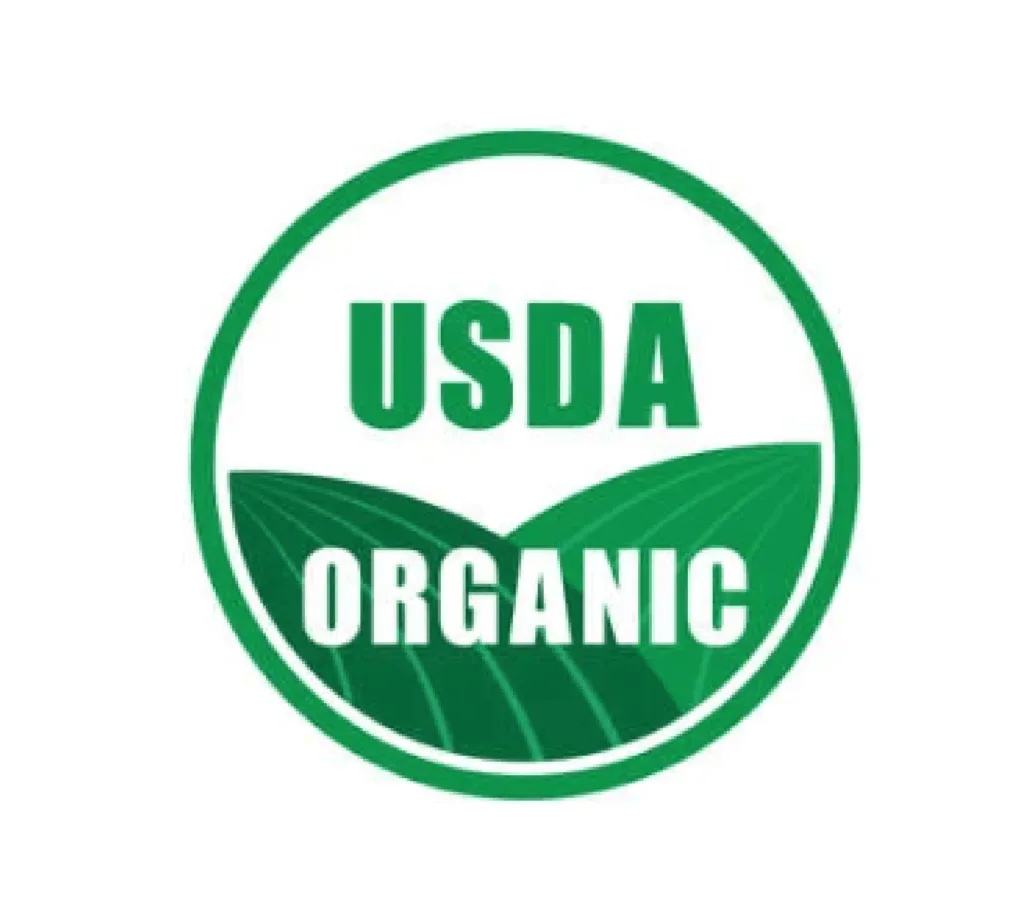
Organic is slightly more structured. The USDA National Organic Program certifies agricultural ingredients in cosmetics, allowing the familiar green USDA seal when at least 95% of the agricultural content is certified organic. However, this seal only covers the agricultural components, not the entire formula.
A product with the USDA seal could still contain synthetic preservatives and fragrances that don’t meet organic standards.
In Europe, the regulatory landscape is stricter. The COSMOS standard, developed collaboratively by ECOCERT, BDIH, Cosmebio, and Soil Association, requires that at least 95% of plant-based ingredients are organic and that certain prohibited ingredients, like parabens and synthetic fragrances, are absent. This certification also mandates transparent labeling, so you know exactly what percentage of the product is organic.
Certification Body | Organic Requirement | Key Restrictions | Who It’s Best For
—|—|—|—
USDA Organic | 95% of agricultural ingredients | No synthetics in those ingredients | US-based, grocery-store shoppers
COSMOS | 95% of plant-based ingredients | Bans parabens, phthalates, synthetic fragrance | EU and global brands
ECOCERT | 98% of plant-based ingredients | Strict packaging and production rules | Premium natural brands
Brands that skip third-party certification often justify it by saying the process is expensive or bureaucratic. Some of them make genuinely good products. Others use the excuse to hide questionable formulations.
Our advice: if a brand makes bold natural or organic claims but has no certification, demand transparency. Ask for their ingredient sourcing policy and preservative system. Legitimate brands are happy to explain.
The Allergen Trap: When “Natural” Hurts Your Skin
Here’s the paradox that confuses most consumers: natural ingredients are not inherently safer than synthetic ones. In fact, some of the most potent allergens and irritants in skincare come straight from nature. Essential oils are the prime culprit.
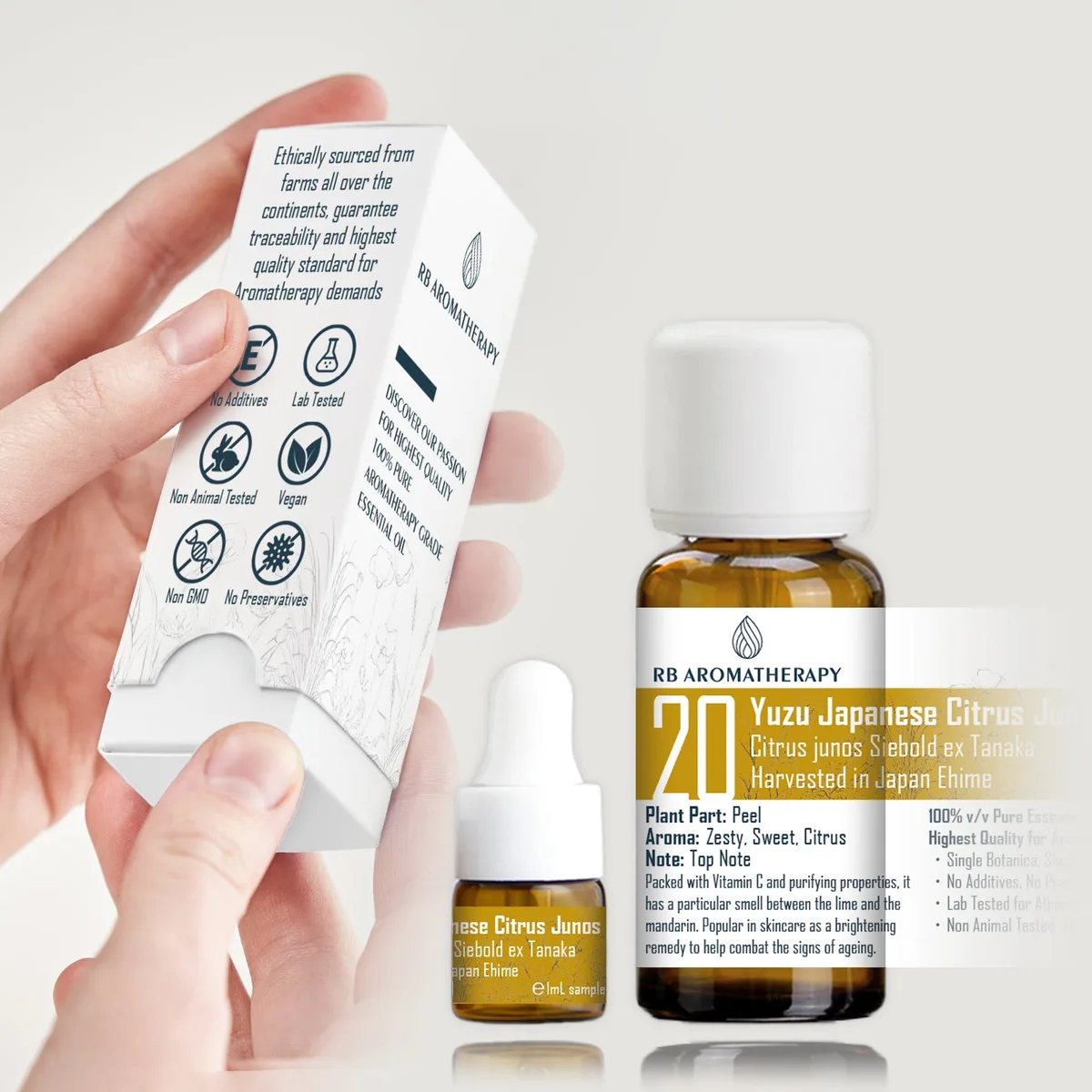
Linalool and limonene, found in lavender, citrus, and many other botanical oils, oxidize when exposed to air. The oxidized forms are strong sensitizers that can cause allergic contact dermatitis even in people who’ve used the product for months without issues. It’s not an immediate reaction either.
The immune system builds sensitivity over time, so you might develop a rash suddenly after using a product for a year.
Fragrance-free is not the same as unscented. A product labeled “unscented” can still contain masking fragrances, which are often synthetic. “Fragrance-free” means no fragrance ingredients were added, but the natural scent of the botanical components remains.
If you have sensitive skin, look for the phrase “fragrance-free” and scan the INCI list for essential oils anyway.
Other natural ingredients that cause disproportionate problems include tea tree oil, which can cause severe irritation and even chemical burns in some people, and arnica, which is fine on unbroken skin but becomes problematic on wounds. Butters and oils like coconut oil are comedogenic for some skin types, triggering acne breakouts in a significant percentage of users.
If you’re prone to eczema, rosacea, or perennial allergies, our advice is to be extra cautious with any product that lists essential oils in the first five ingredients. Patch test everything, even products from reputable organic brands. The most expensive certified organic serum can still ruin your skin barrier if it contains an allergen you’re sensitive to.
Natural isn’t a synonym for hypoallergenic, and treating it as such is a recipe for a painful, expensive setback.
The Real Benefits of Going Natural (And The Trade-Offs)
Let’s be fair to the natural skincare movement. It’s not all marketing hype. There are genuine, measurable benefits to choosing well-formulated plant-based products, and they’re worth understanding before you dismiss the entire category.
The most significant advantage is the reduction of harsh detergents. Many conventional cleansers use sulfates like sodium lauryl sulfate, which can strip the skin barrier and worsen conditions like acne and rosacea. Natural cleansers often use gentler botanical surfactants, like decyl glucoside, that clean effectively without destroying your acid mantle.
For people with dry or sensitive skin, this difference is night and day.
Natural products also tend to avoid synthetic fragrances and dyes, which are two of the most common causes of cosmetic allergies. If you’ve never been able to identify what’s triggering your redness or itching, switching to a fragrance-free natural routine might actually solve the mystery.
The environmental impact matters too. Sourcing ingredients from renewable plant sources, using biodegradable formulations, and avoiding palm oil derivatives can reduce your personal carbon footprint. A 2024 study in the Journal of Cleaner Production found that certain plant-based cosmetic ingredients had significantly lower environmental impacts compared to their petroleum-derived counterparts.
But the trade-offs are real, and they’re significant. Natural preservatives like grapefruit seed extract and rosemary oil are less effective than synthetic options like phenoxyethanol. That means water-based natural products have shorter shelf lives and a higher risk of bacterial or fungal contamination.
The FDA and European health authorities have documented recalls of natural products contaminated with pathogens, including a notable 2023 recall of a popular organic moisturizer due to mold growth.
Natural products also often perform differently in terms of texture and stability. Plant-based emollients can feel heavier or greasier, and natural emulsifiers sometimes break down at high temperatures, causing the product to separate in your bathroom cabinet. The “high-performance” natural sunscreen category has been a particular struggle, as many plant-based UV filters are photounstable and degrade quickly in sunlight.
Our judgment after reviewing dozens of clinical studies and consumer reports: natural skincare is an excellent choice for people with sensitive skin, environmental concerns, or a preference for minimalist routines. It is not automatically a better choice for your skin. The efficacy of your skincare depends far more on the active ingredients, formulation technology, and how well the product matches your skin type than on whether it came from a plant or a lab.
How to Read Labels Like a Dermatologist
The average person reads a skincare label for about four seconds, looking for two or three ingredients they recognize, then makes a purchase decision. Dermatologists and cosmetic chemists read those same labels completely differently, and once you learn their system, you’ll never shop the same way again.
Start with the INCI list, which stands for International Nomenclature of Cosmetic Ingredients. This is the standardized ingredient list that appears on every cosmetic product sold in the US and EU. The list is ordered by concentration, with the highest percentage ingredient listed first.
If an ingredient appears after the 1% mark, it’s more of a marketing claim than an active agent. Water, or aqua, is typically first, so beware of expensive serums that are mostly water with a drop of botanicals added for label appeal.
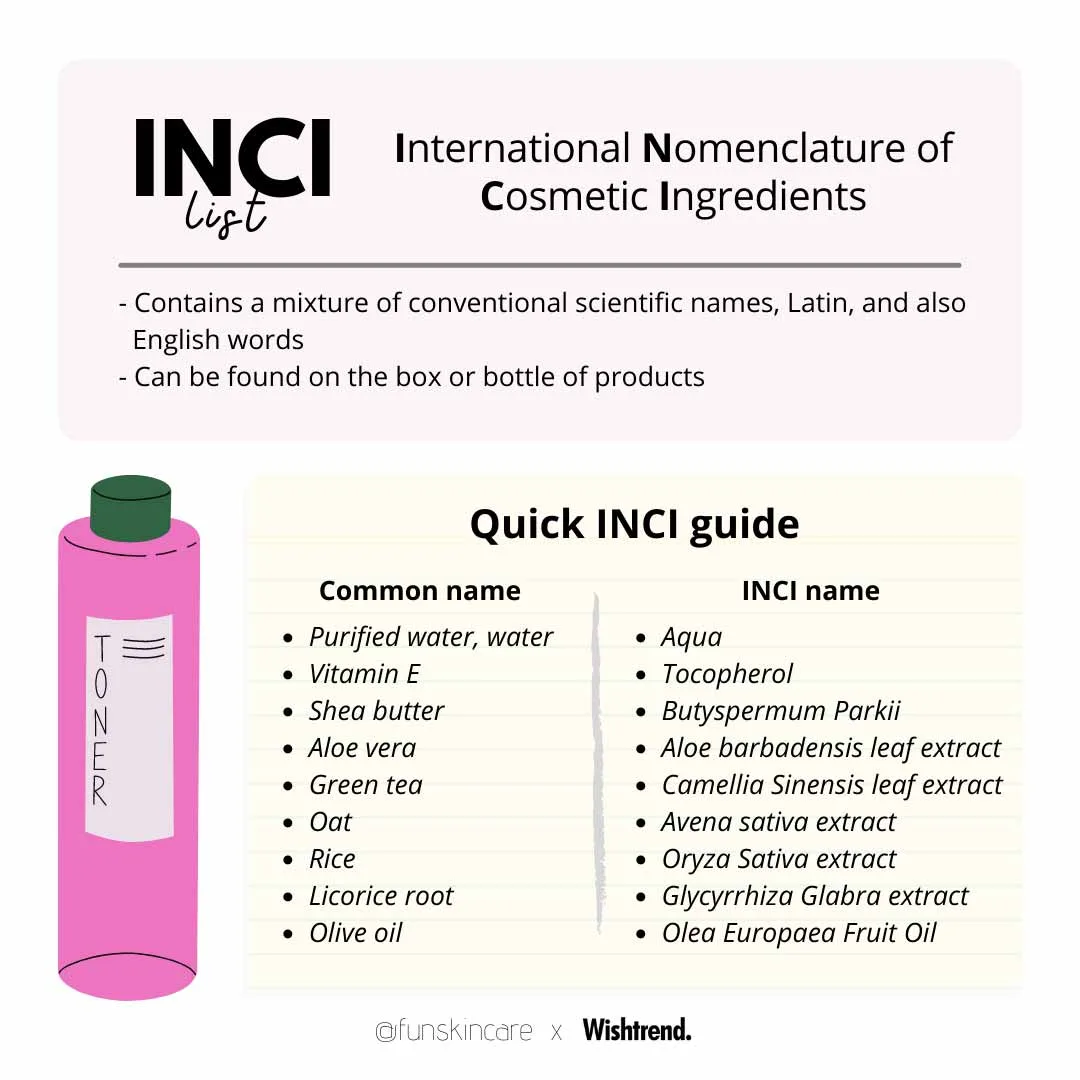
Here’s a practical decoding method:
- Look up every ingredient you don’t recognize on the INCI list via the database at the FDA or the EU’s Cosmetic Ingredient Database.
- Check the comedogenic rating of carrier oils. Ratings of 3 to 5 indicate a high likelihood of clogging pores.
- Verify the preservative system. Any water-based product without an effective preservative is a red flag.
- Count the number of essential oils and botanical extracts. Each one is a potential allergen, so more is not better.
- Trust but verify claims like “clinically proven” or “dermatologist tested.” These terms have no standardized meaning without clinical data you can actually access.
Scrutinized product claims independently. Some natural brands cite in-house studies that are never peer-reviewed, and the language tricks consumers into thinking they’ve read verified research. Look for formulations backed by published studies or transparent clinical data.
One practical tip: purchase products in opaque, airtight pumps or tubes rather than jars. Every time you dip your finger into a jar, you introduce bacteria and water, which accelerates microbial growth and breakdown of the formula. A 2024 industry report noted that preservative-free products packaged in open jars had a significantly higher contamination rate than same-formula products in sealed pumps.
You don’t need a chemistry degree to choose good skincare. You just need to know what to ignore, what to verify, and what your specific skin actually needs. The label is the only honest tool you have, so use it.

Similar Posts