Compostable Plate Disposal: The Right Way
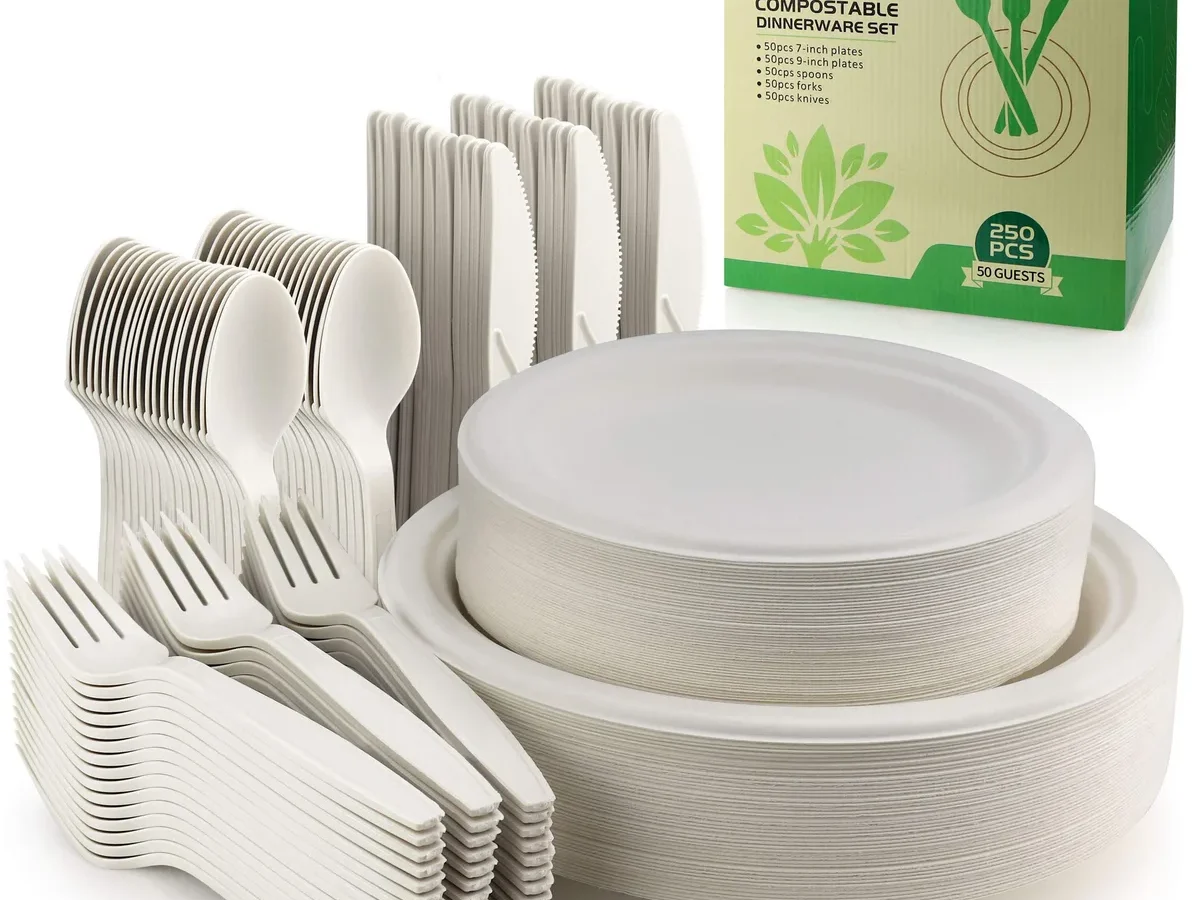
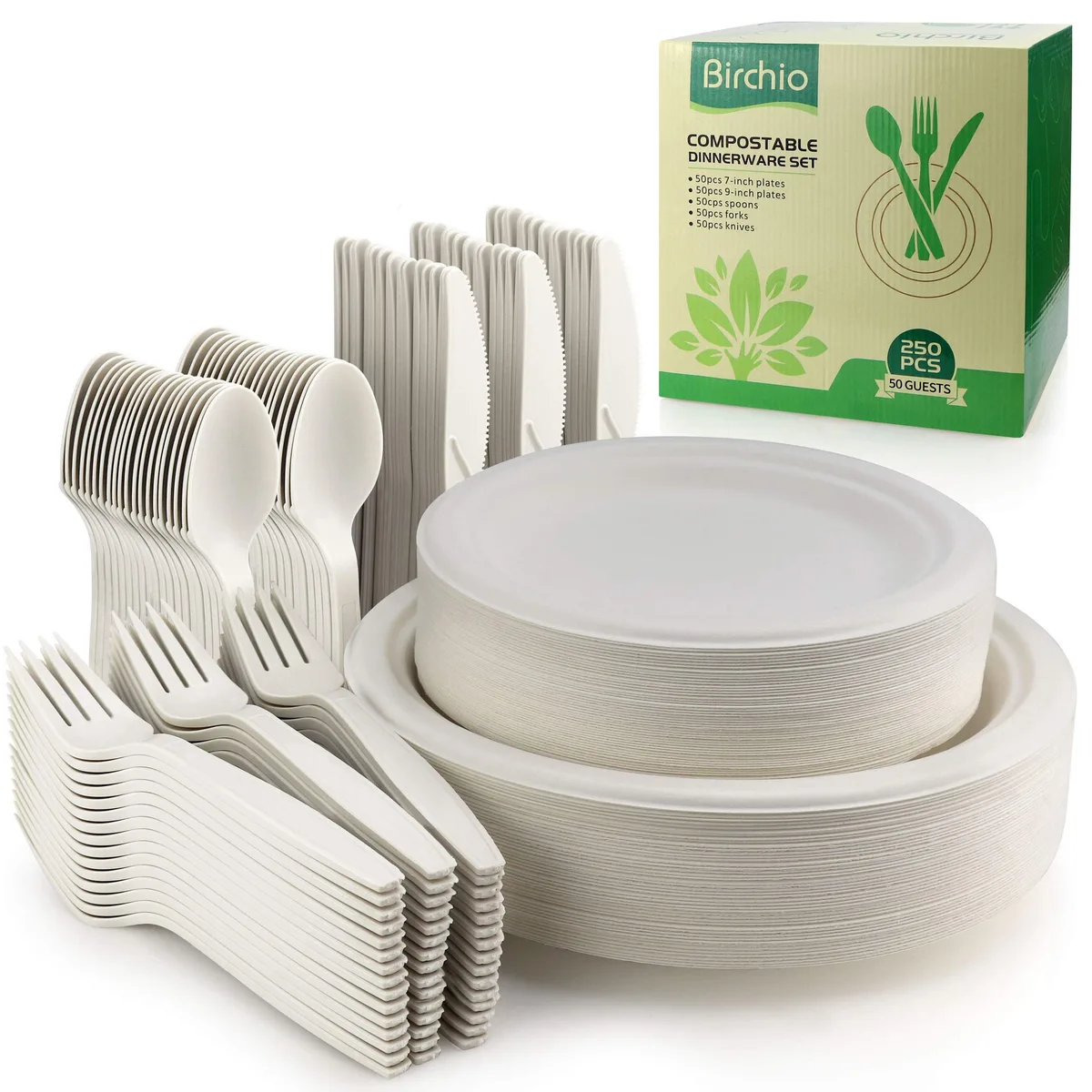
So you threw a great party, and now you’re staring at a mountain of leftover plates that claim to be “compostable.” The question of how to dispose of compostable party plates is more complicated than the packaging suggests. You can’t just toss them in any bin and call it a day, because the wrong choice can ruin a backyard compost pile or contaminate an entire municipal recycling load.
Here’s the reality: most compostable plates are designed for industrial facilities, not your garden. As of 2026, the dominant standard remains ASTM D6400, which certifies materials for commercial composting at high temperatures. That’s a critical distinction, because a home pile rarely reaches those conditions.
Let’s break down exactly what to do with those plates so you’re helping the planet, not just feeling good about it.
Quick Answer
Check your plate’s material and your local waste system. If you have municipal composting, scrape off food and toss them in the green bin. If you compost at home, only uncoated fiber plates like bagasse or palm leaf belong in the pile, and they must be shredded first.
PLA bioplastic needs industrial heat. If you’re unsure, use the trash bin.
Why “Compostable” Doesn’t Mean “Toss It in the Bin”
The word “compostable” has become a marketing buzzword, and it’s causing real confusion. A plate can be certified compostable under industrial standards while still acting like plastic in a backyard pile. The difference comes down to heat, time, and the specific microbes required to break down different materials.
Industrial composters run at 130 to 160 degrees Fahrenheit for weeks. That sustained heat is what breaks down tough plant fibers and bioplastics like PLA. Your backyard pile, by contrast, rarely climbs above 140 degrees, and even then, only for short bursts.
Without that consistent high temperature, materials like PLA simply sit there.
The term “biodegradable” makes this worse. It’s a vague marketing claim with no federal standard behind it. If you see that word on a plate without a specific certification like BPI or TÜV Austria, assume it won’t compost at all.
First Step: Identify What Your Plate Is Actually Made Of
Before you dispose of anything, flip that plate over and look for stamps. That’s your first clue about where it belongs.
Material breakdown:
| Material | Feels Like | Home Compost Friendly? | Industrial Compost Friendly? |
|---|---|---|---|
| Sugarcane bagasse | Cardboard, fibrous | Yes, if shredded | Yes |
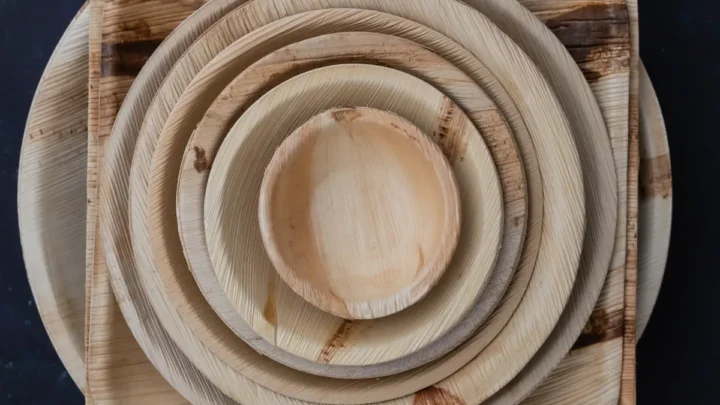
| Palm leaf | Thick, textured wood | Yes, if shredded | Yes |
| PLA bioplastic | Smooth, plastic-like | No | Yes |
| Coated paper | Glossy, waxy | No | Sometimes |
Most compostable plates fall into two categories: fiber-based or bioplastic. Fiber plates from bagasse or palm leaf break down fairly well even at home. PLA plates, which look and feel like traditional plastic, require industrial processing.
Coated paper plates usually have a plastic lining that makes them useless for any compost pile.
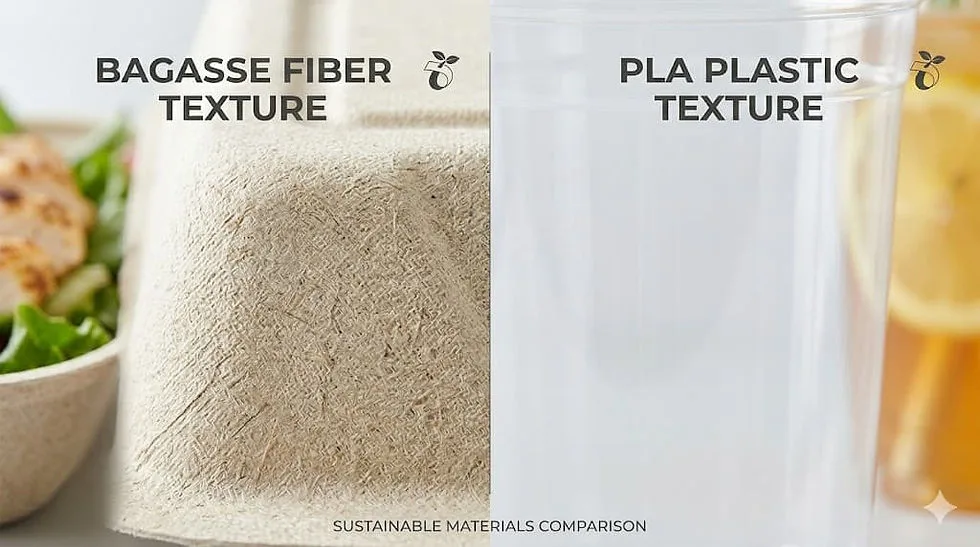
Here’s a quick test if you’re unsure. Tear the corner of the plate. If the edge looks like tiny pulp strands, it’s fiber-based and safe for a warm home pile.
If it stretches or looks like cut plastic, it’s PLA. That single test will save you from ruining your compost batch.
The Decision Tree: Where Should Your Plates Go?
Now that you know the material, here’s how to route each plate correctly. It’s an if-then process, not a guess.
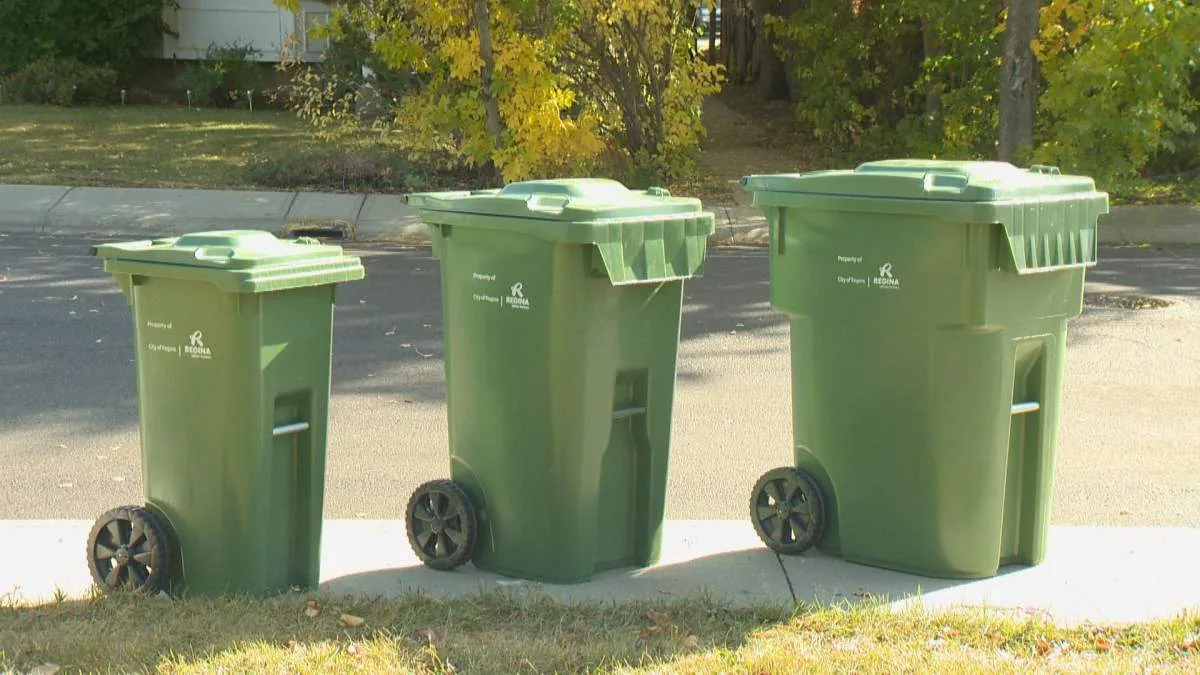
If you have municipal green bin service: You’re in the best position. Industrial facilities can handle nearly every certified compostable plate, including PLA. Scrape off large food chunks, stack the plates, and drop them in the green bin.
No need to rinse them perfectly. The heat and mechanical agitation do the heavy lifting.
If you compost at home: Only fiber-based plates belong in your pile. Shred them into small pieces first, then mix them thoroughly with green materials like grass clippings or vegetable scraps. Expect six to twelve months for full breakdown.
PLA plates will not decompose in a home pile, so route them to the trash instead.
If you only have a trash bin: This feels wrong, but it’s often the better choice. A PLA plate in a home compost pile contaminates the whole batch. In a landfill, it acts like a sponge and may trap methane.
But it won’t leach microplastics like a traditional plastic plate would. When your only options are contamination or landfill, landfill wins.
Common Disposal Mistakes That Ruin Compost Piles
Let’s talk about the mistakes that kill compost piles and contaminate municipal loads. These are the issues we see constantly in our research.
The wish-cycling problem. You want to be eco-friendly, so you toss compostable plates into the recycling bin. That’s a disaster. Compostables contaminate recycling streams and can ruin an entire batch of otherwise recyclable materials.
Check your local rules before dropping anything in a recycling bin.
Treating PLA like paper. PLA bioplastic looks like clear plastic and stretches like it too. Many people assume it’s just a stronger paper product. It’s not.
Without industrial heat, PLA takes years to break down. One PLA plate in your backyard pile will still be there, fully intact, long after the rest of the pile has turned to soil.
Ignoring the coated paper trap. Some plates look like uncoated cardboard but have a thin plastic lining. That glossy finish is usually polyethylene, which never composts. If you see a shiny coating at the tear point, that plate belongs in the trash.
Piling wet plates on top. If you toss a stack of food-soaked fiber plates into a small tumbler, they mat together. That dry wad blocks airflow and slows down the whole pile. Always shred fiber plates and mix them into the pile’s center rather than leaving them on the surface.
For parents managing a busy household, these details matter even more. If you’re packing lunches or hosting kids’ parties, knowing which disposables are worth buying saves you cleanup headaches. The same eco-conscious approach that guides your other product choices applies here too.
How to Compost Plates at Home (If You’re Going to Do It)
If you have a backyard pile and want to compost fiber plates, you absolutely can. But you need to follow a few rules to make it work.
Preparation is everything. Rip or cut the plates into pieces no bigger than a coin. This increases the surface area for microbes to attack. A whole plate can take a year to break down.
A shredded plate can disappear in a few months.
Balance is key. Fiber plates are carbon-rich materials, like cardboard or dry leaves. They need nitrogen to break down properly. Mix them with grass clippings, vegetable peels, or coffee grounds.
The ideal carbon-to-nitrogen ratio is roughly 30 to 1, but you don’t need to measure it perfectly. Just make sure you’re adding equal parts green and brown materials.
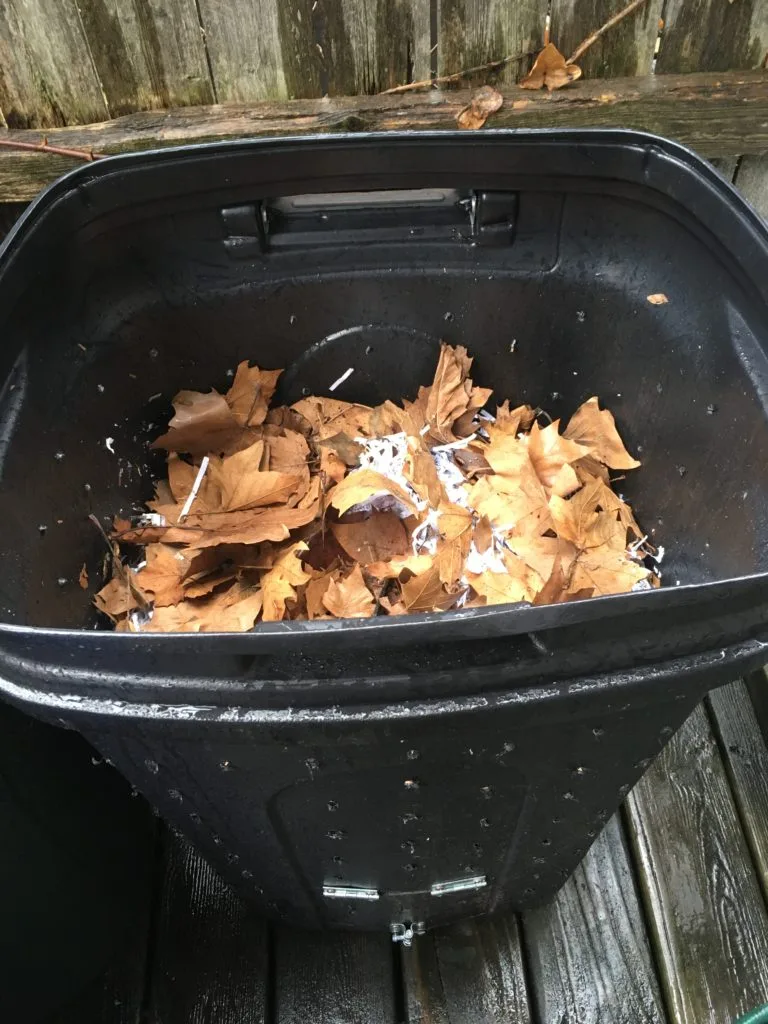
Patience is required. Even with proper shredding and mixing, fiber plates take six to twelve months in an active pile. That’s normal. If you want faster results, consider building a dedicated hot compost pile that reaches 140 degrees or higher.
This approach aligns well with other sustainable home habits you might already practice.
Watch for warning signs. If your pile starts smelling like rotten eggs, it’s too wet. Turn it and add dry brown materials. If you see fruit flies, bury the plates deeper.
A properly managed pile doesn’t smell bad.

Similar Posts