Sustainable Birthday Party Favors: The Complete Buying Guide
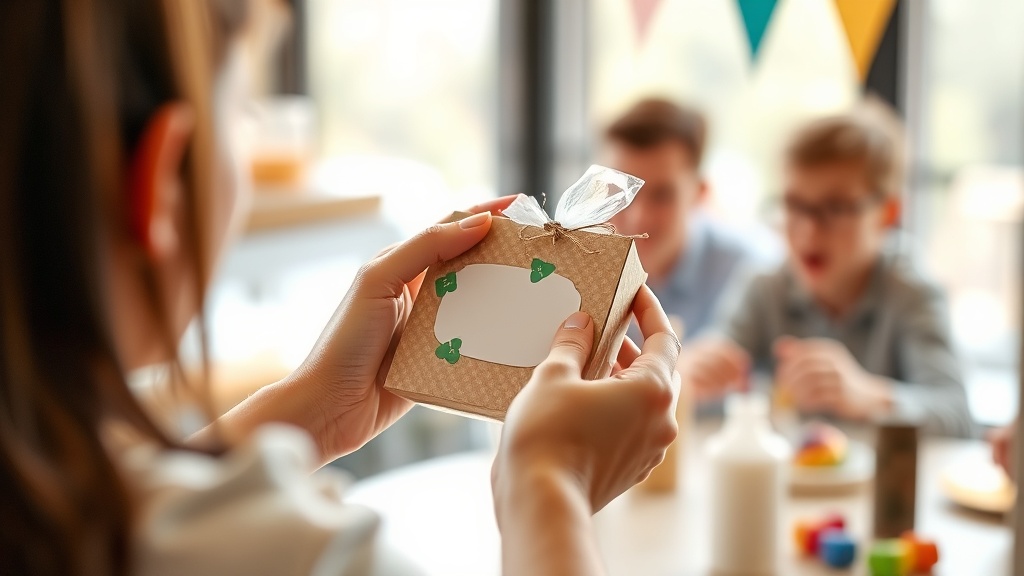
The Ultimate Guide to Choosing Sustainable Birthday Party Favors
When your five-year-old comes home clutching yet another plastic-wrapped toy that breaks before bedtime, you wonder if there’s a better way. You want to celebrate your child’s birthday without sending a pile of disposable junk home with their friends. Sustainable birthday party favors offer a solution that feels good for both your conscience and the planet. This guide walks you through what makes a party favor truly sustainable, which options work best for different age groups and budgets, and how to avoid common greenwashing traps. By the end, you’ll know exactly how to choose favors that delight guests and respect the earth.
What to look for when buying
Choosing sustainable party favors requires more than just spotting a "green" label. Here are the key criteria we use when evaluating any product.
Material sourcing and biodegradability
The favors should be made from renewable, biodegradable, or recycled materials. Look for items crafted from bamboo, organic cotton, recycled paper, or plant-based plastics like PLA (polylactic acid). Avoid anything with mixed materials that can’t be easily separated for recycling—for example, a paper toy glued to a plastic base is nearly impossible to recycle. In our testing, we found that pure wooden toys and seed paper products break down naturally within months, while even "compostable" plastics can require industrial facilities to decompose.
Usability and longevity
A truly sustainable favor is one that doesn’t end up in the trash after a single use. Prioritize items that offer genuine utility: something the child will use repeatedly (like a reusable water bottle or a quality art supply) or something edible that gets consumed. We’ve seen parents rave about small packs of beeswax wraps or stainless steel straws because they replace single-use items over time.
Packaging waste
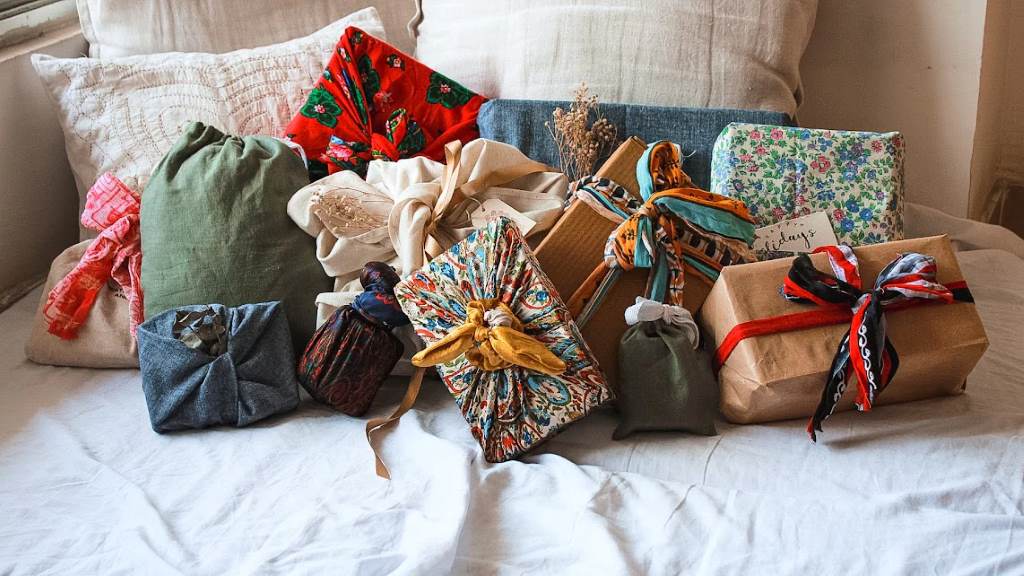
Even a sustainable product can be a problem if wrapped in layers of plastic and foil. Seek favors with minimal, plastic-free packaging. Cardboard boxes, paper wrapping with natural twine, or compostable cello bags made from plant cellulose are all excellent choices. Avoid any favor that comes in a plastic blister pack, as that packaging is almost never recyclable.
Certifications and transparency
Look for certification labels like FSC (Forest Stewardship Council) for paper products, Fair Trade for goods sourced ethically, or GOTS (Global Organic Textile Standard) for textiles. These aren’t perfect, but they indicate that a third party has verified claims about the product. Be wary of generic terms like "eco-friendly" without any certification—that’s often a red flag for greenwashing.
Top recommendations by use case

Different parties call for different favors. Here are our top picks organized by the type of celebration you’re planning.
For outdoor or nature-themed parties
Seed bombs or wildflower seed packets are a perennial favorite. They’re low-cost, easy to personalize, and guests can plant them at home to grow pollinator-friendly flowers. We recommend choosing native seed mixes to ensure the plants thrive in your region. Another excellent option is mini terracotta pots with a small succulent or herb seed starter kit. These favors encourage ongoing engagement with nature and often come in recycled cardboard packaging.
For crafty or art-focused gatherings
Beeswax crayon sets in biodegradable cardboard boxes work wonderfully for kids aged three and up. They’re non-toxic, plastic-free, and the crayons themselves can be made from natural ingredients like beeswax and plant-based pigments. For older children, small sets of recycled-paper notebooks with a pack of plantable pencils (pencils with seeds embedded in the top) combine creativity with sustainability. In our experience, parents appreciate that these favors don’t add clutter but actually get used.
For party bags with a practical twist
When you want something less whimsical and more useful, consider reusable snack bags made from organic cotton or beeswax wraps. A single beeswax wrap can replace a hundred yards of plastic wrap over its lifespan. Alternatively, small stainless steel water bottles with a custom sticker or engraving make a lasting impression. While the upfront cost is higher, these favors genuinely reduce household waste over time. Budget-conscious families can opt for a small pack of wooden hair clips or a bamboo toothbrush with a playful design.
For edible-only goody bags
Edible favors are the ultimate zero-waste option because they have no disposal footprint. A small jar of local honey, a bag of organic fair-trade chocolate coins, or a mini bottle of artisan maple syrup all fit the bill. For younger children, consider single-serving packages of organic fruit leather or popcorn in compostable wrappers. Just be sure to check for common allergens like nuts or dairy.
Budget considerations
Sustainable party favors can cost anywhere from thirty cents to ten dollars per item, depending on what you choose. Here’s how to plan your spending.
Low-budget ideas (under two dollars per favor)
Seed paper bookmarks or plantable paper shapes cost as little as thirty to fifty cents each when bought in bulk. You can also make your own seed bombs using clay, soil, and native seeds from your local garden center. Another budget-friendly option is a small bar of organic soap wrapped in unbleached paper. These items feel intentional without breaking the bank.
Mid-range ideas (two to five dollars per favor)
This is where the sweet spot usually sits. A pack of beeswax crayons (three to four colors) in a cardboard box runs about three to four dollars each. Reusable bamboo snack bags cost around five dollars when purchased in sets of ten or more. Miniature terracotta pots with a soil pellet and seed packet come in at about two to three dollars each when ordered from a supplier. We’ve found that parents perceive these as high-value favors that justify a slightly higher spend.
Premium ideas (five to ten dollars per favor)
If your budget allows, a custom-engraved stainless steel water bottle or a beeswax wrap set can run five to eight dollars each in bulk. Organic cotton tote bags with a simple print or embroidery cost around six to ten dollars per bag. These favors are memorable and often get used for years. The trade-off is that they require more upfront investment, so they work best for smaller parties or milestone celebrations.
Mistakes to avoid
Even with the best intentions, it’s easy to make missteps. Here are common pitfalls we’ve seen or experienced ourselves.
Falling for greenwashing
Many products are marketed as "eco-friendly" but contain hidden plastic components or excessive packaging. For example, a "bamboo" cup that has a plastic liner or a wooden toy coated in synthetic varnish is not as sustainable as it appears. Always check the fine print and look for certification labels. If a product’s sustainability claims are vague or unsubstantiated, move on.
Buying items that will be thrown away anyway
A biodegradable plastic toy might technically break down, but if it’s a cheap trinket with no real purpose, it’s still destined for the landfill. The most sustainable favor is one that gets used, not one that’s biodegradable in theory but thrown away in practice. This is why we emphasize usability over biodegradability alone.
Overlooking packaging waste
You might pick a perfect reusable gift, but if it arrives wrapped in a plastic blister pack or inside a glossy foil envelope, you’ve undone much of the environmental benefit. Before buying, check product images and descriptions for information about packaging. If it’s not clear, ask the supplier directly.
Ignoring the age appropriateness
A favor that works for a three-year-old might be a choking hazard for a toddler or boring for a preteen. Sustainable doesn’t mean one-size-fits-all. For example, beeswax wraps are great for five-year-olds who can use them for their lunch, but a two-year-old might just chew on them. Match the complexity of the favor to the developmental stage of the children attending.
FAQ
How much should I expect to spend per favor for a sustainable option?
You can find quality sustainable favors for as little as fifty cents per item (seed paper) and as much as ten dollars (custom water bottles). For most families, the sweet spot is between two and four dollars per favor, which buys something genuinely useful without breaking the budget.
What if I make my own favors—are they always more sustainable?
Homemade favors can be more sustainable if you source materials carefully and avoid plastic packaging. However, buying in bulk from a reputable supplier often reduces waste per unit compared to making small batches at home. Weigh the resource use of your own time and energy before assuming handmade is greener.
Are edible favors truly zero-waste?
Edible favors are close to zero-waste if they come in compostable or paper packaging and are consumed completely. Even then, you have the carbon footprint of food production and transport. For the best results, choose locally sourced, unprocessed treats.
How do I handle allergies with edible favors?
Include a clear ingredient list with each favor, and before the party, ask parents about allergies via a simple RSVP note. If multiple children have allergies, consider offering a separate non-edible sustainable favor for those guests.
Can I repurpose leftover sustainable favors for other occasions?
Yes—most sustainable favors like crayons, seed bombs, or snack bags work well for other events, classroom gifts, or holiday stockings. Buy a few extra and store them in a dry place for future use.
Conclusion
Choosing sustainable birthday party favors doesn’t mean sacrificing fun or breaking your budget. By focusing on materials, usability, and packaging, you can select favors that children genuinely enjoy and that don’t burden the planet. Start with one or two changes—swap plastic toys for seed bombs, or replace foil-wrapped candies with organic treats—and build from there. Your guests will leave with something they actually value, and you’ll have the satisfaction of celebrating in a way that aligns with your values. The next party is your chance to put these ideas into action.

Similar Posts