Eco-Friendly Party Cups: 10 Best Sustainable Picks
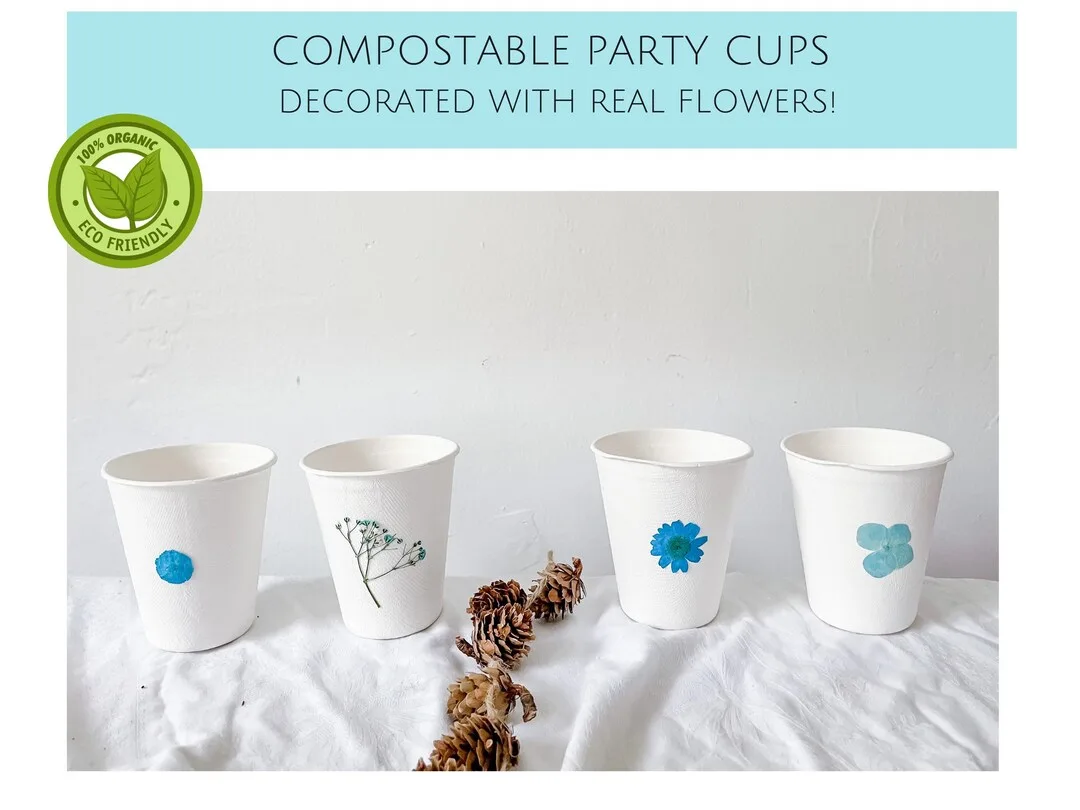
You’ve got a backyard full of guests, a cooler full of drinks, and a stack of cups that claim to be “eco friendly.” But here’s the thing: not all green cups are created equal, and some of them won’t break down anywhere except a specialized facility you’ve never heard of. Choosing the right eco friendly party cups isn’t just about grabbing the bag with leaves on the label. It’s about matching the cup to your event, your guests, and most importantly, your local waste system.
As of 2026, the market has settled into four main categories: compostable plant-based cups, traditional paper, reusable plastic, and molded fiber options like bamboo or sugarcane. Each comes with real trade-offs in durability, cost, and actual environmental impact. This guide breaks down what actually happens to each cup after the party ends, so you can pick the one that truly fits your situation.
Quick Answer
The best eco friendly party cups depend on your waste setup. If you have access to industrial composting, choose certified compostable cups made from PLA or bagasse. If you don’t, reusable plastic cups are the greener choice.
Compostable cups in a landfill break down slowly without oxygen. Paper cups are only eco-friendly if unlined. Check for BPI or TUV certification before buying.
Why Choosing the “Green” Cup Isn’t as Simple as It Looks
Here’s the uncomfortable truth: a cup labeled “biodegradable” doesn’t automatically mean it’s good for the planet. Most plant-based cups are made from polylactic acid (PLA), which comes from corn or sugarcane. That sounds great on paper.
But PLA only breaks down properly in industrial composting facilities, where temperatures reach around 140°F for extended periods. Your backyard compost pile won’t cut it. Neither will a landfill, where oxygen is scarce and decomposition happens slowly, if at all.
That’s why the certification matters more than the marketing. The Biodegradable Products Institute (BPI) and TUV Austria are the two most recognized certifiers for compostable products in North America and Europe. When a cup carries the BPI logo, it has passed testing that confirms it will disintegrate and biodegrade within 180 days in a commercial facility.
Without that logo, “compostable” is just a word.
Manufacturer specifications also tell a story. Many PLA cups are rated for cold drinks only, with a maximum heat tolerance around 110°F. Pour hot coffee into one and you’re not just risking a leaky cup, you’re also dealing with potential structural failure within minutes.
Meanwhile, bamboo fiber cups can handle hotter liquids, but they’re often thicker and more expensive per unit.
Then there’s the question of lids. A compostable cup with a petroleum-based plastic lid isn’t fully compostable. Check the lid material too, or the whole system falls apart.
The 4 Real Contenders: Compostable, Paper, Reusable, and Plant-Fiber
Let’s walk through the main options so you understand what you’re actually buying. Each has strengths and weaknesses that matter depending on the event you’re hosting.
Compostable Plastic Cups (PLA)
These look and feel like traditional plastic cups but are made from fermented plant starch. They’re sturdy, clear, and great for cold beverages, including beer and soda. The catch is the disposal requirement.
They need an industrial composter to break down in a reasonable timeframe. If your city doesn’t offer commercial composting pickup, these cups will end up in a landfill, where they behave much like regular plastic. Aggregate reviews report they hold up well for a few hours of party use, but they’re not designed for hot liquids or long-term reuse.
Unlined Paper Cups
Standard paper cups without a plastic or PLA lining are the simplest option. They’re lightweight, inexpensive, and can be composted at home if they’re truly unlined. The problem is that most paper cups you find at party stores have a thin polyethylene lining to prevent leaks.
That lining makes them non-compostable and non-recyclable in most municipal systems. Look for cups labeled “unlined” or “home compostable” and check the ingredients list. Wax-coated cups are an older alternative, but the wax is often petroleum-based.
Unlined paper cups also get soggy quickly with ice water, so they’re best for short events.
Reusable Plastic Cups
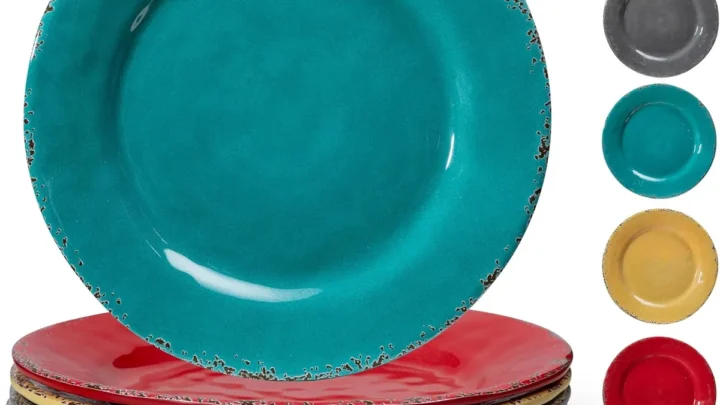
Don’t overlook the old standby. Heavy-duty reusable cups made from polypropylene or Tritan can be washed and used dozens of times. While they’re made from plastic, their environmental footprint per use drops dramatically after roughly ten to twenty events.
If you host parties regularly, these are often the most sustainable choice. They’re also the most durable option for outdoor gatherings where cups get knocked over or dropped. The downside is the upfront cost and the need for a washing station at your event.
Molded Fiber Cups (Bamboo, Sugarcane, Palm Leaf)
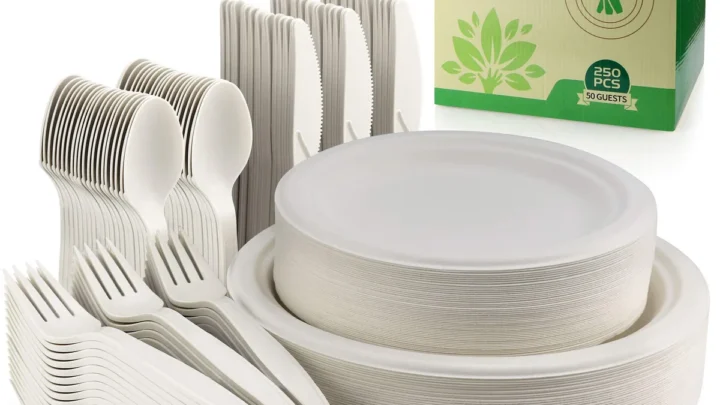
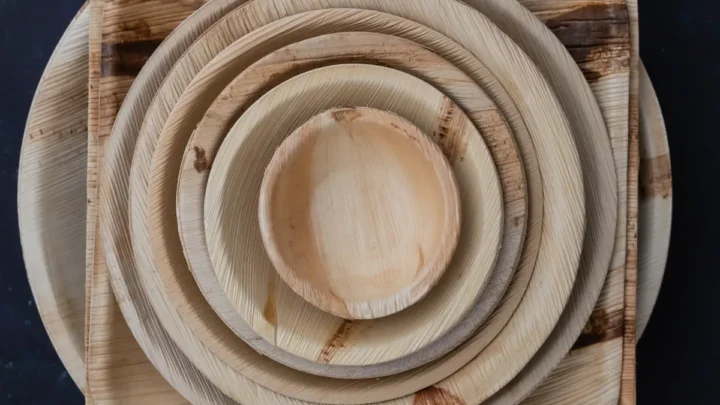
These cups are made from agricultural byproducts like sugarcane bagasse, bamboo, or pressed palm leaves. They have a natural, earthy look that’s popular for weddings and upscale events. Most are certified compostable in industrial facilities, though some thinner models can handle home composting.
They’re rigid and can handle hot and cold liquids depending on the specific product. The trade-off is texture, some people find the rim slightly rough, and the price point runs higher than paper or PLA. They’re also single-use, so they don’t offer the long-term savings of reusable options.
Side-by-Side Comparison: What You’re Actually Paying For
To make this easier to digest, here’s a direct comparison of the four main options based on cost, durability, and disposal requirements. These are typical ranges from bulk party suppliers as of 2026.
| Feature | PLA Plastic | Unlined Paper | Reusable Plastic | Molded Fiber |
|---|---|---|---|---|
| Price per cup | $0.10–$0.20 | $0.05–$0.10 | $1.50–$3.00 | $0.20–$0.40 |
| Hot liquid safe | No | Yes | Yes | Varies |
| Cold liquid safe | Yes | Yes | Yes | Yes |
| Home compostable | No | Yes (if unlined) | N/A | Varies |
| Industrial compostable | Yes (certified) | Yes (if unlined) | No | Yes (most) |
| Reusable | No | No | Yes | No |
| Soggy factor after 3 hours | Low | High | None | Low |
What the Chart Reveals
The biggest surprise for most people is the price gap. Reusable cups cost ten to twenty times more per unit, but they replace dozens of single-use cups over their lifetime. If you’re hosting a one-time event with 50 guests, buying reusables probably doesn’t make financial or environmental sense unless you’ll use them again.
For an annual summer BBQ that brings in the same crowd every year, reusables pay off by the second or third gathering.
The disposal column matters just as much as the price. A PLA cup that goes to a landfill isn’t meaningfully better than a traditional plastic cup. Actually, in some ways, it’s worse because it doesn’t have an established recycling stream.
This is why the certification question is so important. Without a BPI or TUV logo, you’re gambling on whether the cup will actually break down anywhere.
Best Cup by Scenario: Backyard BBQ to Wedding Toast
Different events call for different solutions. Here’s how to match the cup to the occasion.
Backyard BBQ or Picnic
For a casual outdoor gathering, durability matters more than aesthetics. People are moving around, cups get knocked over, and drinks sit in the sun for hours. Reusable plastic cups are the best choice here if you’re willing to collect and wash them afterward.
If that’s not practical, PLA cups are a solid second option, provided your city offers industrial composting pickup. Avoid unlined paper cups at a BBQ. They’ll turn soggy within an hour, especially with ice-cold lemonade.
Weddings and Upscale Events
Weddings are where molded fiber cups shine. The natural bamboo or palm leaf texture adds an organic, elegant touch that fits outdoor and rustic themes. They photograph well and they’re rigid enough to hold champagne or signature cocktails.
The catch is cost, you’ll pay about double the price of PLA. If your venue offers commercial composting, these cups are also a responsible choice. If not, consider renting glassware instead.
It’s often cheaper than premium single-use options and looks better too.
Kids’ Birthday Parties
Kids are messy. Cups get dropped, juice spills, and nothing survives contact with a five-year-old. PLA cups are the practical choice here because they’re sturdy enough to handle small hands and they’re disposable, so you’re not scrubbing jelly residue off reusable cups at 10 PM.
Just make sure you check your local composting options first. If you don’t have access to a facility, unlined paper cups are a more honest choice than PLA destined for a landfill.
Camping or Music Festivals
When you’re packing out everything you pack in, weight and packability matter. Unlined paper cups are the lightest option, but they won’t survive a weekend. PLA cups are heavier but more durable.
If you’re car camping, bring reusable polypropylene cups. They stack well, clean easily with a rinse, and cut down on waste significantly. Backpacking is the exception where single-use makes sense due to weight constraints.
In that case, go with unlined paper cups and burn them in your campfire responsibly.
The Disposal Trap: Why Your Compostable Cup Might Still Hit a Landfill
This is the part most people miss. Buying compostable cups doesn’t matter if there’s no facility to process them. The United States has limited industrial composting infrastructure.
As of 2026, only a handful of states like California, Vermont, and Massachusetts have mandatory organics recycling programs. Outside those regions, curbside compost pickup is spotty or nonexistent.
If your cup goes into a standard trash bin, it ends up in a landfill. Landfills are designed to exclude oxygen and moisture to prevent rapid decomposition. That design prevents toxic leachate, but it also means your “compostable” cup will sit there for decades, possibly centuries.
Under anaerobic conditions, even certified compostable cups break down extremely slowly and may release methane in the process.
Check Your Local Infrastructure First
Before buying any compostable cup, call your waste management provider. Ask two questions: Do you offer industrial composting pickup? And which compostable materials do you accept?
Some facilities accept PLA cups, others only accept food scraps and yard waste. A BPI certification helps, but it doesn’t guarantee your local facility will take it.
If you don’t have access to industrial composting, your most honest options are reusable cups or paper cups you can burn or compost at home. For parents planning eco-conscious kids’ parties, the same logic applies to other single-use products, like the ones covered in this guide on zero-waste diaper bags, where the focus is on reducing waste from the start.

Similar Posts