Plastic-Free Baby Essentials Every Eco-Minded Parent Needs

Every parent wants what's best for their baby. But when you start looking into plastic free baby essentials, the learning curve can feel steep. Between confusing material labels, "eco-friendly" marketing claims, and a mountain of products that all look similar, it's hard to know what's genuinely safe and what's just clever packaging.
The good news? You don't need to overhaul your entire nursery overnight. Transitioning to plastic-free doesn't mean sacrificing convenience or budget.
It means making informed swaps, one at a time, based on what actually touches your baby's skin and mouth most often. In our research, we've found that the average baby uses over 2,500 disposable diapers before potty training, and most plastic toys end up in landfills within six months. Let's break down what matters, what doesn't, and how to build a safer routine without losing your mind.

Why "Plastic-Free" Doesn't Automatically Mean "Safe"
Here's the uncomfortable truth: just because a product says "plastic-free" doesn't mean it's automatically safe for your baby. Some natural materials come with their own risks. Latex, for example, comes from rubber trees and is biodegradable.
But it's also a common allergen, and roughly 1-6% of the general population has a sensitivity to it. If your baby has a reaction to bananas, avocados, or kiwi, there's a decent chance they'll react to natural rubber too.
Similarly, wooden toys sound idyllic, but cheap bamboo or untreated wood can splinter, harbor mold, or be finished with varnishes containing volatile organic compounds (VOCs). The certification matters more than the material claim. Per the Consumer Product Safety Improvement Act (CPSIA), all children's products sold in the U.S. must pass third-party testing for lead and phthalates.
But that testing applies to toys, not necessarily to feeding accessories or textiles. So, what do you trust?
The answer is certification. Look for GOTS (Global Organic Textile Standard) on fabrics, which restricts harmful chemicals from seed to finished product. For silicone, demand food-grade, platinum-cure silicone.
It doesn't contain fillers or BPA, BPS, or PVC. For wood, look for the Forest Stewardship Council (FSC) label plus a nontoxic finish. If a product can't show you its certification, treat the "natural" claim with healthy skepticism.
- The bottom line: "Plastic-free" is a starting point, not a finish line. You need to verify what the alternative material actually is.
- Check the fine print: Labels like "biodegradable" or "plant-based" are sometimes just marketing spin on a plastic blend.
- When in doubt, ask the manufacturer directly. A reputable brand will happily share its safety data sheets.
What You Actually Need: The Shortlist of Plastic-Free Essentials
You don't need to replace every sippy cup and teether in one shopping spree. Start with the items that spend the most time in your baby's mouth or against their skin. Our research shows that focusing on high-touch, high-frequency items gives you the biggest safety win for your effort and budget.
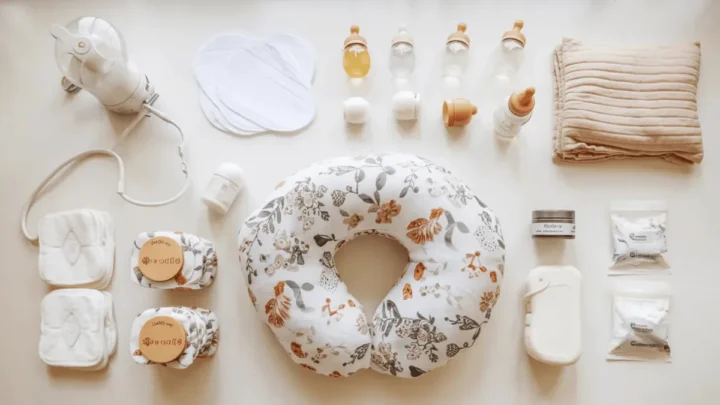
Feeding category: Glass bottles are your safest bet. They're free of BPA, BPA replacements, and microplastics. Look for brands with a silicone sleeve for grip and drop protection.
Pair them with natural rubber nipples, which soften with body heat just like a mother's skin. For older babies, stainless steel sippy cups with silicone straws are durable and indestructible.
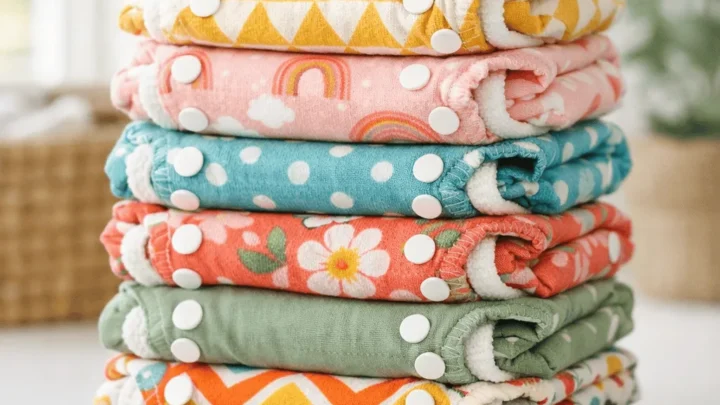
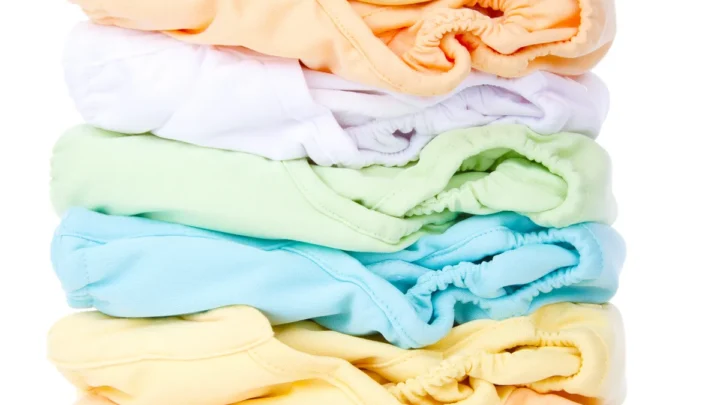
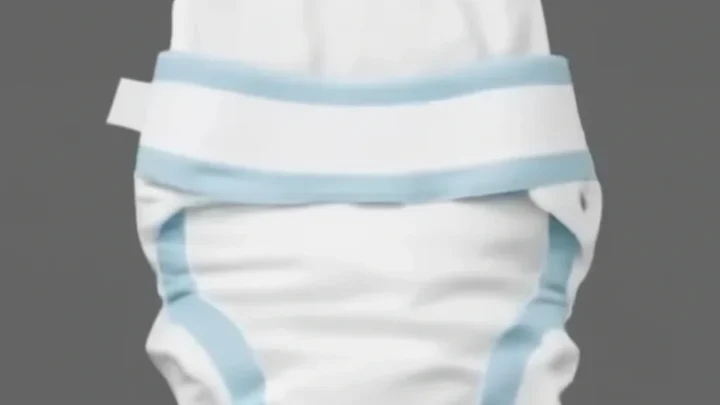
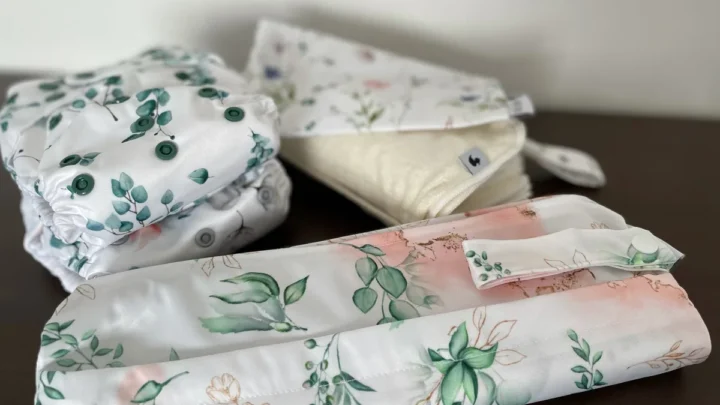
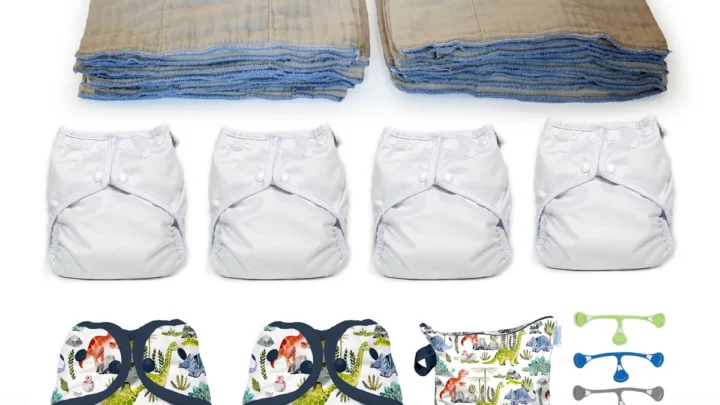
Diapering category: Cloth diapers are the obvious plastic-free choice. But if the laundry load scares you, consider hybrid systems. A wool cover over a cotton prefold is classic, breathable, and completely non-toxic.
Wool is naturally antibacterial and resists odors. It needs lanolin re-application every few weeks, but it beats plastic-backed disposables for skin health.
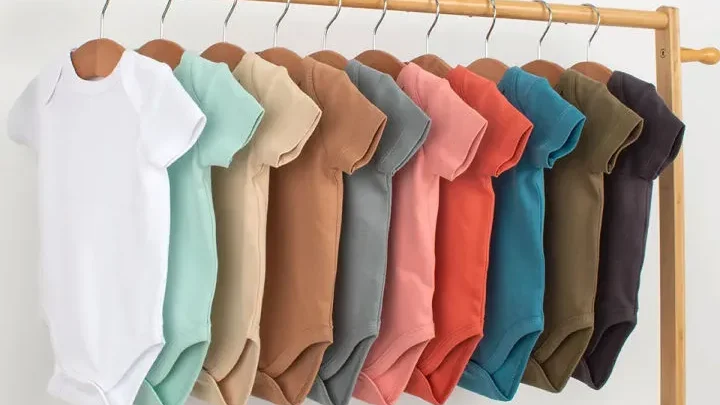
Comfort and sleep: Organic cotton swaddles, muslin blankets, and bamboo sleep sacks are gentle on sensitive skin. They regulate temperature better than polyester blends. For a waterproof mattress protector, skip the PVC-backed versions and choose a wool or GOTS-certified cotton protector with a polyurethane-free interior.
- Teethers: wooden rings or food-grade silicone, but avoid painted wood.
- Bibs: silicone or organic cotton. Silicone is easier to clean; cotton is more breathable.
- Skincare: plain organic coconut oil or shea butter beats plastic-packaged lotions with preservatives.
- Bath toys: avoid rubber duckies, they trap mold inside. Use stainless steel cups or natural loofahs.
Navigating Materials: Glass, Silicone, Wood, and Wool — What to Trust and What to Skip
This is where things get practical. Each material has a role, and knowing the strengths and limits of each will save you money and frustration.
| Material | Best For | What to Watch Out For |
|---|---|---|
| Glass | Bottles, storage containers | Breakage. Always use a silicone sleeve. |
| Platinum-cure silicone | Pacifiers, teethers, bibs, spatulas | Quality varies wildly. Cheaper "food-grade" silicone can have fillers. |
| Natural rubber (latex) | Pacifiers, bottle nipples | Allergies. Softest feel, but degrades faster and can stick. |
| Wood (FSC-certified) | Teethers, toys, highchairs | Splintering, mold, and toxic finishes. Buy only from brands that disclose finishes. |
| Wool | Diaper covers, mattress protectors | Lanolin maintenance. Not ideal for very hot climates. |
| Organic cotton | Clothing, swaddles, wipes | Shrinkage and absorbing odors. Needs proper wash routine. |
Glass is the most chemically inert material you can put near food. It doesn't leach anything, it doesn't scratch, and it doesn't hold odors. But it does break.
Always inspect bottles for chips before each use. Silicone is technically a synthetic polymer, but it's derived from silica (sand) and is stable and inert. We're specifically talking about platinum-cure silicone, which uses platinum as a catalyst. The cheaper peroxide-cure versions can contain byproducts that are less safe. Wood feels warm and natural, but only trust FSC-certified sources with food-safe, water-based finishes. Wool is a phenomenal diaper cover material.
It's breathable, resists bacteria, and can hold several times its weight in moisture. But it requires careful washing and periodic lanolin treatments.

The Real Cost Breakdown: Upfront Spending vs. Long-Term Savings
Let's talk money, because "plastic-free" sometimes feels like a luxury category. It's true that the upfront cost of wool covers and glass bottles is higher than the plastic alternatives. But the total cost of ownership is often dramatically lower.
Here's a simple comparison. A pack of disposable diapers costs around $40 per month, and you'll go through that for 2.5 to 3 years. That's roughly $1,200 to $1,500.
A full cloth diaper stash has a well-designed starter set of 24 covers and inserts costs $200 to $500. It'll last through one child, often two, if you care for it properly.
| Item | Plastic-Based Cost | Plastic-Free Cost | Lifespan Difference |
|---|---|---|---|
| Diapers (2.5 years) | $1,200+ | $300 (cloth) | Cloth lasts 2-3 kids |
| Bottles (set of 4) | $40 | $80 (glass + sleeves) | Glass lasts years; plastic replaced every few months |
| Sippy cups (set of 2) | $20 | $40 (stainless steel) | Steel is indestructible; plastic cracks and molds |
| Teethers (per piece) | $8 | $12 (wooden/silicone) | Both replaced, but wooden lasts longer |
| Bibs (set of 3) | $30 | $45 (silicone) | Silicone cleans better and doesn't stain |
You also save money on healthcare. Fewer diaper rashes mean less barrier cream and fewer pediatrician visits. Less plastic exposure means reduced risk of endocrine disruption, which is linked to developmental issues.
That's hard to quantify in dollars, but it's a real cost avoid.
The hidden savings: reusable wipes. Instead of buying disposable wipes monthly, a stack of 20 cotton wipes costs $30 and lasts years. You wash them with your diapers.
Common Mistakes and Greenwashing Traps to Avoid
Even well-intentioned parents fall for marketing tricks. We've all bought something labeled "eco" that turned out to be 70% plastic with a hemp-colored label. Let's clear up the confusion so you don't waste money or compromise safety.
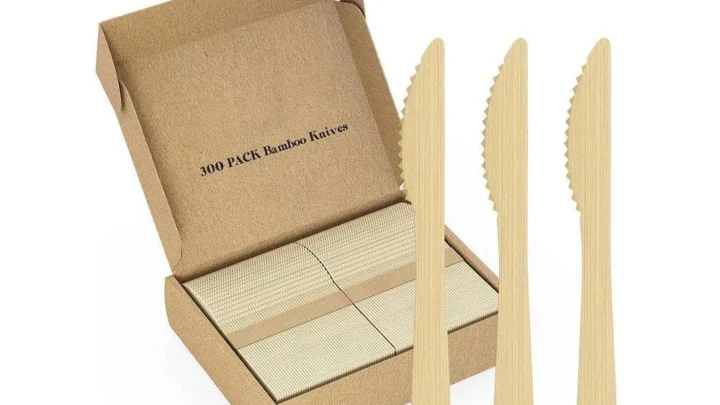
The first trap: confusing "biodegradable" plastic with "compostable." A biodegradable diaper bag might break down in an industrial facility, but in your household trash, it sits in a landfill indefinitely. The same goes for bamboo plates coated in PLA (polylactic acid). They look natural, but they're still plastic hybrids.
The second trap: assuming "unscented" means "additive-free." Many unscented wipes and lotions contain preservatives, phthalates, and masking fragrances that don't smell but still irritate skin. Check the ingredient list. If you can't pronounce it, it's probably synthetic.
The third trap: choosing bamboo fabric without checking the manufacturing process. Bamboo itself is a sustainable grass. But turning it into soft fabric usually involves chemical processing with carbon disulfide, which is harmful to factory workers and the environment.
Look for "mechanically processed bamboo" or "bamboo linen" instead of "bamboo viscose." The GOTS label covers this, so favor certified options.

Avoid silicone "food-grade" without certification. Some imports claim food safety but use cheap fillers like polyethylene. High-quality silicone feels dense, heavy, and doesn't change shape when squeezed. Low-quality silicone feels rubbery and may have a slightly oily smell.
When in doubt, buy from brands that explicitly state "platinum-cure" and show third-party testing.
- Don't trust a leaf on the label. "Plant-based" doesn't mean plastic-free.
- Don't over-buy. Start with 3-5 items, learn the care routine, then expand.
- Don't skip the laundry prep. Cloth diapers need multiple washing cycles before absorbing well.

Similar Posts