Eco-Friendly Baby Shower: 25 Plastic-Free Ideas
Planning a baby shower is a beautiful, joyful mess of decisions. You’re juggling games, food, and a guest list, and somewhere in that chaos, you’re staring at a wall of plastic plates, cups, and cutlery at the store, feeling that familiar knot of guilt. It feels wrong to celebrate new life with a mountain of single-use waste that’ll outlive us all.
That’s where plastic free baby shower ideas come in, and I promise, it’s easier and more gorgeous than you think.
The good news is that you don’t need a degree in environmental science to pull this off. Per the EPA’s waste management data, the average American throws away about 4.9 pounds of trash per day, and a significant chunk of party waste is food-contaminated plastic that can’t be recycled. The fix isn’t about buying expensive “green” kits; it’s about swapping your materials and leaning into a natural aesthetic that photographs beautifully.
Let’s walk through the swaps, the setup, and the mistakes to dodge so your shower feels intentional, not like a compromise.
Quick Answer
Plastic free baby shower ideas center on swapping single-use plastics for compostable or reusable materials. Use bamboo or palm leaf plates instead of styrofoam. Serve drinks from glass dispensers with mason jars.
Decorate with cloth bunting and eucalyptus instead of balloons. Give seed packet favors. The result is a beautiful, low-waste event that aligns with your values.
Why Plastic-Free Baby Showers Look Different (and Better) Than You Think
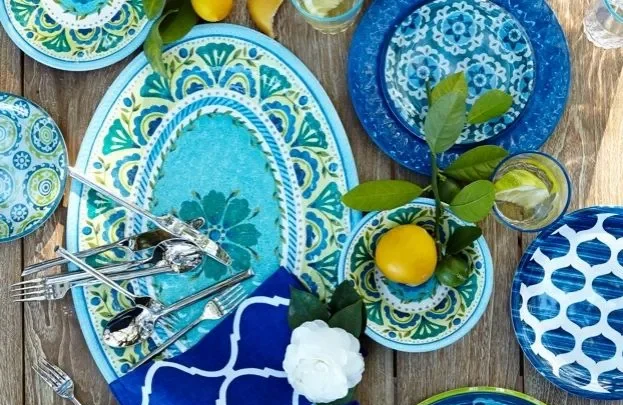
Here’s the secret nobody tells you: plastic-free events don’t look like a boring, beige eco-diet. They actually look warmer, richer, and more designed than the standard party aisle haul. A table full of palm leaf plates, textured linens, and glassware feels like a rustic wedding or a high-end farm-to-table restaurant, not a wasteful afterthought.
You’re not giving up aesthetics; you’re trading a sterile, shiny look for a tactile, organic one that has more depth.
The “why” goes beyond looks, though. Standard party plastics are designed for a single use, which is a terrible deal for the planet. Most are made from petroleum, and food-contaminated items almost never make it through recycling, so they end up in a landfill where they sit for generations.
As of 2026, many states and municipalities are cracking down on single-use plastics anyway, making this choice more practical than ever. When you host a plastic-free shower, you are also modeling a value system for the new parents, showing them that their community cares about the world they’re bringing a child into.
You also sidestep the hidden icky factor of plastic tableware. Heat from hot food can leach chemicals, and cheap plastic cutlery snaps under the weight of a slice of cake. Natural materials don’t do that.
They hold up better, they smell neutral, and when you’re done, you toss them in the compost bin or the washing machine. It’s a cleanup win, a photo win, and an ethics win all at once.
The shift is surprisingly small. You keep the same structure of a party: food, drinks, decor, and favors. You just change the material of each component.
Once you see it as a series of swaps rather than a full redesign, it becomes a fun creative project instead of a stressful obligation.
The 7 High-Impact Swaps That Transform Your Table
Let’s get tactical. These are the big-ticket items where plastic hides in plain sight. Focus your energy here, and you’ll eliminate 80% of the waste without trying to reinvent the wheel.
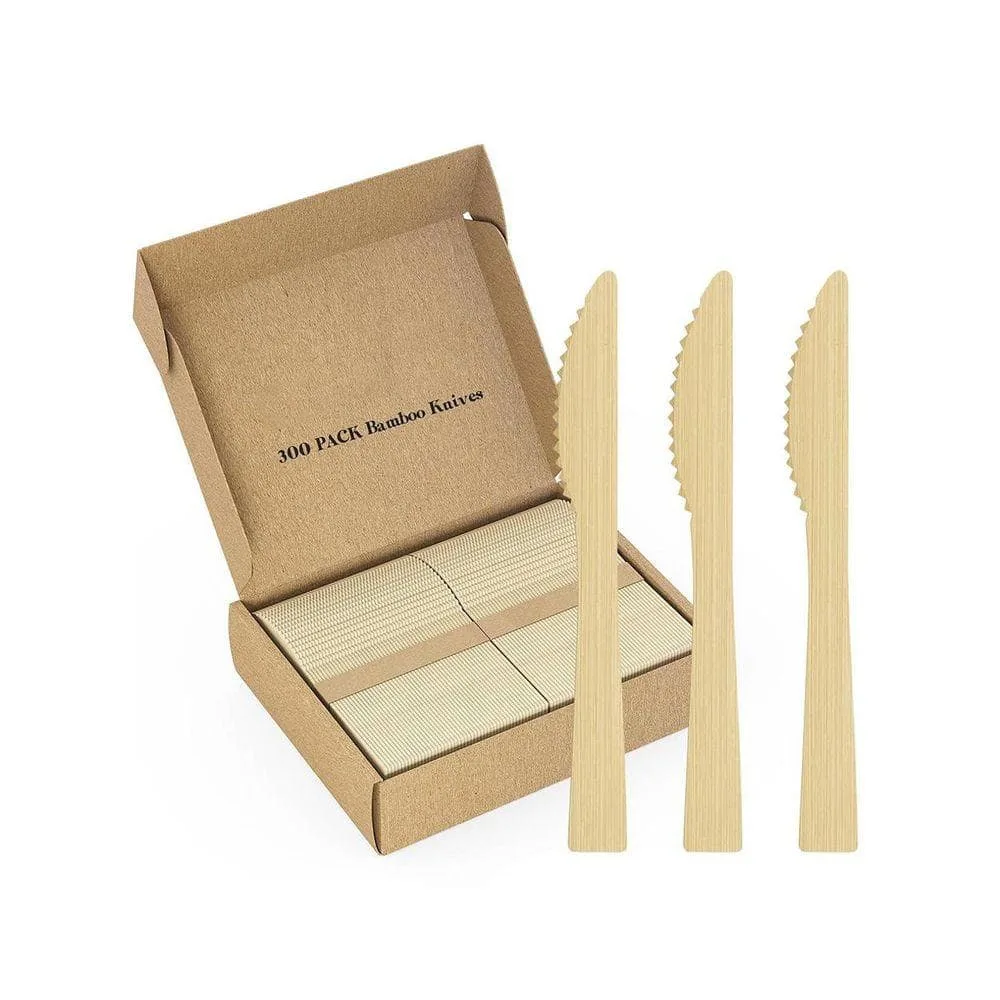
Tableware: Plates, Bowls, and Cutlery Without the Guilt
This is the highest-impact area, period. You need something to hold the food, and the default is always plastic. Instead, look for two main categories: compostable single-use or reusable.
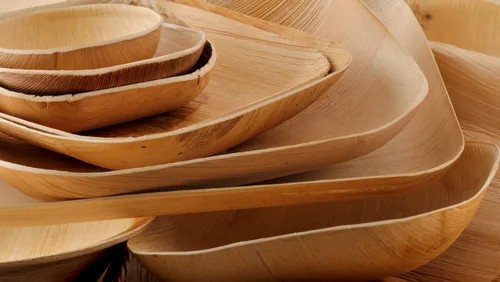
For compostable single-use, palm leaf plates are the gold standard. They’re made from fallen areca palm leaves, pressed with heat, and they’re sturdy enough for a full plate of food. Manufacturer specifications indicate they’re often stronger than paper plates and can handle hot foods and even some moisture, though truly soupy dishes might soak through eventually.
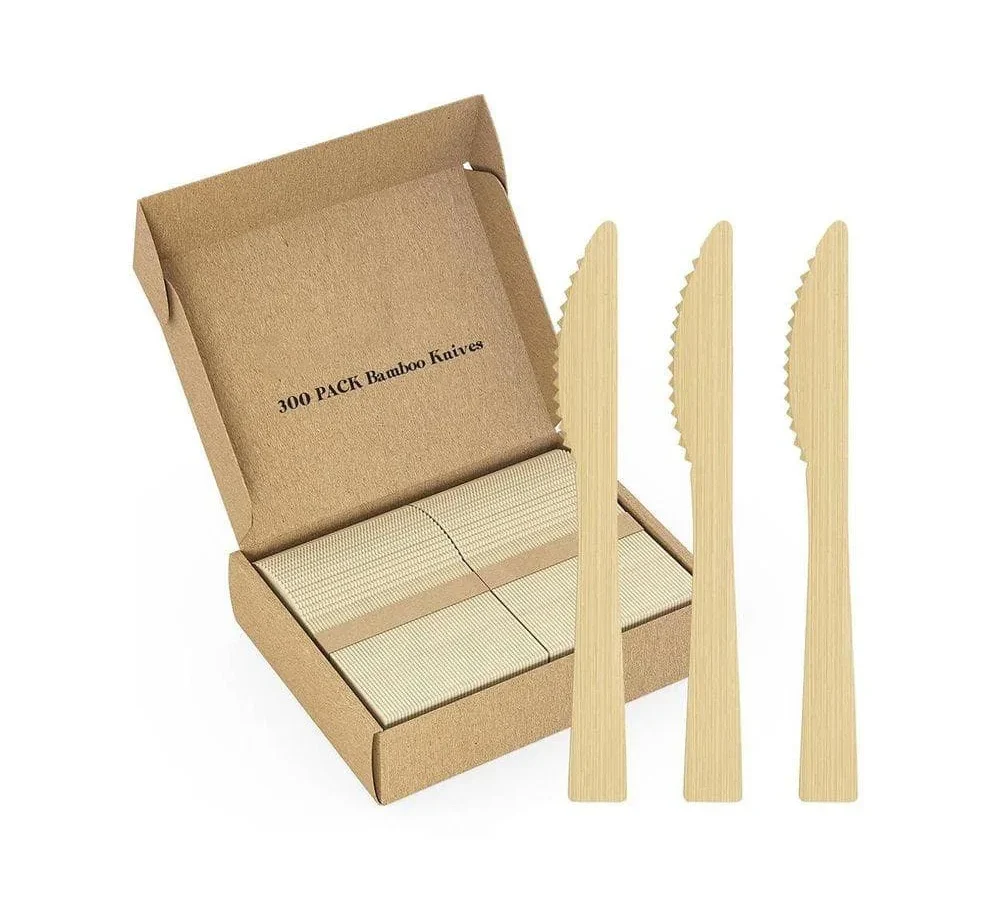
Bamboo plates are another good option, though they sometimes have a lighter, more fragile feel. For cutlery, bamboo utensils work well, but aggregate reviews report that you should pre-soak them for about 30 minutes if you’re worried about splinters on your tongue.
For reusable, thrift stores are your best friend. You can buy a mismatched set of ceramic plates and glass bowls for pennies on the dollar, use them for the party, and then donate them back or gift them to the new parents for their kitchen. This is the lowest-waste option possible, and it gives the table a charming, collected-over-time look that’s very on-trend.
No washing plastic, no flimsy forks, just real food on real dishes.
Drinks: Glass, Steel, and a Dispenser That Steals the Show
Plastic cups are the easiest thing to eliminate because glass looks so much better. Mason jars are the classic choice for a reason. They’re cheap, they’re sturdy, and they’re endlessly reusable.
Guests can take them home as favors if you want, or you can collect them and use them for a future party. For a more elegant look, pick up thrifted glass tumblers or goblets. Stainless steel cups are another option, especially for outdoor events where glass might break, and they keep drinks colder for longer.
Skip the individual plastic water bottles entirely. Instead, set up a large glass drink dispenser with a spigot, filled with infused water, lemonade, or a signature mocktail. For a more personalized touch, you can brew iced tea or coffee in large glass pitchers.
This creates a self-serve station that looks like a spa rather than a catering backroom, and it removes the “grabbing a bottle” reflex from your guests.
Straws are a notorious plastic offender. Paper straws get soggy fast, so if you want to avoid the mush, offer stainless steel or bamboo straws. You can buy a pack of washable straws and label them with small tags so guests keep track of their own.
It’s a tiny detail that feels premium and prevents the “whose drink is this?” confusion, which actually streamlines your hosting duties.
Decor That Doesn’t Land in a Landfill by 8 PM
Balloons are the plastic elephant in the room. Mylar balloons are nothing but plastic and foil, and latex balloons don’t biodegrade quickly enough to be called eco-friendly. The good news is that the alternatives are objectively prettier.
Fabric bunting, in a neutral color palette or a fun pattern, strings across a mantel or behind the head table and creates a festive backdrop that you can pack up and reuse for every future party in your life.
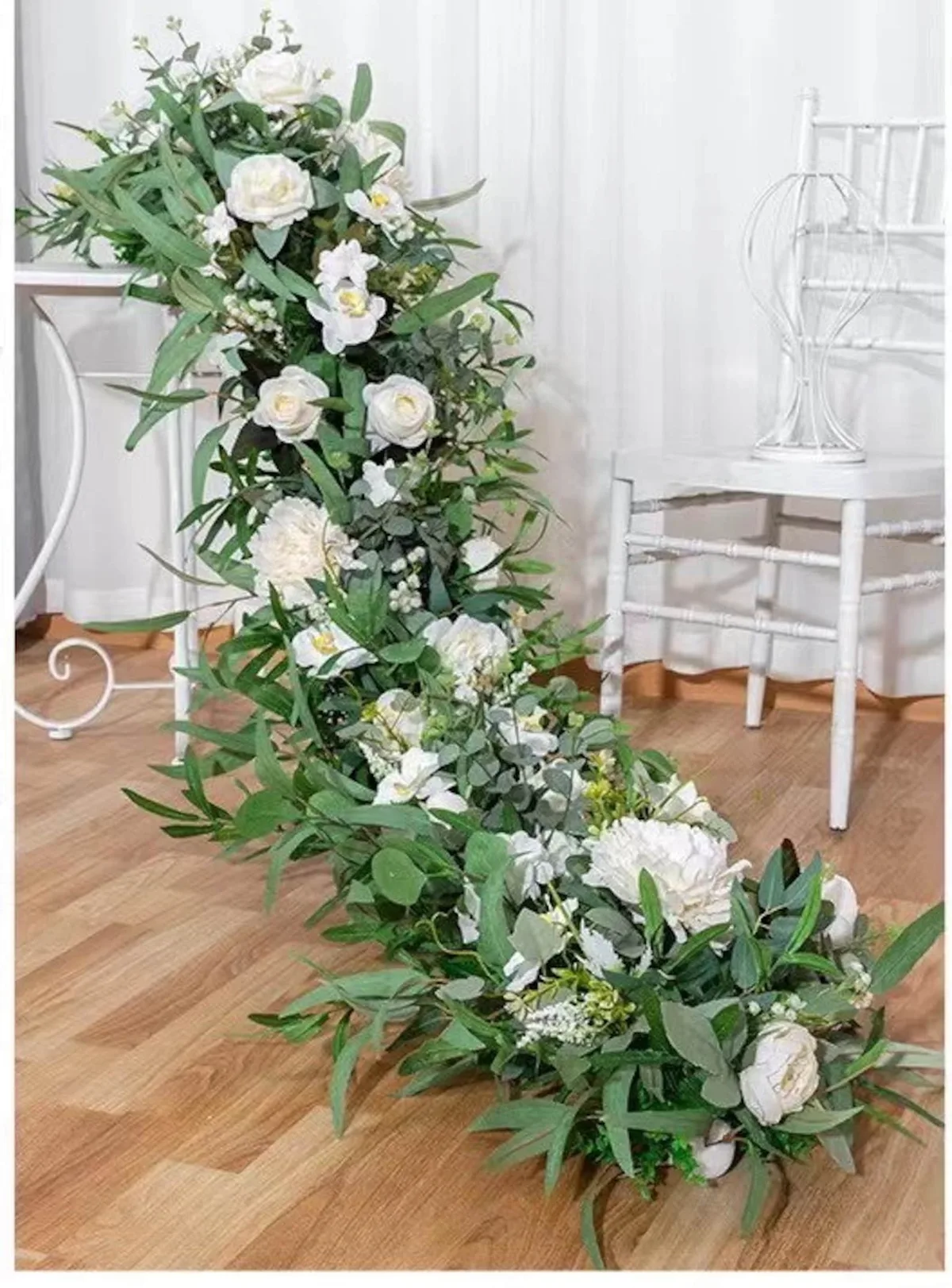
Greenery is your secret weapon. Fresh eucalyptus garlands or simple sprigs of rosemary in glass bottles add scent, texture, and a pop of color that no plastic decoration can replicate. Pine cones, dried orange slices, and wooden beads strung together make for beautiful and natural garlands.
If you want a balloon-like feel without the plastic, look at paper lanterns or honeycomb paper fans that fold flat and compost when you’re done. These options photograph ridiculously well and don’t shed microplastics into your yard or living room.
How to Build a Zero-Waste Tablescape That Actually Looks Intentional
The “beige plastic plate on a white tablecloth” look is uninspiring. A plastic-free tablescape, however, begs to be layered. Start with a solid foundation: a linen or cotton tablecloth that covers the whole table and hides any ugly event tables underneath.
If you don’t own one, rent or thrift a large sheet or tablecloth; a white cotton sheet works in a pinch, and it hides stains better than you’d think.
Next, layer in texture with a table runner. A simple burlap or linen runner down the center of the table instantly adds warmth. Then, instead of a plastic floral arrangement, create a low centerpiece using a wooden cutting board.
Place a few ceramic or glass vases of varying heights on the board, filled with single stems or small bunches of flowers. Surround them with tea lights in glass holders, and scatter any greenery sprigs along the runner. This gives you a low-profile centerpiece that doesn’t block sightlines, encouraging conversation across the table.
Place settings become an intentional design moment. Fold your cloth napkins with a bamboo fork or a sprig of fresh herb tucked inside. Write each guest’s name on a kraft paper tag with twine, or press a small flower into a paper place card.
These details communicate that you spent time and care, which is exactly what a baby shower is supposed to be. Your guests will notice, and they’ll feel more special than if they were handed a plastic fork in a wrapper.
The visual key here is to treat it like a styled photoshoot. Use a cohesive color palette based on your greenery and flowers, and let the natural browns, greens, and creams of the materials do the heavy lifting. You don’t need plastic fake snow or glitter to make it festive; you need rhythm and repetition.
Group similar items together, repeat your centerpiece elements down a long table, and let the negative space breathe. That is what makes a table look intentional rather than cluttered.
The Favor Problem: What Guests Keep (and What They Toss)
Party favors are where plastic sneaks in under the radar. You know the drill: a tiny plastic bubble wand, a plastic baggie with a cookie, a mini plastic frame. These things get politely thanked and then thrown in the trash on the way out the door.
You want something that guests actually keep, and that adds value to their lives or their gardens.
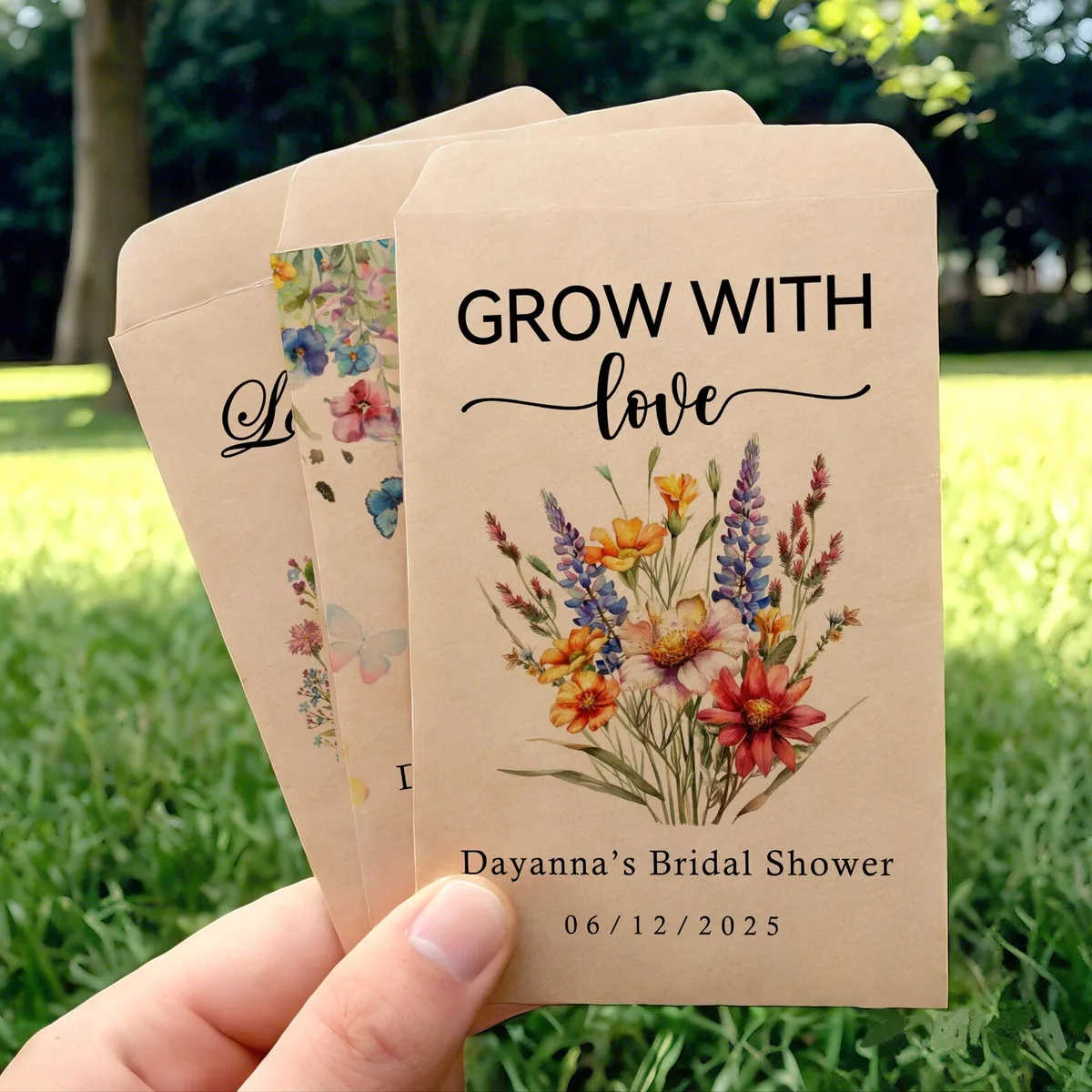
The best plastic-free favor is a seed packet. They’re cheap, they’re beautiful, and they literally grow into something useful. You can buy blank kraft seed packets in bulk, fill them with wildflower, herb, or vegetable seeds, and label them with a stamp or a handwritten tag.
Guests plant them, and they’ll think of the shower every time the flowers bloom. This is also a lovely way to tie in the “new life” theme of the party.
Another favorite is a small potted succulent or herb. You can buy terracotta pots in bulk, paint or label them, and fill them with a tiny plant. Guests can take them home to their windowsill, and they serve as a living reminder of the day.
For a consumable option, skip the plastic-wrapped candy and instead offer homemade jam in a small glass jar, or a beeswax wrap rolled up and tied with a ribbon. These are practical, coveted, and produce zero landfill waste.
If you want to keep the favor zero-waste but skip the cost of a physical item, you can make a donation in each guest’s name to a charity that supports mothers or environmental causes. Place a small card at each seat with a note that says, “In lieu of favors, a donation has been made to [Charity] on your behalf.” This is the ultimate plastic-free move, and most guests will feel honored rather than shortchanged.
Where You Can Skip Expensive “Eco” Products Without Losing the Aesthetic
There’s a trap in the green market: eco-friendly products often come with a massive markup. You’ll see “bamboo” cups and “compostable” utensils priced at double their plastic counterparts, and the tricky part is that many of those marketing claims are just greenwashed plastic. You don’t need to buy into that.
There are practical, budget-conscious ways to get the same look without paying the eco-tariff.
The biggest hack is to rent or borrow instead of buying. Dishes, tables, linens, and even glassware can be rented from local event supply companies for a fraction of the cost of buying new eco-products. Rental is genuinely sustainable because it extends the life of existing items instead of manufacturing new ones.
Check local party rental shops; many carry full lines of real ceramic and glass tableware that look far more elegant than any disposable option.
For the things you do need to buy, skip the specialty store and hit the dollar store. Plain glass vases, mason jars, and simple ceramic plates are often cheaper there than the “eco” versions. Kraft paper, twine, and wooden clothespins are cheap at craft stores.
The key is to avoid the blended plastic and resin items that look “natural” but actually aren’t. Read the label: if it says “polyresin” or “polypropylene,” it’s plastic, no matter how much it looks like wood.
You can also repurpose items you already own. That serving tray you never use? That’s your new dessert display.
Old baby clothes from the parent-to-be can be cut into bunting flags. Glass baby food jars become tiny vases or votive holders. A sign-in table covered with kraft paper and a strong marker eliminates the need for a guest book and doubles as a piece of art for the nursery.
The most sustainable and cheap option is always the one you already have.
Common Mistakes That Make Green Showers Look Cheap or Inconvenient
You can do everything right and still have the party feel like a chore. The culprit is usually one of three mistakes: soggy tableware, zero signage, or overcomplicating the compost bin.
Soggy tableware happens when you pick the wrong material for the food. Palm leaf plates handle dry and lightly sauced foods well. Pour a runny chili or a syrupy dessert on them, and they’ll start to break down before dessert is served.
If you’re serving wet dishes, switch to ceramic plates or use bamboo bowls that have a higher edge to contain the liquid.
The second mistake is assuming guests know the system. They don’t know which straw is theirs, they don’t know that the napkin is reusable, and they have no idea where the compost bin is. Put up small kraft paper signs, or tie a colored ribbon around each guest’s cup.
A tiny label that says “compost” or “rinsed dishes here” saves you from fishing plastic out of the compost pile later.
The third mistake is making guests work harder than they want to. If they must walk 50 feet to find the compost bin or untie a string to get a napkin, they’ll silently route around you. Keep waste stations close, make the flow obvious, and reduce friction wherever you can.
A green party that makes guests hunt for a trash can is not a memorable party for the right reasons.
Quick Reference: Shopping List, Costs, and Prep Timeline
Here is the practical breakdown. Prices vary by region and sourcing, but this gives you a realistic budget baseline for a 30-guest shower.
| Item | Eco Material | Approx. Cost | Prep Time |
|---|---|---|---|
| Dinner plates | Palm leaf (30) | $25–$40 | None |
| Bowls | Palm leaf or bamboo | $15–$25 | None |
| Cutlery | Bamboo (50 pc) | $10–$18 | Pre-soak 30 min |
| Cups | Mason jars (thrifted) | $0.50–$2 each | Wash, label |
| Napkins | Cotton or linen (rented) | $15–$30 | Wash, fold |
| Table runner | Burlap or linen | $10–$20 | None |
| Centerpieces | Eucalyptus + thrifted vases | $15–$30 | 1 hour |
| Favors | Seed packets + bulk seeds | $1–$2 per guest | 1–2 hours |
| Bunting | Fabric scraps | Free–$15 | 2 hours |
Prep timeline matters more than people think. Start your decor and favors a full week out, not the night before. Hand-stamping seed packets takes longer than you’d imagine, and washing thrifted jars is a chore you don’t want at midnight.
Two days before, wash all glassware and fold napkins. The day before, assemble centerpieces and set the tables. The morning of, brew drinks and arrange food.
That schedule keeps you calm and lets you actually enjoy the shower.
Real Scenario: A 40-Person Backyard Shower on a Budget
Let’s ground this in a real example. We planned a 40-person shower for a couple who wanted a boho garden theme on a tight budget. Total spend on tableware, decor, and favors came to $180, which is less than a comparable plastic-themed setup at a party supply store.
The big win was rentals. Instead of buying compostable plates, we sourced real ceramic dinner plates and glass tumblers from a local event rental company. That cost $75 and eliminated the need for most single-use products.
For cutlery, we bought a 100-pack of bamboo forks and spoons for $14. The visual payoff was enormous; real plates photograph better than disposables, and guests commented on how “fancy” it felt.
The greenery came from a local flower market. We spent $30 on eucalyptus and a few bunches of white stock flowers. That filled five thrifted vases and ran down the center of the table.
The favors were seed packets from a bulk supplier, which cost $40 total for 40 guests. The one unexpected cost was time. Assembling the centerpieces and labeling cups took about four focused hours across two evenings.
The lesson is simple: your two biggest cost drivers are plates and glassware, and both have a reusable alternative. If you can’t rent, thrift and donate back. The aesthetic payoff is enormous for the effort.
FAQs: The Questions Every Host Asks Right Before the Party
Are compostable plates really compostable?
Not always. Many “compostable” plates require industrial composting facilities, not a backyard pile. Check the certification.
ASTM D6400 or BPI certification means it’s designed for commercial compost. Without that, your palm leaf plate might take months or years to break down in a home bin.
How do I handle plastic gift wrap?
Ask guests to bring gifts unwrapped or use fabric wrapping. Provide a stack of reusable tote bags at the gift table and offer fabric squares for wrapping. If someone brings plastic wrapping, don’t make a scene.
Gently unwrap it, save the paper for reuse, and move on.
What if guests bring their own disposable plates?
It’s their choice, and you can’t control it. Set up a clearly labeled compost and recycling station to handle whatever arrives. The goal is to reduce waste, not to police your friends.
A positive experience is more likely to inspire them next time.
Can I use paper goods instead of plastic?
Yes, but choose recycled or FSC-certified paper. Uncoated paper plates are a decent fallback, especially for dry foods. They won’t hold up to heavy sauces, but they’re better than plastic.
Avoid anything with a shiny coating, since that’s usually a plastic laminate.
What about balloons for a gender reveal?
Skip latex or mylar balloons entirely. Paper confetti cannons, fabric banners, or a smoke-free color reveal using colored tissue paper work beautifully. If you want a dramatic moment, use a large wooden box with colored ribbon or fill a paper bag with flower petals to release.

Similar Posts