Zero-Waste Baby Shower Gifts New Parents Will Love
You’re staring at the registry, and everything on it is plastic. You want to give something thoughtful, something that doesn’t add to the landfill, something genuinely useful for the parents. That’s where zero waste baby shower gift ideas actually get tricky.
The truth is, “zero waste” doesn’t mean buying the most expensive bamboo gadget on the market. It means giving something that gets used until it’s worn out, or better yet, something that disappears entirely. As of 2026, the average baby generates roughly 3,000 diaper changes before potty training, and most of those end up in a landfill.
So let’s figure out how to sidestep that mess with gifts parents will actually love.
Quick Answer
Zero waste baby shower gifts focus on consumables, services, durable investments, and second-hand items. The best options include meal trains, cleaning service gift cards, cloth diaper subscriptions, and high-quality convertible car seats. The key is matching the gift to the parents’ lifestyle.
If they won’t use it, it’s waste regardless of how sustainable it claims to be.
Why Most “Eco-Friendly” Gifts Miss the Mark
Here’s the uncomfortable truth about green gifting. A bamboo onesie that sits in a drawer for six months and gets donated is worse for the planet than a cotton one that gets worn daily. The environmental impact of any product isn’t just about what it’s made from.
It’s about whether it gets used.
This is where most well-meaning gift-givers go wrong. They focus on materials instead of utility. They buy organic cotton sleepers in newborn size, forgetting that babies outgrow them in three weeks.
They buy wooden teethers when the parents already have three. They buy beautiful wool sweaters that are impossible to get over a squirming baby’s head.
The actual definition of zero waste gifting is simple: the gift must be used until it’s truly finished. That’s it. A plastic toy played with daily for two years beats a “biodegradable” toy that’s never touched.
Aggregate research on consumer behavior consistently shows that unused gifts are the real environmental problem, not the materials themselves.
So before you buy anything, ask yourself one question. Will these parents actually reach for this item at 2 AM when the baby is screaming and they haven’t slept in 36 hours? If the answer isn’t an immediate yes, keep looking.
Step One: Assess the Parent’s Situation
Not every parent needs the same thing. Your gift should match their reality, not your ideals about sustainability. Let’s break this down into three basic profiles so you can figure out where your recipient falls.
The Practical Minimalist
This parent has a spreadsheet for their registry. They’ve researched every item, read the reviews, and chosen exactly what they need. They value function over clutter and probably already have strong opinions about brands.
For this parent, the best zero waste gift is something they actually registered for, but in sustainable materials. Think solid hardwood toys instead of plastic, organic cotton muslin swaddles, or unbleached burp cloths. They’ll appreciate the thoughtfulness of upgraded materials for items already on their list.
The Overwhelmed First-Timer
This parent registered for three items and a lot of cute clothes. They have no idea what a burp cloth is for, let alone how many they’ll need. They’re drowning in advice and completely overwhelmed by the sheer volume of stuff arriving at their door.
This parent needs help, not more objects. They need food they can heat up at 3 AM. They need someone to clean their bathroom.
They need the boring, practical items that keep a household running when two exhausted people can barely function.
The Dedicated Eco-Warrior
This parent already uses cloth diapers, makes their own baby food, and composts. They’ve read every sustainability blog and have strong opinions about plastic. Shopping for them feels impossible because they already own the fancy stuff.
For this parent, skip the products entirely. Services are the way to go. A night nurse for a few sessions, a diaper laundry pickup service, or a donation to their favorite environmental cause.
They’ll appreciate that you didn’t add to their clutter.
The quick self-check goes like this. What does their home look like? Are they the type to research for hours or wing it?
Do they seem stressed about the baby or excited about the nursery? Answer those three questions and you’ll know which profile fits.
Step Two: Pick Your Gift Route (The Decision Branches)
Once you’ve assessed the parent’s situation, you can match them to one of four gift routes. Each route serves a different need, and none of them involve buying plastic junk that ends up in a landfill.
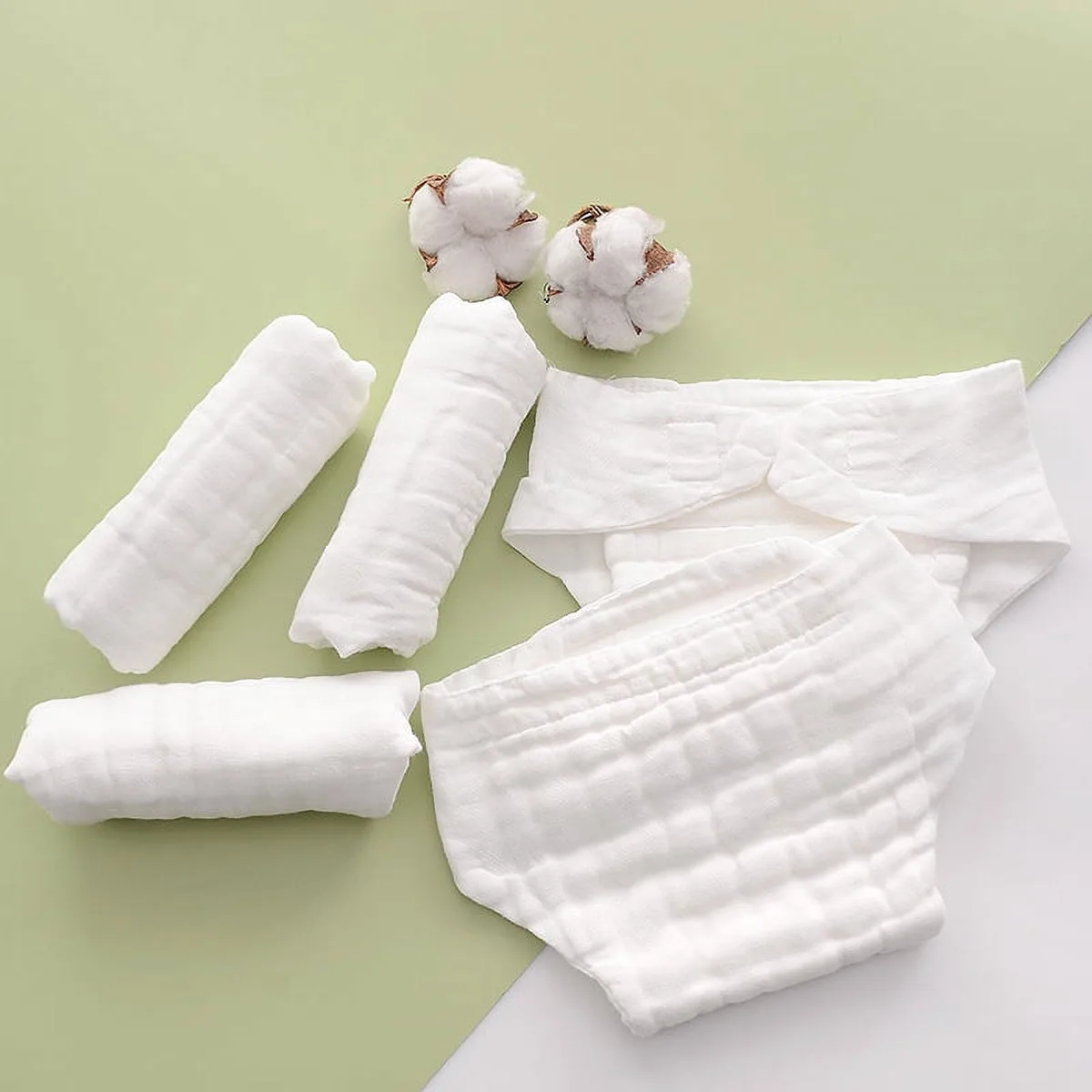
Route 1: The Consumables Route
This is the ultimate zero waste hack that no one talks about. Gift things that get used up and disappear. No packaging to recycle, no item to outgrow, no leftover clutter.
The meal train takeover is the classic move. Coordinate with friends to provide frozen casseroles, soups, and breakfast burritos for the first two weeks home. Label everything with reheat instructions.
The gift is the time you save them from cooking while sleep-deprived.
Grocery delivery gift cards work similarly well. New parents need groceries but have zero energy to shop. A $100 gift card to a local delivery service means fresh food without leaving the house.
Here’s another one people forget. Pitch in with a few friends to hire a cleaning service for one visit, about four weeks after the baby arrives. That first deep clean when the house has been chaos is worth its weight in gold.
Route 2: The Wearable Route
Babies go through clothes and accessories like crazy. But instead of buying a whole new wardrobe, focus on the items that take the most beating.
Heavy-duty organic cotton bibs with metal snap closures are a workhorse gift. Buy ten to fifteen of them. These will be used multiple times daily for a year straight.
Most parents don’t register for enough, and cheap bibs fall apart quickly.
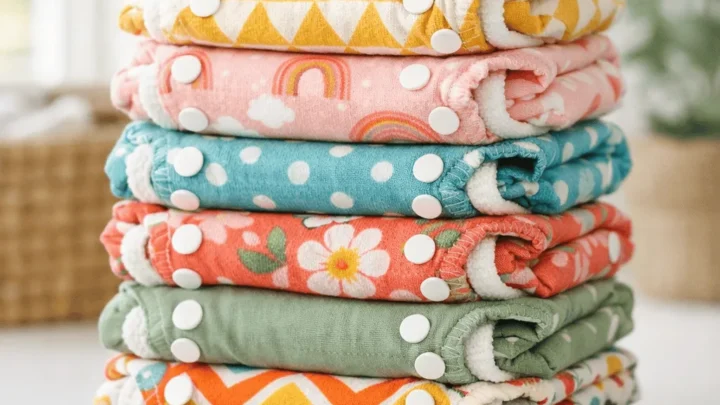
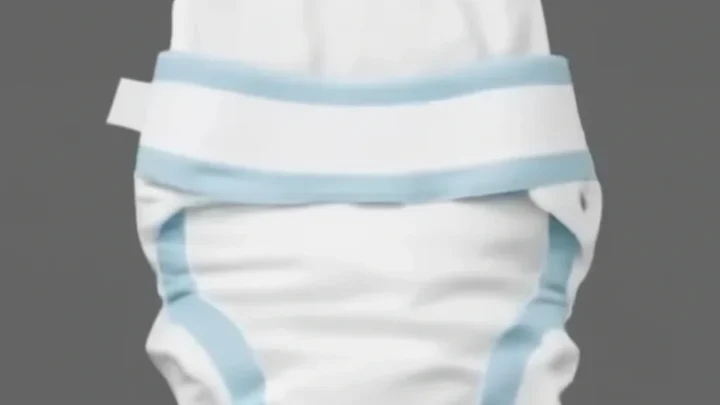
If they’re already using cloth diapers, wool diaper covers are a game-changer. Wool is naturally antibacterial, breathable, and only needs washing every two to three weeks thanks to the lanolin content. It’s an investment that eliminates the need for plastic PUL covers.
For clothes, skip the newborn sizes. Buy second-hand bundles in sizes 6 to 12 months, the sizes everyone forgets about. Wash them, fold them, and wrap them nicely.
This is sustainable, practical, and saves parents a ton of money.
Route 3: The Service Route
When someone already has all the stuff, you stop gifting objects. You gift results. This works best for the eco-warrior who has everything.
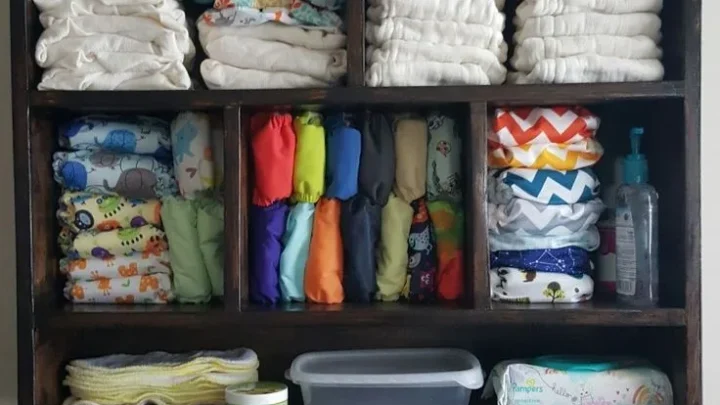
Cloth diaper laundry pickup services are the luxury version of self-care. Pay for three months of pickup and drop-off. Parents drop the dirty diapers at the door and get clean ones back.
No scrubbing, no stain treating, no late-night laundry loads.
A night nurse or postpartum doula for two nights gives exhausted parents eight or more continuous hours of sleep. That’s the kind of gift that makes people cry tears of joy. It’s also the kind of gift that’s impossible to buy for yourself.
Hiring a photographer for a lifestyle session at home in a few months works well too. No props, no studio, just real life. Parents will treasure those photos forever, and there’s zero physical waste involved.
Route 4: The Investment Route
If you’re pooling money with a group of friends, go big on one item that replaces many. This route works best for the practical minimalist who wants quality over quantity.
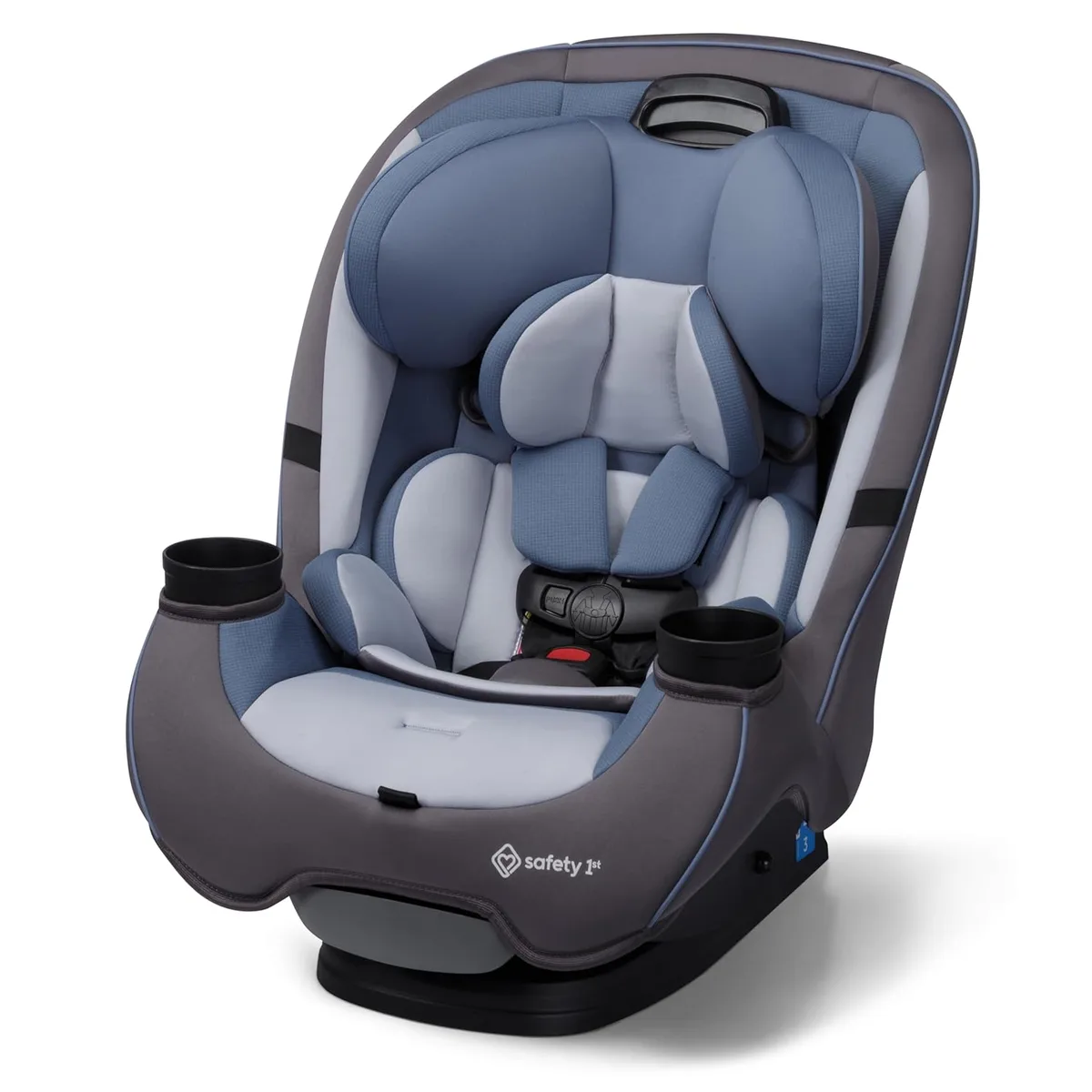
A convertible car seat that transitions from infant to toddler to booster lasts about ten years. That’s one manufacturing cycle replacing three separate products. It’s a significant investment, but it’s also one of the few baby items that genuinely needs to be purchased new.
A solid hardwood play kitchen, not the particleboard version, becomes an heirloom piece. It survives multiple children and looks beautiful in the living room. It’s the kind of gift that gets passed down.
The key with investment gifts is making sure everyone chips in. A $400 car seat is too much for one person but perfect for a group of five or six.
Now that you’ve identified the route, the next question is how to wrap it without ruining your sustainability efforts.
Wrapping Without the Waste (Yes, It Matters)
You’ve picked the perfect gift. Don’t ruin it with glittery wrapping paper and plastic ribbon. Seriously, the amount of waste generated by wrapping materials is astronomical.
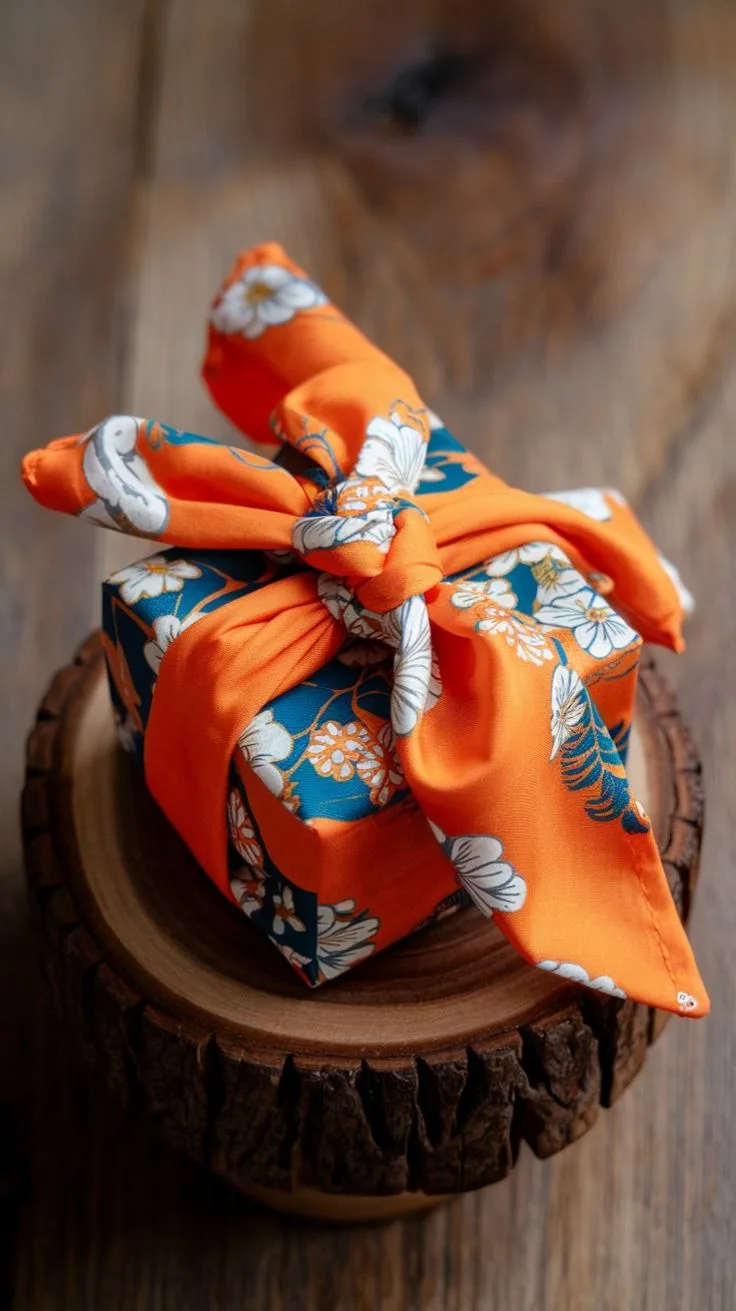
The Furoshiki method is a Japanese technique that uses fabric instead of paper. Get a square of nice cotton or linen, about 70 to 90 centimeters, and learn the basic knot wrap. It takes two minutes and looks beautiful.
Better yet, the fabric becomes part of the gift.
The kitchen towel trick works even better. Wrap the gift in a thick, organic cotton tea towel. It’s a wrap that’s also a useful item for the parents.
They can use it for drying dishes, covering warm bread, or cleaning up spit-up.
Wicker baskets and metal buckets make excellent wrapping that doubles as storage. Put the gifts inside and wrap a ribbon around the outside. The parents keep the basket for toys, blankets, or laundry.
Here’s what to absolutely avoid. Glitter wrapping paper, cellophane, plastic ribbon, and tissue paper with metallic treatments. These are unrecyclable and end up in landfills every single time.
One more note on cards. Skip them entirely or go digital. A nice e-card with a photo of you and the parents-to-be is just as meaningful and doesn’t create permanent waste.
Common Mistakes That Turn “Green” Gifts Into Landfill
Even experienced gift-givers make these mistakes. Here’s what to watch out for so your thoughtful present doesn’t become a burden.
Plastic Snaps and Cheap Construction
Plastic snaps break. It’s just a fact. They crack after a few washes and the garment becomes useless.
Check every button and snap before buying. Metal snaps last through multiple children. This is non-negotiable.
The “Too Cute to Use” Trap
That gorgeous white organic cotton onesie with the delicate embroidery? It’ll be stained by the second wearing. Parents know this, so they save it for “special occasions” that never come.
It sits in the drawer, unworn, and eventually gets donated.
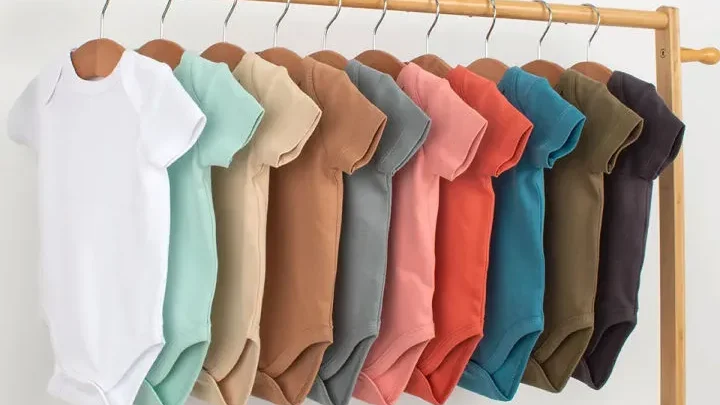
Instead, gift items that are meant to get dirty. Dark-colored clothes, patterned bibs, and burp cloths that can handle a beating. These get used daily and last longer because the stains don’t show.
Buying Newborn Sizes
Newborn clothes are adorable and useless. Babies outgrow them in three weeks, sometimes faster if they’re born big. Buy 6 to 12 month sizes instead.
Parents will be grateful when the baby hits that growth spurt and they have clothes ready.
Second-Hand Safety Checks
Giving used items is great, but you need to check them properly. Never gift a used car seat, even from a trusted friend. Car seats expire six to ten years after manufacture, and they lose protection after any significant accident.
The Consumer Product Safety Commission (CPSC) recommends replacing them after any crash, even minor ones.
For used toys and clothes, check for recalls first. The CPSC website maintains a current list. Also check for loose parts, choking hazards, and peeling paint.
DIY Products That Cause More Harm Than Good
Homemade cleaning products and baby care items sound thoughtful but can backfire. A vinegar-based cleaner might irritate sensitive skin. An essential oil blend might trigger allergies.
Unless the parents explicitly asked for DIY products, buy them something safe and commercial instead.
The Cardboard Box Trap
Here’s one that trips people up. You buy a zero waste gift, then wrap it in a cardboard box with plastic shipping tape and newspaper. All that packaging still goes to recycling, which takes energy.
Use the Furoshiki method or a basket to avoid the issue entirely.

Similar Posts