Zero Waste Baby Essentials: A Complete Beginner’s Guide
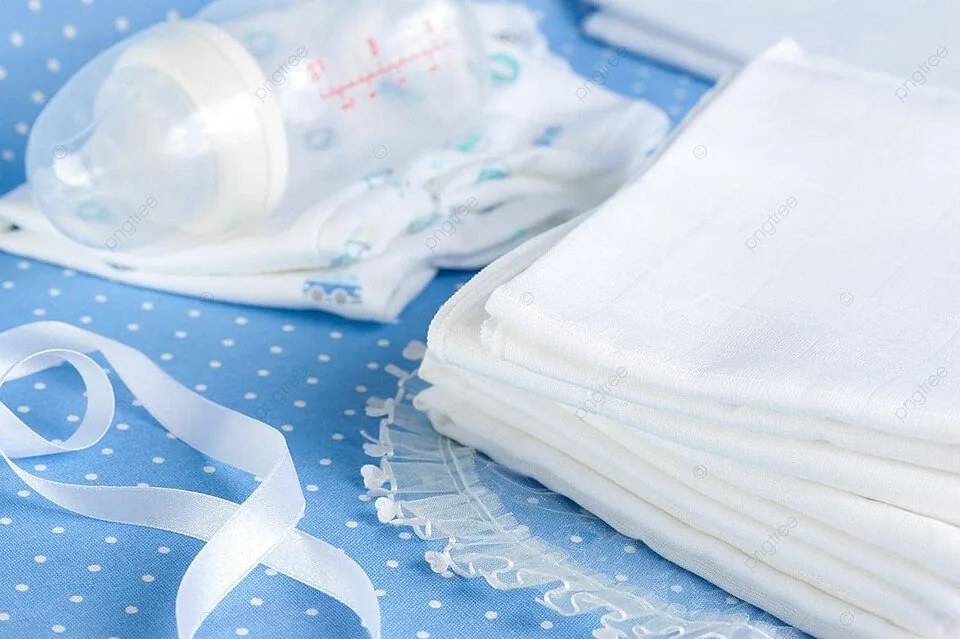
You’ve been dreaming about a minimalist nursery with organic cotton everything. Then the reality of newborn life hits: the mountain of wipes, the endless diaper changes, the sheer volume of stuff. Suddenly, “zero waste baby essentials” feels like a beautiful idea you don’t have the energy to figure out.
Here’s the good news. Going zero waste with a baby isn’t about being perfect. It’s about making smart swaps that actually work for your family, your schedule, and your sanity.
As of 2026, the market is packed with genuinely good reusable options that aren’t fussy or expensive. In our research, we found that most families don’t need to overhaul their entire lives. They need a practical system that handles the top three waste generators: diapers, wipes, and feeding gear.
Let’s build that system together, step by step, starting with your actual reality.
Quick Answer
Zero waste baby essentials mean replacing single-use items with reusable or compostable alternatives. Focus on cloth diapers, washable wipes, and glass or silicone feeding products. Start with a hybrid approach.
Use cloth during the day and disposables at night. Build your stash gradually. You don’t need everything at once.
The Truth About “Zero Waste” with a Baby
Let’s be honest about something right away. A baby is basically a tiny, adorable waste machine. Disposable diapers alone account for roughly 27 billion pounds of landfill waste every year in the US.
That’s a staggering number. And it’s exactly why the zero waste conversation matters for parents.
But here’s the catch. Chasing perfect zero waste while sleep-deprived and overwhelmed is a recipe for burnout. The most eco-friendly baby product is the one you’ll actually use at 3 AM.
If a cloth diaper system is too complicated, you’ll toss it aside by week two. If glass bottles stress you out, you’ll switch back to plastic. So let’s ditch the guilt and get strategic.
The goal isn’t perfection. It’s reduction. Your mission is to cut down on the worst offenders, not to eliminate every single piece of waste.
That mindset shift makes all the difference. It turns an intimidating project into a manageable set of choices.
Starting Point: Assess Your Reality Before You Buy
Before you spend a single dollar, take a hard look at your daily life. The “best” zero waste system on paper fails if it doesn’t fit your circumstances. Let’s run through the three questions that matter most.
The Laundry Test: Do You Have the Time and Machines?
Cloth diapers require laundry. That’s non-negotiable. But the type of laundry setup you have changes everything.
If you have a front-loading washer and a dryer, you’re in great shape. You can wash a stash every two to three days without much effort.
If you’re in an apartment with a shared laundry room, the calculus changes. You’ll need more diapers to stretch between wash days. You might also consider a portable washer or a diaper service.
These services pick up soiled diapers and drop off clean ones, which is a great middle ground if you can afford it.
If you’re relying on a laundromat, the cost and hassle multiply quickly. In that case, a hybrid approach makes more sense. Use cloth at home and disposables when you’re out.
Remember, the goal is reduction, not perfection.
The Space Audit: Where Will Wet Diapers Live?
A diaper pail full of wet cloth diapers needs airflow. If you toss them in a sealed bin, they’ll get musty and moldy fast. You need a designated spot, ideally a dry pail or a washable liner bag, that lets air circulate.
Think about where this lives. A small nursery corner works fine. A bathroom or laundry room works too.
Just make sure the spot is easy to reach. If changing a diaper requires walking across the house, you’ll start skipping the cloth route.
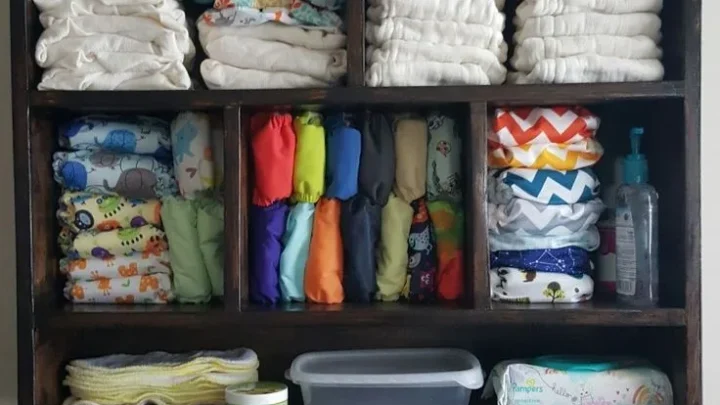
You also need storage for clean diapers. A simple basket or a drawer organizer works great. The key is making the diapers as accessible as their disposable counterparts.
The Caregiver Factor: Who Else Changes the Baby?
This one gets overlooked all the time. If your partner, a grandparent, or a daycare provider changes the baby, they need to be comfortable with your system. A complicated fold-and-snap routine might work for you, but it’ll frustrate everyone else.
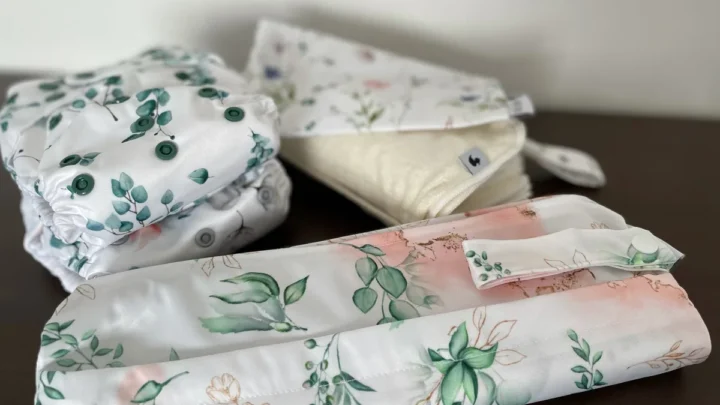
All-in-one cloth diapers are the easiest for reluctant caregivers. They work just like disposables, no folding required. Pocket diapers are also straightforward.
Prefolds and covers, while cheaper, take more skill.
Before you commit to a full cloth stash, talk to your support network. If they’re on board, great. If not, plan for a simpler system.
You can always tweak it later once the baby arrives and you know what actually works.
The Diaper Decision: Cloth, Disposable, or Hybrid?
This is the big one. Diapers are the single largest source of baby waste, so it’s the most impactful choice you’ll make. The good news is that there’s no wrong answer.
There’s only the answer that fits your life. Let’s break down the three main paths.
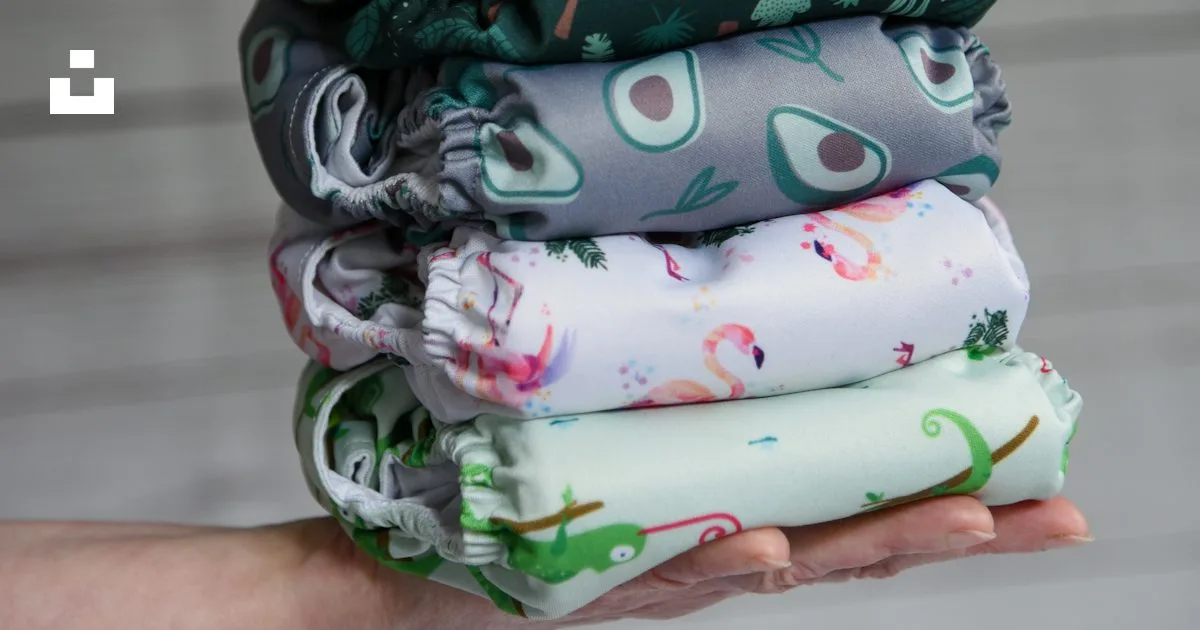
The Full-Time Cloth Path: What You Actually Need
Committing to cloth full-time is entirely doable. You just need the right gear. For the average newborn, plan on 8 to 12 diaper changes per day.
That means a stash of 24 to 36 diapers to allow for washing every two to three days.
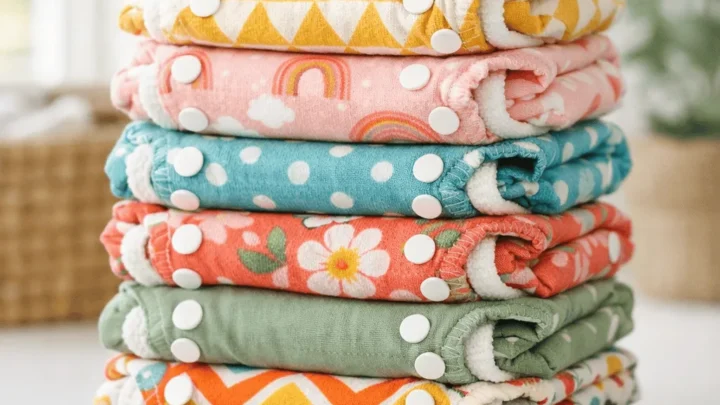
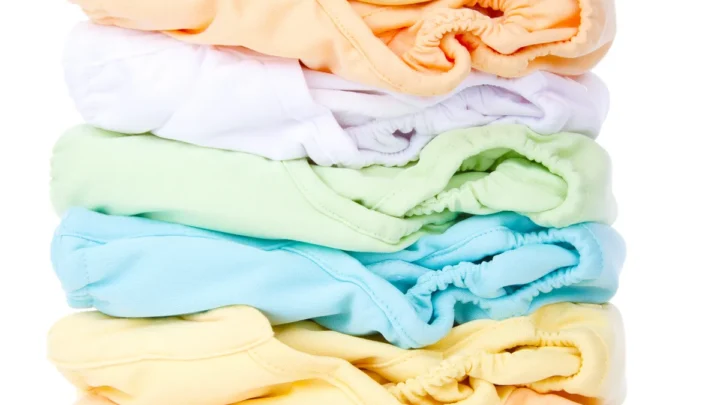
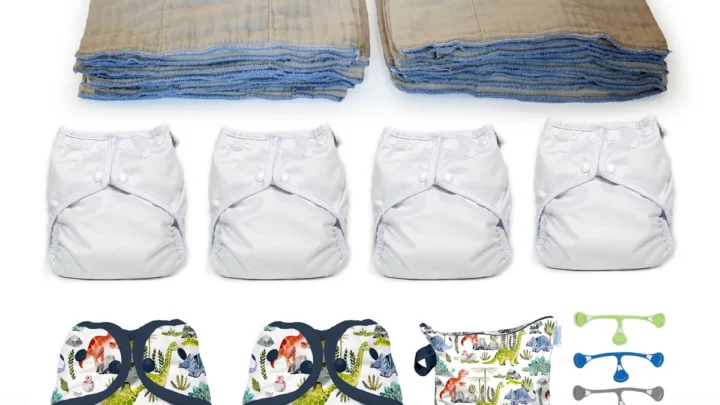
Your core kit includes absorbent inserts, waterproof covers, and a way to store dirty diapers. That’s it. You can add fleece liners for easier solid waste removal and extra boosters for overnight.
If you’re on a budget, prefolds and covers are the cheapest way in, costing roughly $300 to $500 total. All-in-ones run closer to $600 to $800 but offer maximum convenience.
This path works best if you’re home most days, have reliable laundry access, and feel motivated to stick with it. The savings are real. Over 2.5 years, cloth will cost you around $500 to $1,200, while disposables run $2,000 to $3,000 or more.
You’ll also avoid throwing away roughly 6,000 diapers.
The Realistic Hybrid Path: Disposable Liners and Nighttime Compromises
Most families we’ve researched end up somewhere in the middle. They use cloth during the day when they’re home and switch to disposables for overnight and travel. This hybrid approach is sustainable because it doesn’t demand perfection.
Disposable liners make this path even easier. These thin, biodegradable sheets sit on top of the cloth diaper. When your baby poops, you lift the liner and toss it.
The diaper stays mostly clean, and you avoid the sprayer dance entirely.
The hybrid path is also great for nighttime. Babies typically sleep longer stretches as they grow, and a heavy wetter can soak through cloth. A disposable diaper with extra absorbency often means everyone sleeps better.
The “Minimal Fuss” Path: Compostable Services and Bioplastics
If cloth genuinely doesn’t fit your life, you have options. Compostable diaper services are growing in popularity. These companies drop off compostable diapers and pick up soiled ones for industrial composting.
It’s more expensive than cloth or standard disposables, but it drastically cuts landfill waste.
There’s also a growing market for bioplastic-based disposables. These diapers use plant-based materials and break down faster than traditional plastics. However, “biodegradable” claims vary widely, and the FTC Green Guides warn against vague environmental marketing.
Some bioplastics only decompose in industrial facilities, not backyard compost piles. If this route appeals to you, do your homework on the manufacturer’s specific certifications and disposal instructions.
Feeding and Mealtime: The Bottle and Weaning Setup
Feeding gear is the second biggest source of baby waste. Between formula bottles, breast pump parts, and eventually sippy cups and utensils, the plastic adds up fast. Fortunately, this is one of the easiest areas to fix.
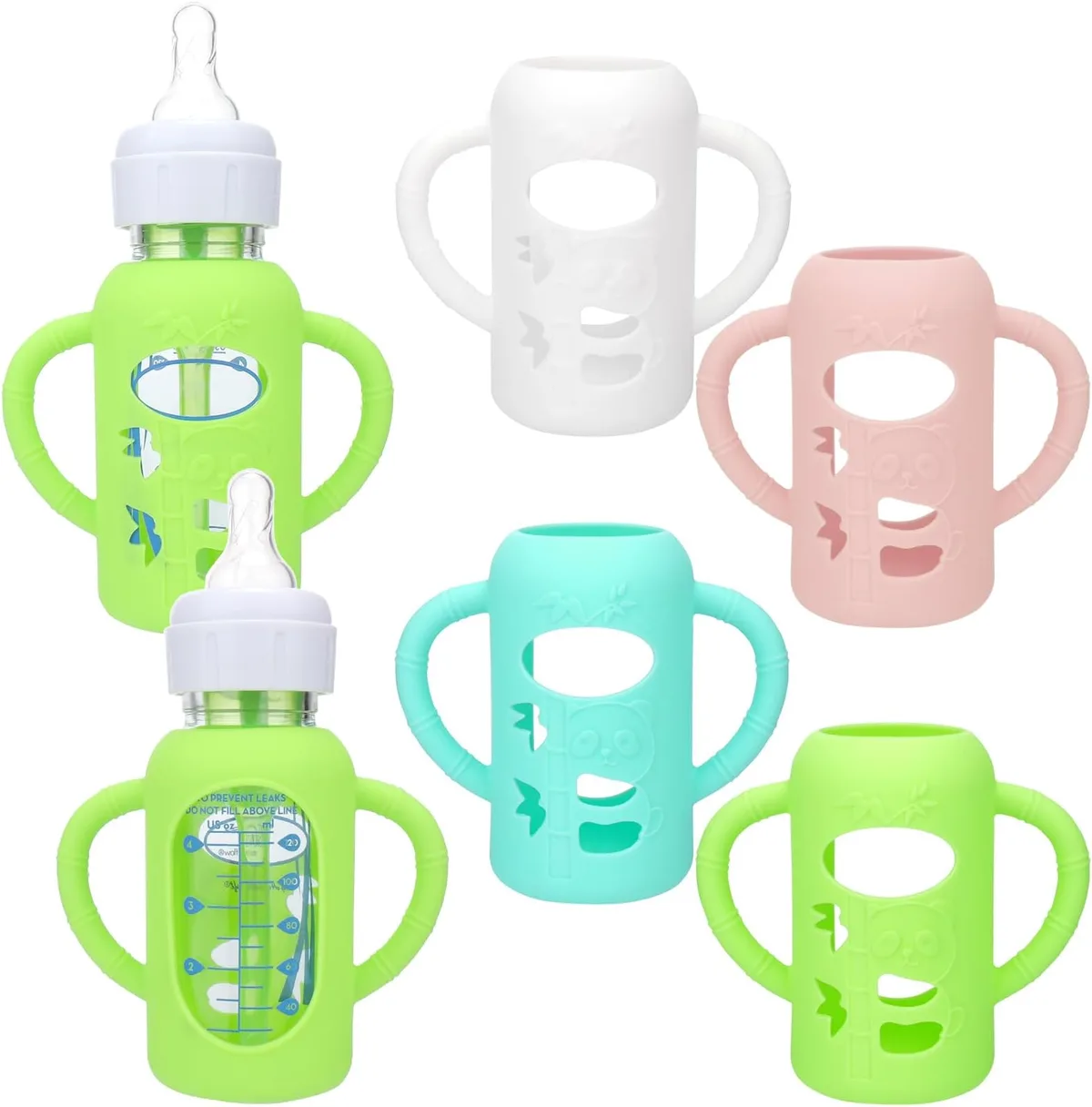
Glass vs. Stainless Steel vs. Silicone: The Bottle Branch
Glass bottles are the classic zero waste choice. They’re free of BPA, phthalates, and other chemicals found in some plastics. They also don’t hold onto odors or stains like plastic does.
The main downside is weight and breakability, though most brands offer silicone sleeves for grip and protection.
Stainless steel bottles are lighter than glass and nearly indestructible. Brands like Pura and Klean Kanteen make them with silicone nipples and interchangeable tops that grow with your child. They’re pricier upfront, but they last for years and can even be reused as water bottles later.
Silicone bottles are the soft, squeezable alternative. They’re lightweight, shatterproof, and safe for babies who like to hold their own bottles. The tradeoff is that silicone can get sticky over time if not cleaned properly.
Whichever material you choose, look for bottles with standard-size nipples. That way, you can swap parts between brands and avoid buying a whole new set if one piece gets lost.
High-Chair and Utensil Choices That Won’t End Up in a Landfill
During the baby-led weaning phase, you’ll go through a lot of utensils, bibs, and plates. Choose silicone over plastic. Silicone bibs with catch pockets are washable and last through multiple kids.
They’re not biodegradable, but they replace dozens of disposable bibs.
For plates and bowls, look for stainless steel or food-grade silicone. These hold up to drops and chewing, and they won’t leach chemicals. Silicone spoons with soft tips are gentle on gums and easy to clean.
Wooden teethers and feeding sets are another compostable option, though they require more careful maintenance to avoid splintering.

Similar Posts