Are Silicone Baby Bibs Truly Biodegradable?

Picture this. Your little one dives into mashed peas with glee. Green blobs fly everywhere. You grab the bib. It catches the mess. But later, you wonder. What happens to that bib when it wears out? Does it vanish into the earth like a fallen leaf? Or does it linger like a stubborn guest? Many parents face this puzzle. Silicone baby bibs promise easy cleanups and cute designs. Yet, whispers about their green credentials grow louder.
Silicone baby bibs shine in daily chaos. They block stains. They wipe clean in seconds. Parents love them for busy mornings. But biodegradable? That word sparks hope for eco-friendly choices. It means materials break down naturally. Think compost piles turning scraps to soil. Silicone comes from sand. It feels soft and safe. Still, truth hides in science.
Recent data paints a clear picture. The U.S. Environmental Protection Agency notes plastics hit 35.7 million tons in municipal solid waste back in 2018. That number climbs yearly. Baby gear adds to it. A 2024 United Nations Environment Programme report flags microplastics in placentas. These tiny bits come from everyday items. Silicone joins the mix. Parents seek answers. Is this durable helper a planet saver? Or a hidden polluter? Let’s dig in. We’ll sort facts from hype. You’ll walk away with smart picks for your family.
What Makes a Material Biodegradable?
Parents chase green gear. They want items that fade away harmlessly. Biodegradable fits that dream. It describes stuff microbes and nature chew up fast. Over months or years, it turns to water, CO2, and humus. No toxic leftovers. Compost bins love these heroes.
Take organic cotton bibs. Bacteria feast on them. They crumble in soil. Bamboo works the same. It grows quick and rots easy. Governments back this. The European Union’s waste rules praise such materials. They cut landfill loads.
Now flip to non-biodegradable. These fighters resist breakdown. They sit for centuries. Plastics top this list. Silicone lurks nearby. It stems from silicon—earth’s sand gift. But factories twist it with chemicals. The result? A tough polymer. It bends but won’t snap into soil.
Why care? Landfills bulge. The EPA tracks 292.4 million tons of U.S. trash yearly. Much stays put. Biodegradable cuts that pile. It feeds cycles. Worms and fungi thrive. For baby bibs, this means less guilt. Your choice shapes tomorrow’s playgrounds.
Silicone Basics: From Sand to Bib
Silicone starts simple. Sand provides silica. Factories heat it hot. They mix in carbon from fossil fuels. Chlorine joins the party. Out pops polydimethylsiloxane—fancy name for silicone rubber. It’s the heart of your bib.
This process packs power. High temps guzzle energy. Often from coal or gas. A 2023 Global Silicones Council study admits it. Production spits CO2. Yet, the council claims wins elsewhere. Silicone lasts. It saves repeats. One bib serves years. Less trash overall.
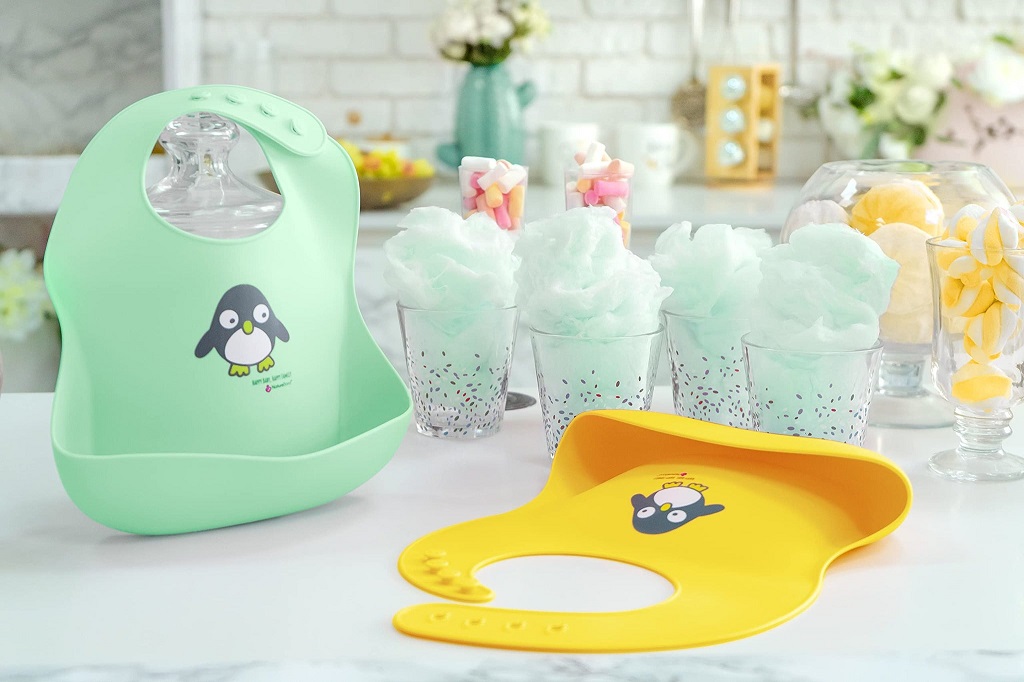
In baby world, food-grade silicone rules. It skips BPA and phthalates. Tests show it safe for gums and tummies. Brands like Mushie craft bibs from it. Soft edges hug necks. Pockets trap peas. Parents snap pics of calm feeds.
But eco whispers persist. Silicone feels forever. It shrugs off sun and rain. Unlike cloth, it won’t fray to dirt. This strength charms. It also burdens dumps. We’ll unpack that next.
The Truth: Do Silicone Baby Bibs Break Down?
Straight talk. Silicone baby bibs do not biodegrade. They resist nature’s tools. Microbes ignore them. UV rays barely dent them. A 2025 Kinsoe report confirms it. Standard silicone lingers 100 to 1,000 years. Like plastic kin.
Labs test this. They bury samples. Organic bits vanish. Silicone mocks them. It stays intact. No methane bursts. No soil boost. Just stubborn form.
Some brands push back. They tout “eco-silicone.” Blends with plant bits. A 2025 trend spot from Kinsoe notes progress. These hybrids degrade faster. But truly biodegradable? Not yet. Most market bibs stay classic. Durable wins over dissolve.
Parents feel the pinch. You buy for safety. Now eco doubts creep. Fear not. Knowledge arms you. Silicone shines in use. It cuts laundry. One wipe beats ten washes. Still, end-game matters. Dumps grow. Oceans sip fragments.
Environmental Footprint of Silicone Bibs
Silicone bibs charm with ease. Yet their shadow stretches far. Production kicks off impacts. Sand mining scars lands. Energy plants belch fumes. A 2024 OECD stat ties plastics to 3.4% global emissions. Silicone tags along. Hydrocarbons fuel its birth.
Use phase? Kinder. Bibs endure spills. They dodge replacements. Plastic bibs crack sooner. Silicone laughs at forks. Less churn means less make. The Silicones Council boasts a nine-fold GHG cut. Savings from long life trump build costs.
Disposal hits hard. Landfills swallow them. No rot. They pile up. EPA eyes 14.5 million tons of packaging waste. Bibs join. Incinerators fare better. They burn clean. Silica, CO2, water vapor. No dioxins like PVC.
Oceans worry experts. Bits leach in. Micro-silicone mimics plastics. A 2025 Environmental Blog flags wildlife woes. Fish nibble. Chains climb to plates. Human links? Early. But parallels alarm.
Recycling? Spotty. Most curbside skips it. Special plants grind it. Fuel or new rubber. Europe leads. U.S. lags. Check local rules. Reuse first. Donate worn bibs. Extend lives.
Health Safety: Silicone Bibs and Your Baby
Moms and dads prioritize tiny hearts. Silicone passes tests. Food-grade versions hug FDA nods. No BPA leaks. No phthalate fears. A 2025 Lanxin guide cheers it. Soft touch avoids rashes.
Babies gnaw edges. Silicone yields. No sharp breaks. Heat it. Microwave safe. Cold snap? Freezer fine. Dishwasher grins back. Germs flee suds.
Allergies? Rare. Hypoallergenic stars. Unlike latex. Studies from Health Canada back it. No health dangers in daily doses.
Compare to vinyl. That stuff hides toxins. Silicone stays pure. Parents report calm. No odd smells. No skin flares. Real win for fussy eaters.
Still, pick wise. Scan labels. 100% silicone. No fillers. Twist test: Pure bends even. Fakes crack. Your choice guards giggles.
Pros and Cons of Silicone Baby Bibs
Silicone bibs draw crowds. They solve real pains. But balance calls for lists.
Pros:
- Waterproof walls block every drop.
- Wipe in seconds. No laundry dread.
- Tough hides dents. Years of service.
- Adjustable snaps fit growth spurts.
- Cute prints spark smiles. Patterns galore.
Cons:
- Eco holdout. No natural fade.
- Upfront feel stiffer than cloth.
- Pockets snag if not deep.
- Heat from dryers? Skip them.
- Recycle hunt tires some towns.
Real mom story. Sarah juggles twins. Silicone bibs saved her sanity. “Peas everywhere. One rinse. Back to play.” Yet, she eyes bamboo now. “For earth’s sake.”
Weigh your world. Mess master or green guardian?
Green Alternatives: Bibs That Break Down
Ditch doubts. Go biodegradable. Nature cheers these swaps.
Organic cotton leads. Soft as clouds. Absorbs drool. Washes easy. Brands like Burt’s Bees weave it. Patterns pop. Machine tumble friendly.
Bamboo rises fast. Grows sans sprays. Bibs breathe. No sweat traps. Piccalio crafts them. Pocket perks catch crumbs.
Hemp joins fray. Sturdy strands. Stain fighters. Earth dyes color them. Lesser known. Big heart.
Top Picks:
- Bamboo bliss: Lightweight. Comfy necks.
- Cotton classics: Budget buds. Layerable.
- Hemp heroes: Rare rips. Quick dries.
Mix match. Silicone for solids. Bamboo for teething. A 2024 Stroller Society tip: Blend for wins.
Cost? Reuse tips scales. Compost worn ones. Soil loves them.
How to Choose Eco-Smart Bibs for Your Family
Hunt smart. Labels lead. Seek GOTS certs. Organic stamps shine.
Size matters. Snaps stretch. From 4 months up.
Pockets? Deep scoops snag less. Food stays put.
Care clues. Dish safe? Hand wash? Match your flow.
Test touch. Soft yields to wiggles. No stiff hugs.
Shop stories. Brands spill sourcing. Transparent tales trust.
Your clan guides. Messy Milo? Waterproof wins. Calm Clara? Cotton calls.
Trial run. Borrow. See smiles.
Tips for Sustainable Baby Feeding Gear
Green goes beyond bibs. Whole routine refreshes.
- Reuse ruthlessly. Pass hand-me-downs.
- Thrift hunts. Gems hide cheap.
- DIY delights. Sew scraps. Fun flows.
- Compost close. Food bits feed gardens.
Stats spur. EPA cuts food waste 4.1% via compost. Tiny steps stack.
Brands evolve. 2025 sees smart bibs. Sensors sip spills. Less laundry.
Parent power. Share swaps. Forums buzz tips.
Earth thanks you. Babies bloom bright.
Conclusion
Silicone baby bibs guard outfits like champs. They wipe woes away. But biodegradable? Science says no. They endure, not erode. Production pulls resources. Dumps claim them. Yet, health holds strong. No toxins touch tots.
We unpacked truths. From sand births to ocean risks. Alternatives await. Bamboo breathes easy. Cotton crumbles kind. Choose blends. Reuse reigns.
Act now. Swap one bib. Feel the shift. Your pick paves paths. Green feeds grow. Little ones lead. What’s your next move? Grab a bamboo buddy. Watch mess meet magic.
Related Topics: Eco Parenting Tips for a Healthier Start
FAQs
Are Silicone Baby Bibs Safe for Everyday Use?
Yes. Food-grade versions dodge harms. They skip BPA and phthalates. Soft designs hug safe. Clean them quick. Babies chew worry-free.
What Happens to Silicone Bibs After Use?
They head to landfills. No breakdown. Recycle where you can. Reuse extends joy. Donate to daycares.
Can I Compost Silicone Bibs?
No. They mock microbes. Toss in trash. Or burn for energy. Check local plants.
What’s the Best Biodegradable Bib Material?
Bamboo tops. It grows green. Breaks down fast. Cotton follows close. Both cozy and kind.
How Do I Know If My Bib Is Truly Eco-Friendly?
Scan certs. GOTS or OEKO-TEX shine. Ask brands. Transparent talks truth.
Related Topics: Magic of Bamboo Cloth Diaper Inserts
References

Similar Posts