Organic Baby Gear: Eco Parenting Tips for a Healthier Start

Choosing the right baby products can feel overwhelming for modern parents. With growing awareness of environmental impact and health concerns, many families now turn toward organic baby gear. Organic products minimize exposure to harmful chemicals and promote sustainability, aligning with eco-friendly parenting values. This article dives deep into why organic baby gear matters, offers practical eco parenting tips, and shares real insights backed by statistics and expert opinions.
Why Choose Organic Baby Gear?
The baby market is flooded with countless products, but organic options stand apart. According to a 2023 report by the Organic Trade Association, sales of organic baby products have grown by 12% annually over the past five years. This surge reflects parental concern about toxins, synthetic dyes, and pesticides commonly found in conventional baby items.
Pediatricians increasingly warn that chemicals such as phthalates and BPA in plastics can disrupt infant development. A study published in Environmental Health Perspectives found a correlation between early exposure to such chemicals and developmental delays. Parents who invest in organic baby gear reduce these risks by choosing products made with natural, non-toxic materials like organic cotton, untreated wood, and natural rubber.
However, skeptics argue that organic gear often costs more and isn’t always significantly safer. While cost is a valid concern, the price reflects sustainable farming and ethical manufacturing. Additionally, non-organic materials sometimes carry hidden costs related to environmental damage and long-term health effects. Therefore, investing upfront in organic gear can save parents future medical expenses and contribute to a cleaner planet.
Eco Parenting: Practical Tips Beyond Baby Gear
Eco parenting extends far beyond purchasing organic products. It encompasses lifestyle changes aimed at reducing waste and conserving resources. Parents can start by:
- Choosing secondhand or hand-me-downs: Babies outgrow clothes quickly, so buying gently used organic baby gear keeps items in circulation and cuts down waste.
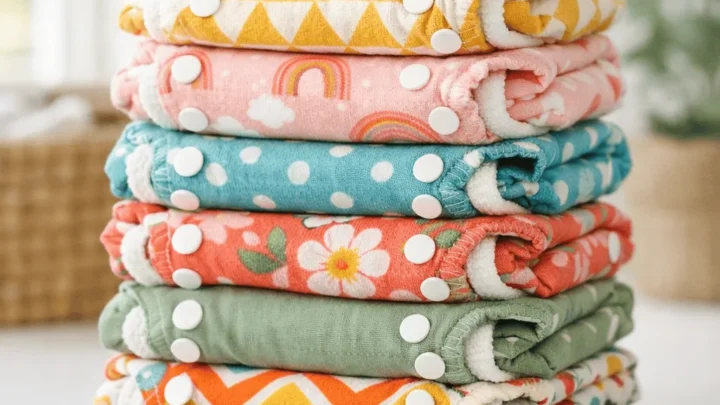
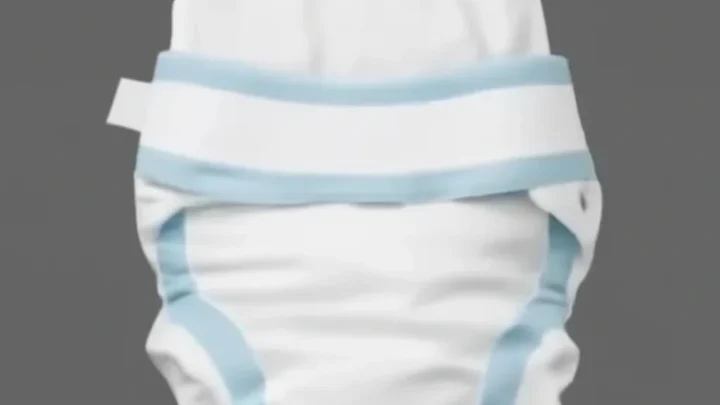
- Opting for biodegradable diapers: Conventional diapers take hundreds of years to decompose. Biodegradable brands break down faster and often use organic cotton or bamboo.
- Supporting local and ethical brands: Buying from companies that prioritize fair labor and eco-friendly practices ensures your purchase aligns with your values.
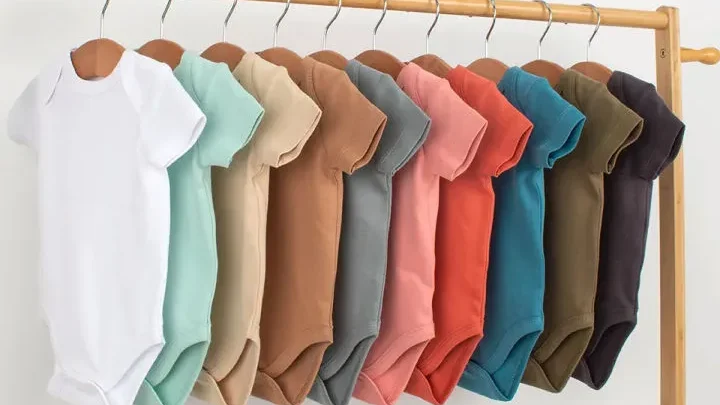
Moreover, reducing plastic use is crucial. Swapping plastic bottles for glass or stainless steel alternatives prevents chemical leaching and reduces landfill contributions. Experts suggest starting small—like switching to organic cotton swaddles and then expanding to toys and furniture made from sustainable materials.
The Environmental Impact of Organic Baby Gear
Organic farming avoids synthetic pesticides and fertilizers, which benefits soil health and water quality. According to the Rodale Institute, organic farming methods can sequester more carbon in soil than conventional methods, helping combat climate change. Therefore, choosing organic baby gear supports agricultural practices that nurture the earth instead of depleting it.
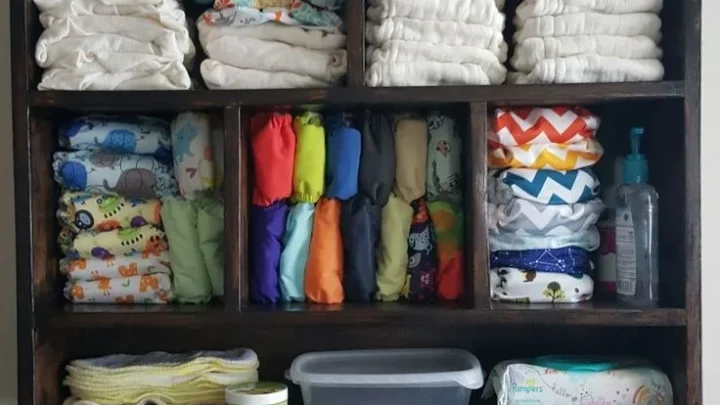
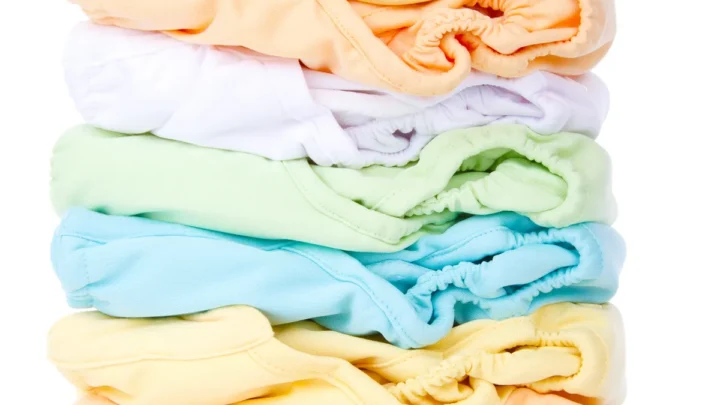
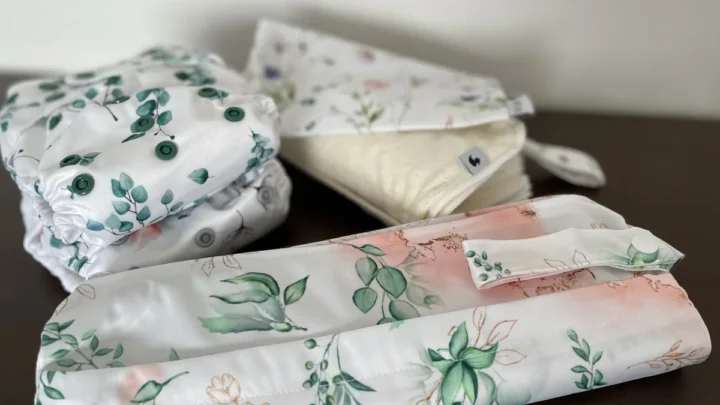
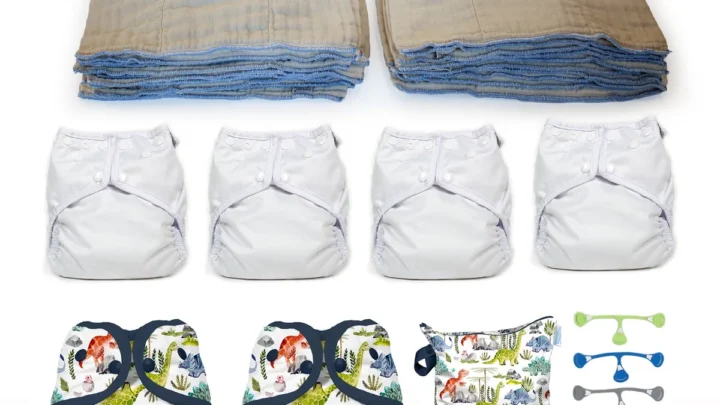
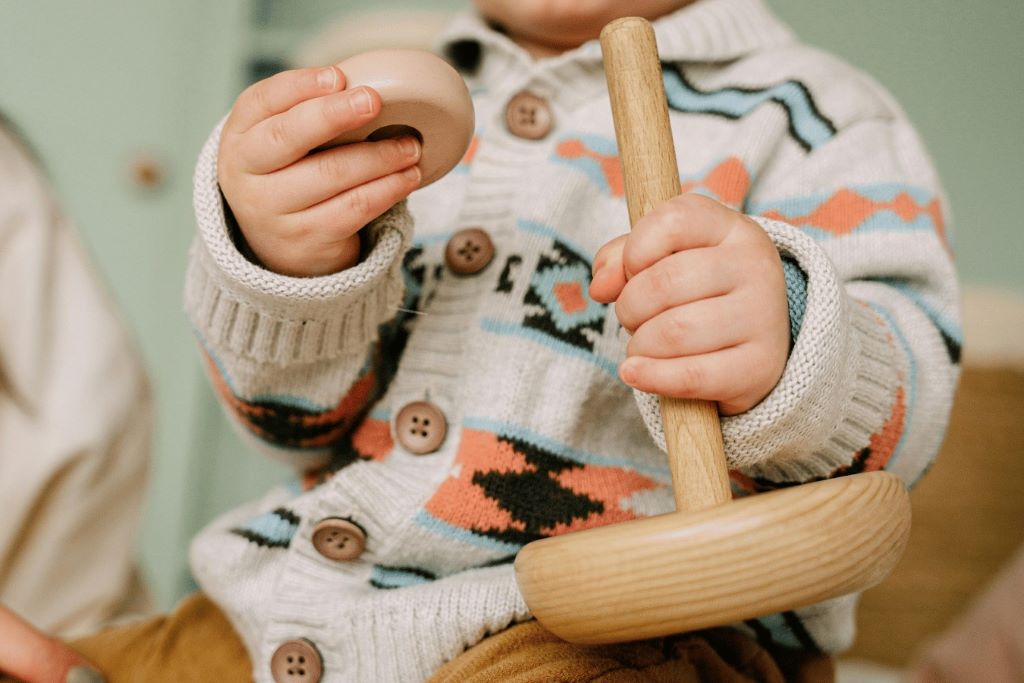
Parents also reduce landfill waste by selecting durable, reusable baby items. For instance, wooden toys and cloth diapers last longer than plastic and disposable counterparts. This durability reduces the frequency of replacements and waste generation.
Balancing Budget with Sustainability
One of the biggest hurdles parents face is balancing cost with eco-conscious choices. Organic baby gear can seem pricey, but savvy shoppers find ways to save:
- Look for sales and discount programs on certified organic products.
- Join eco parenting groups online for tips on affordable brands.
- Prioritize essential items such as organic clothing and bedding before moving on to less critical products.
Financial experts point out that prioritizing fewer, higher-quality items often saves money in the long run. Quality organic gear lasts longer, resists wear and tear, and often retains resale value.
Expert Opinions and Consumer Insights
Dr. Emily Hanson, a pediatric environmental health specialist, emphasizes the importance of reducing infants’ exposure to toxins. She notes, “Organic baby gear reduces the chemical burden on developing bodies, which is crucial during early brain and immune system growth.”
Conversely, consumer advocate James Lee highlights the need for transparency. “Not all products labeled ‘organic’ meet strict standards. Parents should look for third-party certifications like GOTS (Global Organic Textile Standard) to ensure authenticity.”
Parent reviews frequently praise organic gear for softness and hypoallergenic properties, especially for babies with sensitive skin. A survey by BabyGearLab found 78% of parents using organic products reported fewer allergic reactions in their infants.
Natural And Eco-Friendly Personal Care Products | Green Hygiene Essentials
FAQs About Organic Baby Gear and Eco Parenting
- What makes baby gear truly organic?
Certified organic baby gear is made from materials grown without synthetic pesticides or chemicals, verified by standards like GOTS. - Are organic baby products safer than regular ones?
Generally, yes. Organic products reduce exposure to harmful toxins often found in conventional items, lowering health risks. - How do I find affordable organic baby gear?
Shop sales, secondhand markets, and subscribe to eco parenting communities for deals and recommendations. - Can I reuse organic baby gear for multiple children?
Absolutely. High-quality organic gear tends to be durable, making it perfect for reuse or passing down. - Is it necessary to buy all baby products organic?
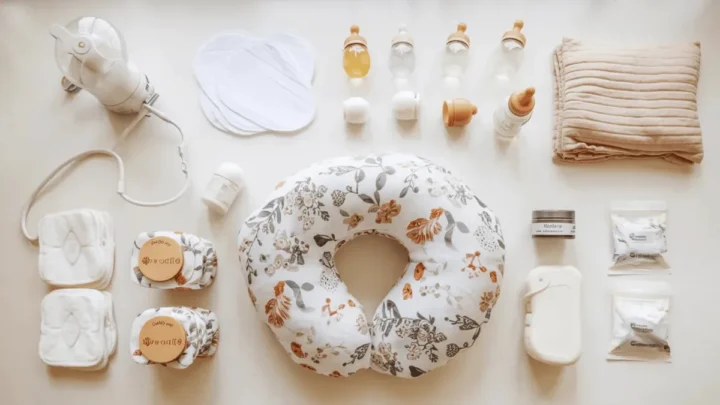
Focus on high-contact items like clothing, bedding, and feeding tools first. Gradually switch to organic options over time. - What are some eco-friendly diaper options?
Biodegradable diapers made from bamboo or organic cotton break down faster and reduce landfill impact. - How does organic baby gear impact the environment?
Organic production supports soil health, lowers pesticide runoff, and decreases greenhouse gas emissions.
Final Thought
Choosing organic baby gear isn’t just a trend—it’s a conscious lifestyle choice rooted in science and ethics. It safeguards your baby’s health while championing environmental stewardship. Parents can start small, prioritize key items, and adopt sustainable habits to make meaningful changes. By combining eco parenting tips with smart purchases, families build a nurturing, toxin-free environment that supports future generations.
Related Topics:

Similar Posts