Eco-Friendly Baby Shower Supplies That Wow
You're staring at a pile of bamboo plates, compostable cups, and "biodegradable" napkins, wondering if you've actually done something good or just spent more money on fancy trash. That's the trap with sustainable baby shower supplies. Most guides tell you to buy green products, but they never ask the question that actually matters: what happens to all of it when the party ends?
As of 2026, a shocking amount of "compostable" partyware never makes it to a compost facility. Per ASTM D6400 testing standards, most certified compostable products require industrial facilities that heat materials to around 140°F, and only about 5% of US communities offer that service. So let's walk through the real decision process, because the most sustainable choice depends entirely on your venue, your budget, and your willingness to wash a few dishes.
Quick Answer
Sustainable baby shower supplies depend on your situation. Real dishes beat compostables in every environmental metric. Rent or borrow tableware before buying anything new.
If going disposable, choose palm leaf or bagasse plates. Confirm industrial composting access before buying certified compostable products. Secondhand décor eliminates waste entirely.
Digital invitations always win over paper.
Why "Eco-Friendly" Baby Showers Usually Miss the Mark
The baby shower industry has figured out that guilt sells. You'll find "green" balloon arches, bamboo-themed decorations, and plates labeled with leafy logos. But here's the uncomfortable truth: a biodegradable product that ends up in a landfill behaves exactly like regular trash.
It doesn't break down without oxygen and microorganisms. It just sits there, sometimes for decades.
The real problem with most eco-friendly baby showers isn't the products themselves. It's that hosts buy new "sustainable" items when perfectly good used alternatives exist. A thrifted stack of ceramic plates that gets washed and reused a hundred times beats any single-use option, even a compostable one.
Our research consistently shows that the most sustainable supply is the one you already own, can borrow, or can rent.
That's why we're framing this as a decision tree rather than a shopping list. You need to evaluate your specific situation before spending a dime. This approach also aligns with broader eco-friendly baby products thinking, where reducing consumption always outranks buying greener versions of the same stuff.
Before You Buy Anything: The 5-Minute Party Audit
The most expensive mistake you can make is buying supplies before understanding your constraints. Every sustainable choice hinges on three variables: venue rules, guest count, and your willingness to handle logistics. Skipping this audit is how you end up with forty compostable plates that a caterer refuses to use.
Venue rules and caterer restrictions. Call the venue or read the contract carefully. Many event halls require licensed caterers who may only work with specific types of tableware. Some venues ban glass outright.
Others include cleanup in their staffing, meaning you can use real dishes. This single phone call eliminates half your options right away.
Guest count and its impact on strategy. A small shower of fifteen guests makes washing dishes totally manageable. A fifty-person affair changes the math entirely. For every ten guests, plan on roughly twenty plates and thirty cups.
That's a lot of dishwashing if you're handling it yourself. Secondhand stores have plenty of options if you start looking early enough.
Logistics and the effort budget. Be brutally honest with yourself. Are you willing to haul fifty plates home and wash them at midnight after the party? Will you have time to return rental tableware to the vendor within their twenty-four-hour window?
If the answer is no, choose a different route. The same discipline applies to choosing green parenting essentials for your everyday life, where convenience determines whether you'll actually stick with sustainable habits.
The Decision Tree: Matching Your Situation to the Right Supplies
Here's where the framework comes together. You'll fall into one of four branches, each with its own best options. Be honest about your circumstances, and the right choice becomes obvious.
Branch 1: You Have Dishwasher Access (The Real-Dish Route)
If your venue has a dishwasher or you live close enough to haul dishes home, this is the gold standard. Real dishes washed and reused represent the lowest environmental impact of any option, per lifecycle assessments published in peer-reviewed journals.
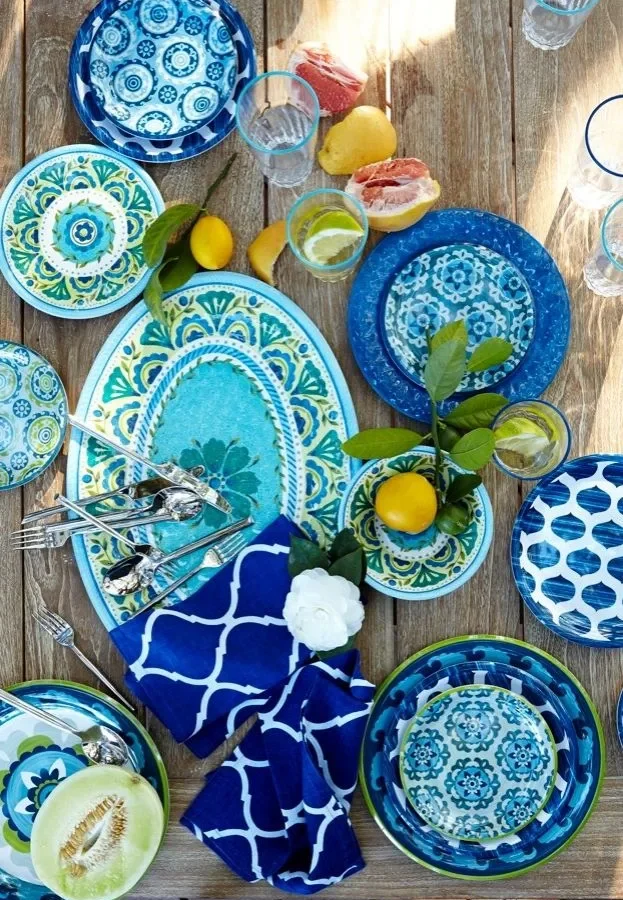
Thrift store hauls and mixing unmatched sets. You don't need matching dinnerware. Mixing different floral patterns, solid colors, and vintage finds creates a charming, eclectic look that photographs beautifully. Check local thrift stores two to three weeks before your event.
Expect to pay between $0.50 and $2.00 per plate. Glass cups run $0.25 to $1.00 each. For a thirty-person shower, you can outfit the entire table for under $75.
Renting vs. buying for 25, 50 guests. Renting makes sense when you need many identical pieces or want specific styles. Local event rental companies charge roughly $0.75 to $1.50 per plate and $0.50 to $1.00 per cup. The tradeoff is the pickup and return schedule.
Many vendors require 24-hour return windows, which adds post-party stress. Buying secondhand means donating everything afterward for a tax write-off.
Branch 2: You're Paying for a Venue That Won't Let You Wash (The Rental Route)
This is the second-best option. Professional rental companies handle washing, sanitizing, and delivery. You just set the table and return the crates.
Melamine is the material to request because it's lightweight, nearly unbreakable, and commercially compatible with most industrial dishwashers.
What to look for in rental inventory. Ask about melamine vs. ceramic options. Ceramic looks more upscale but weighs more. Melamine handles outdoor conditions better and resists chipping during transport.
Confirm that the rental price includes cleaning. If not, factor in an additional fee that some vendors charge. Most companies require a deposit equal to the replacement value of the inventory, usually $200 to $500 depending on quantity.
Timing and breakage deposits. Book your rental at least two weeks in advance, especially during peak wedding and baby shower season between April and October. Inspect every piece when you pick it up. Document any pre-existing damage with photos to avoid disputes over your deposit.
A single broken plate typically costs $8 to $15, which gets deducted from your deposit.
Branch 3: You're Outdoors or On the Go (The Compostable Route)
This branch works best for park picnics, beach showers, or anywhere washing dishes isn't feasible. The key is choosing materials that actually perform well and confirming you have a composting destination.
Palm leaf vs. bagasse vs. bamboo fiber plates. Palm leaf plates come from fallen Areca palm leaves, pressed into shape without binders. They handle hot food well and have an elegant, natural texture. Expect to pay $0.75 to $1.50 per plate.
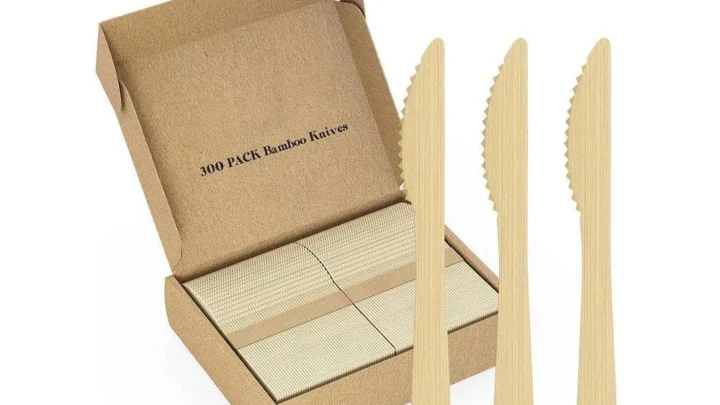
Bagasse plates come from sugarcane pulp, a byproduct of sugar production. They're sturdier than paper, slightly cheaper around $0.50 to $1.00, and have a smoother surface. Bamboo fiber plates are the most polished but expensive, running $2 to $4 per plate, and some brands use melamine binders that aren't compostable.
PLA-lined cups and the limitations nobody mentions. Polylactic acid, or PLA, lines many "compostable" paper cups. These cups require industrial composting conditions to break down. They also fail in hot liquid.
That iced coffee or hot tea will soften the lining and cause leaks within thirty minutes. Choose unlined paper cups for cold drinks or invest in reusable plastic cups for adults.
The tough question: can you actually compost these where you live? Check your city's composting facility before buying. Most municipal yard waste programs don't accept food service ware. Even facilities that do might reject PLA products.
If you can't confirm, visit EPA composting guidelines for resources on finding facilities near you.
Branch 4: You're on a Tight Budget (The Secondhand + Borrow Route)
Zero waste and zero dollars are the same goal here. This approach requires more creativity but produces the most interesting party aesthetic.
Buy Nothing groups and Facebook Marketplace scores. Post in your local Buy Nothing group that you're hosting a baby shower and need plates, cups, and decor. You'll be surprised how many people want to help. Facebook Marketplace frequently lists free or nearly free wedding and party supplies.
Search "wedding decor," "party plates," and "silverware" to find bulk lots.
The "bring your own plate" concept (and how to make it feel classy). This is becoming a trendy approach in eco-conscious circles. Include a note on your invitation asking guests to bring their favorite plate or mug. Frame it as a party activity, not a burden.
Provide a sticker station where guests label their items. This transforms a logistical constraint into a conversation starter. You can also frame this around zero-waste diaper bag habits, where the same "use what you have" mentality applies to everyday parenting.
Reusing décor from other parties. Bunting flags, fabric tablecloths, and glass vases survive multiple events. Ask friends who recently hosted weddings or birthdays to loan their décor. Or start a neighborhood party-supply swap where everyone shares items for future events.
Décor and Favors That Don't Become Trash
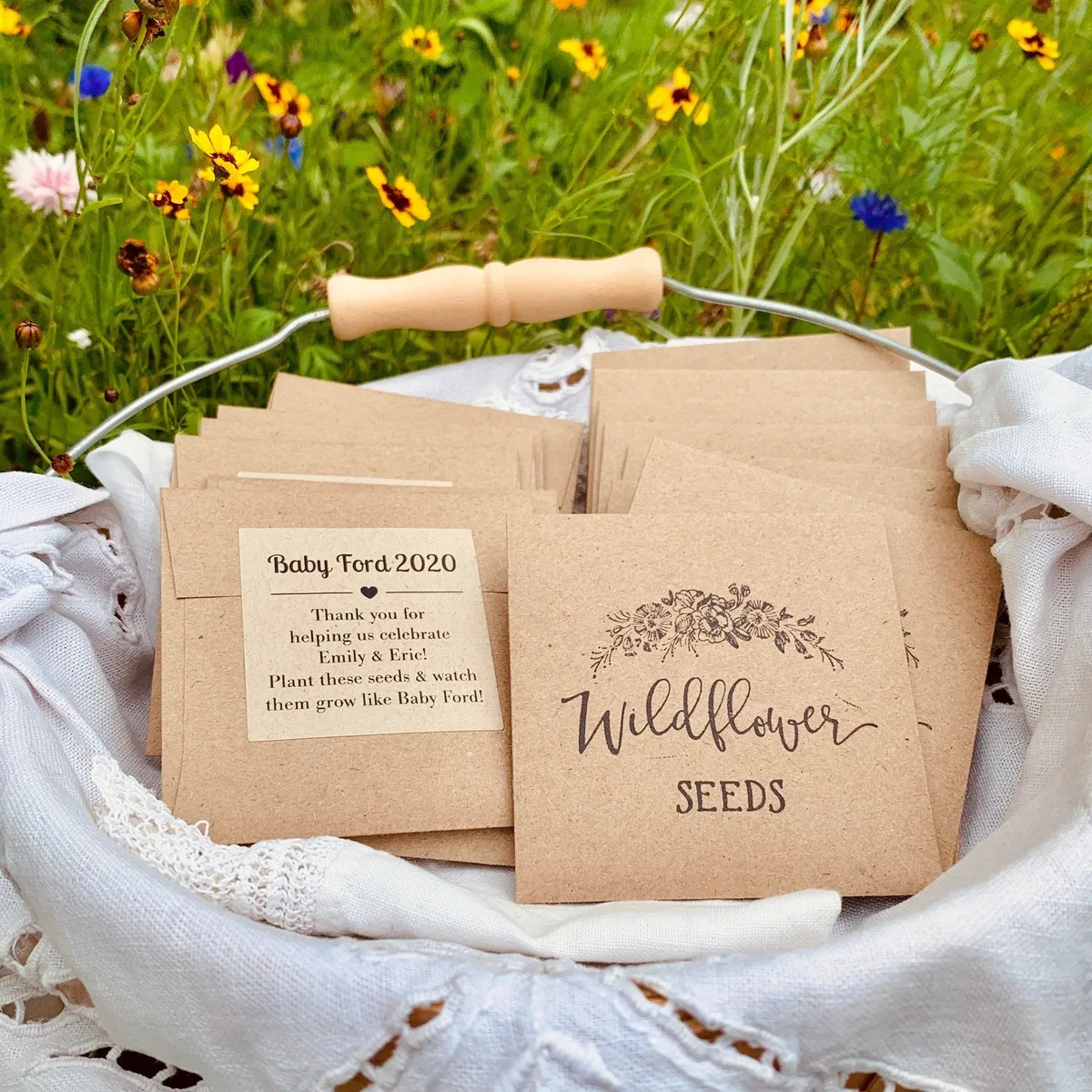
Tableware gets the most attention, but décor and favors secretly account for the majority of baby shower waste. Balloons, plastic banners, and single-use favors pile up faster than plates. Here's how to avoid that trap.
Fabric bunting and reusable centerpieces. Skip the mylar balloons. They're made from non-recyclable plastic film that ends up in landfills. Instead, string fabric bunting styled after vintage quilts.
Potted herbs like rosemary or basil double as both centerpieces and party favors. Guests take them home and plant them. This delivers on the sustainable promise of organic baby gear philosophy: investing in things that grow and persist rather than disposable items.
Seed paper favors and live plant giveaways. Seed paper cards contain wildflower seeds embedded in recycled paper. Guests plant the card, and the paper decomposes, leaving flowers behind. This is genuinely compostable and costs about $1 to $2 per card.
Small potted succulents or air plants make excellent favors too. They're living reminders of the celebration that last for years instead of hours.
Why cut flowers and balloons are trickier than they seem. Cut flower arrangements look beautiful but die within days, adding to organic waste. If you want flowers, choose potted options or opt for dried flower arrangements that last indefinitely. When done with any favors, consider how they align with bamboo-based eco products like toothbrushes that replace plastic.
The principle is the same: durable materials over short-lived trends.
The compostable confetti trap. Compostable confetti still requires industrial composting conditions. If the party is outdoors, wind scatters it into grass where it takes months to break down. Instead, use real flower petals for a natural effect.
They decompose quickly in any environment and add a lovely organic texture to photos.

Similar Posts