Best Eco-Friendly Baby Products for a Greener Nursery
Finding genuinely eco friendly baby products feels harder than it should be. Marketing labels throw around words like "natural" and "green" constantly. But those terms mean almost nothing without third-party verification.
You need to look past the packaging to see what you are actually buying.
Our research shows most parents use between 6,000 and 8,000 diapers before potty training. That is a massive amount of waste if you stick with conventional plastics. Checking for GOTS certification standards separates real organic textiles from clever marketing.
Let us break down exactly which materials hold up in daily life.
Quick Answer
Eco friendly baby products replace single-use plastics with reusable or compostable materials. Look for GOTS or OEKO-TEX certifications on all fabrics. Glass and food-grade silicone outlast plastic bottles.
Natural rubber teethers avoid harmful chemical additives. Always verify claims through independent testing databases.
Why "Eco-Friendly" Baby Products Are So Hard to Compare (And How to Cut Through the Greenwashing)
Greenwashing makes comparing sustainable baby gear incredibly frustrating. Brands print leaves on packaging and call it a day. Real safety requires verifiable data, not just pretty graphics.
You have to read the fine print to protect your child.
The core problem is unregulated terminology. Words like "chemical-free" are scientifically impossible. Everything is made of chemicals, including water.
What matters is identifying endocrine disruptors and volatile organic compounds that off-gas near your baby.
Manufacturer specifications often hide behind proprietary blends. If a crib mattress company will not list its exact core materials, walk away. Transparency is the baseline for trust.
You cannot compare two products when one refuses to share its ingredient list.
To cut through the noise, focus entirely on third-party certifications. The Consumer Product Safety Commission enforces strict baseline rules for childcare articles in the US. But voluntary standards like MADE SAFE go much further.
These independent audits test for heavy metals, phthalates, and PVC.
When evaluating options, check for specific testing parameters rather than vague promises. Look for TCF processing on wipes and unbleached cotton on sheets. This level of detail tells you a brand actually invested in safer manufacturing.
It also gives you a concrete metric to compare against competitors.
The Big Swaps: Cloth vs. Biodegradable Diapers, Glass vs. Silicone Bottles, and Natural Mattresses
Swapping conventional gear for sustainable alternatives changes your daily routine. Each option carries distinct trade-offs in convenience, cost, and environmental impact. You need to match the product to your actual lifestyle.
There is no single perfect choice for every family.
Which diaper system fits your home?
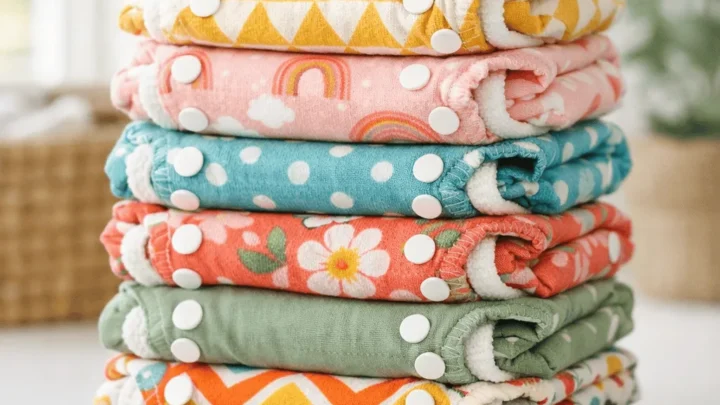
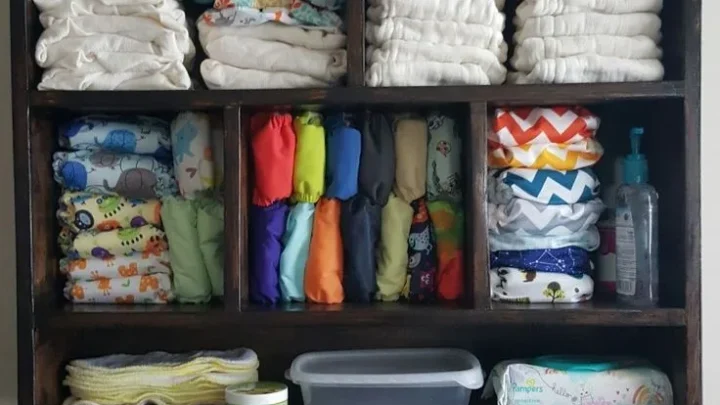
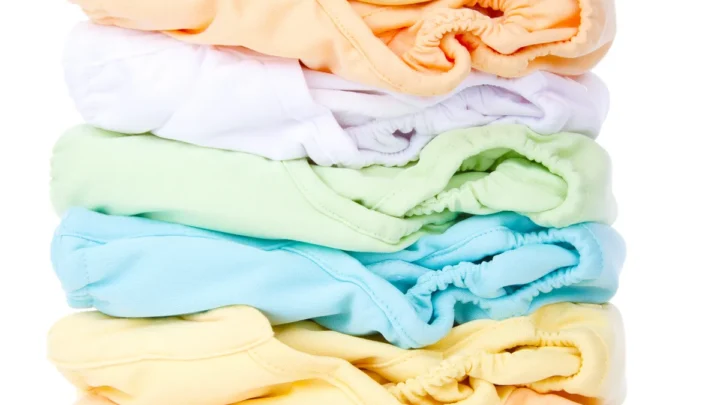
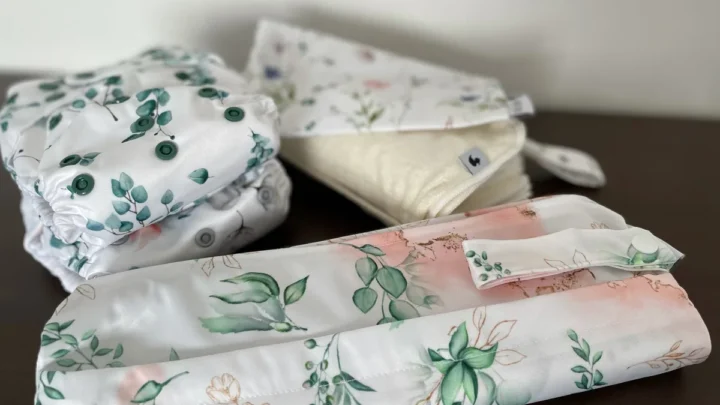
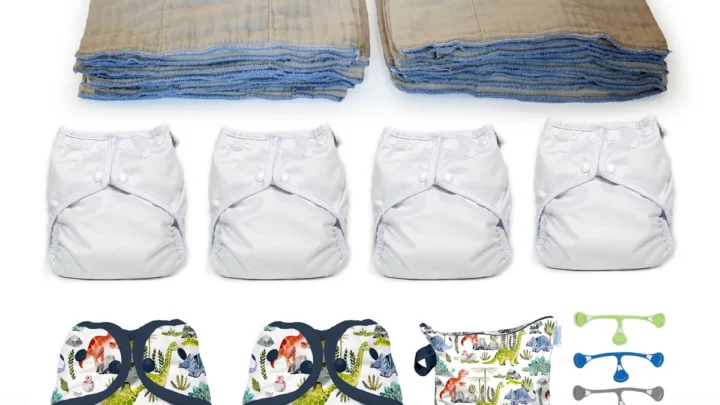
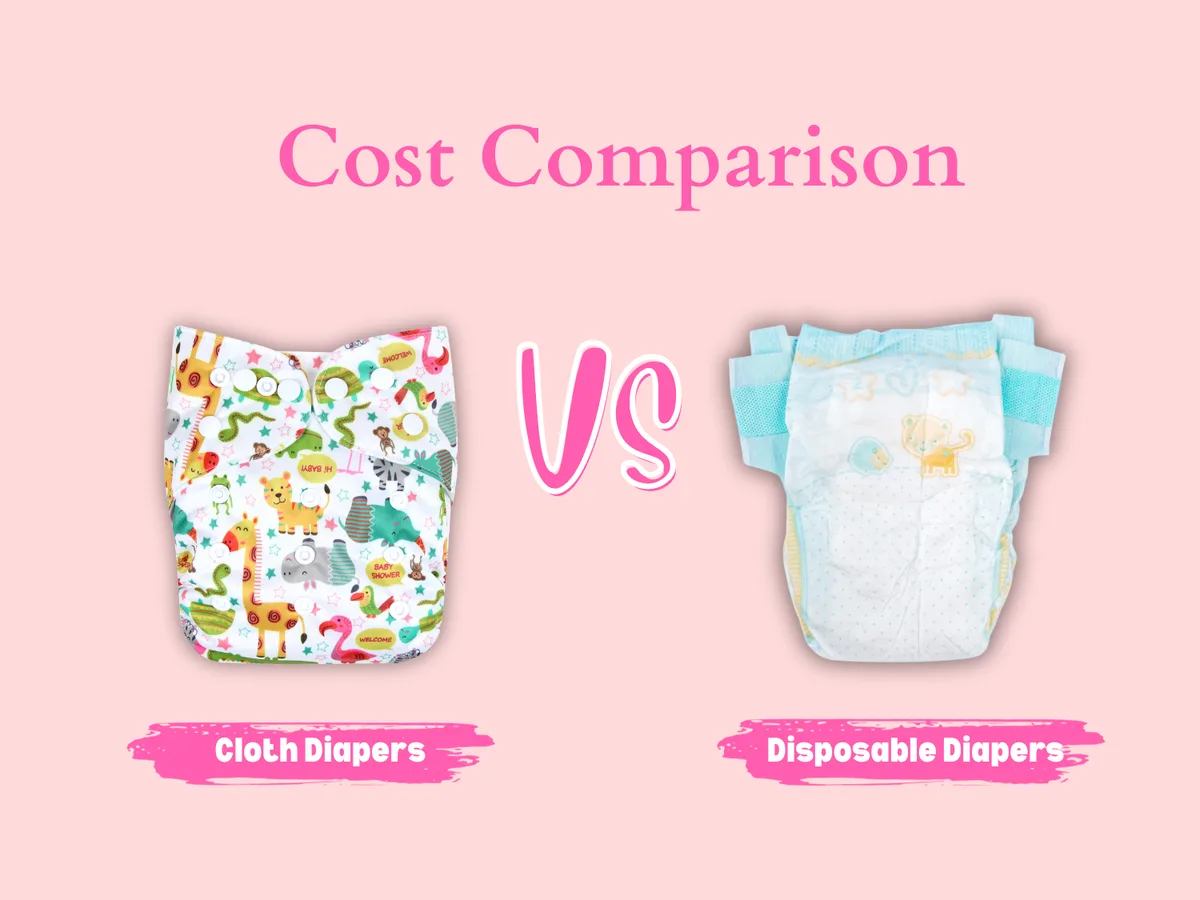
Cloth diapers eliminate thousands of items from landfills. Modern all-in-one designs snap together quickly. Prefolds with hemp inserts offer maximum absorbency for heavy wetters.
But they require a dedicated washing routine to prevent mineral buildup.
Biodegradable disposable diapers sound like an easy compromise. They use plant-based plastics instead of petroleum derivatives. However, aggregate reviews report they only break down efficiently in industrial composting facilities.
If your city lacks municipal composting, they sit in landfills just like regular disposables.
For families managing eczema or contact dermatitis, material breathability matters most. We have covered specific options for sensitive newborn skin previously. Unbleached cotton prevents irritation caused by harsh chlorine processing.
Choosing safe feeding vessels
Glass baby bottles never leach microplastics into warm milk. They handle repeated sterilization without degrading. The downside is obvious weight and shatter risk during late-night feeds.
Food-grade silicone offers a lightweight, unbreakable alternative that still avoids BPA and phthalates.
Silicone stretch lids and beeswax wraps also replace single-use plastics for storing purees. Understanding how these materials age over time helps you plan replacements. Medical-grade silicone lasts longer than standard food-grade versions under high heat.
Sleep surfaces and air quality
Conventional polyurethane foam mattresses off-gas VOCs for months. Natural latex or coconut coir cores provide firm support without synthetic adhesives. Firmness is a strict safe sleep requirement to prevent suffocation hazards.
Always verify the mattress meets current CPSC dimensions for your specific crib model.
Side-by-Side Breakdown: Materials, Certifications, and Real-World Performance
Comparing eco friendly baby products requires looking at hard specs. Marketing copy rarely mentions wash-cycle lifespans or exact material grades. We built this breakdown using manufacturer data and verified buyer feedback.
Use it to weigh your options side by side.
| Feature | Glass Bottles | Silicone Bottles | Conventional Plastic |
|---|---|---|---|
| Material Grade | Borosilicate glass | Medical or food-grade silicone | Polypropylene (PP #5) |
| Heat Tolerance | Excellent | Very good | Degrades over time |
| Weight | Heavy | Lightweight | Lightweight |
| Lifespan | Years | 3,000+ wash cycles | 6 to 12 months |
| Microplastic Risk | Zero | Zero | High when scratched |
Certifications act as your primary filter. GOTS ensures textiles contain at least 70% certified organic fibers. It also bans toxic dyes and mandates fair labor practices throughout the supply chain.
This standard covers everything from crib sheets to swaddles.
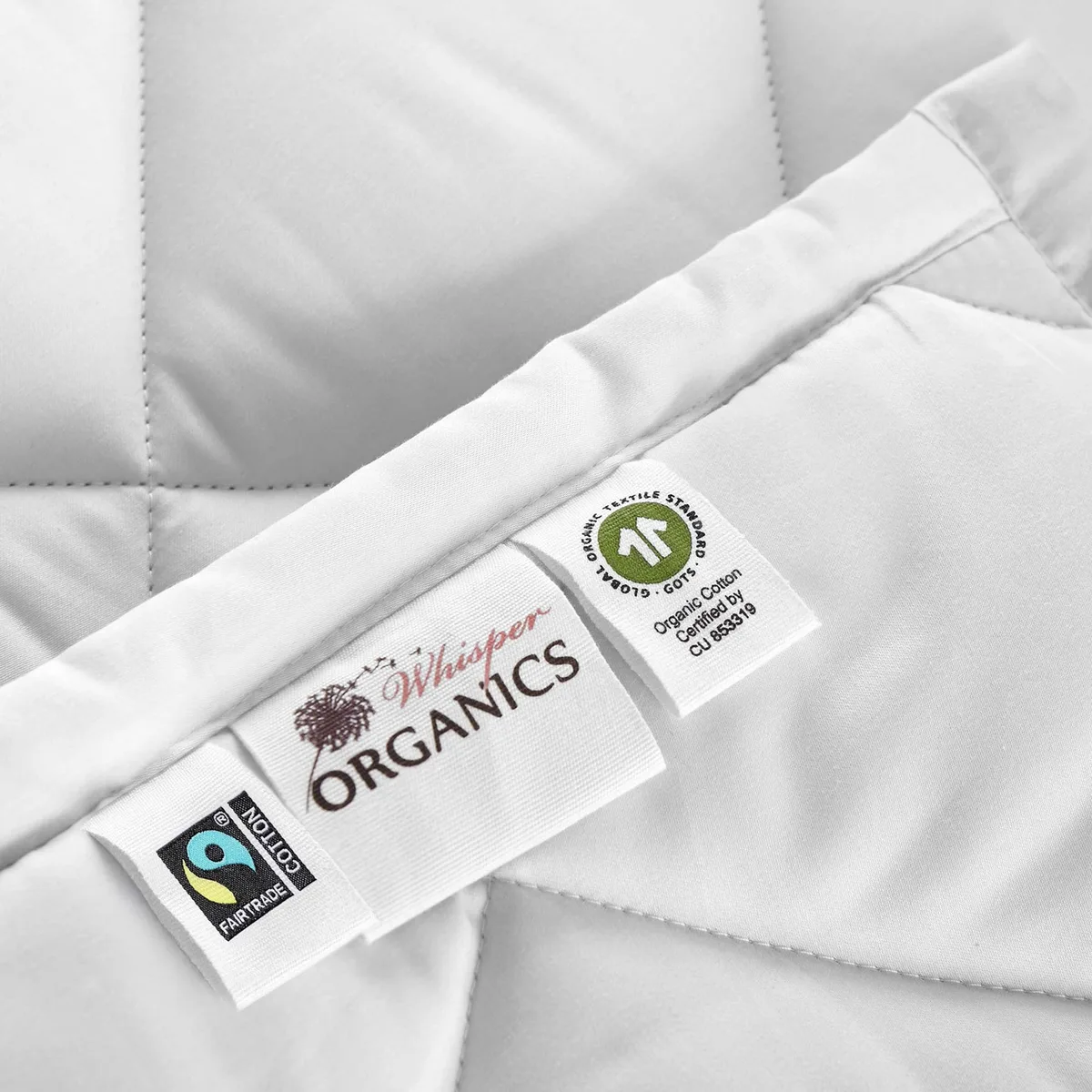
OEKO-TEX Standard 100 tests finished products for harmful substances. It checks for pesticides, heavy metals, and allergenic dyes. A product can pass OEKO-TEX without being fully organic.
Both certifications serve different but equally vital purposes.
Material performance varies wildly depending on your local environment. Bamboo viscose clothing feels incredibly soft and regulates temperature well. But the manufacturing process relies heavily on chemical solvents unless specifically closed-loop processed.
Organic cotton requires more water to grow but uses far fewer chemicals to finish.
For wooden toys, FSC certification guarantees the timber comes from responsibly managed forests. Beechwood and maple resist splintering better than softer woods. Aggregate user reviews show untreated wood teethers last longer than painted ones.
Paint chips eventually, creating a choking hazard.
Understanding how plant-based materials perform daily prevents buyer's remorse. Hemp inserts absorb more liquid than cotton prefolds but take longer to dry completely. Balancing absorbency with drying time dictates your laundry schedule.
What Actually Fits Your Life: Best Eco Options for Daycare, Travel, Nighttime, and Sensitive Skin
The best eco friendly baby products adapt to your specific daily scenarios. A setup that works perfectly at home might fail completely at daycare. Context determines whether a green product is actually practical.
You have to evaluate gear based on where you use it.
Daycare centers enforce strict hygiene policies. Many refuse cloth diapers due to shared sanitation concerns. If your facility mandates disposables, choose TCF biodegradable brands.
Pack them alongside plant-based wipes that lack synthetic preservatives.
Traveling introduces weight and space constraints. Glass bottles become a liability in crowded airport security lines. Medical-grade silicone collapses flat inside a packed bag.
Pairing lightweight gear with a well-planned packing strategy saves your sanity on long trips.
Nighttime demands maximum absorbency. Thin bamboo fleece leaks after four hours of deep sleep. Layering hemp inserts beneath organic cotton prefolds handles heavy output.
Snap closures work better than hook-and-loop fasteners in the dark. Velcro catches on blankets and wakes the baby.
Sensitive skin requires eliminating all potential irritants. Synthetic fragrances trigger contact dermatitis faster than almost anything else. Stick to solid shampoo bars or preservative-free liquid washes packaged in glass.
Water-only wipes clean messes without leaving chemical residue on compromised skin barriers.
Climate plays a hidden role in material selection. Wool diaper covers breathe beautifully in humid summers but require careful hand-washing. They naturally repel moisture without plastic linings.
In dry winters, natural latex mattresses retain warmth better than coconut coir cores.
The True Cost of Going Green: Upfront Pricing, Lifespan Data, and Long-Term Savings
Sustainable baby gear costs more initially. That upfront sticker shock stops many parents from switching. But calculating the total cost of ownership tells a completely different story.
Reusables pay for themselves surprisingly fast.
A full stash of quality cloth diapers runs between $300 and $600 as of 2026. Conventional disposables cost roughly $1,500 to $2,500 over two and a half years. The math favors reusables heavily if you do the laundry yourself.
That savings multiplies if you reuse the stash for a second child.
Glass bottles cost about three times more per unit than plastic ones. But plastic bottles scratch quickly and harbor bacteria. You replace plastic every six to twelve months.
Glass lasts for years with basic care.
Water usage is the main counterargument for cloth systems. Washing machines consume significant electricity and water weekly. Families living in areas with extreme drought face tough choices.
Sometimes hybridizing works best, using cloth at home and eco-disposables on the road.
Hard water regions complicate the financial picture. Mineral buildup ruins absorbency and forces premature replacement of expensive inserts. Learning how to maintain fabric integrity locally extends your investment significantly.
Stripping minerals out monthly saves hundreds of dollars annually.
Natural crib mattresses represent the largest single expense. Expect to pay $300 to $800 for certified organic latex or cotton cores. Conventional foam mattresses often cost under $100.
But foam degrades rapidly and releases VOCs continuously. The health premium justifies the price difference for most buyers.
Wooden toys carry higher retail tags than injection-molded plastic. Yet FSC-certified maple blocks survive decades of rough play. Plastic cracks and ends up in landfills within a few years.
Wooden items retain resale value on secondhand markets, allowing you to recoup costs later.
Safety Standards That Matter: CPSIA, GOTS, OEKO-TEX, and Avoiding Hidden Toxins
Safety certifications are the only reliable way to verify non-toxic baby gear. Marketing claims mean nothing without independent lab testing. You need to know exactly which labels protect your child from hidden chemical exposure.
The Consumer Product Safety Improvement Act sets strict federal limits for lead and phthalates in childcare articles. Any product sold legally in the US must meet these baseline rules. But CPSIA compliance is just the starting point.
It does not cover every synthetic additive used in modern manufacturing.
GOTS certification goes much further for textiles. It requires at least 70% organic fiber content. The standard also bans toxic dyes, heavy metals, and formaldehyde finishes.
Manufacturer specs confirm that GOTS facilities undergo annual third-party audits to maintain their status.
OEKO-TEX Standard 100 tests finished products rather than raw materials. It screens for hundreds of regulated and unregulated harmful substances. A crib sheet might use conventional cotton but still pass OEKO-TEX if no dangerous chemicals remain after processing.
Both standards serve different safety purposes.
Food-contact items like bottles and teethers fall under FDA regulations. The agency restricts specific plasticizers known to disrupt hormones. Look for explicit BPA-free, PVC-free, and phthalate-free labeling on anything your baby chews.
Verified buyer feedback reports that vague "safe plastic" claims often lack this specific documentation.
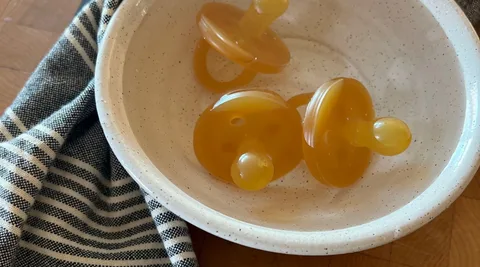
Natural rubber pacifiers offer a plant-based alternative to silicone. They contain no synthetic plastics or petroleum derivatives. However, natural latex can trigger allergies in rare cases.
Always monitor your baby closely when introducing any new material.
Common Mistakes Parents Make When Switching to Sustainable Baby Gear
Switching to sustainable baby gear usually fails because parents change everything at once. Overhauling your entire nursery overnight causes unnecessary stress. Start with one category, master it, and then move to the next.
Skipping the prep wash ruins cloth diapers immediately. New natural fibers contain plant oils that repel water. You must wash hemp or cotton inserts several times before they absorb properly.
Skipping this step guarantees leaks during the first week.
Hard water destroys fabric longevity over time. Calcium and magnesium build up inside microfiber and bamboo fleece. This mineral scale traps ammonia and causes persistent odors.
Figuring out how to manage routine washing locally prevents premature replacements.
Many parents misunderstand how compostable wipes actually break down. These wipes require high heat and specific microbial environments found only in industrial facilities. Tossing them in a backyard compost bin leaves them intact for months.
Flushing them clogs municipal plumbing systems instantly.
Trusting the word "bamboo" blindly leads to greenwashing disappointment. Most bamboo fabric is actually rayon processed using harsh chemical solvents. The raw plant is sustainable, but the manufacturing process often is not.
Look for brands using closed-loop lyocell processing instead.
Buying expensive wooden toys without checking the finish is another common error. Unsealed wood absorbs moisture and breeds bacteria quickly. Painted wood chips off and becomes a choking hazard.
Stick to beeswax or food-grade oil finishes on untreated maple or beechwood.
Finally, storing preservative-free skincare incorrectly shortens its shelf life. Organic lotions lack synthetic stabilizers. Leaving them in hot cars or humid bathrooms encourages mold growth.
Keep small batches in cool, dark places and use them quickly.
Frequently Asked Questions
Are biodegradable diapers actually better for landfills?
Biodegradable diapers only break down efficiently in commercial composting facilities. Municipal landfills lack the oxygen and heat required for decomposition. If your city offers industrial composting pickup, they work well.
Otherwise, they persist similarly to conventional plastic diapers.
How do I prep new cloth diapers before first use?
Wash natural fiber inserts three to five times in hot water before using them. This removes natural plant oils that block liquid absorption. Use a fragrance-free detergent.
Synthetic microfiber only needs one standard wash cycle.
Is glass or silicone safer for baby bottles?
Both materials avoid BPA and microplastic shedding completely. Borosilicate glass withstands boiling temperatures indefinitely without degrading. Medical-grade silicone resists shattering if dropped on hard floors.
Glass suits home use, while silicone works better for travel.
What certifications should I look for on organic crib sheets?
GOTS certification guarantees the fabric contains verified organic fibers. It also ensures no toxic dyes were used during manufacturing. OEKO-TEX Standard 100 confirms the finished product lacks harmful chemical residues.
Look for both labels for maximum safety assurance.
Do natural rubber pacifiers last as long as silicone ones?
Natural rubber degrades faster than medical-grade silicone under UV light and heat. Boiling them repeatedly accelerates this breakdown process. Expect to replace natural rubber pacifiers every six to eight weeks.
Silicone versions typically last several months with daily use.
Can I compost plant-based baby wipes at home?
Most plant-based wipes require industrial composting temperatures to break down fully. Home compost bins rarely reach the necessary heat levels. They will eventually decompose outdoors, but it takes many months.
Never flush them down household toilets under any circumstances.

Similar Posts