Eco-Conscious Diaper Option for Newborn Sensitive Skin Comparison

Choosing the right diaper for your newborn is an important decision. Parents today face countless options in the marketplace. However, finding eco-friendly diapers that also protect sensitive skin can feel overwhelming. This guide compares the best eco-conscious diaper choices for babies with delicate skin.
Understanding Newborn Sensitive Skin
Newborn skin is incredibly delicate and requires special care. The skin barrier of infants is thinner than adult skin. Therefore, babies are more prone to irritation, rashes, and allergic reactions. Common skin concerns include diaper rash, eczema, and contact dermatitis.
Many conventional diapers contain chemicals that can trigger these issues. Fragrances, dyes, and chlorine bleach are common culprits. Additionally, some babies react to latex or specific adhesive materials. Parents with sensitive skin babies need to choose products carefully.
What Makes a Diaper Eco-Conscious
Eco-conscious diapers prioritize environmental sustainability throughout their lifecycle. These products use renewable or biodegradable materials whenever possible. Manufacturing processes aim to reduce carbon footprints and water usage.
Several key features distinguish eco-friendly diapers from conventional ones. First, they avoid chlorine bleaching, which releases harmful dioxins into the environment. Second, many use plant-based materials instead of petroleum-based plastics. Third, responsible brands ensure ethical sourcing and manufacturing practices.
Furthermore, truly eco-conscious companies consider packaging waste. Many use recycled materials and minimize excess packaging. Some even offer composting programs or recycling initiatives for used diapers.
Biodegradable and Compostable Diapers
Biodegradable diapers represent a significant step toward sustainability. These products break down faster than conventional diapers in landfills. However, the term “biodegradable” can be misleading without proper context.
Most biodegradable diapers contain plant-based materials like bamboo, wood pulp, or cornstarch. The absorbent core often uses cellulose fibers instead of synthetic polymers. Outer layers may incorporate sustainable materials like sugarcane-based plastics.
Nevertheless, parents should understand the limitations. Very few diapers are 100 percent biodegradable. Most still contain some synthetic components for waterproofing and elasticity. Additionally, biodegradation requires specific conditions not always present in landfills.
Compostable diapers take eco-friendliness further. These products can break down in industrial composting facilities. Some brands even work with composting services specifically designed for baby products. This option significantly reduces landfill waste compared to conventional diapers.
Cloth Diapers: The Reusable Option
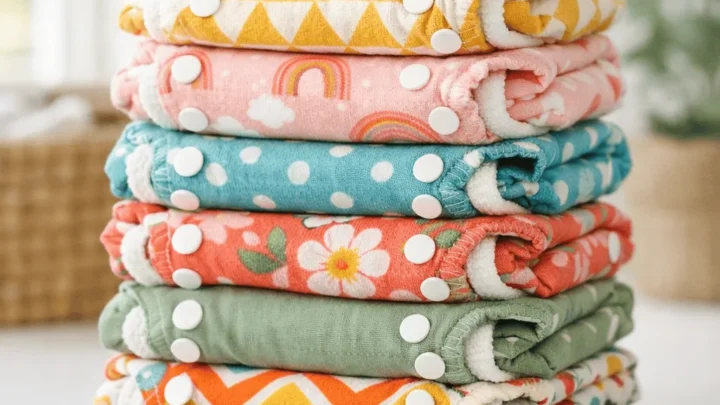
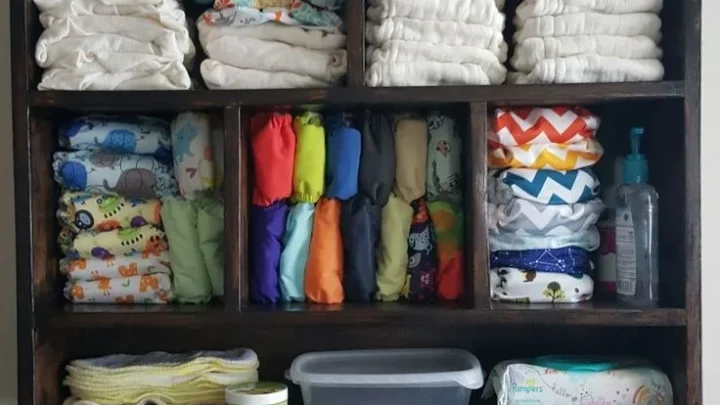
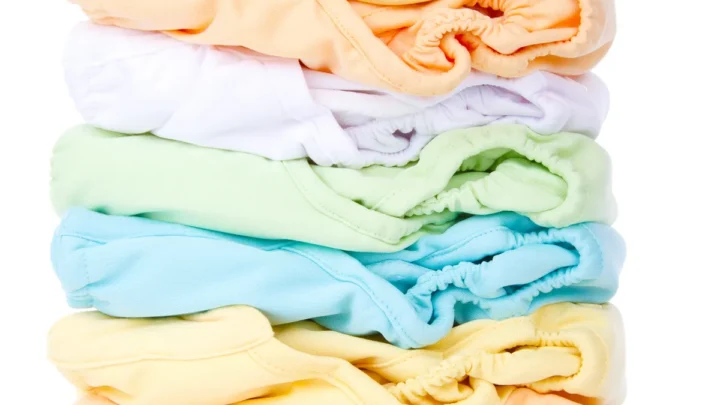
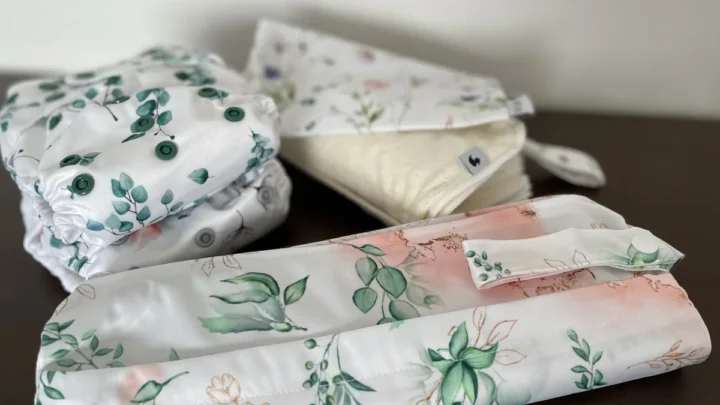
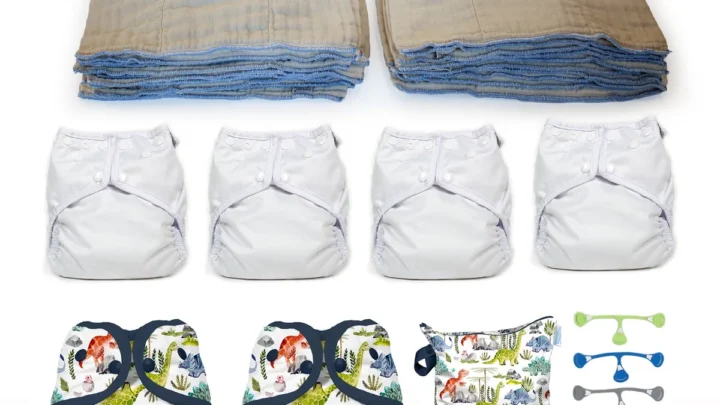
Cloth diapers offer the most sustainable long-term solution for eco-conscious families. Modern cloth diapers have evolved far beyond the simple cotton squares of previous generations. Today’s options include fitted diapers, pocket diapers, and all-in-one systems.
The environmental benefits of cloth diapers are substantial. One set of cloth diapers can be reused hundreds of times. This dramatically reduces waste compared to thousands of disposable diapers per child. Furthermore, cloth diapers can be passed down to siblings or resold.
For sensitive skin, cloth diapers offer unique advantages. Parents can choose natural fibers like organic cotton, bamboo, or hemp. These materials are gentle and breathable. Additionally, cloth diapers contain no added chemicals or fragrances.
However, cloth diapering requires more effort than disposables. Parents must wash diapers regularly, which uses water and energy. The initial investment is also higher, though cloth diapers save money over time. Many families find a hybrid approach works best, combining cloth and eco-friendly disposables.
Hypoallergenic Disposable Options
Several brands now offer hypoallergenic disposable diapers made with eco-friendly materials. These products aim to combine convenience with sustainability and skin safety. They typically avoid common irritants while using renewable resources.
According to the American Academy of Pediatrics, parents should look for diapers free from fragrances, lotions, and latex when dealing with sensitive skin. Many eco-conscious brands meet these criteria while also prioritizing environmental responsibility.
Popular features in hypoallergenic eco-diapers include chlorine-free bleaching processes and plant-based absorbent materials. Some brands use sustainably harvested wood pulp certified by organizations like the Forest Stewardship Council. Others incorporate organic cotton or bamboo in the top sheet.
The absorbent core technology has improved significantly in recent years. Many eco-friendly diapers now perform as well as conventional options. They can hold moisture effectively while keeping wetness away from baby’s skin. This helps prevent diaper rash and discomfort.
Comparing Top Eco-Friendly Diaper Brands
Several brands stand out in the eco-conscious diaper market. Each offers different features and benefits for sensitive skin.
Bambo Nature diapers come from Denmark and hold multiple eco-certifications. They use sustainably sourced materials and avoid harmful chemicals. The diapers are dermatologically tested and recommended for sensitive skin. However, they tend to be pricier than some alternatives.
Seventh Generation offers widely available eco-friendly diapers at reasonable prices. Their products contain no fragrances, lotions, or chlorine bleaching. The company is transparent about ingredients and sustainability practices. Performance is generally good, though some parents report occasional leaks.
Dyper provides a subscription service with carbon-neutral shipping. Their BAMBOO line uses bamboo and other plant-based materials. Notably, Dyper offers a composting service called REDYPER. Parents can return used diapers for commercial composting. This option appeals to families seeking zero-waste solutions.
Honest Company diapers feature plant-based materials and cute designs. They avoid common irritants and harsh chemicals. The brand emphasizes transparency and ethical practices. Parents appreciate the soft feel and reliable absorbency.
ABENA’s Bambo Nature line receives high marks for both sustainability and performance. These diapers carry the Nordic Swan Ecolabel and other certifications. They work well for overnight use and active babies. The price point falls in the premium range.
Key Factors to Consider
When choosing eco-conscious diapers for sensitive skin, several factors deserve consideration. Absorbency is crucial for preventing moisture-related irritation. Look for products that can hold wetness for several hours without leaking.
Fit matters significantly for both comfort and leak prevention. Different brands have varying size runs and shapes. Therefore, you may need to try several options to find the best fit for your baby. Many companies offer sample packs for testing purposes.
Certification provides assurance about environmental and safety claims. Look for third-party certifications like OEKO-TEX, GOTS (Global Organic Textile Standard), or dermatological testing seals. These indicate independent verification of brand claims.
Price varies widely among eco-friendly diaper options. Cloth diapers require higher upfront costs but save money long-term. Premium disposables cost more per diaper than conventional brands. However, many parents find the benefits justify the expense. Additionally, some retailers offer subscription discounts.
Availability affects convenience, especially for busy parents. Some eco-brands are only available online, while others appear in major retailers. Consider whether you prefer delivery services or in-store shopping.
Making the Transition
Switching to eco-conscious diapers doesn’t have to happen overnight. Many families transition gradually to find what works best. Start by trying small packs of different brands during daytime hours.
Keep conventional diapers on hand initially for situations like nighttime or travel. As you gain confidence, expand eco-friendly diaper use. Track any skin reactions or performance issues in a journal. This helps identify which products work best for your baby.
For cloth diapering newcomers, consider starting with a small starter kit. Many retailers offer trial packages with different styles. Join online communities or local groups for support and advice. Experienced cloth diaper users often share valuable tips.
Remember that every small change makes a difference. Even using eco-friendly diapers part-time reduces environmental impact. Similarly, choosing one sustainable brand over conventional options helps. Therefore, don’t feel pressured to be perfect from day one.
Caring for Sensitive Skin Beyond Diapers
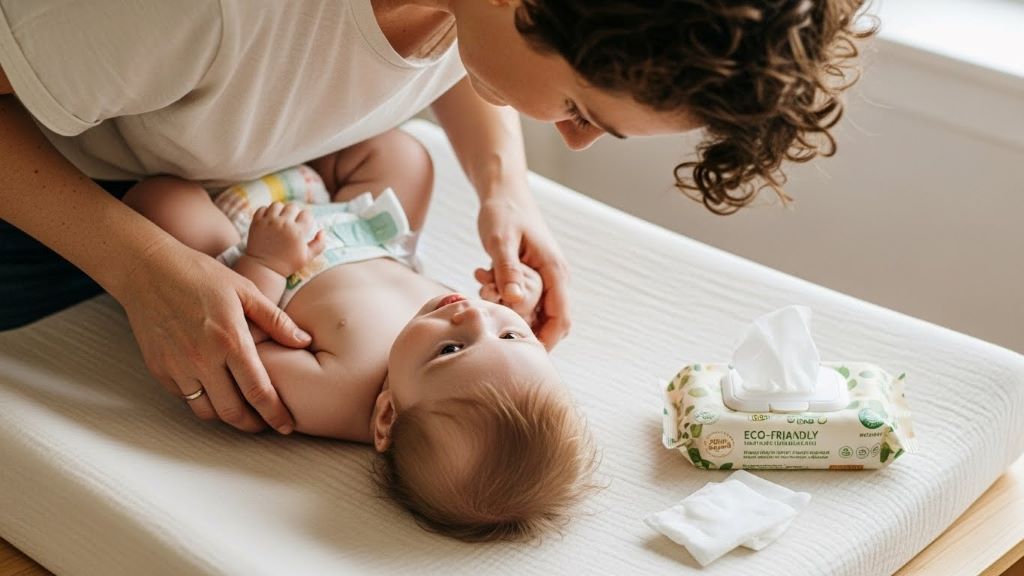
Diaper choice is just one aspect of caring for sensitive newborn skin. Proper changing routines also prevent irritation and rashes. Change diapers frequently to minimize moisture exposure. Clean the diaper area gently with fragrance-free wipes or warm water.
Allow skin to air dry completely before putting on a fresh diaper. This simple step reduces moisture-related problems significantly. Consider diaper-free time when possible to give skin a complete break.
Use barrier creams sparingly and only when needed. Choose products specifically formulated for sensitive skin. Avoid anything with fragrances or unnecessary additives. According to Mayo Clinic, petroleum jelly or zinc oxide-based creams work well for most babies.
Monitor your baby’s skin closely during the first few months. Look for signs of irritation, redness, or rash. Contact your pediatrician if skin problems persist despite using gentle products. Sometimes underlying conditions require medical attention.
Environmental Impact Considerations
Understanding the full environmental impact of diaper choices helps make informed decisions. Disposable diapers contribute significantly to landfill waste. Each baby uses approximately 5,000 to 7,000 diapers before potty training. Conventional diapers can take 500 years to decompose.
Manufacturing disposable diapers requires substantial resources. Water, energy, and raw materials all contribute to the carbon footprint. However, eco-friendly brands typically have lower environmental impacts than conventional options.
Cloth diapers avoid landfill waste but have their own environmental costs. Washing requires water and energy, especially if using hot water and machine drying. Nevertheless, studies suggest cloth diapers still have lower overall environmental impacts than disposables.
The most sustainable approach combines multiple strategies. Use cloth diapers when convenient and eco-friendly disposables when necessary. Choose brands with strong environmental commitments and certifications. Support companies working toward circular economy solutions.
Conclusion
Selecting eco-conscious diapers for newborn sensitive skin requires balancing multiple factors. Environmental sustainability, skin safety, performance, and convenience all play important roles. Fortunately, today’s market offers more options than ever before.
Cloth diapers provide the most sustainable solution for committed families. Biodegradable and compostable disposables offer eco-friendly convenience. Hypoallergenic options from responsible brands protect both babies and the planet. Each family must decide which approach fits their lifestyle and values.
Start by trying different products to find what works for your baby’s unique needs. Pay attention to skin reactions and performance. Remember that small changes accumulate into meaningful environmental impact. With careful selection, you can keep your baby comfortable while protecting the planet for their future.
Frequently Asked Questions
Are eco-friendly diapers as absorbent as conventional diapers?
Yes, many eco-friendly diapers perform as well as conventional options. Modern plant-based absorbent materials effectively lock away moisture. However, absorbency varies by brand, so trying different products helps find the best fit. Premium eco-brands often match or exceed conventional diaper performance.
How do I know if my baby’s diaper rash is caused by the diaper?
Diaper rash can result from multiple factors including friction, moisture, and chemical irritation. Try switching to a fragrance-free, hypoallergenic diaper option. If the rash improves within a few days, the previous diaper may have contained irritants. Persistent rashes require pediatrician evaluation to rule out yeast infections or other conditions.
Can biodegradable diapers go in my home compost bin?
Most biodegradable diapers should not go in home compost bins. They require industrial composting conditions with higher temperatures and specific microbial environments. Some companies offer special composting services for their diapers. Otherwise, biodegradable diapers should go in regular trash where they’ll still break down faster than conventional options.
Are cloth diapers really better for the environment when you factor in washing?
Studies generally show cloth diapers have lower overall environmental impact than disposables. The key is washing efficiently using cold water, line drying when possible, and full loads. Washing impacts are typically smaller than the manufacturing and disposal impacts of thousands of disposable diapers. Using cloth diapers for multiple children increases environmental benefits.
How much more expensive are eco-friendly diapers compared to regular diapers?
Eco-friendly disposable diapers typically cost 20 to 50 percent more than conventional brands. However, prices vary significantly by brand and retailer. Subscription services often offer discounts. Cloth diapers have higher upfront costs but significant long-term savings. Over the diapering years, cloth diapers can save hundreds or even thousands of dollars per child.
Related Topics:
Discovering the Magic of Bamboo Cloth Diaper Inserts: A Parent’s Journey to Sustainable Comfort
Green Parenting Essentials: Eco Products for Babies And Kids

Similar Posts