Organic Green Tea Leaf Oxidation Levels Guide
Understanding oxidation levels in organic green tea can transform your tea drinking experience. This natural process determines the flavor, aroma, and health benefits of your favorite brew. Therefore, learning about oxidation helps you choose the perfect tea for your taste preferences.
What Is Tea Oxidation
Tea oxidation occurs when tea leaves interact with oxygen after harvesting. Enzymes within the leaves break down chlorophyll and release tannins. This chemical reaction changes the leaf color from green to brown. Additionally, oxidation affects the tea’s flavor profile and caffeine content.
Green tea undergoes minimal oxidation compared to other tea types. Producers quickly heat the leaves to stop enzyme activity. This process preserves the fresh, vegetal characteristics that green tea lovers appreciate. However, even slight variations in oxidation levels create distinct flavor differences among green tea varieties.
The Green Tea Oxidation Scale
Green tea typically experiences between zero and ten percent oxidation. This low oxidation level distinguishes it from oolong and black teas. Producers carefully control the oxidation process to maintain the tea’s signature characteristics. Furthermore, the timing of heat application determines the final oxidation percentage.
Most premium organic green teas sit at the lower end of this spectrum. These teas retain maximum antioxidants and chlorophyll content. Meanwhile, some specialty green teas allow slightly higher oxidation for unique flavor profiles. The oxidation level directly impacts the tea’s astringency, sweetness, and body.
Processing Methods That Control Oxidation
Tea producers use two primary methods to halt oxidation in green tea. Chinese producers traditionally use pan-firing techniques in large woks. This method creates a slightly toasted, nutty flavor profile. The high heat quickly deactivates enzymes while adding subtle roasted notes.
Japanese producers typically employ steaming methods instead. Steam application stops oxidation within seconds of harvesting. This technique preserves more chlorophyll and creates a sweeter, more vegetal taste. Additionally, steaming produces a brighter green color in the finished leaves.
Both methods effectively prevent oxidation when executed properly. However, each approach creates distinct sensory characteristics. Therefore, understanding these processing differences helps you select teas that match your preferences.
Flavor Profiles Based on Oxidation Levels
Zero to two percent oxidation produces the lightest green teas. These teas exhibit grassy, fresh flavors with subtle sweetness. They often taste similar to fresh vegetables or spring herbs. Moreover, they contain the highest concentration of catechins and antioxidants.
Three to five percent oxidation creates slightly more complex flavors. These teas balance vegetal notes with gentle nuttiness. The taste becomes smoother and less astringent. Additionally, the aroma develops more depth and character.
Six to ten percent oxidation represents the upper limit for green tea. These varieties display toasted, slightly earthy flavors. They offer fuller body and reduced astringency. However, they retain the essential characteristics that define green tea.
Popular Green Tea Varieties and Their Oxidation
Sencha represents Japan’s most popular green tea variety. Producers steam the leaves for thirty to sixty seconds. This process limits oxidation to approximately one to two percent. Consequently, sencha delivers bright, refreshing flavors with pleasant astringency.
Gyokuro undergoes similar processing to sencha. However, shade-growing before harvest creates sweeter, more umami-rich flavors. The oxidation level remains extremely low at under two percent. Therefore, gyokuro offers exceptional smoothness and complexity.
Dragon Well tea from China uses pan-firing methods. The leaves experience approximately two to four percent oxidation. This creates a slightly nuttier profile while maintaining green tea freshness. Additionally, the flat leaf shape results from pressing during firing.
Gunpowder green tea involves rolling leaves into tight pellets. The rolling process slightly increases oxidation to three to five percent. This creates a bolder, more robust flavor. Furthermore, the pellet shape helps preserve freshness during storage.
Health Benefits Related to Oxidation Levels
Lower oxidation levels preserve more beneficial compounds in green tea. Catechins, particularly EGCG, remain most abundant in minimally oxidized teas. These antioxidants support cardiovascular health and cellular protection. Moreover, they contribute to green tea’s reputation as a healthy beverage.
Research from institutions like Harvard University indicates that green tea consumption supports overall wellness. The polyphenols in minimally oxidized green tea show promising effects in various studies. Additionally, these compounds may support healthy metabolism and cognitive function.
Higher oxidation levels reduce catechin content slightly. However, the tea still retains significant health benefits. The oxidation process creates theaflavins and thearubigins in small amounts. These compounds offer their own potential health advantages.
How to Identify Oxidation Levels
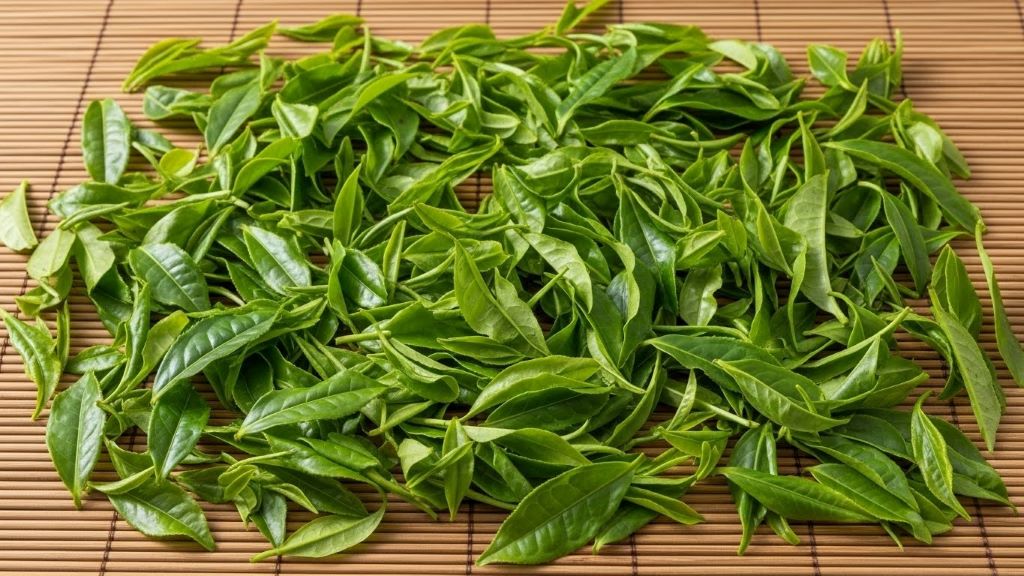
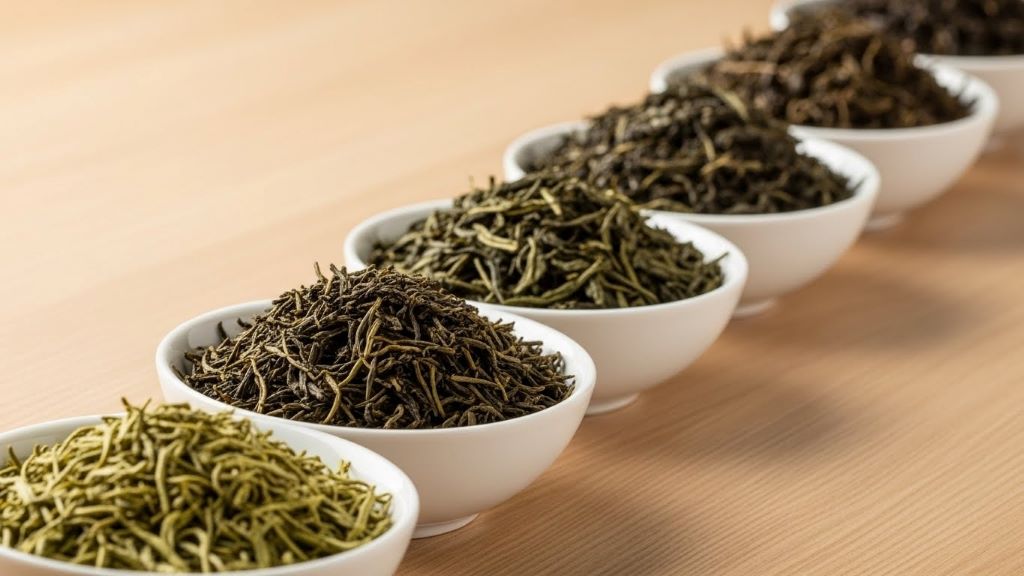
Visual inspection provides the first clue about oxidation levels. Bright green leaves indicate minimal oxidation. Yellow-green or olive-colored leaves suggest slightly higher oxidation. Additionally, uniform color throughout the batch shows consistent processing.
The aroma also reveals oxidation information. Fresh, grassy scents indicate very low oxidation. Nutty or toasted aromas suggest higher oxidation levels. Furthermore, sweet, floral notes often accompany moderate oxidation.
Tasting the tea confirms oxidation levels most accurately. Bright, astringent flavors indicate minimal oxidation. Smoother, rounder tastes suggest more oxidation occurred. Therefore, trying different teas helps you recognize these distinctions.
Storing Green Tea to Prevent Further Oxidation
Proper storage prevents continued oxidation after purchase. Keep green tea in airtight containers away from light. Moisture and heat also accelerate oxidation. Therefore, cool, dark, dry locations work best for preservation.
Vacuum-sealed packaging offers excellent protection for organic green tea. Remove as much air as possible before sealing containers. Additionally, consider storing tea in the refrigerator for extended freshness. However, ensure the container prevents moisture absorption.
Use green tea within six months of opening for optimal flavor. Oxidation continues slowly even with proper storage. Fresh tea delivers the best taste and maximum health benefits. Therefore, purchase quantities you can consume relatively quickly.
Brewing Tips for Different Oxidation Levels
Lower oxidation teas require cooler water temperatures. Use water between 160 and 170 degrees Fahrenheit. This prevents excessive astringency and bitterness. Additionally, steep for only one to two minutes initially.
Higher oxidation green teas tolerate slightly warmer water. Temperatures between 175 and 180 degrees work well. These teas can steep for two to three minutes. Furthermore, they often yield multiple infusions with good flavor.
Experiment with steeping times and temperatures to find your preference. Start with shorter steeping times and gradually increase. This approach helps you understand how oxidation affects brewing requirements. Moreover, it prevents over-extraction and bitterness.
Choosing Organic Green Tea by Oxidation
Organic certification ensures tea grows without synthetic pesticides or fertilizers. However, oxidation levels vary among organic teas. Consider your flavor preferences when selecting organic varieties. Additionally, look for transparent producers who share processing information.
Single-origin organic teas often provide detailed oxidation information. These producers take pride in their processing methods. They typically specify whether they use steaming or pan-firing. Therefore, you can make informed choices based on oxidation levels.
Experiment with different organic green teas to find your favorites. Try both minimally oxidized and slightly higher oxidation varieties. This exploration helps you understand how oxidation affects your enjoyment. Furthermore, it expands your appreciation of green tea diversity.
Conclusion
Understanding organic green tea leaf oxidation levels enhances your tea selection process. Green tea undergoes minimal oxidation, typically between zero and ten percent. Processing methods like steaming and pan-firing control oxidation while creating distinct flavors. Lower oxidation preserves more antioxidants and produces brighter, fresher tastes. Higher oxidation creates smoother, nuttier profiles while maintaining green tea characteristics. By recognizing oxidation levels through appearance, aroma, and taste, you can choose teas that match your preferences. Proper storage prevents further oxidation and preserves quality. Ultimately, exploring different oxidation levels in organic green tea enriches your understanding and enjoyment of this ancient beverage.
Frequently Asked Questions
What is the ideal oxidation level for green tea?
The ideal oxidation level depends on personal preference. Most people enjoy green tea with one to five percent oxidation. This range balances freshness with smoothness and complexity.
Does oxidation affect green tea’s caffeine content?
Oxidation has minimal impact on caffeine levels in green tea. Processing methods and leaf quality affect caffeine more significantly. However, all green teas contain moderate caffeine regardless of oxidation.
Can I control oxidation when brewing green tea at home?
You cannot change the oxidation level through brewing. Oxidation occurs during processing before the tea reaches you. However, proper brewing extracts the flavors created by that oxidation level.
How does organic certification relate to oxidation levels?
Organic certification focuses on growing practices, not oxidation levels. Organic green teas can have any oxidation level within the green tea range. The certification ensures chemical-free cultivation methods.
Why does my green tea taste different each time?
Variations in water temperature, steeping time, and water quality affect taste. Additionally, tea oxidizes slowly during storage, changing flavor over time. Fresh tea tastes different from older tea even with identical brewing.
Related Topics:
Bokashi Bin DIY: Transform Kitchen Waste into Garden Gold
How to Clean Swedish Dishcloths: Eco-Friendly Kitchen Magic

Similar Posts