Bokashi Bin DIY: Transform Kitchen Waste into Garden Gold

Bokashi bin DIY is a rewarding way to turn kitchen waste into nutrient-rich compost at home. This Japanese technique uses anaerobic fermentation to break down food scraps, including meat and dairy, into a soil amendment. Unlike traditional composting, it’s fast, odor-free, and perfect for small spaces. I discovered bokashi composting when my overflowing compost pile couldn’t handle more vegetable scraps. Curious, I built my own bokashi bin and was amazed by its efficiency. This article explores how to create your own bokashi bin DIY, offering step-by-step guidance to educate, demonstrate, and fascinate you. Let’s dive into this eco-friendly journey to transform waste into garden gold!
Why Choose Bokashi Composting?
Bokashi composting stands out for its speed and versatility. Unlike traditional compost piles, it ferments organic matter in an anaerobic process, taking just two weeks to produce fermented kitchen scraps. This method handles food waste like meat and dairy, which worm bins often can’t. According to a 2023 study by the University of California, bokashi composting reduces household waste by up to 30% annually. My first attempt at bokashi composting amazed me—my kitchen waste transformed into a soil-like substance without the usual compost smell.
This system suits urban dwellers with limited space. Plastic buckets with airtight lids make it ideal for indoor composting. The process also produces bokashi tea, a liquid plant fertilizer you can dilute for garden use. By choosing bokashi bin DIY, you save money and contribute to sustainable waste management, making it a win-win for eco-conscious households.
Materials Needed for Bokashi Bin DIY
Creating a bokashi composter is simple and budget-friendly. You’ll need items you likely already own or can find at a home center. Here’s what I gathered for my setup, which worked perfectly:
- Two 5-gallon buckets: One for fermentation, another for drainage.
- Airtight lid or Gamma Seal: Ensures an anaerobic environment.
- Italian bottling spigot: For draining bokashi tea.
- Drill bit or Forstner bit: To create drainage holes.
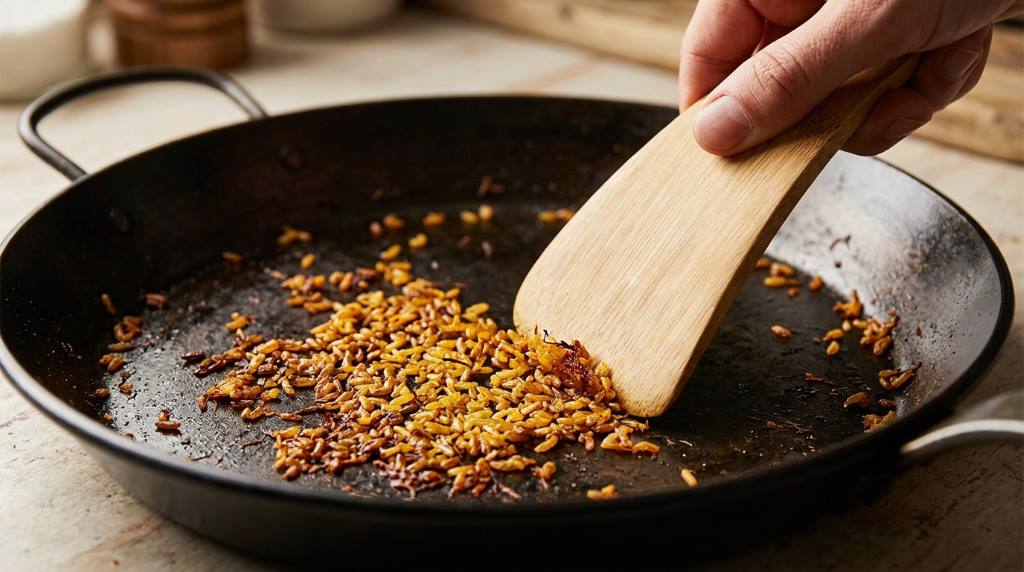
- Bokashi bran or flakes: Contains effective microorganisms for fermentation.
- Perforated platform: Elevates scraps for liquid drainage.
Most materials cost under $20, except bokashi bran, which you can buy online or make using wheat bran and a microbe solution. I sourced my buckets from a local brewery, repurposing their brewery waste containers. This kept costs low and added a sustainable twist to my bokashi bin DIY project.
Step-by-Step Guide to Building Your Bokashi Bin
Building a bokashi bin DIY is straightforward. Start with two plastic buckets. Drill drainage holes in the bottom of one using a paddle drill bit. Place a perforated platform inside to separate scraps from liquid. Attach an Italian bottling spigot near the base for easy bokashi tea collection. The second bucket catches the liquid by-product. Ensure the top bucket has an airtight lid, like a Gamma Seal, to maintain the anaerobic process.
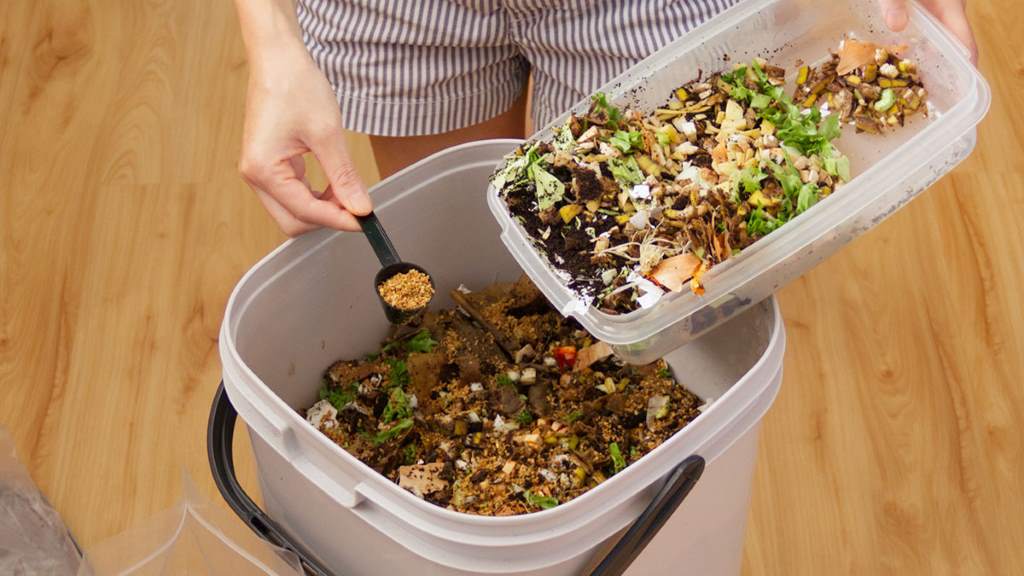
Next, layer kitchen waste—vegetable scraps, meat, or dairy—with bokashi grains. I add a handful of bokashi flakes after every inch of scraps, pressing down firmly to remove air. Seal the lid tightly and store it in a cool, dark place. Every few days, drain the liquid fertiliser using the spigot. After two weeks, your fermented organic matter is ready for the garden or a compost bin/pile. My first batch was a game-changer for my plants!
Benefits of Bokashi Bin DIY
Bokashi bin DIY offers unique advantages. It’s an indoor composting method, perfect for apartments. The anaerobic system prevents odors, unlike traditional compost piles. You can compost diverse food scraps, including dog poop, which I cautiously tested with success. The process yields bokashi tea, a nutrient-rich liquid plant fertilizer. A 2022 report by the EPA noted that composting diverts 2.6 million tons of food waste from landfills yearly.
Additionally, it’s cost-effective. My DIY setup cost $15, far less than commercial bokashi bins. The fermentation process is quick, producing results in weeks, not months. By integrating fermented kitchen scraps into your garden, you enrich soil with microbial populations, boosting plant health. This method fascinated me with its simplicity and impact, making waste management feel like a creative project.
Common Mistakes to Avoid in Bokashi Composting
Bokashi bin DIY is easy, but mistakes can derail your efforts. Here are pitfalls to avoid, based on my early trials:
- Not using an airtight lid: Air exposure ruins the anaerobic process.
- Skipping bokashi bran: Effective microorganisms are essential for fermentation.
- Overfilling the bin: Leave space to prevent overflow and ensure proper fermentation.
- Ignoring liquid drainage: Failing to drain bokashi tea causes soggy, smelly compost.
I once forgot to drain the liquid by-product, and the smell was unpleasant. Regular drainage and a tight seal fixed this. Check your bin weekly to ensure the fermentation vessel stays odor-free. By avoiding these errors, you’ll create a soil amendment that rivals commercial composting products, all from your kitchen compost bins.
Incorporating Bokashi into Your Garden
Once fermented, bokashi compost enhances your garden. Bury the fermented organic matter in a compost pile or directly in soil. I mixed mine into a worm farm, and the worm castings were richer than ever. The squeeze test—grabbing a handful to check for a soil-like texture—helps confirm readiness. If it holds together without dripping, it’s perfect.
Bokashi tea, diluted 1:100 with water, nourishes plants as a liquid fertiliser. My tomatoes thrived after weekly applications. You can also blend bokashi compost with rock dust or fish meal for added nutrients. This Japanese technique transforms garden waste into a powerhouse soil amendment, making your plants healthier and your gardening more sustainable.
FAQs
What is a bokashi bin DIY?
A bokashi bin DIY is a homemade composter using plastic buckets to ferment kitchen waste with bokashi bran, creating a soil amendment.
How long does bokashi composting take?
The fermentation process takes about two weeks, followed by a few weeks in soil to fully break down into compost.
Can I compost meat and dairy in a bokashi bin?
Yes, bokashi composting handles meat, dairy, and other food scraps, unlike traditional compost piles, due to its anaerobic microbes.
Where can I buy bokashi bran?
Bokashi bran is available online or at garden stores. You can also make it using wheat bran and a microbe solution.
Is bokashi composting odor-free?
When done correctly with an airtight lid, bokashi composting produces minimal odor, making it ideal for indoor use.
Start Your Bokashi Bin DIY Today
Bokashi bin DIY is a game-changer for sustainable living. This Japanese technique turns kitchen waste into a valuable soil amendment using a simple anaerobic process. My journey with bokashi composting began with curiosity and a desire to reduce waste. The result? A thriving garden and a sense of accomplishment. By building your own bokashi composter, you save money, reduce landfill waste, and enrich your soil. Whether you’re an urban gardener or a sustainability enthusiast, bokashi bin DIY is worth trying. Share your experience in the comments or spread the word about this eco-friendly method!
References
- University of California, 2023: https://ucanr.edu/sites/UC_Organic/Composting
- EPA, 2022: https://www.epa.gov/facts-and-figures-about-materials-waste-and-recycling/food-material-specific-data

Similar Posts