Why Do Bamboo Pot Scrapers Clean Your Dishes Better?
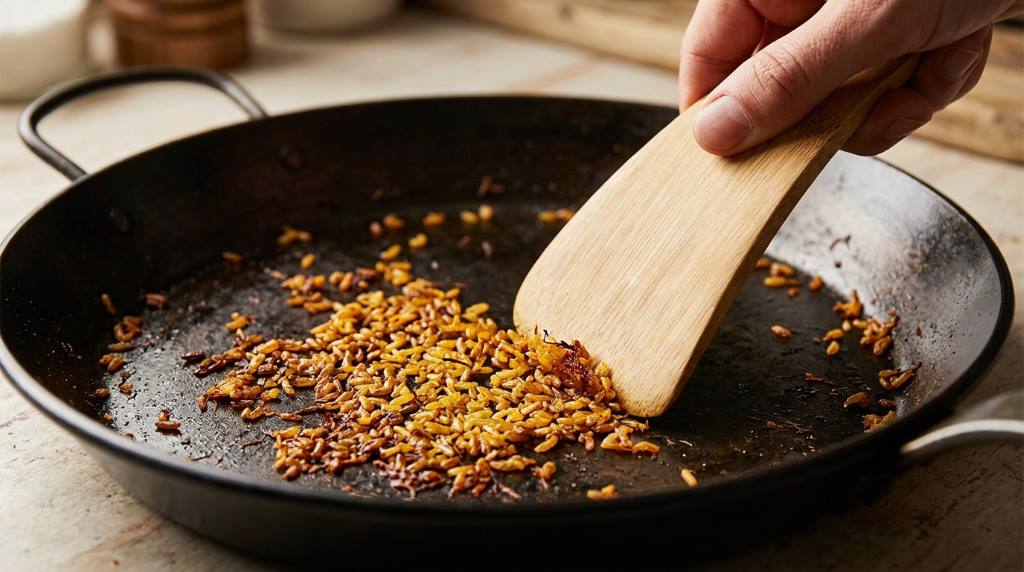
Yes, bamboo pot scrapers can clean dishes better because they combine firm edges with controlled surface contact. Their natural rigidity lifts stuck food without the harsh scraping action of metal tools. Some bamboo species can grow up to 35 inches daily, while many reach maturity within three to five years.
That combination makes bamboo useful beyond its environmental appeal. A well-shaped scraper can remove residue quickly, protect cookware, and reduce dependence on disposable cleaning tools.
What Makes Bamboo Pot Scrapers So Effective?
Bamboo pot scrapers work through a simple principle: mechanical friction loosens residue before water washes it away. Their firm edges concentrate pressure exactly where dried food clings most stubbornly.
Unlike soft sponges, a scraper does not simply absorb or smear greasy residue. Instead, it pushes underneath hardened food and separates it from the cooking surface.
That action becomes especially useful after preparing rice, oatmeal, sauces, eggs, caramelized vegetables, or baked dishes. Consequently, you can remove stubborn patches before switching to your regular dishwashing method.
The material also offers enough flexibility for controlled cleaning. Therefore, users can apply pressure without treating every dirty pan like a heavy-duty restoration project.

The Edge Matters More Than You Think
A scraper’s working edge determines how efficiently it removes food. A thin, smooth edge can reach beneath residue without requiring excessive force.
However, sharp does not mean better for kitchen cleaning. A practical bamboo scraper should have a firm edge with gently rounded corners.
This shape creates useful leverage while limiting accidental gouging. As a result, the scraper can handle stubborn residue while remaining comfortable during repeated use.
For best performance, inspect the edge periodically and replace the scraper when cracks become visible. Small surface damage can eventually create rough areas that trap moisture or food particles.
How Bamboo Compares With Sponges and Dishcloths
Bamboo pot scrapers solve a different problem than sponges and cloths. A sponge excels at washing, while a scraper excels at loosening material first.
For example, dried tomato sauce may resist a wet sponge after sitting overnight. A bamboo scraper can break the residue into smaller pieces before the sponge handles the remaining film.
Likewise, a reusable clean Swedish dishcloths routine works best after large food particles disappear. This combination can make the overall cleaning process faster and less messy.
There is also an important hygiene distinction. Scrapers mainly remove debris, while cloths and sponges distribute water and cleaning solution across surfaces.
| Cleaning Tool | Best Use | Main Strength |
|---|---|---|
| Bamboo scraper | Dried and stuck food | Firm mechanical removal |
| Dish sponge | Grease and surface film | Absorption and scrubbing |
| Dishcloth | Wiping and drying | Fast surface coverage |
| Plastic scraper | General residue removal | Low-cost versatility |
Using each tool for its intended job prevents unnecessary scrubbing. More importantly, it reduces the temptation to attack delicate cookware with abrasive materials.
Why Bamboo Can Protect Your Cookware
Cookware protection provides one of the strongest reasons to choose a bamboo scraper. Its firm plant-based material can loosen residue without behaving like a metal utensil.
This matters particularly with seasoned cast iron and many coated cookware surfaces. Excessive scraping can gradually create unwanted wear, especially when users apply unnecessary force.
Bamboo does not make every pan automatically scratch-proof. Instead, its advantage comes from combining moderate hardness with a broad, controlled cleaning edge.
Still, technique matters as much as material. Keep the scraper relatively flat, use short strokes, and let warm water soften difficult residue whenever possible.
Use Pressure Strategically
Start with light pressure rather than immediately forcing the scraper underneath hardened food. Increase pressure gradually as the residue begins to release.
For particularly stubborn deposits, add warm water and allow several minutes for softening. Then scrape again using overlapping strokes across the affected area.
This approach protects cookware while reducing fatigue in your hands. It also helps the scraper last longer because excessive force stresses its edge.
How Bamboo Pot Scrapers Handle Stubborn Food
Dried food becomes difficult because moisture leaves behind concentrated starches, proteins, sugars, and fats. These compounds can form a strong bond with cookware after cooking.
A bamboo scraper attacks that bond mechanically instead of relying entirely on chemical cleaners. Its edge creates enough concentrated force to lift residue from the surface.
For baked-on cheese, begin with warm water rather than aggressive scraping. For sugary residue, use hot water carefully and scrape after the material softens.
For thick starches such as oatmeal or rice, remove large pieces first. Then wash the remaining film with dish soap and a suitable sponge.
- Rice and grains: Soak briefly, then scrape along the pan’s surface.
- Egg residue: Use warm water before gently working underneath dried patches.
- Sauces: Remove thick deposits before wiping away the remaining film.
- Caramelized food: Soften the residue first and avoid excessive pressure.
- Greasy buildup: Scrape solids away before applying dish soap.
This sequence prevents the sponge from carrying large food particles across the entire dish. Therefore, cleaning becomes more targeted from the first step.
Why Bamboo Fits a Lower-Waste Kitchen
Bamboo appeals to sustainability-minded households because it is a rapidly renewable grass rather than a conventional hardwood. However, responsible sourcing and product construction still determine its environmental value.
A scraper that lasts for years generally creates less waste than repeatedly replacing cheap disposable cleaning accessories. Durability therefore matters as much as the material itself.
For a broader approach, consider combining durable tools with other eco-friendly kitchenware for greener choices. The goal should involve reducing unnecessary consumption rather than buying replacements simply because they look sustainable.
Also consider how the scraper reaches your kitchen. A responsibly manufactured product with sensible packaging can offer a stronger overall sustainability profile.
Look Beyond the Bamboo Label
Not every bamboo product provides the same durability or environmental benefits. Construction quality, finish, adhesives, packaging, and manufacturing practices all matter.
When choosing a scraper, inspect the product description for clear material information. Avoid products that provide vague claims without explaining their construction.
A solid, straightforward design often provides better long-term value than decorative products with unnecessary components. Simplicity also makes the tool easier to clean and maintain.
How to Use a Bamboo Pot Scraper Correctly
Good technique makes a noticeable difference in cleaning performance. Start by removing loose food with the scraper before adding soap or using a sponge.
Hold the scraper at a shallow angle against the cookware. Then push steadily instead of chopping downward into the residue.
Use the broad side for large deposits and the narrower edge for corners. Rotate the tool when necessary rather than repeatedly attacking one spot.
When residue remains firmly attached, pause and soften it with warm water. Scraping softened food usually requires less pressure and produces better results.
A Simple Four-Step Cleaning Method
- Step 1: Remove loose food particles and discard them appropriately.
- Step 2: Hold the scraper at a shallow angle against the residue.
- Step 3: Push across the surface using controlled, even pressure.
- Step 4: Wash the cookware normally after removing stubborn deposits.
This method works because it separates debris removal from surface washing. Each tool then performs the task it handles most efficiently.
After cleaning, rinse the scraper thoroughly and allow it to dry completely. Avoid leaving bamboo submerged because prolonged moisture can shorten its useful life.
How to Care for a Bamboo Pot Scraper
Bamboo needs simple care rather than complicated maintenance. Rinse the scraper promptly after use and remove food particles before they dry.
Wash it with warm water and mild dish soap when needed. Then place it somewhere with good airflow so moisture can evaporate quickly.
Do not treat the scraper like a soaking utensil. Extended immersion can encourage swelling, surface deterioration, or cracking over time.
Likewise, inspect the scraper regularly for splinters, deep cracks, or significant roughness. Replace damaged pieces instead of continuing to use them on cookware.
Occasional conditioning may help some unfinished bamboo tools resist excessive drying. Always follow the manufacturer’s care instructions before applying any oil or treatment.
When Should You Replace One?
Replace a bamboo scraper when the working edge becomes badly damaged or the surface develops deep cracks. Minor cosmetic marks do not necessarily mean the tool has failed.
The important question concerns cleanliness, structural integrity, and safe contact with cookware. If the scraper starts shedding fibers, replace it immediately.
Common Mistakes That Reduce Cleaning Performance
Even an effective scraper can disappoint when users apply the wrong technique. Most problems come from excessive force, poor maintenance, or using the tool for unsuitable tasks.
- Scraping dry residue aggressively: Soften stubborn food before increasing pressure.
- Using damaged edges: Replace scrapers that develop deep cracks or splinters.
- Soaking bamboo: Rinse promptly instead of leaving it underwater.
- Using one tool everywhere: Match the scraper to appropriate cookware and residue.
- Ignoring corners: Use the narrow edge to reach difficult areas carefully.
Another common mistake involves expecting the scraper to replace every cleaning tool. It removes stuck food effectively, but it does not eliminate grease or sanitize surfaces by itself.
Can Bamboo Pot Scrapers Replace Plastic Scrapers?
In many kitchens, bamboo can replace a basic plastic scraper for everyday food removal. However, the best choice depends on cookware, cleaning habits, and product construction.
Plastic can offer greater flexibility and may tolerate certain conditions better. Bamboo can provide a firmer feel and a more natural material choice.
Neither option wins every situation. Instead, choose the scraper that provides enough rigidity without demanding excessive force against your cookware.
If sustainability is important, consider the entire product lifecycle rather than material alone. Longevity, manufacturing quality, packaging, and disposal all influence the practical outcome.
What to Look for When Buying a Bamboo Pot Scraper
A good bamboo scraper should feel sturdy without feeling excessively thick or awkward. The edge should look smooth, even, and free from visible defects.
Consider these features before buying:
- Solid construction: Choose a scraper without loose or poorly joined sections.
- Smooth edges: Look for controlled edges without rough splinters.
- Comfortable shape: Select a design that supports a natural grip.
- Useful thickness: Avoid extremely thin designs that flex too easily.
- Clear material details: Prefer transparent product information over vague claims.
- Simple maintenance: Choose a design that rinses and dries easily.
Price should not become the only deciding factor. A durable scraper that performs reliably can provide better value than several inexpensive replacements.
Bamboo Scrapers Work Best as Part of a Cleaning System
The real advantage of a bamboo pot scraper appears when you use it as part of a sequence. It handles stuck food first, while water, soap, sponges, and cloths handle later stages.
This approach reduces unnecessary scrubbing and makes difficult dishes feel less demanding. It also helps preserve cookware because users need less aggressive mechanical action.
Even kitchen waste management benefits from coordinated habits. For example, a Bokashi bin DIY guide can support better handling of suitable food scraps.
However, keep food scraps out of drains whenever possible. Scraping plates and cookware before washing can reduce the amount of solid material entering your plumbing.
Are Bamboo Pot Scrapers Actually Better for Dishes?
Yes, bamboo pot scrapers can clean dishes better when the main challenge involves stuck or dried food. Their firm edges provide controlled mechanical action without the aggressive feel of metal tools.
They work especially well when paired with warm water and conventional dishwashing methods. Their usefulness comes from performing one task exceptionally well rather than replacing every kitchen cleaning tool.
They also offer a durable alternative for people seeking fewer disposable kitchen accessories. Still, responsible care remains essential because bamboo performs best when users keep it clean and dry.
Ultimately, the best scraper is one that matches your cookware and cleaning habits. A thoughtfully designed bamboo scraper can make stubborn cleanup faster, gentler, and more efficient.
Frequently Asked Questions
Are bamboo pot scrapers safe for nonstick cookware?
Yes, a smooth bamboo scraper can generally work well, but gentle pressure and proper cookware instructions should guide its use.
Can bamboo pot scrapers remove burnt food?
Yes, they can loosen burnt residue after soaking or warming the cookware, but severe deposits may require additional cleaning methods.
Can bamboo scrapers go in the dishwasher?
Usually not, because prolonged heat and moisture can damage bamboo unless the manufacturer specifically approves dishwasher cleaning.
How long does a bamboo pot scraper last?
A well-maintained bamboo scraper can last for years, although lifespan depends on construction, frequency of use, and moisture exposure.
Are bamboo scrapers better than metal scrapers?
Bamboo often provides a gentler option for cookware, while metal can offer greater force for surfaces designed to tolerate it.
Final Verdict: A Small Tool With a Big Cleaning Advantage
Bamboo pot scrapers clean dishes better because they attack stubborn residue at its weakest point. Their firm edges provide leverage while their shape encourages controlled, deliberate cleaning.
That advantage becomes even clearer when you soften difficult residue before scraping. You then need less force, spend less time scrubbing, and reduce unnecessary wear on cookware.
If your kitchen regularly handles dried sauces, grains, eggs, or baked-on food, a bamboo scraper deserves a place beside your sponge. Choose a sturdy design, keep it dry, and use it as the first step in your cleaning routine.
Ready to simplify dish cleanup? Add a quality bamboo pot scraper to your kitchen toolkit and put its controlled cleaning power to work.

Similar Posts