Eco-Friendly Kitchenware for Everyday Use: Sustainable Solutions for a Greener Kitchen
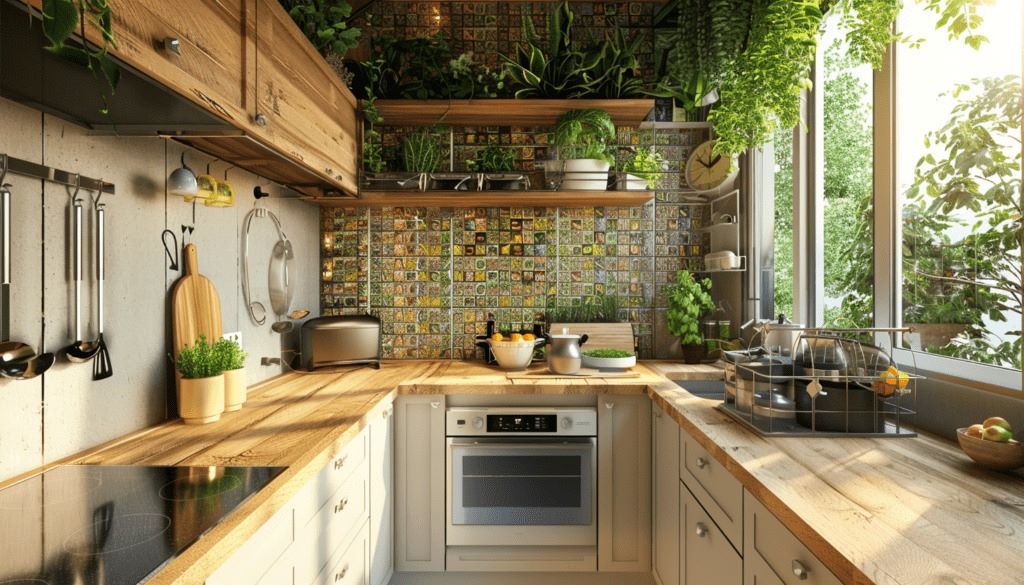
In today’s world, where sustainability is no longer optional, making eco-conscious choices in our daily lives is crucial. One area that often goes unnoticed is the kitchen—an epicenter of daily activity and waste generation. Choosing eco-friendly kitchenware for everyday use offers a simple yet powerful way to reduce environmental impact without sacrificing functionality or style.
The Environmental Impact of Conventional Kitchenware
Traditional kitchenware often relies on plastic or non-recyclable materials that contribute heavily to landfill waste. According to a 2023 report by the Environmental Protection Agency (EPA), about 12 million tons of plastic waste are generated annually in the U.S. alone, much of which comes from disposable or low-durability kitchen products. This alarming statistic highlights the urgency to switch to sustainable alternatives.
Plastics used in kitchen utensils and containers can leach harmful chemicals into food, which poses health risks as well. Moreover, plastic production involves significant fossil fuel consumption and greenhouse gas emissions, further aggravating climate change.
What Makes Kitchenware Eco-Friendly?
Eco-friendly kitchenware refers to items produced from renewable, biodegradable, or recyclable materials that minimize harm to the environment. Materials like bamboo, stainless steel, glass, and silicone have gained popularity. Bamboo, for instance, grows rapidly and requires minimal pesticides, making it a renewable resource. Stainless steel lasts for decades and is fully recyclable.
These alternatives reduce plastic waste and exposure to toxins while offering durability and safety. For example, silicone, a non-toxic rubber-like material, is heat-resistant and flexible, ideal for baking and cooking tools.
Benefits of Using Eco-Friendly Kitchenware for Everyday Use
Switching to eco-friendly kitchenware offers multiple advantages beyond environmental preservation:
- Healthier Cooking Environment: Many eco-friendly products avoid harmful chemicals like BPA and phthalates common in plastics. Studies, such as those from the National Institute of Environmental Health Sciences, link these chemicals to hormonal disruption and other health issues.
- Cost Savings Over Time: While eco-friendly products might have a higher upfront cost, their longevity translates to fewer replacements. For instance, stainless steel cookware can last 20+ years, unlike plastic pans that degrade within a few years.
- Enhanced Food Quality: Materials like glass and stainless steel do not retain odors or stains, maintaining food’s natural taste.
- Waste Reduction: Reusable items drastically cut down single-use plastic waste, supporting zero-waste lifestyles.
Popular Eco-Friendly Kitchenware Options
Many brands now offer environmentally responsible kitchenware designed for everyday use. Some popular options include:
- Bamboo Cutting Boards and Utensils: Bamboo is naturally antimicrobial, lightweight, and visually appealing. It also regrows quickly, making it sustainable.
- Glass Storage Containers: Unlike plastic, glass doesn’t stain or leach chemicals. Plus, it can be recycled endlessly.
- Stainless Steel Cookware and Drinkware: These products offer durability and resistance to rust or corrosion.
- Silicone Baking Mats and Utensils: Silicone reduces waste from disposable parchment paper and plastic spatulas.
- Compostable Plates and Bowls: Made from sugarcane or palm leaves, these biodegrade quickly, ideal for parties and picnics.
Addressing Common Concerns
Some consumers hesitate to switch to eco-friendly kitchenware due to misconceptions:
- Durability: Contrary to popular belief, eco-friendly materials like bamboo and stainless steel often outperform plastic in longevity.
- Cost: Although initial costs may be higher, long-term savings from durability and reusability make eco-friendly kitchenware more economical.
- Performance: Modern eco-friendly kitchen tools match or exceed the performance of conventional products, thanks to technological improvements.
Real-World Impact and Consumer Insights
A Nielsen study from 2022 found that 73% of global consumers would change their consumption habits to reduce environmental impact. This shift is evident in the kitchenware market, where sales of sustainable products have surged over 40% in the past five years.
Environmental experts like Dr. Jane Goodall emphasize the importance of reducing plastic waste to protect ecosystems. By choosing eco-friendly kitchenware for everyday use, individuals contribute to this global effort in a practical, meaningful way.
How to Choose Your Eco-Friendly Kitchenware

When selecting eco-friendly kitchenware, consider these factors:
- Material Source: Opt for certified sustainable bamboo or recycled metals.
- Functionality: Ensure the product suits your cooking style and needs.
- Brand Ethics: Support companies with transparent supply chains and eco-friendly practices.
- End-of-Life Disposal: Prefer products that are recyclable or compostable.
Retailers such as Patagonia and Grove Collaborative provide detailed sustainability information, helping buyers make informed decisions.
Green Kitchen Essentials: Reusable And Compostable Products for Every Home
FAQs About Eco-Friendly Kitchenware for Everyday Use
- What makes kitchenware truly eco-friendly?
Materials that are renewable, recyclable, biodegradable, and free of harmful chemicals define eco-friendly kitchenware. - Are eco-friendly kitchen products more expensive?
Upfront costs can be higher, but longevity and reusability lead to savings over time. - Can bamboo kitchenware replace plastic completely?
Bamboo is excellent for utensils and boards but may not suit all kitchenware needs; combining materials is practical. - Is silicone safe for cooking?
Yes, food-grade silicone is non-toxic and heat resistant, making it a safe alternative to plastic. - How do I maintain eco-friendly kitchenware?
Most require simple handwashing or gentle dishwasher cycles; avoid harsh chemicals to extend lifespan. - Where can I buy sustainable kitchenware?
Eco-conscious brands and online platforms like Amazon’s Climate Pledge Friendly section offer many options. - Does using eco-friendly kitchenware significantly reduce waste?
Yes, replacing disposable or plastic items drastically cuts household waste and environmental pollution.
Final Thought
Incorporating eco-friendly kitchenware for everyday use is an attainable step toward sustainable living. Beyond helping the environment, it promotes health, longevity, and financial wisdom. As consumer awareness grows, so does innovation in eco-friendly kitchen products. Switching today means empowering yourself and future generations with a cleaner, greener kitchen.
By thoughtfully choosing your kitchen tools, you contribute to reducing plastic pollution, conserving resources, and fostering a healthier lifestyle.
Read More:
Sustainable Living Tips And Green Home Products

Similar Posts