How to Clean Swedish Dishcloths: Eco-Friendly Kitchen Magic

Picture this: I’m scrubbing dishes after a family dinner, my trusty tea towel soaked and struggling to keep up. Then, I discovered Swedish dishcloths, a game-changer in my eco-friendly kitchen journey. These lightweight cloths, made from natural cotton and cellulose, absorb up to 20 times their weight, replacing rolls of paper towels. But keeping them clean is key to their magic. In this guide, I’ll share how to clean Swedish dishcloths using simple, sustainable methods. From washing machines to boiling water, you’ll learn practical tips to maintain these eco-friendly heroes, saving money and reducing reliance on paper towels. Ready to make your kitchen greener? Let’s dive into the art of cleaning Swedish dishcloths.
Why Swedish Dishcloths Are a Kitchen Must-Have
Swedish dishcloths, often called Swedish Sponge Cloths, are a blend of 70% cellulose and 30% natural cotton, making them biodegradable and highly absorbent. Unlike a regular cloth or kitchen sponge, they dry quickly, reducing bacterial growth. According to a 2021 study by the University of Rochester Medical Center, moist environments like sponges breed bacteria, but Swedish dishcloths’ quick-drying nature makes them more hygienic. They can replace up to 17 rolls of paper towels, cutting down on paper towel expenses and waste.
My first encounter with a Recyco Swedish dishcloth was a revelation. It tackled spills on household surfaces effortlessly, from countertops to bathroom surfaces. However, without proper care, even these eco-friendly gems can harbor grime. Regular cleaning ensures they remain effective, prolonging their lifespan and keeping your kitchen pristine.
How Often Should You Clean Your Swedish Dishcloth?
Cleaning frequency depends on usage. For daily tasks like wiping dust-prone surfaces, rinse your Swedish dishcloth with hot water after each use. This prevents food particles or grease buildup. For heavier tasks, like cleaning after raw meat, disinfect every two to three days to avoid cross-contamination. A 2022 article by EnviroMom notes that Swedish dishcloths should be sanitized regularly to eliminate bacteria, especially after contact with raw poultry or seafood.
In my kitchen, I rinse my dishcloth daily, draping it over a magnetic dishcloth holder to dry. For deeper cleaning, I disinfect twice weekly. This routine keeps my cloths fresh and ready for action. Neglecting this step can reduce absorbency and cause odors, so stay consistent to maximize their eco-friendly benefits.
Five Effective Methods to Clean Swedish Dishcloths Naturally
Method 1: Machine Washing for Easy Maintenance
Throwing your Swedish dishcloth in the washing machine is a hassle-free option. Use a gentle cycle with cold or warm water and a mild detergent to preserve the cloth’s fibers. Avoid fabric softener, as it reduces absorbency, and skip the dryer to prevent shrinkage. A 2025 article by Better Homes & Gardens recommends air-drying to maintain the cloth’s shape.
- Steps: Rinse the cloth under cold water, place it in a mesh bag, and wash with similar fabrics. Hang on a hanging towel bar to air dry.
- Tip: Wash with like colors to avoid bleeding.
I toss mine in with microfiber cloths weekly, and they come out spotless, ready for more kitchen tasks.
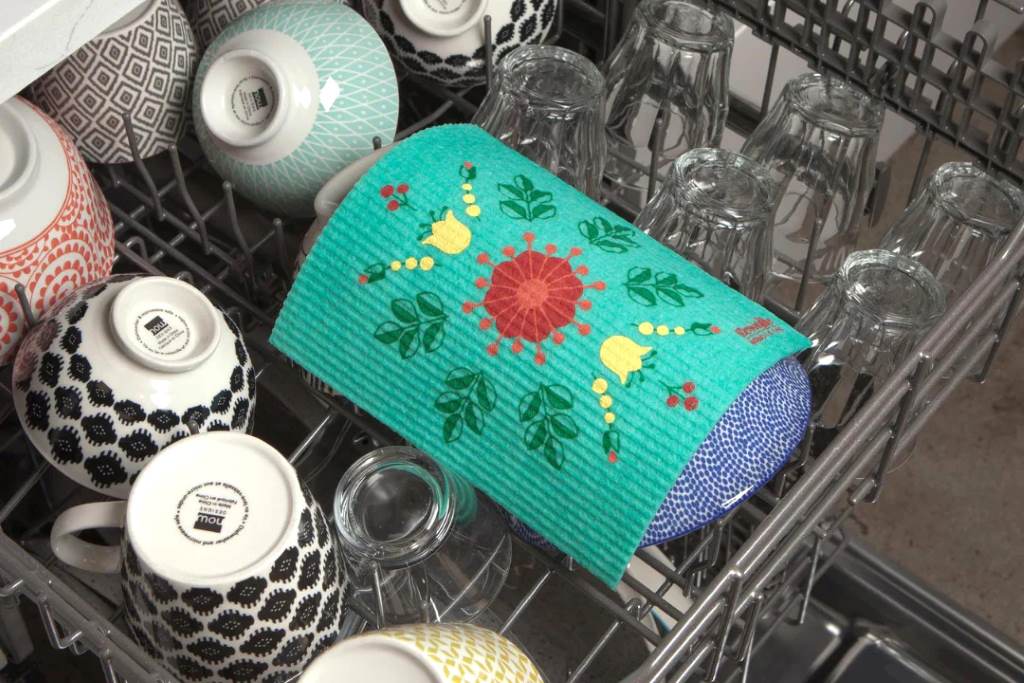
Method 2: Dishwasher Cleaning for Convenience
If you run a dishwasher regularly, pop your Swedish dishcloth on the top rack. The hot water and detergent sanitize effectively. Remove it before the drying cycle to avoid heat damage. According to RusticWise, this method is ideal for busy households.
- Steps: Rinse the cloth, place it on the top rack, and run a normal cycle. Air dry afterward.
- Caution: Don’t leave it in for the drying phase.
I tried this during a big dishwashing session, and my Supra Endura Swedish dishcloths came out fresh without extra effort. It’s perfect for multitasking!
Method 3: Boiling Water for Deep Sanitization
For heavily soiled cloths, boiling is a powerful, chemical-free method. Boil the cloth in a pot of water for 3-5 minutes, then air dry. RusticWise warns against over-boiling, as it can weaken fibers.
- Steps: Bring water to a boil, submerge the cloth, and boil briefly. Use tongs to remove and let it cool before drying.
- Note: Reserve this for tough stains or odors.
I boiled a cloth after a spaghetti sauce mishap, and it revived beautifully, proving this method’s effectiveness for stubborn messes.
Method 4: Microwave Disinfection for Quick Results
Microwaving is a fast way to kill bacteria. Wet the cloth thoroughly to avoid fire hazards, then microwave for 60-90 seconds. A 2025 guide by The Kitchenix emphasizes keeping the cloth damp.
- Steps: Rinse and wring the cloth, microwave on high, and air dry after cooling.
- Safety: Use tongs to handle the hot cloth.
I’ve used this method when time’s tight, and it’s a lifesaver for keeping my cloths germ-free without much effort.
Method 5: Hand Washing for Gentle Care
Hand washing is ideal for lightly soiled cloths. Use warm water and mild dish soap, then air dry. This method preserves the cloth’s texture, as noted by Cleanestor.
- Steps: Rinse under warm water, apply soap, scrub gently, rinse thoroughly, and hang to dry.
- Benefit: Perfect for daily maintenance.
I hand wash my cloths after light tasks, like wiping a damp cloth over countertops. It’s quick and keeps them in top shape.
Common Mistakes to Avoid When Cleaning Swedish Dishcloths
Proper care extends the life of your Swedish dishcloths, but mistakes can shorten it. Here are pitfalls to avoid:
- Using Bleach: Bleach degrades natural cotton fibers, reducing absorbency. Use mild detergents instead.
- Dryer Use: High heat shrinks cloths. Air dry on a magnetic dishcloth hanger for best results.
- Ignoring Stains: Rinse immediately after spills to prevent staining, especially on patterned cloths.
- Using Fabric Softener: It coats fibers, making cloths less effective.
I once used fabric softener by mistake, and my cloth lost its absorbency. Lesson learned: stick to eco-friendly detergents!
Tips to Prolong the Life of Your Swedish Dishcloth
To maximize your Swedish dishcloth’s lifespan (6-9 months), follow these tips:
- Rinse After Use: Remove debris with hot water to prevent buildup.
- Air Dry Properly: Use a magnetic dishcloth holder to ensure quick drying.
- Avoid Rough Surfaces: Stick to smooth household surfaces to prevent snags.
- Rotate Cloths: Use multiple cloths to reduce wear.
I keep three cloths in rotation, storing extras flat in a drawer. This keeps them fresh and extends their use.
Comparing Swedish Dishcloths to Other Cleaning Tools
| Feature | Swedish Dishcloth | Kitchen Sponge | Microfiber Cloths | Paper Towel |
|---|---|---|---|---|
| Absorbency | High (20x weight) | Moderate | High | Low |
| Eco-Friendly | Biodegradable | Synthetic | Synthetic | Disposable |
| Durability | 6-9 months | 1-2 months | 3-6 months | Single-use |
| Cost-Effectiveness | Replaces 17 rolls | Frequent replacement | Moderate | High long-term |
Swedish dishcloths outshine alternatives to paper towels, like Shammy Towels or microfibre cloths, due to their sustainability and absorbency. They’re a smart choice for reducing paper towel purchases.
My Personal Journey with Swedish Dishcloths
Switching to Swedish dishcloths transformed my kitchen routine. Initially skeptical, I was amazed by their ability to handle everything from spills to scrubbing pots. One day, I tackled a greasy stovetop with my Recyco Swedish dishcloth, and it outperformed my old kitchen sponge. Regular cleaning kept it fresh, and I saved on months of paper towel costs. This small change made me feel like an eco-warrior, one dish at a time!
Embrace the Swedish Dishcloth Lifestyle
Swedish dishcloths are more than a cleaning tool; they’re a step toward a greener kitchen. By mastering how to clean them—whether in a washing machine, dishwasher, or with boiling water—you’ll keep them hygienic and long-lasting. These cloths replace regular paper towels, saving money and reducing waste cotton. With proper care, they’ll serve you for months, making every wipe a win for the planet. Try these methods and share your experience in the comments below! How do you clean your Swedish dishcloths? Let’s inspire each other to go green
FAQs
How often should I wash my Swedish dishcloth?
Wash after every use with water; disinfect every 2-3 days or after raw meat contact.
Can I use bleach on Swedish dishcloths?
Avoid bleach; it damages fibers. Use mild detergents or boiling water for sanitization.
Are Swedish dishcloths safe for all surfaces?
Yes, they’re non-abrasive, ideal for glass, stainless steel, and bathroom surfaces.
Can I dry Swedish dishcloths in the dryer?
No, air dry to prevent shrinkage. Use a hanging towel bar or magnetic dishcloth holder.
How long do Swedish dishcloths last?
With proper care, they last 6-9 months, replacing up to 17 rolls of paper towels.

Similar Posts