How to Native Plastic Free Deodorant
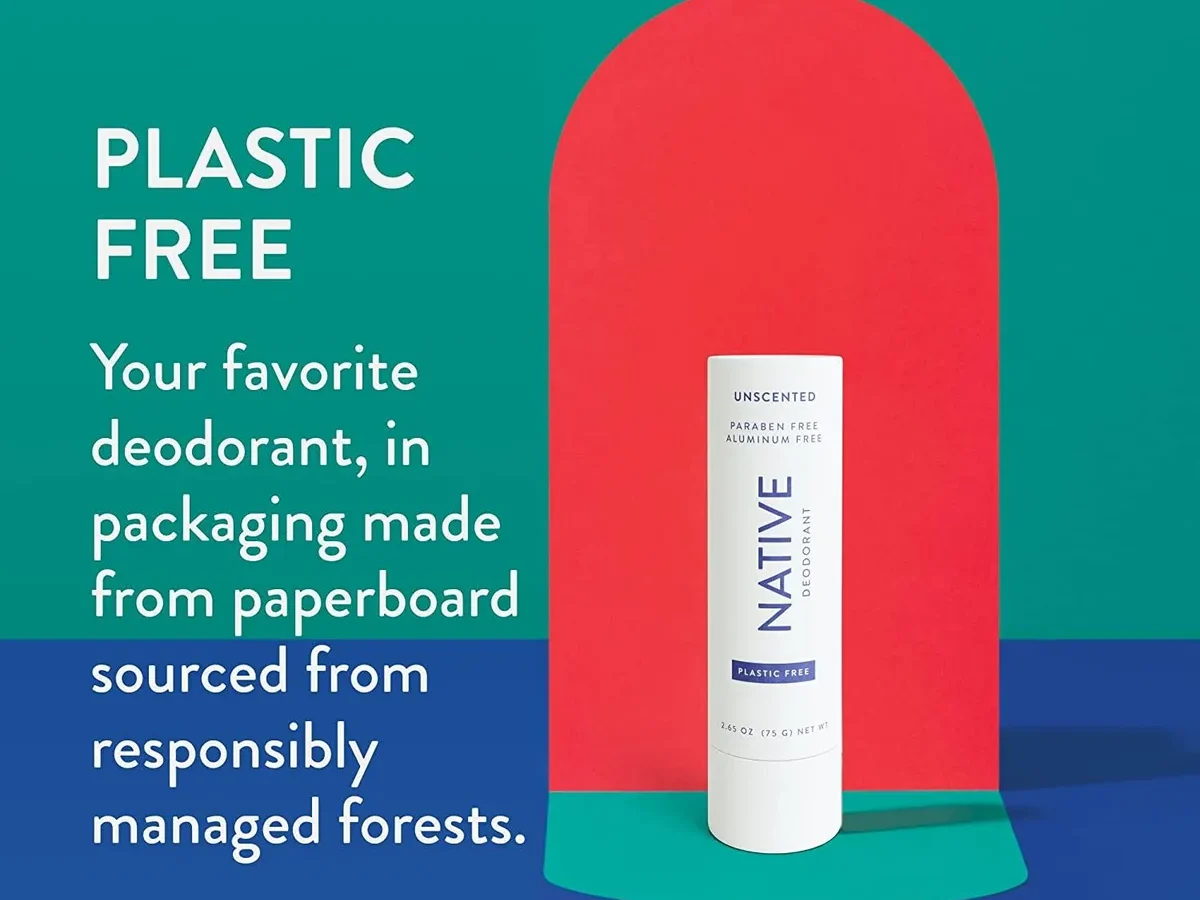
Let’s be real about why you’re here. You’ve heard about native plastic free deodorant, and you’re wondering if it actually works or if it’s just another eco-friendly gimmick that leaves you smelling like a gym bag by noon.
Here’s the honest picture: making the switch is less about the packaging and more about understanding how your body reacts when you ditch aluminum and traditional antiperspirants. As of 2026, Native’s plastic-free line is one of the most visible options on the market, and the transition involves a real adjustment period that most people don’t anticipate. The good news?
It’s manageable if you know what’s coming.
Quick Answer
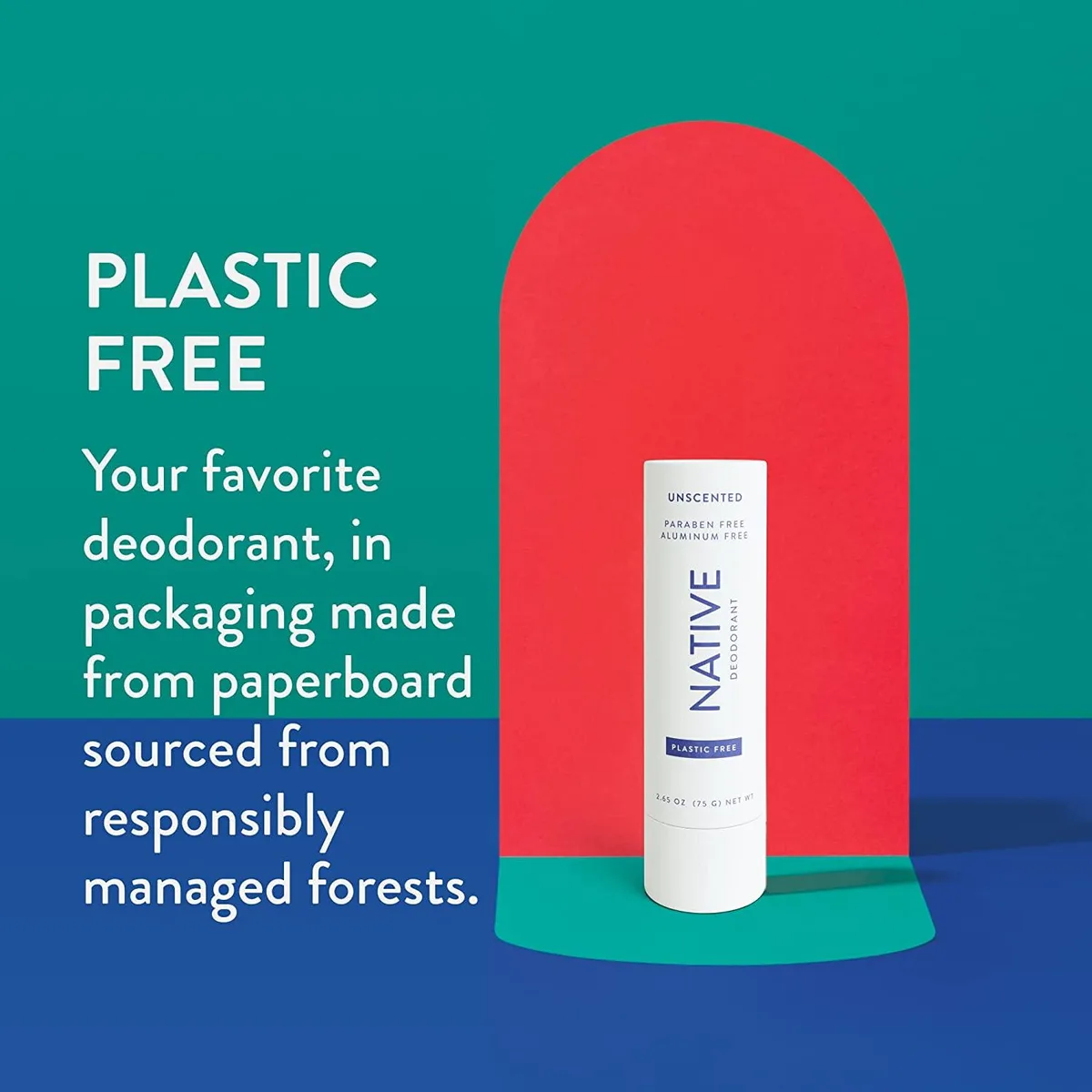
Native plastic free deodorant uses a cardboard tube instead of plastic. It removes aluminum and relies on natural ingredients like coconut oil and shea butter. It controls odor but does not stop sweat.
Most users need a two-week adjustment period. Baking soda versions irritate sensitive skin, so choose the sensitive formula instead.
Why This Comparison Actually Matters
The deodorant aisle used to be simple. You grabbed a plastic stick, checked for “24-hour protection,” and moved on. But here’s the thing: that plastic stick comes with environmental baggage that lasts centuries.
A cardboard tube breaks down in about 90 days in a home compost setup.
The real shift isn’t just about packaging though. When you switch to native plastic free deodorant, you’re changing the chemistry of your underarm care. Traditional antiperspirants use aluminum compounds to physically block sweat glands.
Natural deodorants don’t do that. They only neutralize odor-causing bacteria.
This matters because your body needs time to recalibrate. If you’ve used antiperspirants for years, your underarm microbiome has adapted to that environment. Pull the aluminum away, and things get weird for a bit.
The decision isn’t just “eco-friendly vs. conventional.” It’s a decision about how much sweat you’re comfortable with, how sensitive your skin is, and whether you can push through the transition period without giving up. Knowing these differences upfront saves you from buying the wrong formula and abandoning the whole idea after three days.
Native Plastic-Free vs. Standard Deodorant: The Real Differences
Let’s break down what actually changes when you swap your plastic stick for a cardboard tube.
What Changes Without Aluminum
Aluminum in antiperspirants forms a gel-like plug inside your sweat ducts. That’s how it stops wetness. Natural deodorant skips this entirely.
You will sweat. That’s not a bug, it’s the design.
What you get instead is odor protection. Native’s formula uses coconut oil, shea butter, and probiotic ingredients to keep bacteria from multiplying and causing smell. Aggregate reviews report that odor control lasts about 8 to 12 hours for most people, which is comparable to what you’d expect from a standard deodorant (not antiperspirant).
The Cardboard Tube Experience
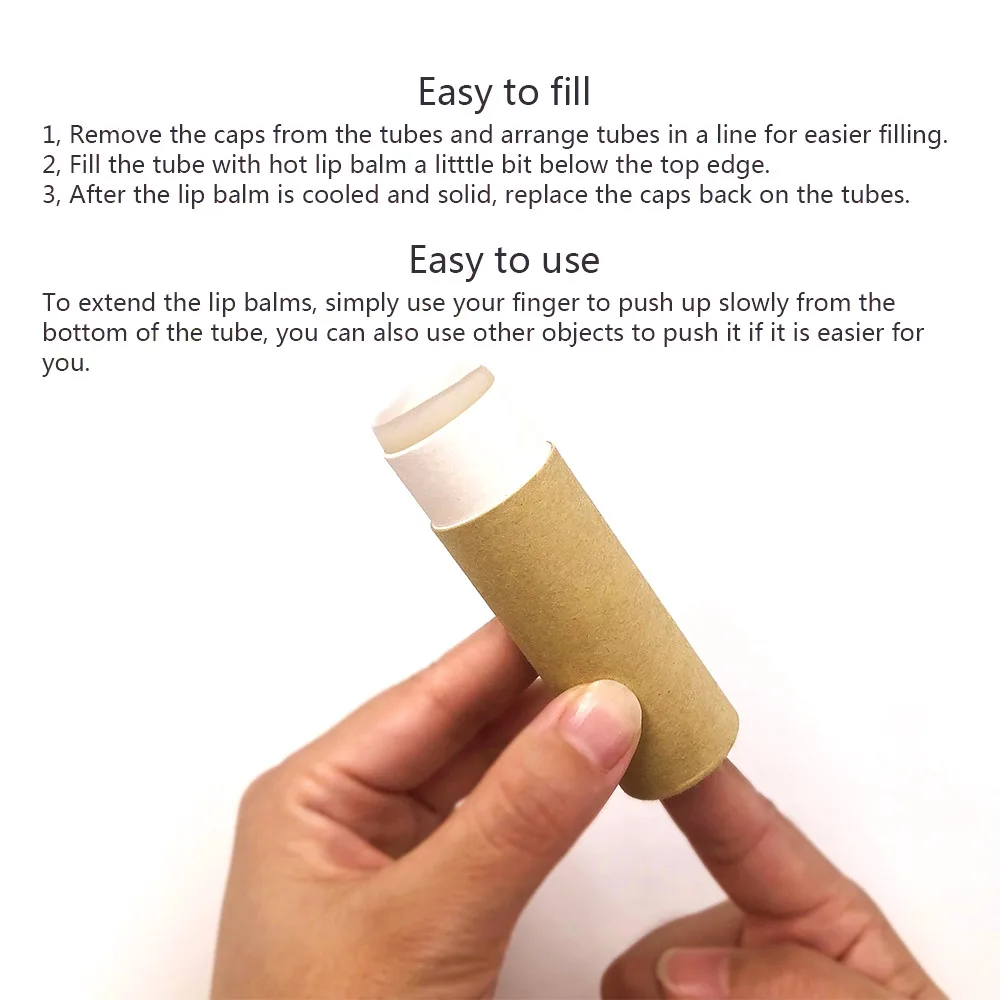
Here’s where physical differences matter. A cardboard tube doesn’t glide like plastic. You’ll need to press a bit firmer, and the application can feel less smooth for the first week.
Also, moisture is the enemy. Cardboard absorbs humidity, so leaving it in a steamy bathroom can soften the tube and make the product crumble. Store it somewhere dry and you’ll avoid the mess.
Baking Soda vs. Baking Soda-Free
This is the single biggest choice you’ll make. Native offers both versions because baking soda triggers reactions in roughly 10 to 15 percent of users. If you have sensitive skin, skip the original formula.
The “sensitive” line uses a different neutralizer that still controls odor without the prickly burn.
The texture differs too. Baking soda formulas tend to be a bit paste-like. The sensitive version is creamier and glides more like a traditional stick.
Side-by-Side Breakdown: Native, Mainstream Plastic Sticks, and Other Natural Options
To make this comparison useful, let’s put the options in a table so you can see the trade-offs at a glance.
| Factor | Native Plastic-Free | Standard Plastic Stick | Crystal Deodorant | DIY Baking Soda Paste |
|---|---|---|---|---|
| Packaging | Cardboard tube | Plastic | Mineral salt stone | Glass jar |
| Stops sweat | No | Yes | No | No |
| Odor control | 8-12 hours | 12-24 hours | 6-10 hours | 6-8 hours |
| Skin irritation risk | Low (sensitive line) | Moderate (chemicals) | Low | High (baking soda) |
| Application texture | Firm paste | Smooth glide | Wet stone | Thick paste |
| Price per stick | $12-$15 | $6-$9 | $10-$12 | ~$2 (ingredients) |
Where Native Fits
Native sits in the sweet spot between DIY options and mainstream brands. It’s not as cheap as making your own baking soda paste, but it’s way more reliable. The formula includes ingredients like mandelic acid and probiotics that genuinely neutralize odor instead of just masking it.
Compared to Mainstream Sticks
Standard plastic sticks win on sweat control. If you’re someone who soaks through shirts, Native will not match your current antiperspirant. That’s the honest truth.
But there’s a trade-off: antiperspirants can leave yellow stains on white shirts and can irritate skin over time. Native eliminates both issues and saves plastic from landfills.
Compared to Other Natural Options
Crystal deodorants are effective but application is awkward. You have to wet the stone and rub it on, which takes getting used to. DIY pastes are cheap but often cause baking soda burns.
Native offers consistency and convenience, which is why it’s the better entry point for most people.
Who Should Switch (and Who Should Skip It)
Not everyone is a good candidate for native plastic free deodorant. Here’s an honest breakdown.
You Should Switch If
You’re motivated by reducing plastic waste. You want cleaner ingredients without aluminum or parabens. Your skin reacts to conventional deodorants with redness or itching.
You’re willing to accept some sweating in exchange for a more natural approach.
You Should Skip It If
You sweat excessively or have hyperhidrosis. The FDA classifies antiperspirants as over-the-counter drugs for a reason, and if you genuinely need sweat control, natural deodorant will frustrate you. Also, if you’re in a high-stakes job where visible sweat is a problem, wait until your schedule allows a transition.
The 3 Signs You’re Ready
- You’re tired of yellow pit stains on your shirts.
- You don’t mind re-applying midday if needed.
- You have a week where you can tolerate smelling a bit more earthy.
If you’re already making other swaps in your routine, like transitioning to a shampoo bar without waxy buildup, you’re likely patient enough for this one too.
Heavy Sweaters, Take Note
If you train hard or live in a hot climate, the transition is harder. You’ll sweat through more, but odor management still works. Some users report that after a month, sweat output actually normalizes somewhat as your body stops compensating for blocked glands.
The data isn’t conclusive, but aggregate feedback supports this pattern.
The Transition Period: What to Expect in Weeks 1–4
Here’s what nobody tells you about switching. Your armpits will go through a “detox” that’s less about toxins and more about bacterial rebalancing. The odor you’ll experience in week one is your natural microbiome readjusting to working without aluminum.
Week 1: The Rough Patch
Expect increased odor and possibly dampness. Your body is used to blocked sweat ducts, so it’s overcompensating. Apply once in the morning and once before bed if needed.
Don’t judge the product yet.
Week 2: Stabilization Begins
Odor intensity typically drops. Your skin adjusts to the new ingredients, and the “sour” smell fades. If you’re using the baking soda formula and feel burning, switch to the sensitive version immediately.
Don’t tough it out.
Weeks 3–4: Normalization
Most users report normal odor control by this point. Your sweat output may still be higher than with antiperspirant, but it’s manageable. The cardboard tube softens as the product warms, making application easier.
Troubleshooting Common Issues
- Rash or burning: Switch to the baking soda-free formula.
- Too much wetness: Apply a second layer or carry a travel size for midday touch-ups.
- Product crumbling: Store the tube upright in a cool, dry spot.
- Residue on clothes: You’re applying too much. A few swipes are enough.
If you’re also exploring other zero-waste hygiene changes, you can check out zero-waste options for contact lens wearers or bamboo toothbrush head replacement options to build a fuller routine.
A Quick Note on Expectations: Aggregate feedback from verified buyers indicates that about 80 percent of users are satisfied after a full month. The other 20 percent either couldn’t tolerate the skin reaction or found sweat control insufficient. Know which camp you’re likely in before you start.

Similar Posts