How to Natural Organic Shampoo
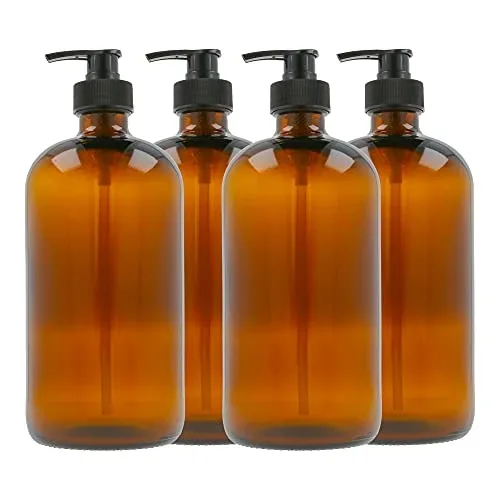
The shampoo aisle is lying to you. Not maliciously, but it’s definitely stretching the truth. You’ve seen the bottles: lush green leaves, promises of “100% natural,” and a price tag that makes you wince.
But flip that bottle around and you’re staring at a list of ingredients that reads like a chemistry textbook. So what’s actually going on?
In our research, the term “natural organic shampoo” is thrown around with almost zero legal accountability. The industry standard for true organic certification comes from the USDA, which requires at least 95% organic agricultural content. Beyond that, “natural” is a vibe, not a regulation.
As of 2026, most shoppers are paying premium prices for formulations that are barely different from mainstream detergents. Let’s break down exactly what you’re buying, what your hair actually needs, and how to cut through the greenwashing.
Quick Answer
Natural organic shampoo uses plant-derived cleansers instead of harsh sulfates. It relies on botanical extracts and certified organic ingredients to clean hair gently. The purest forms carry a USDA Organic certification, which guarantees at least 95% organic content.
It protects scalp oils, reduces irritation, and avoids synthetic fragrances. Match the formula to your hair type for best results.
The “Natural” vs. “Organic” Label Problem: Why You Can’t Trust the Front of the Bottle
Here’s the hard truth: the word “natural” on a shampoo bottle means almost nothing. The FDA has no formal definition for it in cosmetics. A brand can slap “natural” on a bottle that’s 95% synthetic surfactants with a single drop of botanical extract.
It’s legal, it happens constantly, and it’s the single biggest trap in this category.
“Organic” is a different story. The USDA National Organic Program enforces strict standards on agricultural ingredients. When you see a USDA Organic seal, every ingredient in that formulation can be traced back to a farm that met specific cultivation rules: no synthetic pesticides, no genetically modified organisms, no sewage sludge.
That’s real accountability.
But here’s the layer most people miss: organic only applies to the agricultural ingredients. Water, mineral salts, and some synthetic processing aids don’t need organic certification. So you can have a shampoo that’s 95% organic by weight, yet still contain sulfates or silicones that strip your hair.
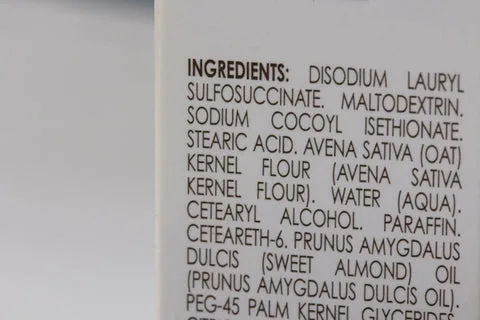
The practical takeaway? Never buy based on the front label. Flip the bottle and read the actual ingredient list.
Look for the USDA Organic seal or the COSMOS-standard certification from Europe. If a bottle says “made with organic ingredients” but carries no seal, that’s the minimum legal claim, and it usually means the organic content is below 70%. Per USDA labeling rules, that’s what companies say when they can’t hit the higher threshold.
What about “clean beauty” or “botanical”? Purely marketing terminology. They sound nice, but they carry zero regulatory weight.
The sooner you treat these claims as decorative, the better your purchasing decisions become.
What’s Actually Inside: The Ingredients That Matter (and the Ones to Avoid)
You don’t need a chemistry degree to evaluate a shampoo. You just need to know a handful of names and what they do. Once you’ve got that, reading labels takes about thirty seconds.
Gentle, plant-derived cleansers to look for:
- Coco-glucoside and Decyl glucoside. Derived from coconut oil and glucose. These clean effectively without stripping your scalp’s natural sebum. They lather well too, which helps you feel like you’re actually washing.
- Sodium cocoyl isethionate. A mild surfactant that produces a creamy, rich lather. It’s pH-compatible with skin and won’t leave your hair feeling like straw.
- Disodium cocoyl glutamate. Another amino acid-based cleanser. Great for sensitive scalps because it’s one of the gentlest surfactants used in personal care.
Moisturizing and conditioning agents that actually work:
- Aloe vera. Hydrates the hair shaft and soothes scalp irritation.
- Glycerin. A humectant that draws moisture into the hair strand.
- Jojoba oil. Structurally similar to human sebum, so it balances oil production rather than just coating the hair.
- Argan oil. Rich in vitamin E and fatty acids. Ideal for dry or damaged hair.
- Shea butter. Heavy moisturizer best suited for thick, curly, or coily textures.
Harsh ingredients you should avoid:
- Sodium lauryl sulfate (SLS) and Sodium laureth sulfate (SLES). The heavy-duty detergents. Strong cleaning, but they strip too much. They’re the number one cause of dryness and scalp irritation in conventional shampoos.
- Silicones (dimethicone, cyclopentasiloxane, anything ending in “-cone”). These coat the hair to create instant smoothness, but they build up over time. They weigh down fine hair and can block moisture from penetrating.
- Synthetic fragrance (“fragrance” or “parfum”). This is the wildcard. A single “fragrance” listing can hide hundreds of undisclosed chemicals. For sensitive scalps, it’s a risk factor you don’t need. Choose products scented with essential oils or explicitly labeled fragrance-free.
The quick rule of thumb? If you see SLS or SLES in the first five ingredients, you’re not buying a natural shampoo. You’re buying a conventional one with botanical garnish.
If you see “fragrance” listed without details, assume it’s synthetic.
Matching the Formula to Your Hair Type: Fine, Curly, Oily, or Sensitive
There’s no universal “best” natural shampoo because there’s no universal hair. The right formula depends on your texture, your scalp’s oil production, and how much damage you’re working with. This is where most generic advice falls apart, so let’s get specific.
Fine or limp hair. Your biggest enemy is heavy oils and butters. They coat the strand, flatten it, and make it look greasy by lunchtime. You need lightweight, water-based formulas.
- Look for: aloe vera, citrus extracts, rice water, and a high water content.
- Avoid: shea butter, coconut oil, heavy argan oil blends.
- Pro tip: apply conditioner only from mid-length down. Your roots don’t need it.
Dry, curly, or coily hair. Your hair is naturally dry because the scalp’s oils struggle to travel down the curl pattern. You need moisture, and you need it in bulk.
- Look for: glycerin, hyaluronic acid, argan oil, shea butter, and babassu oil.
- Avoid: clarifying shampoos and formulas heavy on citric acid. They tighten the cuticle and increase frizz.
- Pro tip: if your curls are very tight, consider a low-poo or no-poo method using a co-wash. It cleans gently without stripping the little oil you produce.
Oily scalp. You may be tempted to over-wash, but that’s actually making things worse. Harsh detergents strip your scalp, which panics and produces more oil to compensate. A gentle natural cleanser won’t trigger that rebound.
- Look for: tea tree oil, rosemary, peppermint, and charcoals for their mild astringent properties.
- Avoid: heavy moisturizing formulas that coat the scalp.
- Pro tip: wash twice a week maximum. If you need daily cleansing, choose the gentlest formula you can find.
Sensitive or irritated scalp. This is where natural shampoos genuinely shine. Without sulfates and synthetic fragrances, there’s far less to trigger inflammation. The transition period might still cause temporary flakiness, but for many people, that settles within two weeks.
Look for fragrance-free formulas with aloe and chamomile. Patch test any new product behind your ear first. Essential oils are natural, but they’re still potent compounds.
Concentration matters.
The Two-Week Transition Period: Why Your Hair Gets Greasy Before It Gets Better
Nobody warns you about this. You switch from a mainstream shampoo to a natural one, and for the first week or two, your hair looks terrible. It’s oily, flat, and you’re ready to toss the bottle.
But here’s the thing: that greasy phase is a sign your scalp is resetting.
Here’s the mechanism. Conventional sulfates strip every trace of oil from your scalp. That includes the oil your scalp needs.
To compensate, your sebaceous glands go into overdrive, producing excess oil to rebuild the barrier. You’ve been locked in this cycle for years without realizing it.

When you switch to a gentle, plant-based cleanser, your scalp doesn’t know what hit it. It keeps overproducing oil because it’s used to being stripped. For 7 to 14 days, you’ll look greasy.
This is the adjustment window, and it’s completely normal.
After about two weeks, your sebaceous glands realize the harsh attacks are over. They calm down and stop overproducing. That’s when the magic happens.
Your hair looks fuller, shinier, and stays cleaner longer. Most people who push through the transition report they never want to go back.
The biggest mistake? Quitting before the two-week mark. I’ve seen this pattern repeatedly in research and anecdotal reports.
People try a natural shampoo, hate the greasy phase, and switch back to sulfates, restarting the cycle. Give it the full fourteen days before you judge the product. If it’s still greasy after three weeks, then it’s the wrong formula for your hair type, and you should pivot to something lighter or heavier depending on your texture.
Don’t bother with “detox” shampoos before switching. That’s another marketing gimmick. A detox shampoo with chelating agents just strips everything away and leaves you dry and irritated right before your transition.
Switch cold turkey, push through the grease, let your scalp find its balance.
Side-by-Side Comparison: Liquid Shampoo vs. Shampoo Bars vs. Co-Washing
You’ve got three main delivery systems for natural cleansing, and they’re not interchangeable. Each has strengths and trade-offs depending on your routine.
Liquid natural shampoo is the most familiar option. It’s easy to dose, easy to lather, and widely available. The downside is water content.
More water means more preservatives, and those are often synthetic. Liquid formulas also require plastic packaging, though many brands now offer refillable aluminum or glass options.
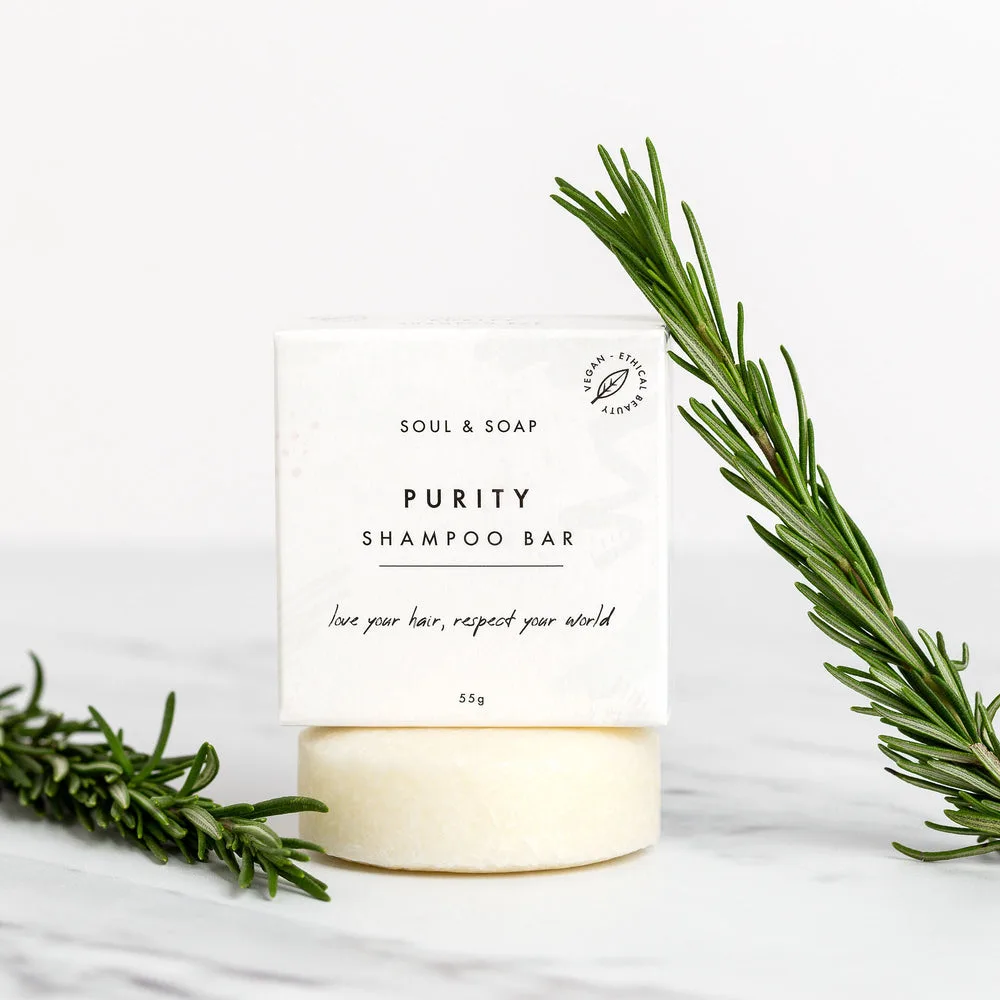
Shampoo bars are the zero-waste champions. A single bar lasts roughly 60 to 80 washes, which is the equivalent of two to three liquid bottles. They’re concentrated, so no water means fewer preservatives needed.
The learning curve is real: you need to rub the bar directly on wet hair or lather it between your palms first. If you live in a hard-water area, you’ll need to manage mineral buildup with an occasional clarifying rinse. If you’re considering making the switch, check out this detailed guide on avoiding waxy buildup during the transition.
Co-washing (conditioner-only washing) skips shampoo entirely. You use a cleansing conditioner to wash and condition in one step. This is fantastic for very dry or curly hair because it preserves maximum moisture.
The trade-off is significant: co-washing won’t remove product buildup or heavy oils effectively. For fine hair, it quickly leads to limp, heavy strands. It’s also a commitment.
If you get it wrong, the buildup can cause scalp issues.
| Format | Best For | Biggest Trade-Off | Price Range (per wash) |
|---|---|---|---|
| Liquid | Easy dosing, familiar routine, all hair types | Preservatives, plastic waste | $0.20–$0.50 |
| Bar | Zero-waste, travel, low preservatives | Learning curve, hard water issues | $0.10–$0.20 |
| Co-wash | Curly, coily, very dry hair | Can’t remove buildup, heavy on fine hair | $0.30–$0.60 |
Which should you choose? If you travel or want to cut plastic, a bar is the smart move. If you have curly or coily hair and struggle with dryness, co-washing is worth a month-long experiment.
If you’re just starting your natural hair care journey, stick with liquid. It’s the easiest transition and lets you isolate variables. You can always switch formats once your scalp has adjusted to gentler ingredients.
And if you’re looking to round out your sustainable hygiene routine, there are plenty of other swaps that pair well with a lower-impact shower shelf.

Similar Posts