How to Environmentally Friendly Skincare
You’re standing in the skincare aisle, squinting at a bottle that promises to be “clean,” “green,” and “earth-friendly.” But what does that actually mean? If you’re trying to build a genuinely environmentally friendly skincare routine, you’ve probably realized the labels are vague, the claims are everywhere, and the science is buried under marketing jargon. It’s frustrating.
You want to make better choices for your skin and the planet, but how do you separate real substance from clever packaging?
This is where things get tricky. The term “environmentally friendly skincare” isn’t regulated by the FDA or any global standard as of 2026. Instead, it’s a patchwork of certifications, ingredient lists, and packaging claims.
For example, the EU Cosmetics Regulation (EC No 1223/2009) bans over 1,300 ingredients, while the US only restricts or bans about 40. That dramatic gap tells you everything about why doing your own homework matters. Let’s cut through the noise together.
Quick Answer
Environmentally friendly skincare prioritizes low-impact sourcing, biodegradable ingredients, and minimal packaging waste. Look for certified symbols like COSMOS Organic or Leaping Bunny. Avoid vague terms like “natural” without proof.
Cross-check ingredient lists against regulatory databases. Choose refillable systems or solid formats over single-use plastic whenever possible.
Why “Green” Skincare Needs a Reality Check
The beauty industry has noticed that shoppers care about the planet. So, they’ve flooded the market with earthy-toned packaging and words like “botanical” and “pure.” But here’s the uncomfortable truth: there’s no legal definition for “clean” or “green” in cosmetics. Any brand can slap a leaf on the bottle.
This phenomenon has a name: greenwashing. It’s when a company spends more effort marketing sustainability than actually practicing it. A classic example is a moisturizer in a “recyclable” tube that’s actually made from mixed plastics, which most facilities can’t process.
The label technically isn’t lying, but it’s deeply misleading.
Aggregate reviews and consumer reports show that shoppers are getting savvier. People are reading ingredient decks and asking tough questions about carbon footprints. Yet the sheer volume of misinformation makes it exhausting.
Our research indicates that the most effective shield against greenwashing isn’t brand loyalty; it’s literacy.
You need to become fluent in two languages: the language of ingredients (INCI) and the language of third-party verification. When a product says “eco-friendly” without a recognized certification behind it, treat it as an unproven claim. When it lists vague terms like “fragrance” without disclosure, recognize that as a red flag for hidden synthetic chemicals.
The Truth About “Natural” and “Clean” Claims
Let’s dismantle two of the most overused words in the beauty lexicon: natural and clean. In the context of skincare, “natural” suggests ingredients come from plants, minerals, or animals. That sounds lovely, until you remember that arsenic is natural, poison ivy is natural, and essential oils are potent allergens.
“Clean” is even fuzzier. It’s a marketing term that implies a product is free from certain “bad” ingredients. But which ones?
That definition changes depending on which retailer’s shelf you’re browsing. Sephora’s “Clean at Sephora” standard bans sulfates and parabens, but it does not require organic or sustainably sourced ingredients. It’s a formulation standard, not an environmental one.
Studies and dermatologic reviews consistently show that synthetic ingredients aren’t inherently dangerous, just as natural ingredients aren’t inherently safe. The real issue is dosage, purity, and skin compatibility. A high-quality lab-made preservative system can prevent microbial growth safely.
Meanwhile, a “natural” water-based formula without preservatives can harbor bacteria within weeks.
So, what should you trust? Look for concrete certifications with legal teeth. The COSMOS standard (COSMOS Organic and COSMOS Natural) is backed by European regulators and verifies both ingredient sourcing and manufacturing processes.
Leaping Bunny verifies cruelty-free status through independent audits. If a product lacks these verifiable markers, its “natural” claim is just a suggestion.
What Actually Makes Skincare “Environmentally Friendly”?
The true environmental impact of a skincare product spans its entire lifecycle. You can’t just look at the bottle; you have to consider what went into it and where it goes after you’re done.
- Ingredient Sourcing: Palm oil derivatives are everywhere in cosmetics, but palm oil production drives deforestation. Look for RSPO-certified palm oil or palm-free formulations. Similarly, shea butter and argan oil can support local economies or contribute to over-farming, depending on the supplier.
- Water Footprint: Traditional cream-based moisturizers are mostly water. Shipping water is heavy and fuel-intensive. Waterless formats (solids, powders, anhydrous balms) dramatically cut transportation emissions and often require fewer preservatives.
- Packaging Lifecycle: Glass is infinitely recyclable but heavy to ship. Aluminum is lightweight and recyclable but requires significant energy to produce. PCR (post-consumer recycled) plastic is better than virgin plastic but degrades in quality after a few cycles. There’s no perfect material; only trade-offs.
- Biodegradability: What washes down your drain matters. Ingredients like non-nano zinc oxide in mineral sunscreens are considered reef-safe, while chemical filters like oxybenzone have been banned in places like Hawaii and Palau due to coral reef damage.
- Manufacturing Emissions: Does the brand use renewable energy in its factories? Do they offset transport? Some indie brands are fully carbon-neutral, while some massive corporations are still catching up.
Comparative analysis shows that refillable systems generally have a lower carbon footprint than single-use bottles after just two or three refills. However, they only work if you actually use them. A beautiful glass jar that you throw away after one use is worse than a lightweight plastic tube you recycle consistently.
How to Read Labels Like an Expert
Learning to read an INCI (International Nomenclature of Cosmetic Ingredients) label is like gaining a superpower. It takes about ten minutes of practice, and it turns a confusing wall of text into a transparent roadmap of what’s really inside.
Here’s the cheat code: INCI lists ingredients by concentration, from highest to lowest. Water is almost always first. If you see “aqua” at the top, you’re paying for water.
That’s not necessarily bad, but it’s worth knowing. Ingredients below 1% concentration can be listed in any order, so brands often bury trace amounts of expensive “hero” ingredients (like hyaluronic acid or peptides) at the very bottom.
- Recognize the Allergens: The EU mandates listing 26 specific fragrance allergens separately. If you have sensitive skin, scan for “limonene,” “linalool,” and “citronellol.” They’re natural, but they’re common contact allergens.
- Spot the Microplastics: Look for “polyethylene” (PE), “polypropylene” (PP), or “nylon.” These are often used as exfoliating beads or texture modifiers. They do not biodegrade and are banned in rinse-off products in several countries.
- Check the Preservatives: Preservatives are necessary, but not all are equal. Phenoxyethanol is a safer synthetic alternative to parabens. Pottasium sorbate and sodium benzoate are gentler options, but they only work in specific pH ranges.
- Understand Emulsifiers: Cetearyl alcohol and glyceryl stearate are common plant-derived emulsifiers. They stabilize mixtures of oil and water. Seeing them isn’t a red flag; they’re the glue that holds the formula together.
Manufacturer specifications often include the exact percentage of active ingredients. If a sunscreen claims SPF 30, check if it uses 20% non-nano zinc oxide. If a serum advertises vitamin C, it should be listed above the 1% mark.
If it’s the last ingredient, you’re buying a label, not a treatment.
The Risk Factors Most Shoppers Miss
Assuming “green” equals “safe for my skin” is the most dangerous mistake a consumer can make. Dermatologists see a specific pattern of patients: people who switched to a “natural” routine and developed contact dermatitis, acne breakouts, or worsening eczema.
The culprits are often botanical extracts and essential oils. Lavender, tea tree, citrus, and peppermint can be incredibly irritating, especially for people with sensitive or broken skin. They are also notorious for causing allergic reactions over time.
Just because a plant is organic doesn’t mean it won’t harm your skin barrier.
Another overlooked factor is the stability of natural oils. Products high in unsaturated fatty acids, like rosehip or flaxseed oil, can oxidize quickly. Once rancid, they produce free radicals that accelerate skin aging.
Always check the packaging: an opaque, airless pump is better for antioxidant-rich formulas than a clear jar with a wide mouth.
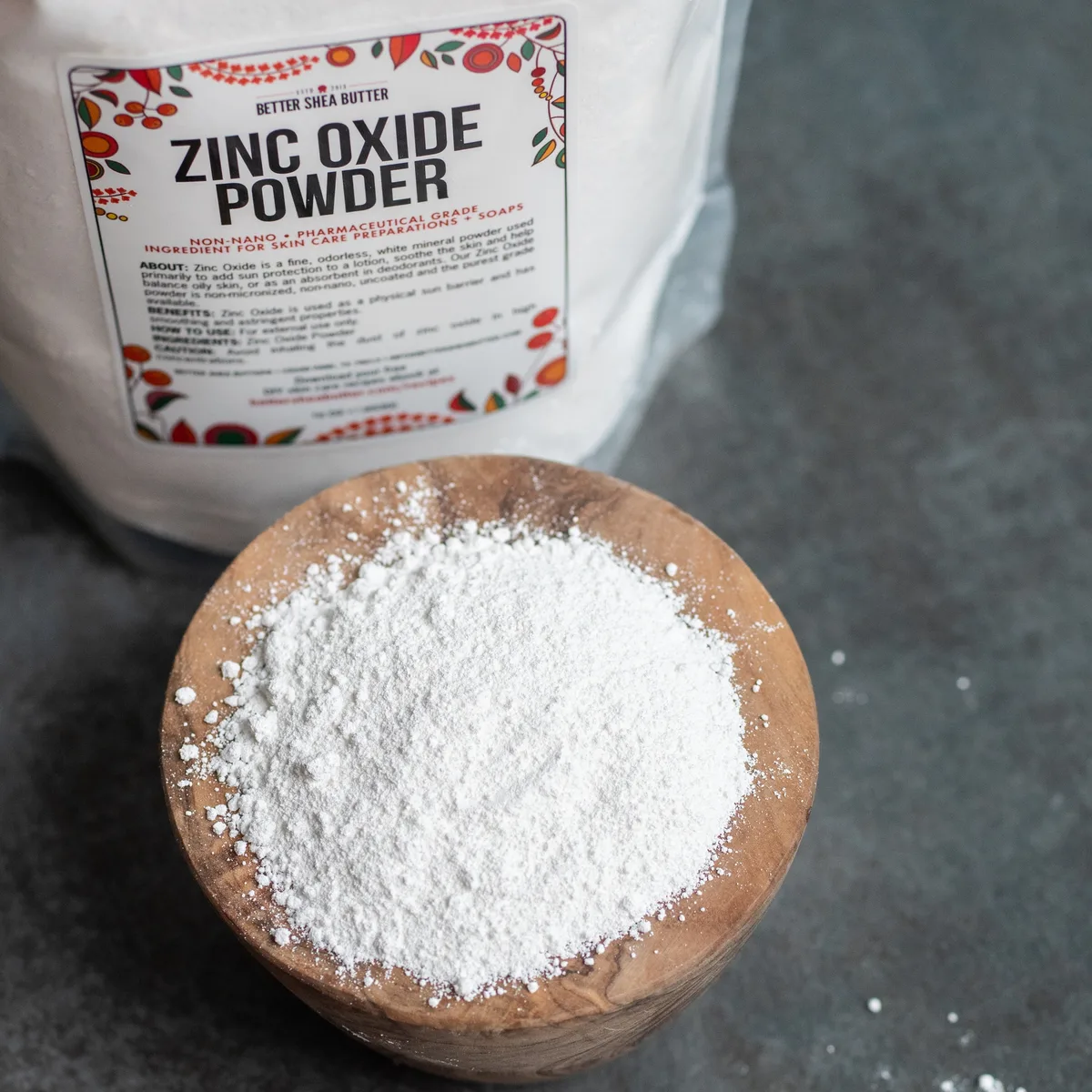
Sun protection adds another layer of complexity. Mineral sunscreens with non-nano zinc oxide are reef-safe and generally well-tolerated. But micronized versions can sometimes leave a white cast, and poorly formulated ones can feel greasy.
Chemical sunscreens offer better cosmetic elegance but raise environmental concerns. The key is that the best sunscreen is one you will actually use generously, every single day.
Safety Checklist Before Switching:
- Patch Test: Apply a pea-sized amount behind your ear or on your inner arm for 48 hours.
- Introduce One Product at a Time: Wait two weeks before adding another new item. This isolates any reaction.
- Check pH Levels: Your skin barrier thrives at a pH around 4.5 to 5.5. Diluted baking soda is “natural” but has a pH of 9, which disrupts your barrier.
- Consult a Derm for Actives: If you’re using prescription retinoids or acids, adding a “natural” exfoliating product could cause severe irritation. Always speak to your dermatologist before layering actives with prescription treatments.
Refillable, Waterless, and Solid Formats: Worth It or Gimmick?
The sustainable beauty aisle is full of clever formats. Solid shampoo bars, powder cleansers, and refillable moisturizers promise less waste and a smaller carbon footprint. But do they actually work as well as their liquid counterparts?
The short answer is yes, with a few caveats worth knowing.
Solid and Waterless Products
Waterless products skip the heavy shipping weight. A solid cleanser bar is roughly 90% lighter than its liquid equivalent. That translates to significantly lower transport emissions.
They also need fewer preservatives because bacteria require water to thrive, which is a plus for sensitive skin.
The trade-off is convenience. Solid formats can be fiddly to store, especially in humid bathrooms. They also have a learning curve.
You’ll need to lather a bar directly onto wet skin, and some people find that takes more effort than pumping out a liquid cleanser. Aggregate reviews show that users either love them or abandon them within a week.
If you travel frequently, solid formats are ideal. They slip into a carry-on without triggering TSA liquid limits. For a zero-waste lifestyle, they beat plastic bottles every time.
Just check the packaging. Some “solid” products still come wrapped in non-recyclable polypropylene film.
Refillable Systems
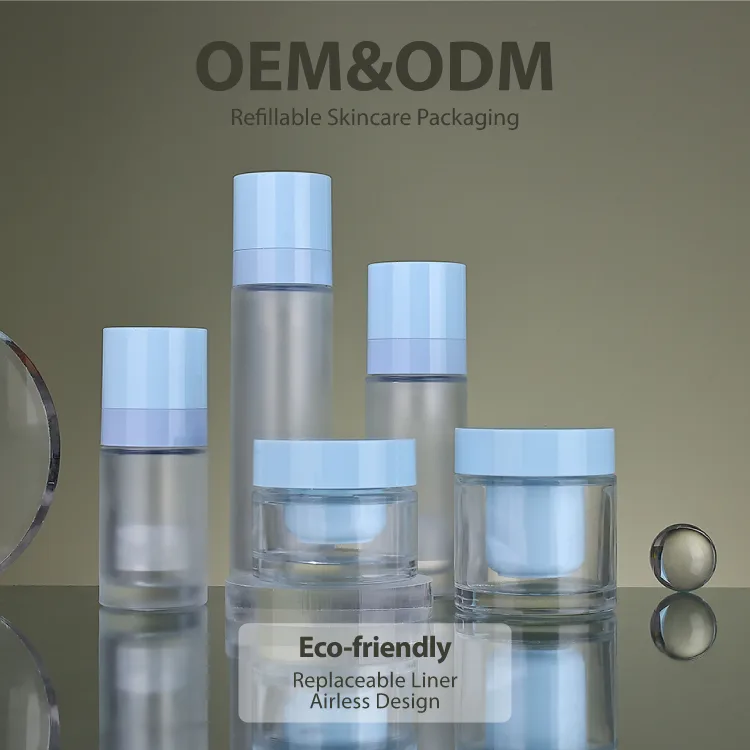
Refillable skincare usually comes in a durable glass or aluminum outer case paired with a plastic or compostable refill pouch. The math on waste reduction is solid. Refill pouches use around 80% less plastic than a standard bottle, according to industry lifecycle assessments.
The catch is that refills aren’t always cheaper. Some brands charge a premium for sustainable packaging, making the refill cost nearly the same as the original bottle. That’s a price penalty for doing the right thing, and it’s a legitimate barrier for budget-conscious shoppers.
For the system to work, you have to be diligent. Empty the outer jar, wipe it dry, and refill it without contaminating the formula. Some brands sell refills in compostable pouches that require you to squeeze out every last drop.
It’s not hard, but it’s an extra step that a pump bottle doesn’t ask of you.
Mistakes to Avoid When Switching to Sustainable Skincare
Switching to greener products is a great goal, but doing it recklessly can leave you with irritated skin and wasted money. The most common mistake is overhauling your entire routine overnight. Your skin thrives on consistency.
Replacing your cleanser, moisturizer, and sunscreen all at once gives you no way to identify which product causes a reaction.
A better approach is the one-at-a-time rule. Introduce a new product every two weeks. This gives your skin time to adjust and your brain time to assess whether the texture and performance actually suit you.
If you start breaking out, you’ll know exactly which product is the culprit.
Don’t trust a single certification. A product can be perfectly cruelty-free but still contain non-biodegradable ingredients. Or it can be USDA Organic but packaged in mixed plastics.
Look for multiple certifications across different categories. Leaping Bunny for animal testing, COSMOS for ingredient sourcing, and a recycling logo on the packaging itself.
Inexperienced shoppers also overlook shelf life. “Natural” preservatives are often weaker than synthetic ones. A water-free balm might last 12 months, but a water-based cream with phenoxyethanol could last up to 24.
Check the batch code or manufacturing date. Rancid oils not only smell bad, they can irritate your skin.
Green Skincare FAQs (Quick Answers + Deeper Dives)
Is mineral sunscreen always better for the environment?
Non-nano zinc oxide is generally considered reef-safe and biodegradable. It sits on top of the skin and physically blocks UV rays. Chemical sunscreens like oxybenzone and octinoxate absorb UV radiation, but they’ve been linked to coral reef harm.
Hawaii, Palau, and the US Virgin Islands have banned them. If you’re swimming in the ocean, mineral sunscreen is the safer choice. Just avoid spray versions, which can be inhaled.
What does “reef-safe” actually mean?
“Reef-safe” has no legal definition in most countries. It’s a marketing term that generally indicates the formula contains no oxybenzone or octinoxate. However, some products with those banned chemicals still claim “reef-safe” on their labels.
Look for “non-nano zinc oxide” or “titanium dioxide” as the active ingredients. Check for the Hawaii-compliant seal or a similar regulatory standard.
How do I recycle my empties properly?
Rinse out your jars and bottles before recycling. Residual product contaminates entire batches of recycling, causing them to be sent to landfill. Remove pumps and droppers, as their internal springs and tubes are often made of mixed materials.
Check with your local municipality for soft plastic drop-off programs, since film pouches from refills rarely go in curbside bins. Consider switching to a refill system as an alternative to single-use packaging.
Can natural skincare expire faster?
Yes. Products with high concentrations of plant oils and minimal preservatives have a shorter shelf life. Most are stable for 6 to 12 months after opening, depending on storage conditions.
Heat and light accelerate oxidation, so keep them cool and out of direct sunlight. If the texture changes, the smell turns sour, or it separates, toss it. Using expired products risks bacterial contamination and skin irritation.

Similar Posts