How to Completely Natural Shampoo
Shopping for a truly natural shampoo feels like walking through a maze blindfolded. You flip a bottle over, see words like "cocamidopropyl betaine," and suddenly you're wondering whether you need a chemistry degree just to wash your hair. The frustrating part is that "completely natural shampoo" doesn't have a legal definition, so brands slap that phrase on bottles filled with synthetic detergents and lab-made fragrances without breaking any rules.
Here's what we know after digging through ingredient databases, dermatology journals, and aggregate consumer reviews: a genuinely natural shampoo relies on plant-derived surfactants, avoids synthetic preservatives, and sits in a specific pH range to keep your hair cuticle healthy. As of 2026, the European Union's Cosmetics Regulation remains the gold standard for ingredient transparency, but most US shoppers aren't getting that level of protection. So how do you actually find a shampoo that matches your hair without falling for greenwashing?
Quick Answer
A completely natural shampoo uses plant-derived cleansing agents and avoids synthetic sulfates, parabens, and artificial fragrances. The best choice depends on your scalp type, hair porosity, and water hardness. Look for coco-glucoside or sodium cocoyl isethionate instead of sodium lauryl sulfate.
Expect a transition period of 2 to 6 weeks as your scalp rebalances its oil production. Read the full ingredient list, not just the front label claims.
What "Completely Natural" Actually Means (and What It Doesn't)
The term "natural" on a shampoo bottle is marketing, not science. The FDA doesn't regulate cosmetic claims the way it regulates food, which means a brand can call its product "natural" even when it contains synthetic preservatives, artificial colors, or ethoxylated ingredients that process with cancer-linked chemicals like 1,4-dioxane. That's not fear-mongering; it's just how the industry works in the US.
So what separates a genuinely natural shampoo from one that's just wearing a green costume? Real plant-derived surfactants like coco-glucoside, decyl glucoside, or sodium cocoyl isethionate. These cleansers come from coconut oil or sugar and break down easily in the environment.
Meanwhile, synthetic options like sodium lauryl sulfate (SLS) and sodium laureth sulfate (SLES) are petroleum-derived and strip your scalp's natural moisture barrier.
There's also a difference between "natural" and "organic." Organic certification, like USDA Organic, applies to how agricultural ingredients are grown, not whether the final product is gentle. You can have an organic shampoo with harsh surfactants or a natural one with zero organic ingredients. Both are valid, but they're answering different questions.
Now for the loopholes. "Fragrance" on an ingredient list can legally hide dozens of undisclosed synthetic chemicals, including phthalates and synthetic musks. If a bottle says "natural" but lists "fragrance" without specifying essential oils, it's not as natural as the marketing implies.
Same goes for "preservatives" without naming them. Phenoxyethanol is synthetic; radish root ferment is plant-based. Your decision needs to factor in these hidden players.
The good news? You don't need to memorize every chemical name to make an informed choice. You just need to know what your specific hair and scalp need, then match those needs to the right natural surfactant system.
That's where the decision process actually starts.
Know Your Scalp and Hair Before You Switch
Before you swap your shampoo, you need three pieces of information: your scalp's oil production level, your hair's porosity, and your home's water hardness. Get these right, and the natural shampoo transition becomes manageable. Get them wrong, and you'll blame the product when the real issue is a mismatch.
Start with scalp oiliness. Wait until your hair is dirty, then check. If your scalp looks shiny and your roots feel greasy by day two, you're oily.
If your hair feels dry and your scalp gets tight by day four or five, you're dry. Most people fall somewhere in the middle, which means a balanced "normal" approach works best.
Next, test your hair porosity. This determines how well your hair absorbs and retains moisture. Take a clean strand and drop it into a glass of room-temperature water.
If it sinks within 1 to 2 minutes, you have high porosity hair with gaps in your cuticle. If it floats after 5 minutes, you have low porosity hair with tightly packed cuticles. Somewhere in between?
That's medium porosity.
High porosity hair needs moisturizing, low-lather natural shampoos and regular conditioning. Low porosity hair needs lighter cleansers and more diluted acids like apple cider vinegar to help flatten the cuticle. Use this test before choosing a product, not after.
Finally, check your water hardness. Hard water contains dissolved calcium and magnesium that coat your hair and interfere with shampoo lather. If your showerhead gets white scale or your soap doesn't foam well, you likely have hard water.
In that case, you'll need a natural shampoo with chelating agents like sodium phytate, or you'll need to follow up with an acidic rinse to break down mineral buildup.
How to Test Water Hardness at Home
Grab a clear plastic bottle and add 10 drops of pure liquid soap, not detergent. Fill the bottle one-third with tap water, cap it, and shake for 10 seconds. If you get fluffy bubbles and clear water, you're soft.
If the water looks cloudy and you see scum on top, you're hard. This simple test saves you weeks of frustration with natural shampoos that don't foam properly in hard water.
The Decision Tree: Finding Your Natural Shampoo Match
Now that you have your three data points, it's time to make a decision. This isn't about picking the "best" natural shampoo overall. It's about finding the right formula for your specific hair profile.
Here's the logic flow, branch by branch.
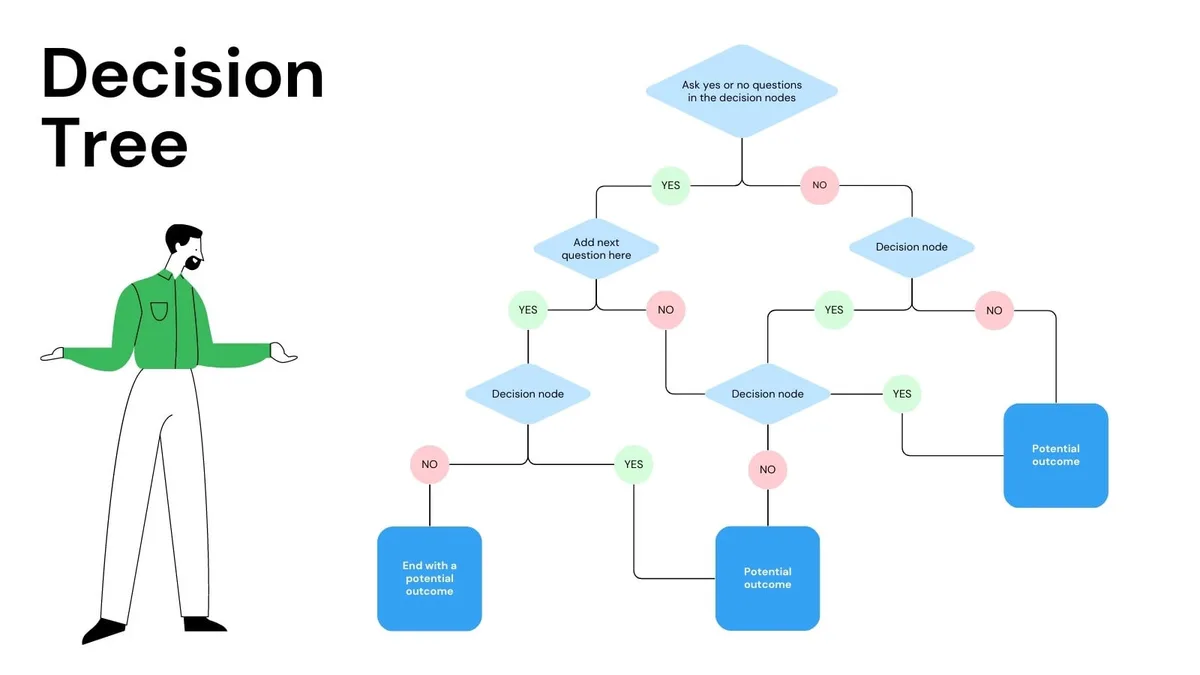
Branch 1: Oily scalp + fine hair. You need a natural shampoo with stronger cleansing power, like coco-glucoside or decyl glucoside. These surfactants remove excess oil without stripping the scalp completely. Look for a clear liquid formula or a shampoo bar with a higher surfactant content.
Wash frequency should be every 1 to 2 days. Skip heavy oils and butters in the formula, since they'll weigh your hair down.
Branch 2: Dry scalp + curly or coily hair. You need a low-lather, moisture-rich cleanser. Conditioning agents like shea butter, aloe vera, or glycerin should be near the top of the ingredient list. Co-washing, which means using conditioner only, also works well here.
Choose a natural shampoo with gentle surfactants like sodium cocoyl isethionate, and follow with a leave-in conditioner to seal in moisture. Wash once a week, maybe less.
Branch 3: Sensitive scalp or eczema. Minimal ingredients win here. Choose a fragrance-free natural shampoo with fewer than 10 components. Avoid essential oils like tea tree or peppermint, which can irritate broken skin.
Look for soothing bases like aloe vera and chamomile extract. Always patch test behind your ear before full application, and consult a dermatologist if you have an active flare-up.
Branch 4: Hard water at home. Your priority is chelation. Look for a natural shampoo that includes sodium phytate or phytic acid, which bind to minerals and rinse them away. Pair it with a diluted apple cider vinegar rinse, about one tablespoon per cup of water, to lower your hair's pH and dissolve mineral residue.
Without this step, even the best natural shampoo won't work well in hard water.
Still unsure where you fit? Start with the gentlest option that matches your scalp type, then adjust based on how your hair feels after two weeks. Natural haircare demands patience, not perfection.
Your Options: Solid Bars, Liquids, and DIY Alternatives
Once you've identified your branch, you need to choose a format. Each one has trade-offs between convenience, price, and ingredient control. Let's break them down.
Shampoo bars are the eco-friendly favorite. They're concentrated, so one bar typically lasts 50 to 80 washes, versus 20 to 30 for a liquid bottle. They also avoid plastic packaging entirely, which aligns with a zero-waste lifestyle.
The catch is that they can be tricky to lather in hard water, and some people experience a waxy buildup during the adjustment period. If you're exploring this route, our guide on avoiding waxy buildup during the transition covers the common pitfalls and how to fix them.
Liquid natural shampoos are easier to distribute evenly through thick hair. They're also more forgiving with lather. However, they need preservatives to stay fresh in water, and those preservatives might be synthetic.
Look for liquid shampoos preserved with radish root ferment or potassium sorbate, both plant-derived. The shelf life is shorter, typically 3 to 6 months after opening.
DIY alternatives like bentonite clay, soap nuts, and apple cider vinegar give you total control over ingredients. The downside is that you're measuring everything yourself, and a mistake can seriously damage your hair. Baking soda, for instance, has a pH of around 9, which is far too alkaline for your scalp.
Using it regularly causes swelling of the hair cuticle, leading to frizz and breakage.
| Format | Average Cost per Wash | Shelf Life | Best For | Plastic Waste |
|---|---|---|---|---|
| Shampoo Bar | $0.15–$0.25 | 12+ months | Eco-conscious users | Zero |
| Liquid Natural | $0.30–$0.60 | 3–6 months | Curly/thick hair | Some |
| DIY (clay, ACV) | $0.05–$0.15 | Varies | Control seekers | Minimal |
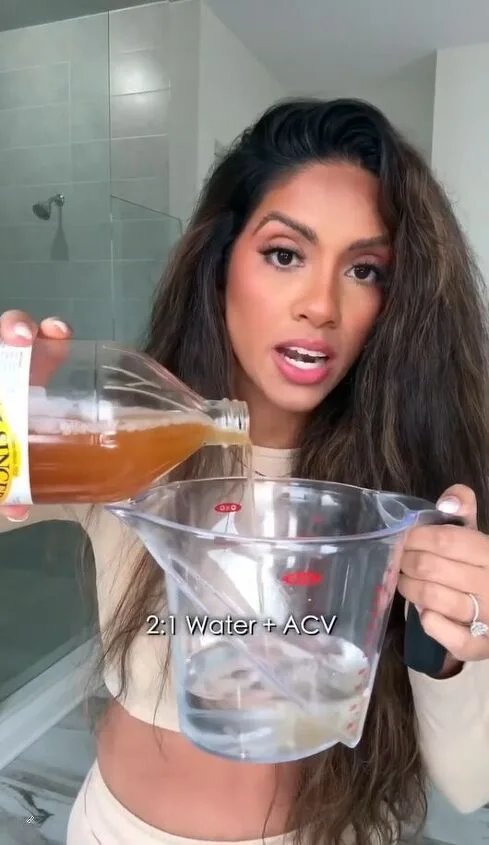
A quick note on DIY: an apple cider vinegar rinse is a great supplement to any natural shampoo, especially in hard water. Use one tablespoon of raw, unfiltered ACV diluted in one cup of filtered water. Pour it over your hair after washing, leave it for one minute, then rinse.
But never use it undiluted, and never use it more than twice a week. Acid is good for your cuticle; too much acid damages the hair shaft.
If you're interested in other plastic-free swaps for your bathroom routine, we've covered options like replacement heads for bamboo toothbrushes and plastic-free deodorants. Building a fully natural routine works best when you tackle one product at a time.
The Transition Phase: What to Expect in Weeks 1–6
Switching to a completely natural shampoo is not an overnight transformation. Most people experience a transition period where their hair feels waxy, greasy, or just wrong. That's not the product failing.
That's your scalp rebalancing its sebum production after years of synthetic surfactants stripping it dry.
Here's the timeline you should expect. Weeks one to two are usually the hardest. Your scalp is overproducing oil to compensate for the stripping it's used to, and your hair might feel heavy.
Weeks three to four start improving. The oil production calms down, and your hair accepts the new cleansing agents. Weeks five to six bring the payoff, provided your formula matches your hair type.
During this period, your washing routine matters more than your shampoo. If you're transitioning from a conventional product, reduce your wash frequency gradually. Going from daily washing to once a week overnight traumatizes your scalp.
Drop to every other day, then every two days, then two to three times per week as your oil production settles.
You'll also need to brush more often. A boar-bristle brush helps distribute natural oils from your scalp to your ends, so you can go longer between washes without looking greasy. Brush your hair before showering to remove loose product buildup and stimulate blood flow to your scalp.
How to Survive the Waxy Phase
If your hair feels like straw or looks greasy by midday, try one of these strategies. First, double-clean with a small amount of shampoo, rinse, then repeat with half the amount. Second, use a diluted ACV rinse once per week to dissolve waxy sebum.
Third, skip heavy conditioners during the transition, since they add to buildup. And if you're using a shampoo bar, make sure you're actually creating enough lather in your palms before applying it to your hair.
When to Push Through vs. When to Switch
Not every rough patch is a transition phase. If your hair is still waxy after six weeks of consistent use, the formula might be wrong for your hair type. If your scalp is itchy, red, or flaking, that's an allergic reaction or pH imbalance, not a transition.
Stop using the product and switch to a gentler option. If you're following the hair porosity test from earlier, revisit those results and adjust.
One more thing worth noting: hard water can extend your transition indefinitely. If you're in week five and nothing has improved, check your water hardness. Adding an ACV rinse eliminates mineral buildup that natural shampoos can't always tackle on their own.
That single change often resolves half the complaints we see in aggregate user reviews.

Similar Posts