Zero-Waste Options for Contact Lens Wearers
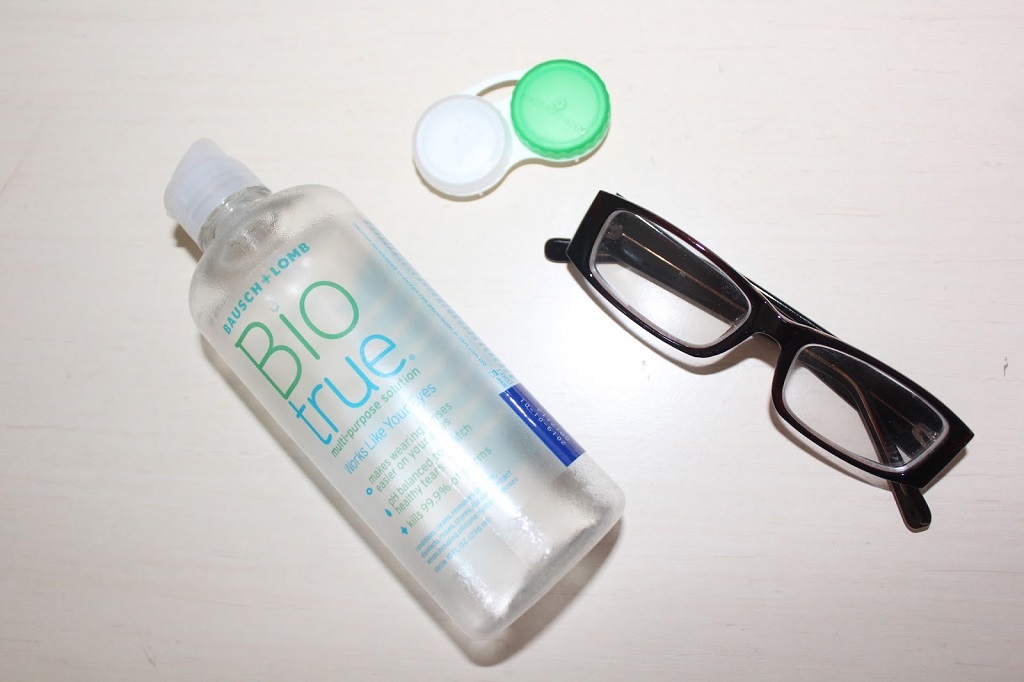
Picture this. You pop in your contacts each morning. They give you sharp vision all day. But at night, you toss the old pair. That small act adds up. It feeds a big problem. Tiny plastic bits from lenses pollute rivers and oceans. They harm fish and birds. You care about clear eyes. Now care about a clear planet too.
Contact lenses help millions see better. They fix vision issues like nearsightedness or astigmatism. Yet they create waste. Most lenses come from plastic polymers. These do not break down fast. They turn into microplastics. These bits enter water systems. They stay for years.
Recent studies show the scale. In the US, about 20% of wearers flush lenses down drains. This sends 2 to 3 billion lenses into wastewater yearly, per research from Arizona State University in 2020. Another study estimates 44 tonnes of plastic waste from lenses hit US waters each year, according to a 2020 Environmental Science & Technology paper. That’s like 50,000 pounds of fragments in sewage sludge, as noted in Scientific American’s 2024 report. With 45 million US wearers, small choices matter big.
You want options. Real ways to wear lenses without guilt. This guide shares them. We cover sustainable picks, smart disposal, and daily tips. You keep your sight. Earth gets a break. Let’s dive in.
The Environmental Impact of Traditional Contact Lenses
Contact lenses seem harmless. They weigh just 30 micrograms each. But numbers stack up fast. A daily wearer tosses 730 lenses a year. Multiply by millions. Waste grows.
Plastic Waste from Lenses and Packaging
Most soft lenses use hydrogels. These mix water with plastics like HEMA. They feel comfy. They last weeks or months. But when done, they join trash piles. Blister packs hold them. These plastic shells plus foil lids add more junk. Each pack weighs grams. But yearly, they fill landfills.
A 2024 review in Contact Lens Update points out three key hits. First, making lenses burns energy. It pulls raw materials. Second, users create waste daily. Third, disposal spreads pollution. Daily disposables shine for ease. Yet they pack 27% more waste than reusables, per a 2021 ScienceDirect study. Solution bottles for reusables tip scales too. One bottle equals 2.5 years of dailies in plastic, says Contact Lens Spectrum.

Microplastics in Waterways and Soil
Flush a lens. It heads to treatment plants. But filters miss them. Lenses fragment into bits under 5mm. These microplastics flow out. They coat rivers. They sink in soil.
Charles Rolsky’s PhD work at ASU found lenses survive treatment. They pick up germs and chemicals. Then they hit fields as sludge. About 55% of US sludge goes to land, per 2024 Frontiers in Public Health. Plants absorb them. Animals eat them. It loops to us.
A 2023 study in Environmental Science & Technology spotted microplastics from lenses in sunlight tests. They release more under UV light. UK data shows lens waste is 0.5% of household total. Small slice. But it adds to the crisis. Oceans hold 170 trillion plastic bits now. Lenses chip in.
Health and Ecosystem Risks
Microplastics stress wildlife. Fish mistake them for food. They starve or choke. Birds feed them to chicks. Whole chains suffer.
For humans, risks build slow. Plastics carry toxins. They build in bodies. A 2023 BMJ Global Health paper links them to health woes. Wastewater bits might taint drinking water. Long-term? Unknown. But experts urge cuts now.
Sarah’s story shows it. She wore dailies for years. One beach cleanup, she found lens-like plastics. Shocked, she switched habits. Her eyes stayed sharp. Her conscience cleared.
You face this too. But fixes exist. Next, we explore them.
Sustainable Contact Lens Choices
Switch lenses. Cut waste. Look for eco-marks. They signal green shifts.
Daily Disposables with Minimal Packaging
Dailies seem wasteful. Think again. No solution bottles needed. Less chemical runoff.
Pick slim packs. Hubble’s Hydro by Hubble uses the thinnest blister. It slashes plastic. Menicon’s Miru 1 Day goes flatter. It cuts waste to 1/5 of standard. Foil recycles easy via TerraCycle.
Pros:
- Easy care. Pop in, toss out.
- Lower infection risk. Fresh pair daily.
- Fits active life. Swim or hike free.
Cons:
- More packs yearly.
- Higher refill cost over time.
A 2024 Contact Lens Spectrum report says dailies match reusables in eco-footprint for full-time wear. Part-timers? Dailies win. Try them. Track your trash. See the drop.
Reusable Lenses for Less Frequent Replacement
Go monthly or biweekly. Reuse cuts tosses. One pair lasts longer.
But pair with green care. Use peroxide systems. They skip harsh chemicals. Brands like Clear Care offer big bottles. Recycle them curbside.
Extended wear lenses sleep in eyes. They reduce pairs needed. FDA-approved ones let oxygen flow. CooperVision’s Biofinity suits nights out.
Example: Tom switched to monthlies. He used four pairs yearly. Waste halved. He joined a recycling drop-off. Felt good.
Biodegradable and Plant-Based Innovations
Excitement builds here. Labs test soy, corn, algae bases. They break down natural.
A 2024 Results in Surfaces and Interfaces review covers biodegradation. Enzymes eat polymers. Menicon pushes soy lenses. Fully compostable soon.
IRIS offers eco-lines now. Biodegradable softs from plant gels. Not all prescriptions fit yet. But options grow.
2025 trends? Expect more. Statista forecasts 3.81% market rise for green eyewear. Watch trials. Ask your optometrist.
Recycling Programs for Contact Lenses and Packaging
Don’t trash it. Recycle it. Programs make it simple.
Bausch + Lomb ONE by ONE Program
Free and wide. Takes all brands. Drop lenses, blisters, foils at eye docs.
Started 2016. Recycled 65 million units by 2023. That’s 397,194 pounds saved. Process: Clean, sort, melt. Turns to benches, tables.
Find spots on their map. No site near? Mail a box. For each 10-pound ship, $1 goes to vision aid.
Steps:
- Collect used items. Dry them.
- Remove foil from blisters.
- Drop or ship.
TerraCycle and Other Free Initiatives
TerraCycle runs boxes. $20-80. Holds months’ worth. Ships free.
ACUVUE’s LensCycle takes pouches. Free at offices. Paper packs biodegrade.
LensCYCLE in UK sorts by hand. Repurposes all.
Pro tip: Stockpile a year. One trip cuts emissions.
Handling Solution Bottles and Cases
Bottles? Curbside if big. Caps? With ONE by ONE. They slip off sorters.
Cases build up. Reuse till three months. Then recycle via programs.
Eco-Friendly Accessories and Care Products
Lenses get green. So do tools.
Reusable Glass or Recycled Plastic Cases
Ditch disposables. Glasque makes 100% glass cases. Holds 2.5ml solution. Withstands heat. Zero plastic.
OptoOrg sells packs of four. From recycled stuff. Seasonal colors remind swaps. Leak-proof. Travel-ready.
Etsy has zero-waste glass jars. Silicone lids seal tight.
Benefits:
- Lasts years. No new buys.
- Hygienic. Glass fights bacteria.
- Cuts 840 million yearly cases, per TheLensCase stats.
Natural Cleaning Solutions
Skip multis. Use hydrogen peroxide. Breaks down to water. No residue.
Brands like AOSept fit reusables. Big bottles last.
DIY? Saltwater soaks. Boil saline. Store safe. But check doc first.
Daily Habits for Zero-Waste Living with Contacts
Small shifts add up. Build routines.
Proper Disposal Routines
Never flush. Bag lenses. Drop at recyclers.
Rinse blisters. Dry foils. Stack flat.
Weekly audit: Count waste. Aim down.
Reducing Overall Consumption
Buy bulk. 90-packs cut ships.
Go paperless. Digital scripts save trees.
Share knowledge. Tell friends about programs.
Case study: Eco-group in Seattle. Ten wearers joined ONE by ONE. Diverted 500 pounds yearly. They host cleanups. Vision sharp. Community strong.
Integrating with Broader Sustainability
Pair with glasses days. Rest eyes. Cut lens use.
Bike to doc. Lowers carbon.
Track via apps. ZeroWaste logs habits.
Long-Term Alternatives to Contact Lenses
For ultimate zero-waste? Ditch disposables.
Glasses as a Low-Waste Option
Frames last years. Lenses recut. Polycarbonate recycles.
Betterview notes glasses market hits $60 billion. Eco-frames from bamboo rise.
Switch weekly. Eyes breathe.
Laser Eye Surgery for Permanent Change
LASIK frees you. One procedure. No more waste.
TLC Vision says it slashes lifetime plastic. 95% hit 20/20. Quick recover.
Not for all. Consult pros.
Conclusion
You started with a toss. Now you hold power. Zero-waste options for contact lens wearers abound. Pick dailies with slim packs. Join recyclers like ONE by ONE. Grab glass cases. Build habits.
Key wins: Cut microplastics. Save wildlife. Feel good.
Stats back it. Programs divert millions pounds. Innovations like soy lenses promise more.
Act now. Chat your optometrist. Start a box. Share this guide. Clear sight meets clean earth. Your move.
FAQs
What are the best zero-waste contact lenses?
Daily disposables like Miru 1 Day or Hydro by Hubble top lists. They use less packaging. Reusables cut frequency. Biodegradable soy options emerge in 2025 trials.
How do I recycle my contact lens blister packs?
Use Bausch + Lomb’s ONE by ONE. Drop at eye offices. Or mail via TerraCycle. Dry items first. Foils separate. Free and easy.
Are glass contact lens cases safe?
Yes. Borosilicate glass resists cracks. Silicone lids seal. They hold solution well. Swap every three months for hygiene.
Can I flush old contact lenses?
No. It spreads microplastics. Bag and recycle. Flushing adds 44 tonnes to US waters yearly.
What’s the eco-impact of daily vs. monthly lenses?
Dailies generate 27% more waste but skip solutions. Monthlies need bottles. Both recyclable. Pick based on wear time.

Similar Posts