How to Wash Reusable Party Plates the Right Way
If you’ve ever stared at a pile of dirty reusable plates after a party and wondered whether you’re washing them right, you’re not alone. The truth is, knowing how to wash reusable party plates isn’t just about scrubbing until they look clean. It’s about matching your method to the material, because what works for melamine will destroy bamboo, and what’s fine for polypropylene can ruin enameled metal.
In our research, manufacturer specifications show that most reusable plates are designed to last through hundreds of wash cycles, but only if you treat them correctly. As of 2026, the biggest cause of premature plate failure isn’t dropping or cracking. It’s improper washing, usually from heat that’s too high or soaking that’s too long.
Getting this right is simple once you know what you’re working with, so let’s walk through it plate by plate.
Quick Answer
Wash reusable party plates by hand with warm water and mild dish soap. Pre-scrape food waste, soak for 10 to 15 minutes max, and scrub with a non-abrasive sponge. Rinse thoroughly and dry immediately.
Avoid dishwashers for bamboo and melamine. Use vinegar to cut grease and baking soda for stains. Never stack wet plates.
First, Know Your Plate: Why Material Dictates Everything
Before you even turn on the tap, flip that plate over and check the bottom. Most manufacturers stamp the material type right there, and that stamp tells you everything about how to wash it. If the label has worn off, which happens after enough cycles, you can usually tell by weight and feel.
Melamine is hard, glossy, and cold to the touch. Bamboo fiber is matte, slightly rough, and feels warmer. Polypropylene bends slightly when you press on the rim, and silicone bends completely without breaking.
Here is the short version of what each material needs:
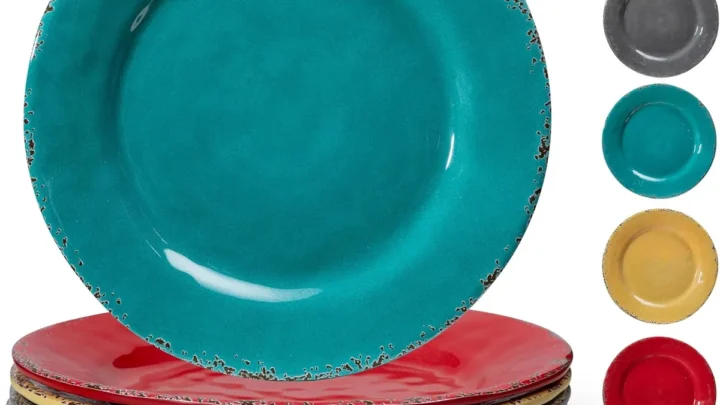
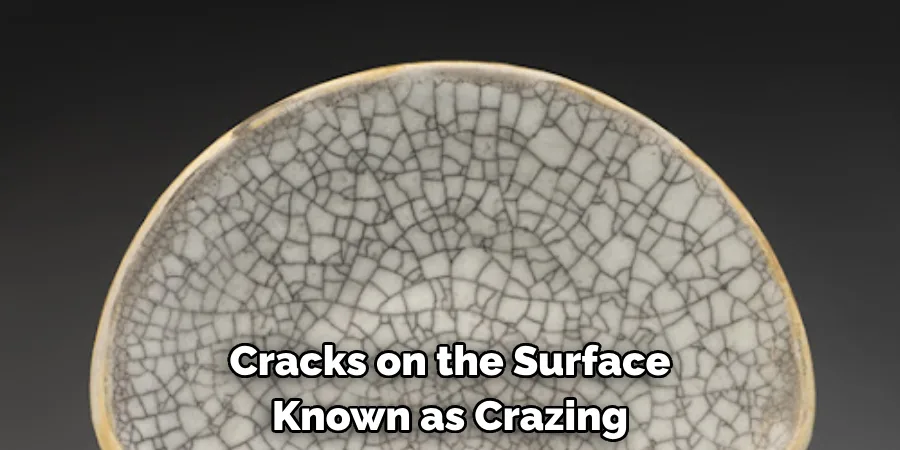
- Melamine: Hand wash only with warm water, never hot. No dishwasher, no microwave. Heat above 160°F causes crazing, which are those fine spiderweb cracks that trap food and bacteria permanently.
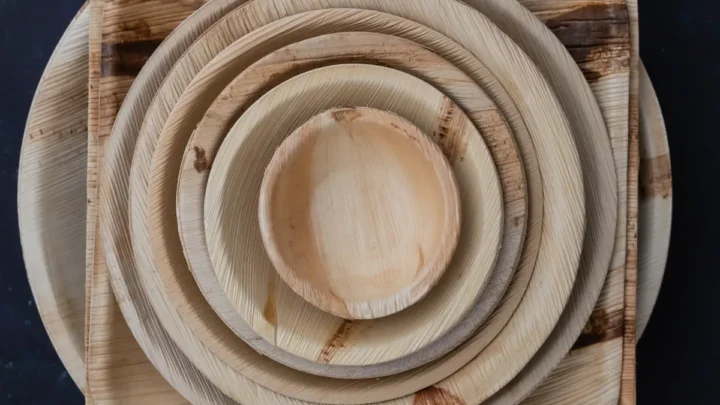
- Bamboo fiber: Hand wash only, and keep soaking time under 15 minutes. Bamboo is porous, so long soaks let water seep into the fibers and cause splitting or warping as it dries.
- Polypropylene (PP): The most forgiving option. This one is typically dishwasher-safe, but keep it on the top rack and skip the heated dry cycle to avoid warping.
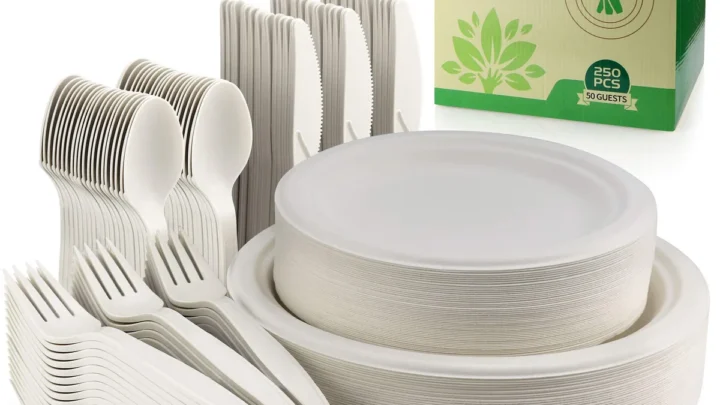
- Wheat straw fiber: Similar to bamboo, hand washing is safer. It tolerates dishwashers at low temperatures, but the binding fibers weaken over time.
- Enameled metal: Hand wash with mild soap. Avoid abrasive scrubbers, which scratch the enamel and expose the metal underneath to rust.
- Silicone: The easiest of all. Dishwasher-safe, heat-safe, and nearly indestructible in the sink.
The key insight here is that manufacturer specifications are not just legal boilerplate. They are the result of actual testing. When that label says “hand wash only,” it means the dishwasher cycle caused visible damage in testing.
Trust it, because replacing a warped plate costs more than thirty seconds of hand washing ever will.
If you are still unsure what your plates are made of, do a quick scratch test on the underside. Melamine resists fingernail pressure. Polypropylene gives slightly.
Bamboo leaves a faint mark. Silicone bounces back immediately. That thirty-second check prevents a lifetime of accidental damage.
The Step-by-Step Washing Workflow
Now that you know your material, here is the core process. It works for every plate type, with minor adjustments noted along the way.
Step 1: Pre-scrape immediately. The longer food sits, the harder it bonds to the surface. Use a rubber spatula or a paper towel to scrape solid waste into the compost bin. Do not use metal utensils on melamine or enameled coatings, because they scratch.
Step 2: Pre-rinse with warm water. Not hot, especially for melamine and bamboo. Hot water causes thermal shock in melamine, which weakens the resin structure. Warm water, around 90°F to 100°F, loosens grease without triggering that reaction.
Rinse both sides, and pay attention to the rim edges where food likes to hide.
Step 3: Soak only when necessary. Greasy BBQ plates and dried cheese platters benefit from a short soak. Fill your basin with warm water and add one tablespoon of dish soap per gallon. Soak for 10 to 15 minutes, never longer.
Bamboo is the exception, cap it at 10 minutes. Silicone can soak indefinitely, but there is no reason to test that theory.
Step 4: Scrub with the right tool. Non-abrasive sponges work for everything. Use a soft-bristled brush for textured surfaces or embossed patterns, where residue gets trapped in the grooves. For bamboo, scrub with the grain, not against it, to avoid lifting the fibers.
Avoid steel wool entirely, it scratches every single material on this list.
Step 5: Rinse thoroughly. Soap residue is invisible but leaves a bitter film that ruins the taste of your next meal. Rinse each plate under running warm water, turning it so every surface gets covered. If you are rinsing in a basin, change the water once halfway through.
Step 6: Dry immediately. This step is the most commonly skipped, and it is the one that causes water spots, mildew, and mold. Hand dry each plate with a microfiber towel, then let it air dry upright on a rack for another hour before stacking. Bamboo and wheat straw are especially vulnerable to moisture retention, so give them the full hour.
Here is a quick reference table for the workflow:
| Step | Action | Time | Key Warning |
|---|---|---|---|
| 1 | Pre-scrape food waste | 30 seconds | No metal utensils |
| 2 | Pre-rinse warm water | 1 minute | Not hot for melamine |
| 3 | Soak in soapy water | 10-15 minutes | Max 10 for bamboo |
| 4 | Scrub non-abrasive | 2-3 minutes | With grain for bamboo |
| 5 | Rinse thoroughly | 1 minute | No soap residue |
| 6 | Dry immediately | 5 minutes | Never stack wet |
What Not to Do: Common Mistakes That Destroy Party Plates
Most plate damage comes from well-meaning shortcuts. Here are the mistakes our research shows come up again and again, and they are all avoidable.
Using hot water on melamine. This is the number one killer. Hot water, above 140°F, causes the melamine resin to expand and contract unevenly. Over time, that creates crazing, which are fine cracks that spider across the surface.
These cracks trap food particles and bacteria, and they are impossible to fully clean once they appear. The plate looks fine from a distance, but up close it is ruined.
Soaking bamboo overnight. It seems harmless, right? Drop the plates in the sink, add soap, and deal with them tomorrow. But bamboo fiber plates are porous.
A long soak lets water penetrate deep into the binding agents. When the plate dries, it contracts unevenly and splits. Once that happens, there is no repair.
The manufacturer specifications for bamboo plates universally warn against extended soaking, and they mean it.
Loading unmarked plates into the dishwasher. If you are not certain a plate is dishwasher-safe, treat it as hand-wash-only. Dishwasher detergent is more aggressive than dish soap, and the heated dry cycle can reach temperatures that warp polypropylene and craze melamine. One cycle might not show damage.
Ten cycles will.
Stacking wet plates. You are in a hurry, guests are waiting, so you stack the plates and slide them into the cabinet. That trapped moisture creates the perfect environment for mold and mildew, especially on bamboo and wheat straw. Even on melamine, trapped water between stacked plates leaves mineral spots that are difficult to remove.
Using abrasive scrubbers. Scotch-Brite pads and steel wool are too aggressive for every reusable plate material on the market. They scratch enameled metal, dull glossy melamine, and shred the surface of bamboo fiber. Once scratched, the plate becomes harder to clean in future washes, creating a downward spiral.
Ignoring the label. Manufacturer care instructions are not suggestions. They are the result of standardized durability testing. If the label says “top rack only,” it means bottom rack temperatures caused measurable damage.
If it says “no microwave,” it means the plate heated unevenly and cracked.
Dishwasher vs. Handwashing: A Material-by-Material Breakdown
The dishwasher debate comes up constantly, so let us settle it with a direct comparison. The answer depends entirely on what your plates are made of.
| Material | Dishwasher Safe? | Cycle Recommendation | Hand Wash Better? |
|---|---|---|---|
| Melamine | No | Never | Always |
| Bamboo fiber | No | Never | Always |
| Polypropylene | Yes | Top rack, no heated dry | Preferred |
| Wheat straw | Conditional | Top rack, low temp | Preferred |
| Enameled metal | Yes | Gentle cycle | Preferred |
| Silicone | Yes | Any cycle | Optional |
Here is the nuanced take. Polypropylene, enameled metal, and silicone can all survive the dishwasher. The machine saves you time and does a thorough job.
But for polypropylene, the heated dry cycle is the enemy. It runs hot enough to soften the plastic and cause warping, and a warped plate no longer sits flat on the table. If you use the dishwasher, choose the top rack, skip the heated dry, and let the plates air dry with the door cracked open.
Enameled metal handles the dishwasher well, but over time, the detergent wears down the enamel’s glossy finish. Hand washing keeps that shine for years longer. The gentle cycle helps, but it is still more abrasive than a sponge.
For melamine and bamboo, there is no debate. The dishwasher is off-limits, full stop. Melamine craze from heat, and bamboo splits from the combination of heat and strong detergent.
Both are irreversible damage paths.
If you have a mixed set, and most people do after years of collecting, here is the practical approach. Hand wash the melamine and bamboo right after the party while they are still easy to clean. Load the silicone and polypropylene into the dishwasher.
That split approach takes about ten minutes of hand washing, and it preserves the plates that actually need care.
One more thing about dishwasher detergent. It is significantly more alkaline than hand dish soap, which is great for cutting grease but harsh on coatings and finishes. For enameled plates that go in the dishwasher, choose a mild, fragrance-free detergent.
The citrus or enzyme-based varieties are harder on the enamel over repeated cycles.
Stubborn Stains and Lingering Odors: The Rescue Guide
No matter how careful you are, tomato sauce stains white melamine, garlic lingers on bamboo, and grease leaves a film on polypropylene. Here is how to fix each problem without damaging the plate.
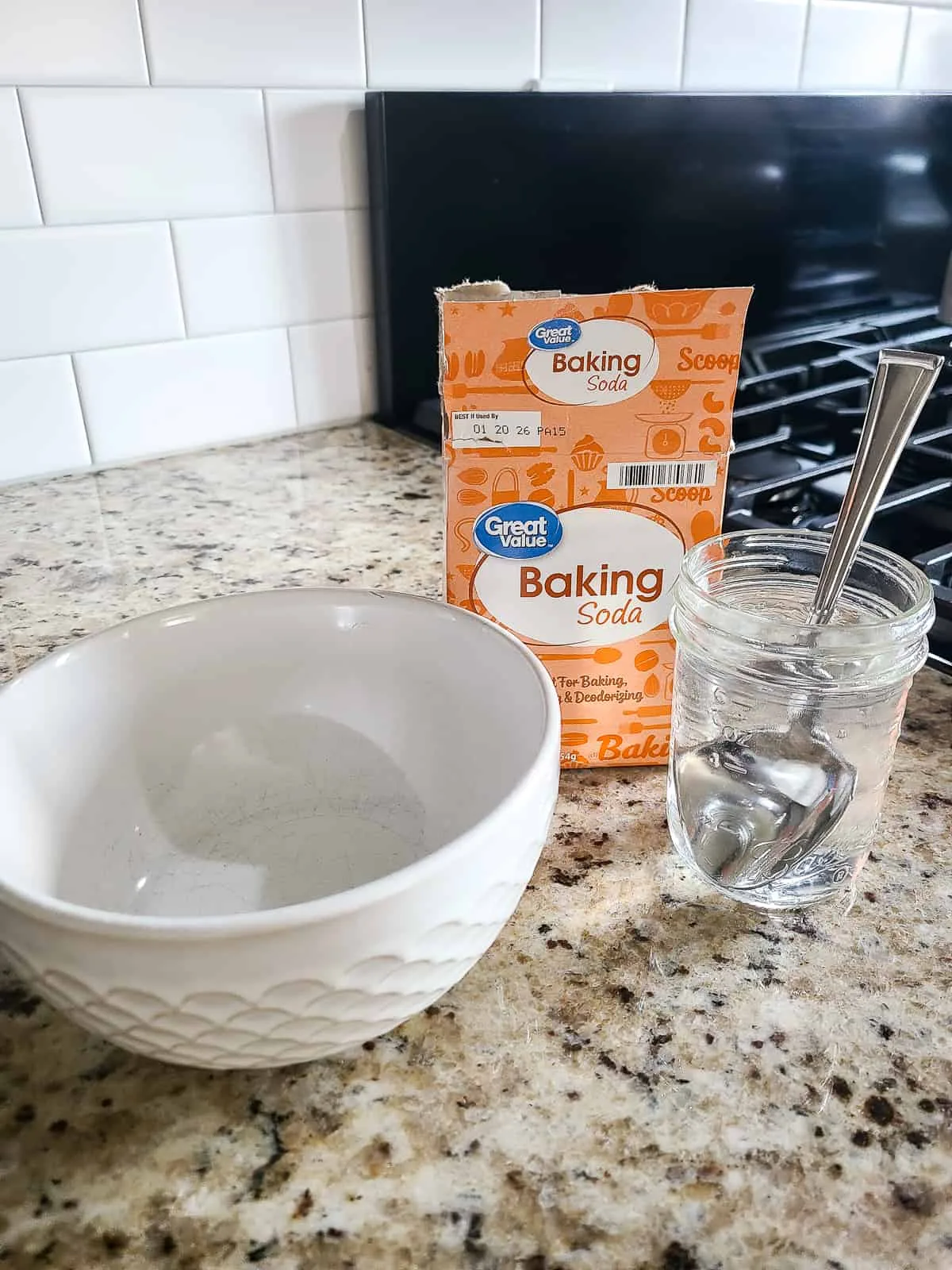
Tomato and berry stains. These come from natural dyes that bond to the surface. The fix is a simple paste: mix three parts baking soda with one part water until it forms a thick spreadable paste. Apply it to the stained area, let it sit for 15 minutes, then scrub gently with a soft sponge.
Rinse thoroughly. This works on melamine, wheat straw, and enameled metal. Avoid bleach entirely, it can discolor the plate further or damage the material.
Grease film on polypropylene. You washed the plates, but they feel slick and oily even after drying. That is a soap residue issue combined with grease. One cup of white vinegar in a gallon of warm water fixes it.
Dip a sponge in that solution, wipe every plate, then rinse with clean water. The vinegar cuts through the grease film that dish soap leaves behind. Do not use vinegar on uncoated aluminum plates, it will pit the metal.
Garlic and onion odors on bamboo or silicone. Both materials trap sulfur compounds that cause lingering smells. The vinegar solution works here too, but a more effective treatment is sunlight. Wash the plate, dry it, then place it in direct sunlight for two hours.
Ultraviolet light breaks down the odor molecules naturally. Our research indicates this is the most effective method for silicone, which tends to hold onto smells more than any other reusable plate material.
Hard water spots. If you see cloudy white spots after drying, your water has high mineral content. Wipe the plates with a damp cloth dipped in white vinegar, then dry with a microfiber towel. For ongoing prevention, add a vinegar rinse step to your final wash.
This is especially relevant in regions with hard water, where mineral deposits build up over time.
Sticky residue from stickers or labels. New plates sometimes come with price stickers that leave adhesive behind. Rub the area with a small amount of cooking oil, let it sit for five minutes, then wash normally. The oil dissolves the adhesive without scratching the surface.

Similar Posts