Are Compostable Plates Actually Compostable?
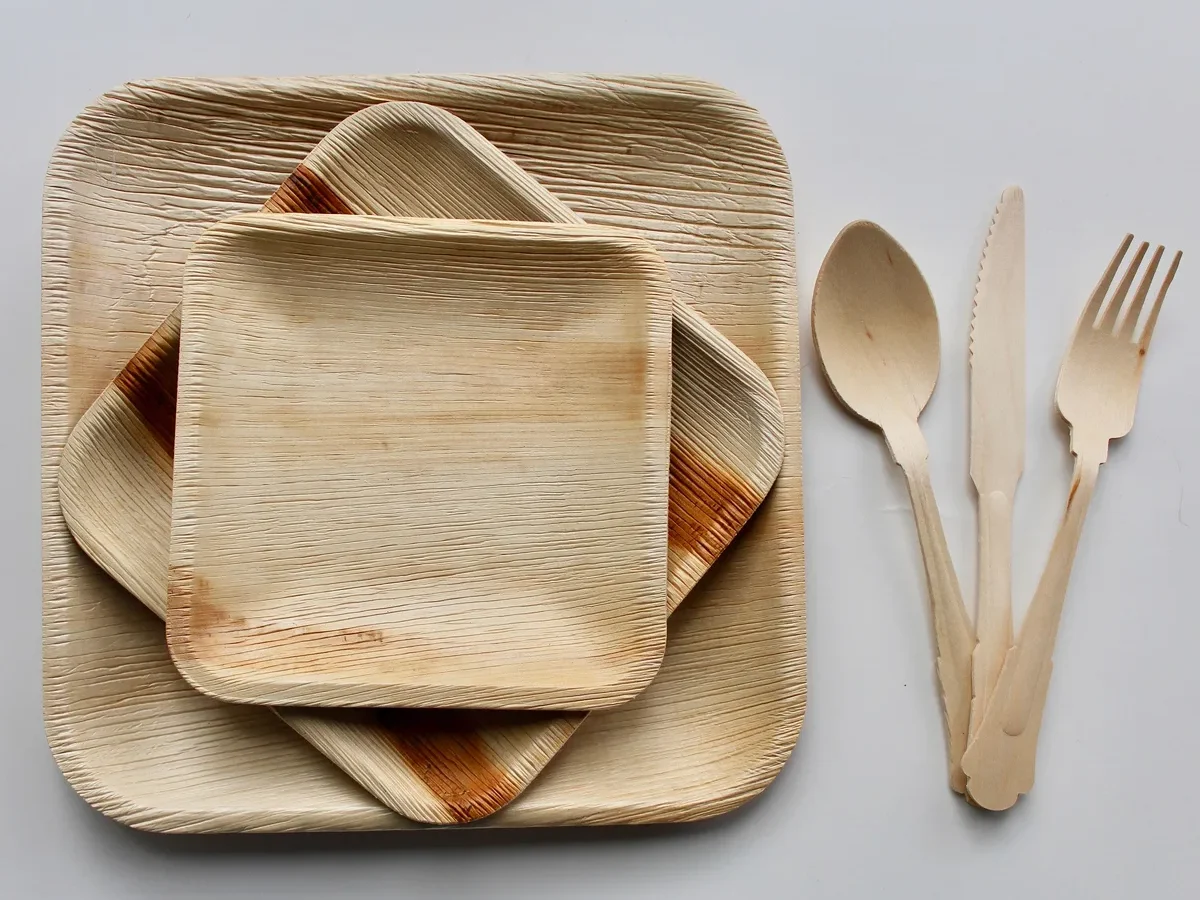
You bought the “compostable” plates, the ones with the nice earthy packaging and the green leaf logo. You hosted the party, scraped off the leftovers, and tossed the plates in the compost bin, feeling pretty good about yourself. But are compostable party plates really compostable?
The short answer is: they are, but only under very specific conditions that most of us don’t actually have in our backyards.
Here’s the uncomfortable truth: a plate can be certified compostable and still sit in a landfill for years. Most “compostable” plates require industrial-scale composting facilities that heat things up to around 140°F for weeks. Your backyard pile, as of 2026, probably isn’t hitting those temperatures for long enough.
We’ll break down what the labels actually mean, what happens to your plates in different disposal scenarios, and how to make smarter choices for your next gathering.
Quick Answer
No, not in your backyard. Certified compostable plates require industrial facilities to break down fully. Home composting usually isn’t hot enough.
PLA-lined plates are the worst offenders, while bagasse and palm leaf will eventually decompose in a hot home pile. Check for specific “home compostable” certifications before assuming.
The Honest Answer: It Depends on Where You Throw Them Away
The word “compostable” on a party plate label tells you less than you think. It’s a claim about what can happen under perfect conditions, not what will happen in your specific situation. The real question isn’t “is this plate compostable?” It’s “does my disposal system actually support composting?”
Industrial composting facilities are the gold standard here. They maintain constant temperatures between 130°F and 160°F, monitor moisture levels, and churn the material regularly. That’s how they break down plates certified to ASTM D6400, the industrial compost standard, in about 60 to 90 days.
Your backyard pile, especially in cooler months, might hover around 100°F or lower. That’s just not hot enough to activate the breakdown process for many compostable materials.
Here’s the catch: most municipalities in the US don’t offer curbside compost pickup. Even when they do, many facilities reject “compostable” plates because they’re hard to distinguish from regular plastic on a sorting line. So even if you buy certified products, there’s a decent chance they end up in a landfill where they’ll mingle with regular trash and break down slowly, if at all.
If you don’t have access to an industrial composting facility, those plates are basically greenwashed single-use plastic. The label made you feel better, but the outcome is nearly identical to throwing a regular plate in the trash.
How Compostable Plates Actually Work (And What’s Inside Them)
Compostable plates fall into three main material categories, and each behaves differently in real-world conditions.
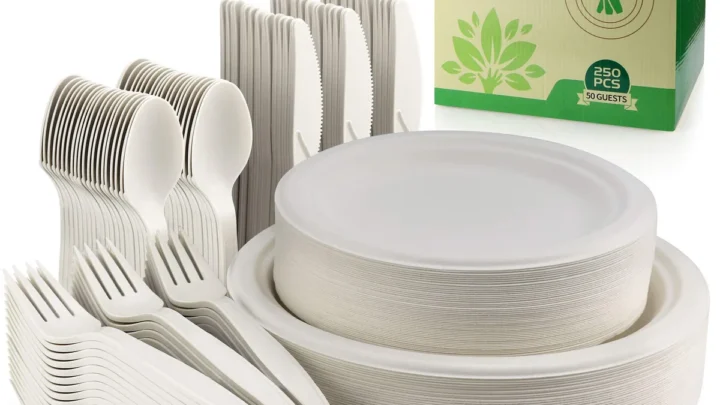
Bagasse (sugarcane fiber) is the most common. It’s the pulpy fiber left over after sugarcane is crushed for juice. These plates look like pressed cardboard and feel sturdy.
Bagasse breaks down relatively easily because it’s essentially plant matter. In a well-maintained home compost that gets turned regularly, bagasse plates can break down in 6 to 12 months. They’re your best bet for home composting.
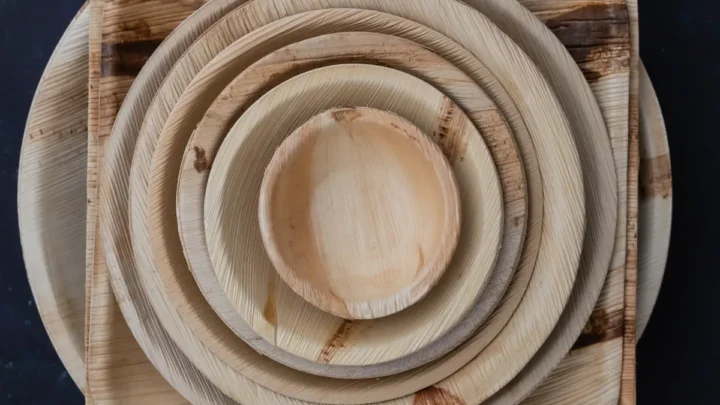
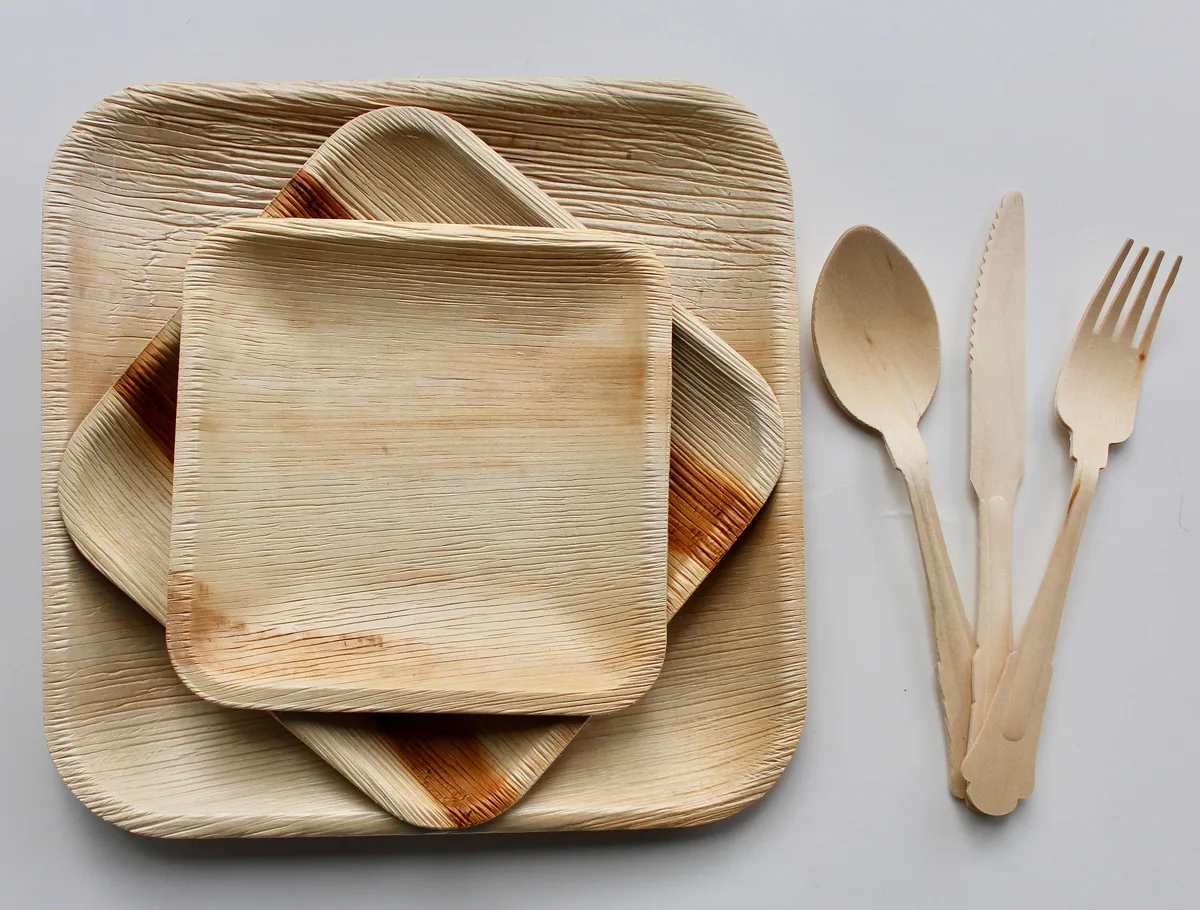
Palm leaf plates are made from fallen areca palm leaves, cleaned, pressed, and heat-molded. They’re the strongest of the three options and look fancier. Since they’re pure leaf material, they also break down in home compost, though they take a bit longer than bagasse due to their thickness.
PLA-lined paper plates are the tricky ones. PLA (polylactic acid) is a bioplastic made from fermented plant starch, usually corn. It’s labeled compostable, but it needs those industrial temperatures to break down.
In a cool home pile, PLA plates can sit for years looking exactly the same. They’re also brittle and can crack under heavy food.
Now, about certifications. The BPI (Biodegradable Products Institute) certification is the gold standard in North America. It means the product meets ASTM D6400 or ASTM D6868 standards for industrial composting.
In Europe, EN 13432 is the equivalent. These are good signs, but they don’t promise backyard breakdown.
If you want plates that work in your home pile, look specifically for the TUV Austria “OK Compost HOME” certification. That label means the product has been tested to break down in home composting conditions, which are cooler and less controlled than industrial facilities. It’s a much rarer certification, and plates with it are harder to find.
One more thing: “biodegradable” is not the same as “compostable.” Biodegradable just means something will eventually break down, which is true of everything from banana peels to plastic bags, given enough time. Compostable is a stricter standard that requires the material to break down within a specific timeframe and leave no toxic residue.
What Happens When You Throw Them in the Wrong Bin
Let’s walk through the realistic outcomes for a certified compostable plate depending on where it lands.
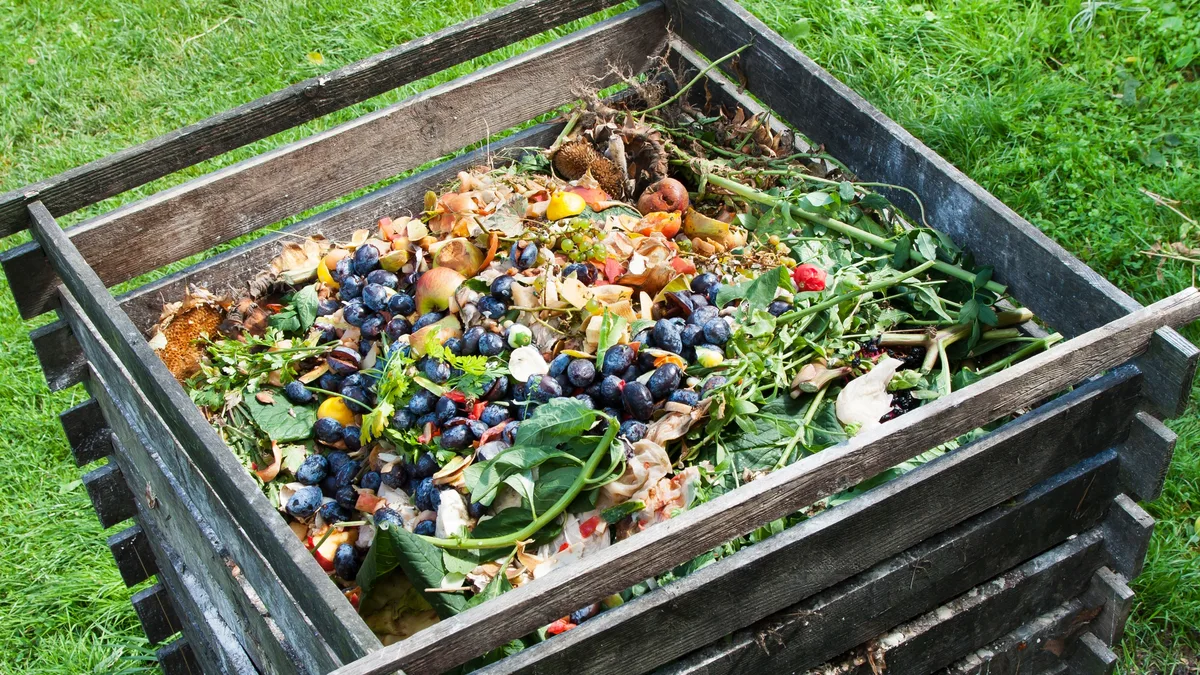
Backyard compost pile: Bagasse and palm leaf plates will eventually break down, but slowly. Shred them first. Bury them in the center where it’s warmest.
Expect 6 to 18 months depending on pile size and season. PLA plates will likely sit there intact for years, mocking you every time you turn the pile.
Industrial composting facility: This is the ideal scenario. At 140°F with proper moisture and oxygen, certified plates break down in 60 to 90 days. But you can only access this if your city offers curbside compost pickup or a drop-off site.
If your local facility uses anaerobic digestion instead of aerobic composting, PLA plates can cause problems because they don’t break down well without oxygen.
Landfill: This is where most plates go, certified or not. Landfills are designed to preserve waste, not decompose it. They’re low-oxygen environments that inhibit microbial activity.
A compostable plate in a landfill will break down more slowly than a banana peel. Yes, it’s still better than plastic in the long run, but the environmental benefit is dramatically reduced.
Recycling bin: Never put compostable plates in recycling. They contaminate the plastic recycling stream. A single PLA plate can ruin an entire batch of PET plastic, forcing the facility to discard it.
This is why cities often tell residents to put compostable items in the trash if they don’t have organics collection.
Regular trash: This feels wrong, but for most people, it’s actually the least harmful option compared to recycling. In a landfill, the plates will eventually break down and release methane as they decompose without oxygen. That’s not great, but it’s preferable to contaminating a recyclable batch.
How to Tell If Your Plates Will Actually Compost (Step-by-Step)
You can’t rely on the packaging alone. Here’s a practical checklist to sort out what you’re really holding.
Step 1: Check the label for specific certifications. Look for “BPI certified” or “OK Compost HOME” logos. If the packaging just says “compostable” without a certification reference, treat it as greenwashing.
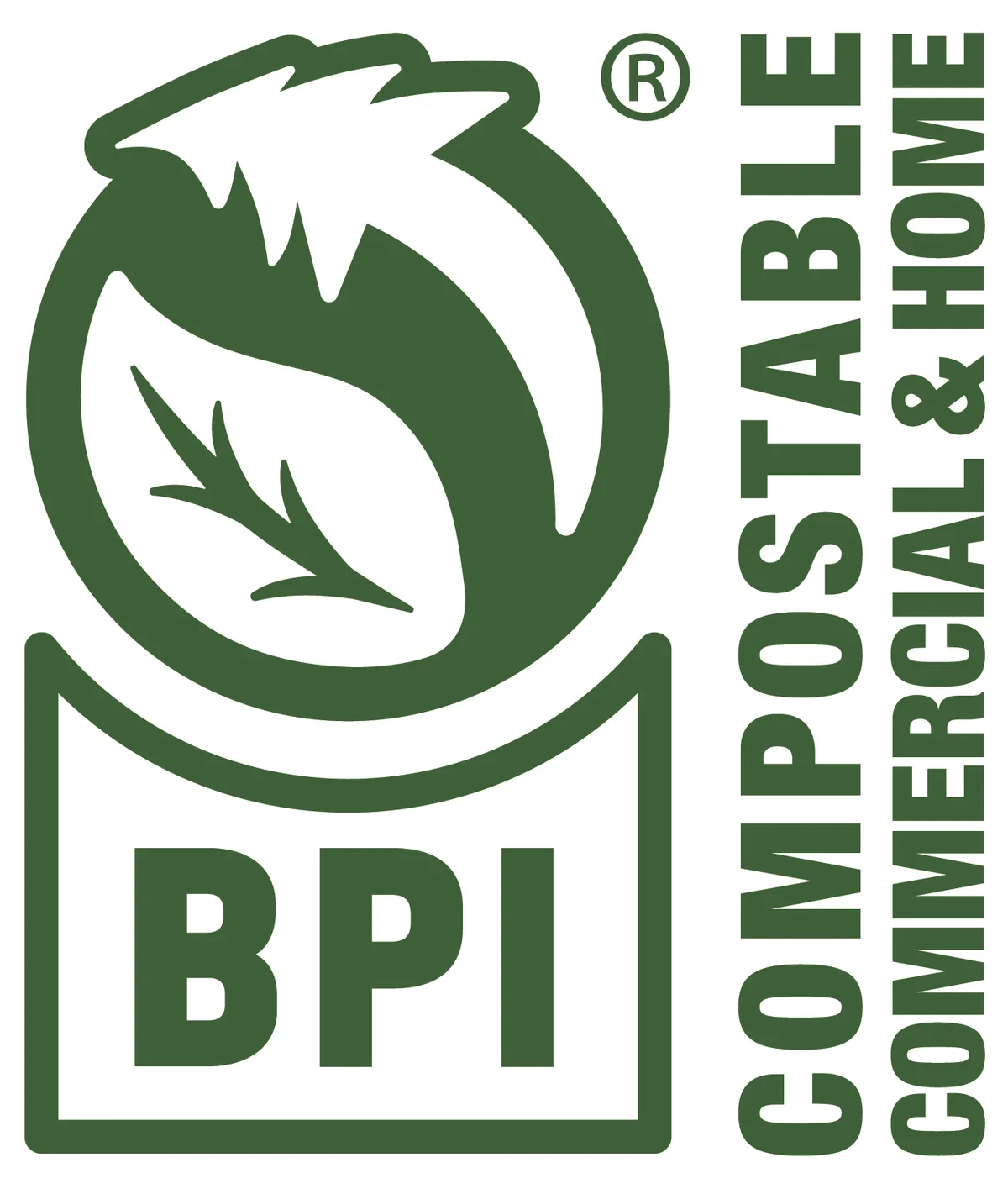
Step 2: Look for the certification logo on the product itself. Many brands print the BPI logo on the bottom of the plate or fork. If the logo is only on the box, the product may not be certified. Check the bottom of each plate before you buy a bulk package.
Step 3: Read the fine print for disposal instructions. The label will say one of three things: “OK for home composting,” “OK for industrial composting only,” or just “compostable” with no qualifiers. The second option means you need municipal compost collection. The third means the manufacturer doesn’t want to commit.
Step 4: Call your local waste management facility. Ask them two questions: “Do you accept compostable plates in your organics program?” and “Do you run aerobic or anaerobic composting?” You need a yes to the first and aerobic for the second. If they say no, your plates are headed to a landfill regardless of what the label says.
Step 5: Do the water test. Place a drop of water on the surface. If it beads up like on a plastic plate, the plate has a PLA or plastic coating that prevents water absorption. That coating slows down composting dramatically.
Bagasse and palm leaf plates should absorb the water quickly.
Step 6: Tear test the material. Pull the plate apart. Bagasse looks like compressed cardboard fibers. Palm leaf shows distinct leaf texture.
PLA-coated plates look and feel like thin plastic over paper.
Mistakes Most People Make with Compostable Plates
Even with good intentions, people make the same errors again and again. Here are the biggest ones we see.
Assuming “compostable” means “safe to leave in nature.” Compostable plates need the right conditions to break down. Throwing one in the woods or on the beach is littering. It will stay there for months or years, just like a plastic plate would.
Buying PLA plates for backyard composting. This is the most common mistake. PLA needs industrial heat. Unless you’re actively running a hot compost system with regular turning, those plates will not break down.
Check the material before you buy.
Tossing them in recycling out of “good intentions.” This is actively harmful. A single PLA plate can contaminate an entire batch of plastic recycling. The whole load gets sent to a landfill.
One “compostable” plate can ruin hundreds of pounds of otherwise recyclable material.
Ignoring grease and food residue. Compostable plates covered in greasy food waste attract pests and slow down breakdown. The grease creates an anaerobic layer that inhibits microbial activity. Scrape off food waste before composting, and if a plate is soaked through with oil, it’s better in the trash.
Storing them too long. PLA plates degrade over time, even in the package. They become brittle and crack after about a year on the shelf. Bagasse plates can develop mold in humid storage.
Buy for the event you’re hosting, not for bulk storage.
Assuming all brown “eco” plates are compostable. Some bamboo plates are coated with a thin plastic or melamine layer to make them sturdier. That coating is not compostable. If a “bamboo” plate is slick and shiny on the surface, check the fine print.
Putting them in a cold compost pile in winter. Composting slows dramatically below 50°F. In winter, your “compostable” plates will sit frozen all season and only start breaking down the next spring. If you’re hosting a winter event, plan accordingly.

Similar Posts