DIY Personal Lubricant: Simple Recipes That Work
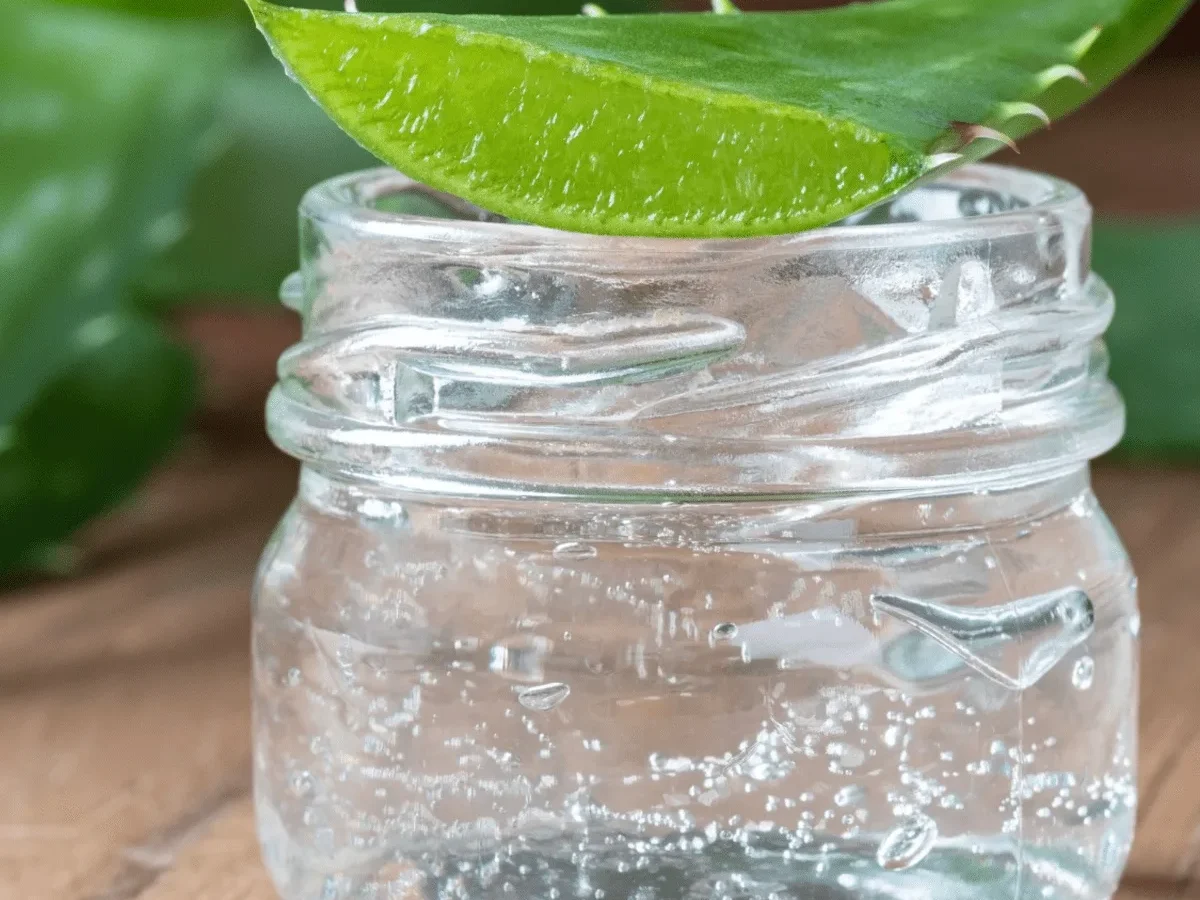
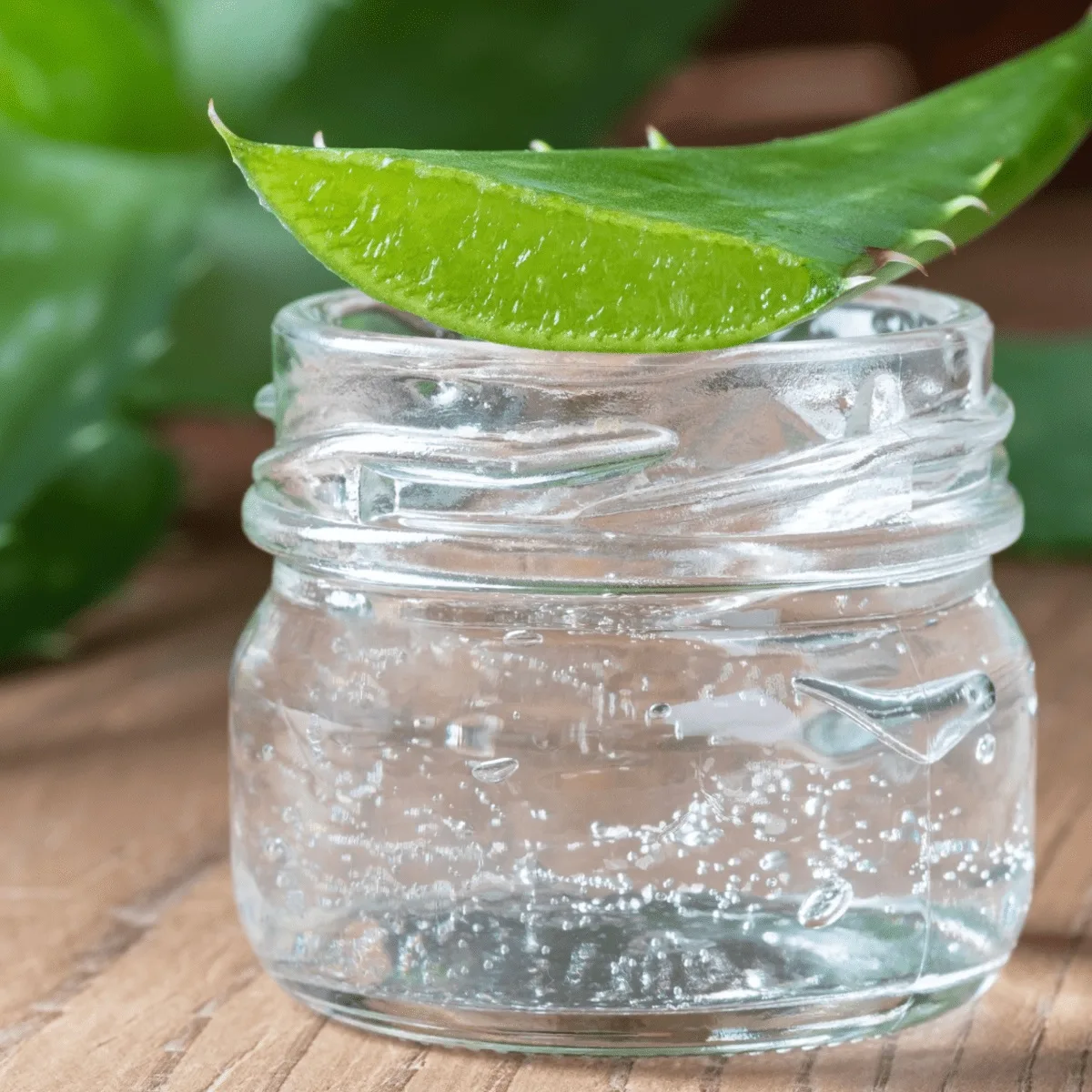
You’ve probably seen the Pinterest-perfect recipe: mix some aloe vera gel with a splash of oil, maybe a drop of vitamin E, and you’ve got yourself a “natural, chemical-free” personal lubricant diy. It sounds easy, clean, and way cheaper than the drugstore stuff. But here’s the catch: when it comes to homemade lube, the margin for error isn’t just a little slippery, it can be genuinely unsafe.
The truth is, commercial lubricants are regulated as medical devices in many regions. They’re formulated to match specific biological standards, like a pH of 3.8 to 4.5 and an osmolality below 380 mOsm/kg, which are critical for preventing irritation and infection. A random kitchen recipe rarely hits those marks.
As of 2026, the FDA and the World Health Organization have published clear data on why getting these numbers wrong can lead to yeast infections, bacterial vaginosis, or damaged condoms. This isn’t about fear-mongering; it’s about understanding the science so you can make a genuinely informed choice.
Quick Answer
Yes, you can make personal lubricant diy safely, but only with specific ingredients and strict methods.
The safest DIY option is a simple mixture of 100% pure aloe vera gel and water.
Avoid any recipe with oils if you’re using latex condoms.
Oils like coconut oil are fine for non-latex use but degrade latex quickly.
Never add sugar, glycerin, or flavorings. These promote infections.
Always patch test and keep your batch refrigerated for up to one week.
The Hard Truth About DIY Lube (And Why Most Recipes Are Wrong)
Here’s the reality: most online DIY lube recipes are written by wellness bloggers, not gynecologists or microbiologists. They focus on what feels natural, like coconut oil or aloe, but they ignore the biological environment they’re introducing these substances into. Your body’s mucosal tissues are incredibly sensitive.
They absorb what you put on them, and they react to changes in pH and osmotic pressure.
Think of it this way. A lubricant isn’t just a “slippery liquid.” It’s a temporary environment for delicate cells. If that environment is too salty, too sweet, or too acidic, you’re setting the stage for irritation or infection.
Commercial manufacturers spend millions testing these formulas for safety and stability. A DIY batch, sealed in a mason jar, simply doesn’t have that quality control. That’s not to say DIY is inherently evil, but it demands more respect and knowledge than most recipes suggest.
What Actually Matters in a Lubricant: pH, Osmolality, and Condom Compatibility
Before we talk about recipes, we need to talk about the three non-negotiables of lubricant safety. These are the benchmarks that separate a clever homemade batch from a recipe that’s begging for a trip to the doctor.
The pH Balance
Your vagina naturally maintains a pH between 3.8 and 4.5. This acidic environment keeps bad bacteria in check. If you introduce an alkaline substance, like baking soda or even certain oils, you throw off this balance.
A higher pH lets harmful bacteria thrive, which can lead to bacterial vaginosis (BV) or yeast overgrowth. The simplest DIY formulas, like plain water with a tiny bit of aloe, can hit this mark. But many oils sit around a pH of 7 or higher.
That’s a huge shift.
Osmolality: The Invisible Danger
This is the science term most recipes ignore. Osmolality measures the concentration of dissolved particles in a liquid. It sounds dull until you realize that a high-osmolality lube actually pulls water out of your cells.
This dries out tissue and causes micro-tears, making you more vulnerable to STIs and infections. The World Health Organization recommends an osmolality below 380 mOsm/kg for lubricants. Plain water sits at nearly zero.
Pure aloe is low too. But thickeners and sugars, like glycerin, can spike that number dangerously high.
Condom Compatibility
This is the dealbreaker. If you’re using latex condoms, you must avoid oil-based lubes completely. Oil degrades latex, causing it to break within minutes.
That’s a massive risk for pregnancy and STIs. Water-based or silicone-based lubes are safe for latex. DIY water-based recipes are fine.
Coconut oil, olive oil, and any other cooking oil will destroy the condom’s integrity. There’s no ifs, ands, or buts about it.
The Only DIY Lubricant Recipes Worth Making
Now, for the part you actually came here for. After all that science, you still want to make your own. We get it.
It’s cheaper, you control the ingredients, and there’s a certain satisfaction in DIY. So let’s focus on the two DIY formulas that have the best chance of being safe: a water-based gel and a single-ingredient oil-based option.
Water-Based Aloe and Xanthan Gum Recipe
This is the gold standard for DIY because it closely mimics commercial water-based lubes. It’s condom-safe, toy-safe, and generally gentle on sensitive tissue. The key is using 100% pure aloe vera gel with no added alcohol, citric acid, or artificial colors.
Many store-bought aloe gels contain these additives, which are irritants. Read the label carefully.
Here’s the process:
- Ingredients: 1 cup of distilled water, 1 teaspoon of food-grade xanthan gum, 1/4 cup of pure aloe vera gel.
- Mixing: Whisk the xanthan gum into the water slowly. Avoid clumps by whisking continuously. Then, gently stir in the aloe gel.
- Heating (Optional): If you want a smoother texture, heat the mixture on low for a few minutes, stirring constantly. Let it cool completely.
- Storage: Pour it into a clean glass jar and refrigerate.
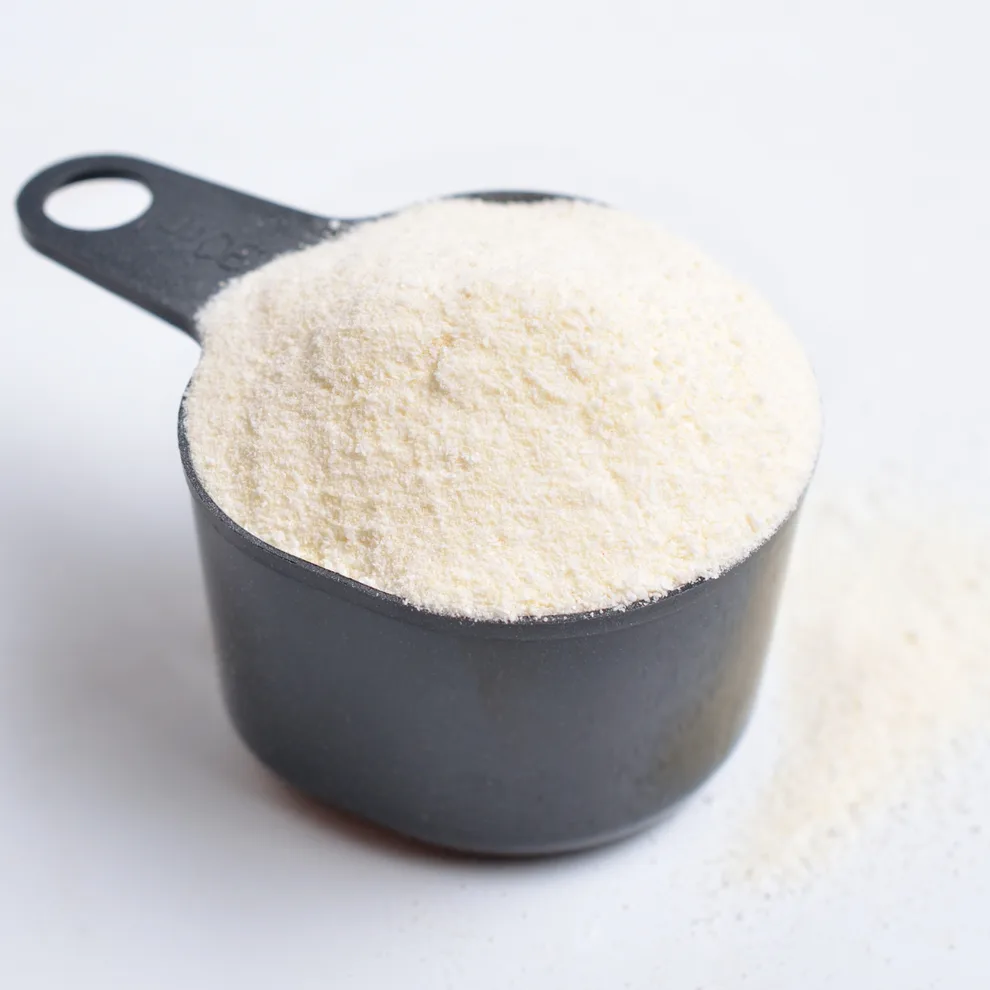
This mixture has a pH close to what you need, a low osmolality, and it doesn’t mess with latex. Xanthan gum is a natural thickener, so you can adjust how much you use to get your preferred consistency.
The Single-Ingredient Oil Option
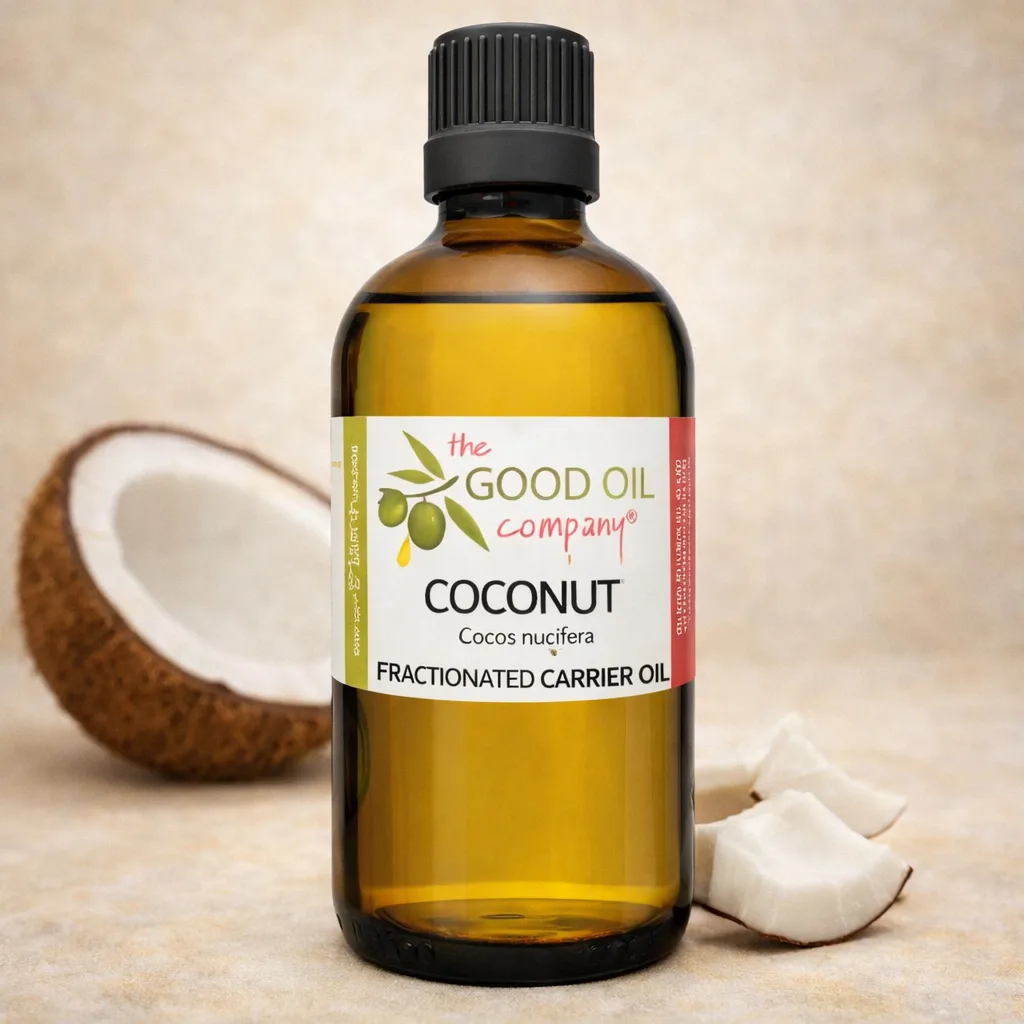
If you’re not using latex condoms, coconut oil is the safest DIY oil option. It’s solid at room temperature, melts on contact, and has natural antimicrobial properties due to its lauric acid content. It’s also remarkably stable and has a long shelf life compared to other homemade batches.
- Use: Melt a small amount (about a teaspoon) in your hands before applying.
- Best For: Vaginal intercourse, massage, and skin-to-skin contact.
- Avoid: Using it internally if you have a history of yeast infections. Some people find coconut oil disrupts their natural flora.
Do not use olive oil or vegetable oil. They go rancid quickly, smell odd, and are more likely to cause irritation. Coconut oil is the only single-ingredient option we can reasonably recommend.
When DIY Lubricant Is a Bad Idea
There are specific situations where a homemade batch simply cannot do the job safely. Knowing these limits can save you from a world of discomfort.
Anal Play and Internal Use
The anal canal is not self-lubricating and is much more delicate than the vagina. It requires a thicker, more cushioning lubricant. A thin water-based DIY gel will often absorb too quickly, leading to friction and potential micro-tears.
This puts you at a higher risk of tearing and infection. In this case, a commercial silicone-based lubricant is usually a safer choice because it lasts longer and doesn’t absorb into tissue.
Silicone Sex Toys
Never use a silicone-based lubricant with silicone toys, as it degrades the toy’s surface. However, your DIY water-based gel is perfectly safe for toys made from silicone, rubber, or TPE. Just make sure you wash the toy thoroughly afterward.
Anyone Prone to Infections
If you are currently dealing with a yeast infection, bacterial vaginosis, or a UTI, stop using DIY lube immediately. Your microbiome is already off balance. Introducing a homemade mixture, even a well-made one, adds variables you don’t need.
Stick to sterile, preservative-free commercial lubricants designed specifically for sensitive, compromised tissue.
Common DIY Lubricant Mistakes (And How to Spot Them)
The most common fail isn’t using the wrong oil. It’s ignoring the additives. Many people grab the first bottle of aloe vera gel at the drugstore.
That bottle likely contains alcohol, fragrance, and green dye. All are irritants. Always check for “100% pure” on the label.
Another big one? Using glycerin as a thickener. Glycerin is a sugar alcohol.
It’s cheap, but it’s a known trigger for yeast infections in many people. It disrupts the vaginal flora. Avoid any recipe that calls for glycerin or vegetable glycerin.
Similarly, skip recipes that include sugar, honey, or flavored syrups. Sugar is a direct food source for yeast.
So, how do you know if your batch is contaminated? Look for separation, an off-smell, or a stringy, slimy texture. Homemade water-based lube lasts about one week in the fridge.
Any longer than that, and you’re risking mold or bacterial growth. When in doubt, throw it out. It’s easier to make a new batch than to treat an infection.
DIY vs. Commercial Lubricant: An Honest Comparison
Let’s be real about the trade-offs. Homemade lube costs pennies per batch. A commercial water-based lube runs anywhere from $8 to $20 for a standard bottle.
If you’re using it regularly, the savings add up quickly.
But the savings come with strings attached. Commercial lubricants undergo rigorous testing for pH stability, osmolality, and microbial safety. They’re manufactured in sterile facilities with preservatives that prevent bacterial growth.
Your kitchen counter doesn’t offer those guarantees.
Here’s a practical breakdown:
| Factor | DIY Water-Based | DIY Coconut Oil | Commercial Water-Based |
|---|---|---|---|
| Cost per use | Less than $0.10 | About $0.15 | $0.30 to $0.80 |
| Shelf life | 1 week refrigerated | 3 to 6 months | 2 to 3 years |
| Latex-safe | Yes | No | Yes |
| Toy-safe | Yes | Yes | Yes (check label) |
| Infection risk | Moderate | Low to moderate | Low |
| Consistency control | Full control | Limited | Fixed |
The shelf life difference alone is a dealbreaker for many. A commercial bottle sits in your drawer for years. A DIY batch demands constant rotation.
If you forget about it for two weeks, you’re throwing it out and starting over.
When Buying Is Smarter Than Making
If you’re someone who uses lube occasionally, maybe once or twice a month, buying is the smarter move. The cost difference is negligible at that frequency, and you get peace of mind. If you have a history of infections or sensitive skin, commercial formulations designed for sensitive tissue are worth every penny.
DIY makes sense if you’re a frequent user, you’re on a tight budget, or you simply enjoy making your own products. It also makes sense if you want complete control over ingredients. Just remember that control comes with responsibility for safety.
DIY Lubricant Safety Checklist
Before you ever use a homemade batch, run through this checklist. It takes two minutes and could save you from a week of misery.
The Patch Test
Apply a small amount of your finished lube to the inside of your forearm. Wait 15 minutes. If you see redness, itching, or a rash, wash it off and toss the batch.
Your body just told you something important.
The pH Check
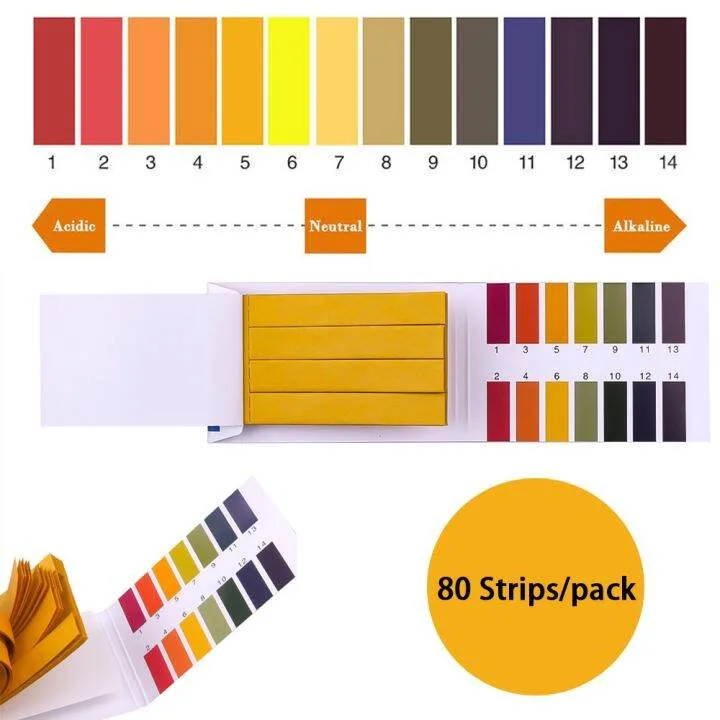
Pick up pH test strips at any pharmacy or online. Your finished lube should register between 3.8 and 4.5. If it’s higher, your mixture is too alkaline.
This happens when you use too much aloe or tap water with high mineral content. Distilled water helps keep the pH in range.
The Smell Test
Your batch should smell clean, nearly neutral. If it has a sour, fermented, or “off” odor, bacteria have moved in. Throw it away.
Don’t try to salvage it.
Storage Rules
Always use a clean glass jar with a tight-fitting lid. Plastic containers harbor bacteria in scratches. Keep the jar refrigerated and label it with the date.
One week is the maximum safe window for water-based DIY formulas.
Red Flags That Mean Stop Immediately
If you experience burning, stinging, or unusual discharge during or after use, stop using that batch right away. These symptoms suggest your mixture is irritating sensitive tissue or disrupting your microbiome. Wash the area gently with warm water and give your body a few days to recover.
Final Verdict: Should You Make Your Own Lube?
The honest answer depends on your situation, your body, and your comfort with risk.
If you’re using latex condoms, your only safe DIY option is the water-based aloe and xanthan gum recipe. It’s condom-safe, toy-safe, and generally gentle. But it requires careful ingredient sourcing and fresh batches every week.
If you’re in a monogamous relationship, not using latex, and looking for a simple single-ingredient option, coconut oil is the most forgiving choice. It’s stable, affordable, and doesn’t require refrigeration. Just be aware of its limitations for internal use.
If you have any history of recurrent yeast infections, bacterial vaginosis, or sensitive skin, our research strongly suggests skipping DIY altogether. Commercial lubricants formulated for sensitive tissue undergo testing that your kitchen can’t replicate. The cost difference isn’t worth the risk.
The Decision Guide
- You want simplicity and safety: Buy commercial water-based lube
- You want to go DIY and use condoms: Make the aloe and xanthan gum recipe
- You want minimal ingredients, no latex involved: Use coconut oil
- You’re prone to infections or irritation: Buy commercial, never DIY
- You need lube for anal play: Buy silicone-based, it lasts longer
Frequently Asked Questions
Can I use olive oil as a personal lubricant?
Olive oil is safe for skin contact but not ideal for internal use. It goes rancid faster than coconut oil and has a heavier texture. More importantly, it degrades latex condoms just like any oil.
If you’re not using latex and want a household oil, coconut oil is the better choice.
Is aloe vera straight from the plant safe?
Fresh aloe vera gel from a cut leaf is generally safe for external use. The problem is that raw aloe contains enzymes that can irritate sensitive tissue. It also has a very short shelf life, even refrigerated.
Food-grade, preservative-free aloe juice is a safer option than raw plant material.
How long does homemade lubricant last?
Water-based DIY lube lasts about one week in the refrigerator. Coconut oil lasts three to six months at room temperature. Any water-based batch that sits unrefrigerated for more than 24 hours should be discarded, as bacteria multiply quickly at room temperature.
Can I add essential oils to my DIY lube?
No. Essential oils are highly concentrated and can burn or irritate mucosal tissue. Even “gentle” oils like lavender or tea tree can cause chemical burns on sensitive skin.
Stick to plain, unscented ingredients. Fragrance is never worth the risk.
Does homemade lube work with silicone sex toys?
Your DIY water-based aloe and xanthan gum recipe is completely safe for silicone toys. Coconut oil is also safe for silicone toys. Just avoid commercial silicone-based lubes with silicone toys, as they can degrade the toy’s surface over time.

Similar Posts