DIY Febreze: How to Make It at Home Easily
You know that feeling when you walk into a room and something just smells… off? Not dirty, exactly, but stale. And the couch, the curtains, the dog bed, they’re all holding onto yesterday’s odors.
The commercial spray bottle under the sink works, sure, but it’s full of synthetic fragrance and costs a few bucks every couple of weeks. So, how do you make homemade Febreze that actually works?
The short answer is that you can make a highly effective fabric refresher at home for about a dollar-fifty per bottle. With a few pantry staples and your choice of essential oils, you can create a spray that neutralizes odors, not just masks them. Per the EPA’s Safer Choice program guidelines, many common household ingredients like vinegar and alcohol offer low-toxicity alternatives to synthetic fragrance blends.
Let’s walk through the exact formulas and which one fits your situation.
Quick Answer
Mix one cup of distilled water with one-quarter cup of vodka or rubbing alcohol. Add fifteen to twenty drops of essential oil. Shake well before each use.
Use vinegar instead of alcohol for pet odors or musty fabrics. Use baking soda for carpets and trash cans. Spray lightly from twelve inches away and let it air dry.
How Homemade Fabric Freshener Actually Works (The Science Made Simple)
Let’s clear something up right away. Store-bought Febreze uses a molecule called cyclodextrin. It’s a sugar-based compound that traps odor molecules in a ring structure, so they can’t bind to your nose.
That’s real chemistry, and it works. Commercial formulas also contain synthetic fragrance oils designed to linger for hours.
Your homemade version works differently, but just as effectively. The alcohol is the workhorse. When you spray a fine mist, the alcohol evaporates quickly and carries odor molecules with it.
This is simple physical chemistry. The ethanol molecules lift the stinky compounds off the fabric surface and into the air, where they dissipate.
Essential oils do the double duty here. They add scent, yes, but many also have antimicrobial properties. Tea tree oil, for instance, is well-documented in peer-reviewed journals for its antibacterial action.
Clove and eucalyptus oils have similar benefits. So you’re not just covering up the smell. You’re actually reducing the bacteria that produce it.
Now, vinegar works differently than alcohol. It’s acidic, with a pH around 2.5. That acidity changes the chemical structure of odor-causing molecules, specifically volatile amines and ammonia compounds.
It neutralizes them at the molecular level. The vinegar smell evaporates within fifteen minutes, taking the bad odors with it. That’s why it’s the go-to for pet accidents.
Here’s the critical scientific detail that most DIY guides skip. Essential oils are hydrophobic. They don’t dissolve in water.
If you just mix water and oil, you get a separated layer with oil floating on top. The alcohol or vinegar acts as an emulsifier, allowing the oil to disperse evenly throughout the water. Skip that ingredient and you’ll spray a mixture that’s mostly water with unpredictable bursts of concentrated oil.
Step-by-Step: Mixing Your First Batch (Plus the Exact Recipes)
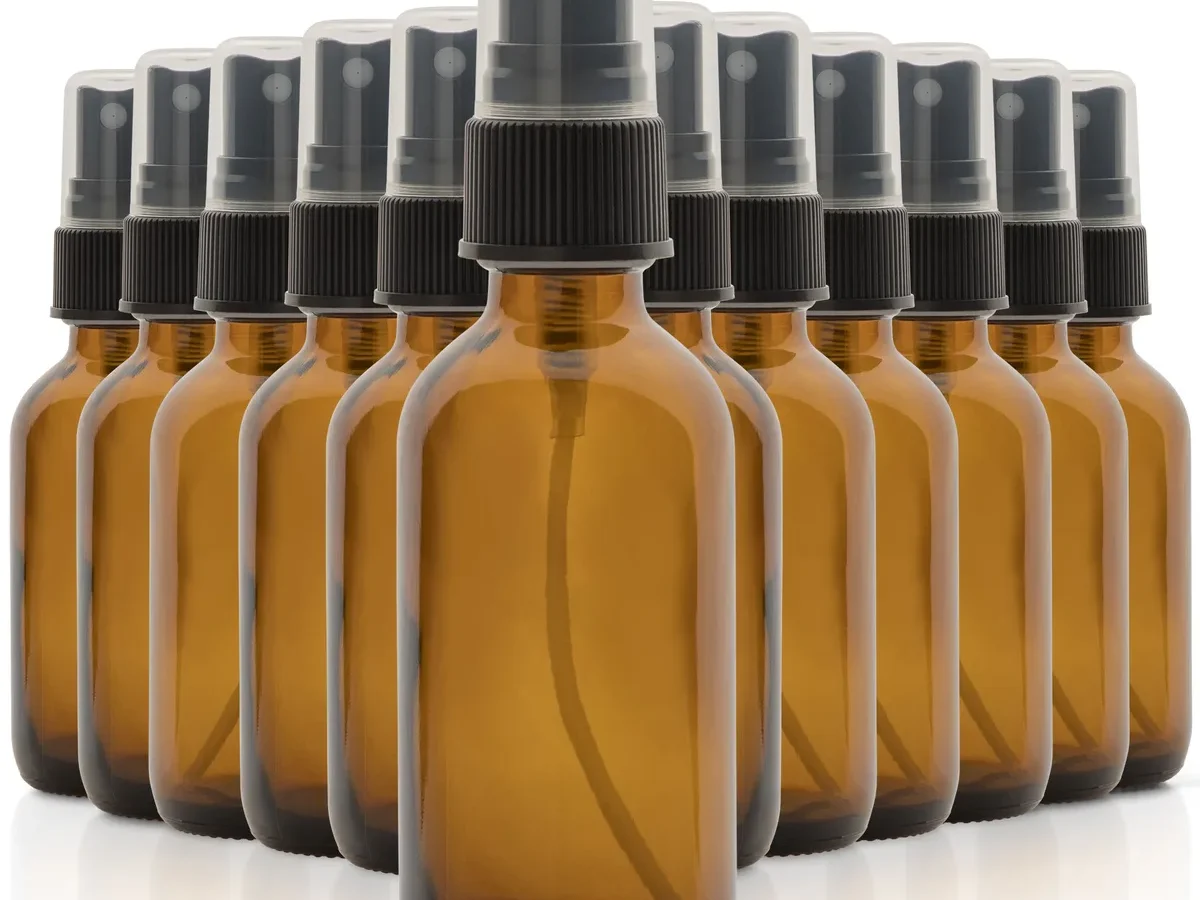
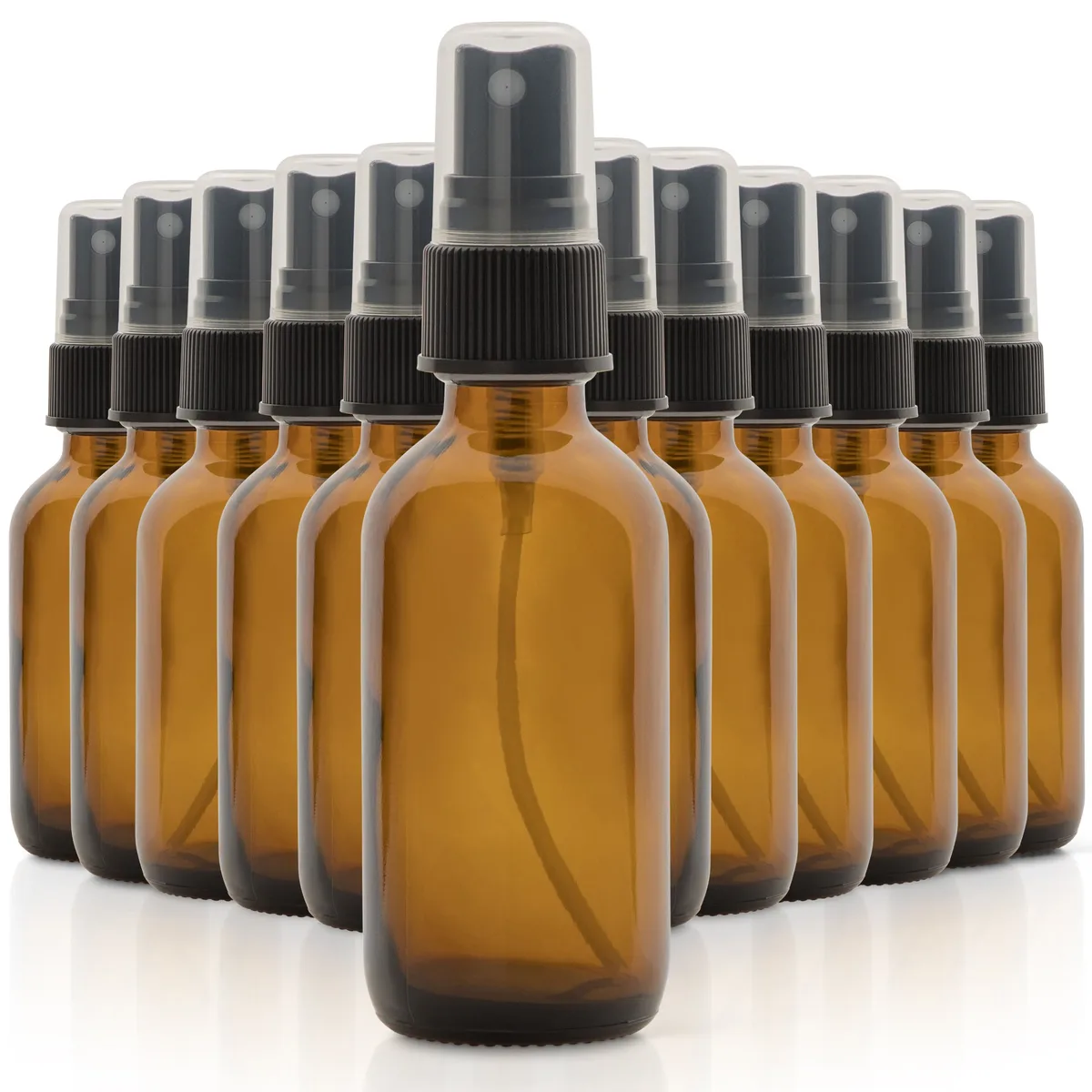
Grab a clean sixteen-ounce spray bottle. Measure your ingredients precisely. If you eyeball it, you’ll get inconsistent results and possibly a sticky residue on your furniture.
Recipe 1: The All-Purpose Fabric Refresher
This is the recipe to start with. It’s your standard couch, curtain, and car interior spray.
- 1 cup distilled water
- 1/4 cup vodka (40% alcohol or higher) or rubbing alcohol (70% isopropyl)
- 15 to 20 drops of your favorite essential oil
Mix all three ingredients in the spray bottle. Cap it, shake vigorously for about ten seconds, and it’s ready. The alcohol evaporates in minutes, so your couch doesn’t stay damp.
Recipe 2: The Pet-Odor Neutralizer
Swap the alcohol for vinegar when dealing with dog beds, litter box areas, or musty rugs. The vinegar neutralizes more stubborn odors.
- 1 cup distilled water
- 1/2 cup white vinegar
- 10 to 15 drops of citrus essential oil (lemon, orange, or grapefruit)
The citrus masks the vinegar smell while it works. Test a hidden spot on colored fabrics first. Vinegar is safe on most materials but can lighten some dyes.
Recipe 3: The Quick Linen Spray
For bedding, closets, and anything you want to smell fresh without the “cleaning product” vibe.
- 1/2 cup distilled water
- 1/2 cup liquid fabric softener
- 5 drops lavender oil (optional)
Shake gently. This one doesn’t need as much shaking since the fabric softener blends easily. Use it lightly.
Too much fabric softener leaves a waxy residue on fabric.
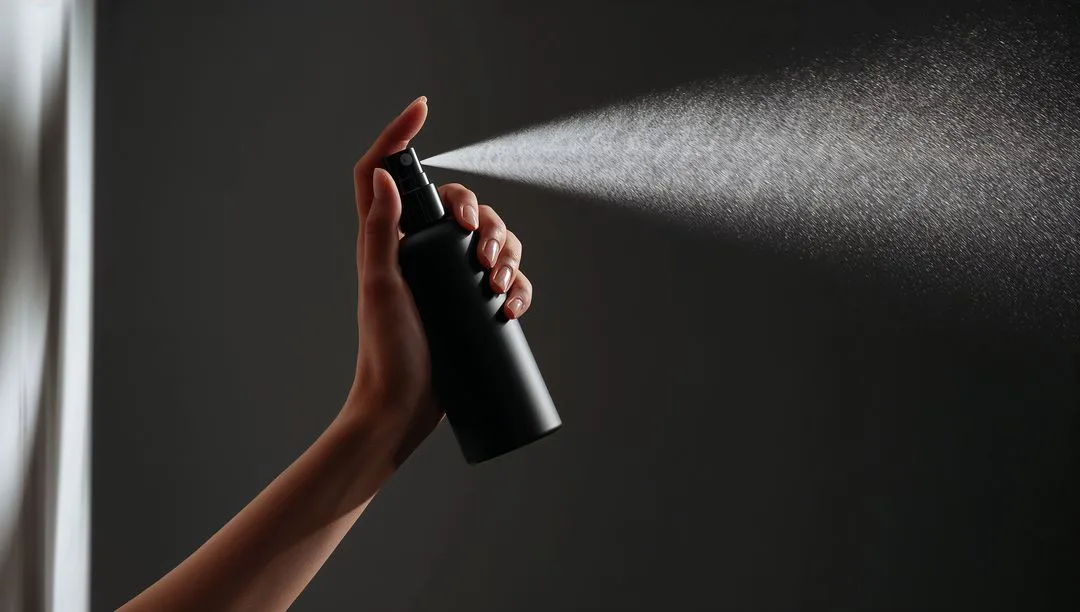
The spraying technique is just as important as the recipe. Hold the bottle twelve inches away from the surface. Spray in a single quick, sweeping motion.
You want a light mist that settles on the fabric, not a soaking spray. If your fabric still feels damp after ten minutes, you oversprayed.
Choosing Your Formula: Match the Recipe to Your Odor Problem
This is where the decision tree comes in. Each recipe works best in specific situations. Here’s the breakdown.
If you’re dealing with everyday household smells, cooking odors, stale air, general stuffiness, the alcohol-based all-purpose recipe is your best bet. It dries fast, so you can spray and immediately sit back down on the couch.
If you have pets, vinegar is your friend. Dog beds, cat trees, and that spot on the rug where the cat keeps going. The vinegar neutralizes the uric acid that causes lingering pet odors.
Alcohol just masks it temporarily.
If you’re freshening up a rental car or a space with cigarette smoke residue, understand this. Homemade spray won’t cut it. Cigarette smoke penetrates deep into fabric and cushion foam.
You need an ozone treatment or commercial odor-neutralizing compound designed for smoke. Masking with a DIY spray will leave you disappointed.
If you’re spraying workout clothes or towels, skip the fabric softener recipe. The softener coats fibers and reduces absorbency. Use the vinegar recipe instead.
It neutralizes odor-causing bacteria without leaving residue.
If you’re freshening a closet of out-of-season clothes, the linen spray is ideal. The scent lasts longer, and the softener adds a subtle freshness that readies clothes for wearing later.
| Odor Type | Recipe to Use | Why It Works |
|---|---|---|
| Cooking, stale air, general mustiness | All-purpose alcohol spray | Fast drying, odor molecule removal |
| Pet urine, animal bedding | Vinegar spray | Acidic neutralization at molecular level |
| Closets, stored linens | Fabric softener spray | Long-lasting scent, gentle on fibers |
| Workout gear, towels | Vinegar spray | Antibacterial action, no residue |
| Heavy smoke damage | Commercial ozone treatment | DIY sprays only mask temporarily |
Common Mistakes That Ruin Homemade Fabric Spray (And How to Fix Them)
Let’s be honest. Most DIY fabric freshener fails because of user error, not a bad recipe. Here’s what goes wrong and exactly how to fix it.
Using tap water. Municipal tap water contains minerals like calcium and magnesium. Those minerals build up inside your spray nozzle, clogging it within a week. Distilled water costs less than a dollar per gallon and solves this completely.
Manufacturer specifications on most spray bottles recommend distilled water for just this reason.
Skipping the emulsifier. The most common mistake, hands down. People think essential oils are water-soluble. They’re not.
Without alcohol or vinegar, you’ll get a layer of oil floating on top of your bottle. Your spray will be mostly water, with occasional concentrated bursts of oil that leave spots on fabric.
Overspraying. You want a mist, not a soaking. When you soak fabric, it takes hours to dry instead of minutes. In humid environments, that creates the perfect condition for mildew.
Spray lightly, wait ten minutes, and assess. You can always add more.
Using too much essential oil. More isn’t better with essential oils. Fifteen to twenty drops is plenty for a sixteen-ounce bottle. Exceed that, and you’ll get a sticky residue on your couch that attracts dust and lint.
Some oils, like cinnamon and clove, can also stain light-colored fabrics when used in excess.
Ignoring the drying time. A fabric refresher needs airflow to dry properly. Spray the couch, then open a window or turn on a fan. Sealed rooms keep moisture trapped in fabric, which leads to mildew growth and a musty smell that’s worse than the original odor.
Not shaking before every use. Oil and water separate even with an emulsifier. It’s a physical fact. Shake your bottle for five seconds before each spray.
Skipping this means you’re gradually spraying less oil and more water as the bottle empties.
Cost, Shelf Life, and Storage: What to Expect Before You Start
Let’s talk numbers because cost savings matter. A sixteen-ounce bottle of commercial fabric refresher runs about four dollars and fifty cents. A homemade batch with vodka costs roughly one dollar and fifty cents.
That’s a sixty-seven percent savings per bottle.
The vinegar version is even cheaper. White vinegar costs about two dollars per gallon. One batch uses a half-cup, so that’s about twenty-five cents in base ingredients.
Add another fifty cents in essential oils, and you’re well under a dollar per bottle.
Shelf life is short, so don’t prep a gallon. With vodka or rubbing alcohol, your spray stays effective for about three to four weeks. The alcohol preserves the mixture and prevents bacterial growth.
The vinegar version lasts about the same, maybe slightly shorter because vinegar’s acidity drops over time.
Essential oils lose potency once exposed to air. Their volatile aromatic compounds evaporate slowly, even in a sealed bottle. After a month, the scent will be noticeably weaker.
Make small batches, use them fresh, and refill as needed.
Storage best practices:
- Keep your bottles in a cool, dark place. Heat degrades essential oils and accelerates separation.
- Avoid clear plastic bottles if you can. Amber glass or dark plastic blocks UV light that breaks down the oils.
- Label every bottle with its contents and the date. You’ll forget which one is which, and you’ll definitely forget when you made it.
- Don’t store near heat sources. The alcohol content is flammable, and heat causes the mixture to degrade faster.
One final note on shelf life, as of 2026, many commercial fabric refreshers now advertise longer-lasting scents through synthetic fragrance technology. Homemade formulas can’t compete with that longevity. But DIY sprays work within the three-week window, and the freshness you get from a new batch is more vibrant than any store-bought scent.

Similar Posts