DIY Febreze Spray: 3 Easy Homemade Recipes
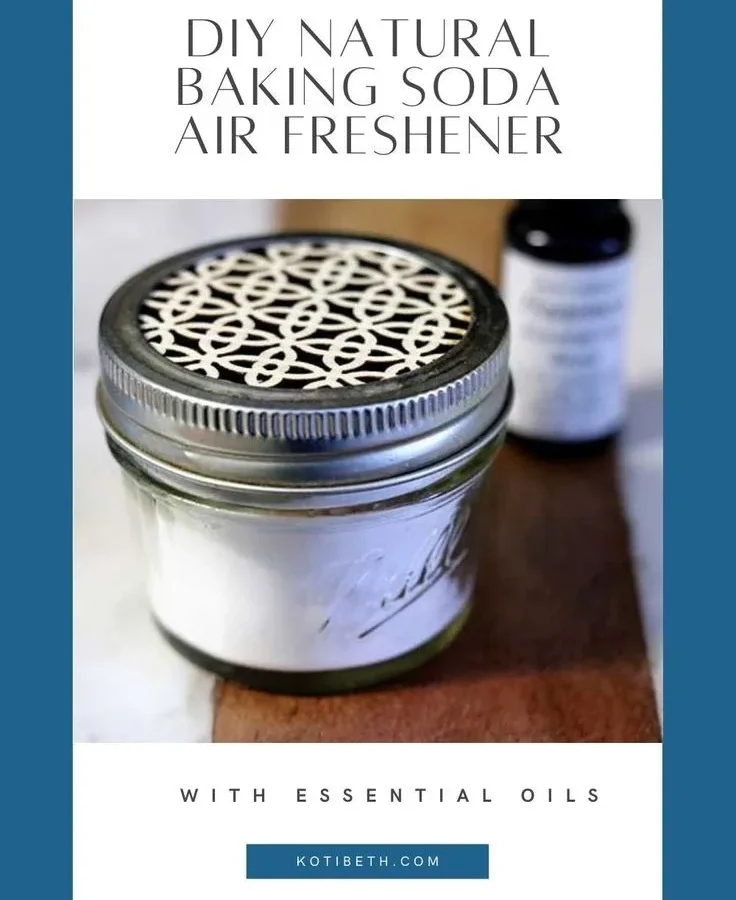
Your grandma’s hack of mixing baking soda and water in a spray bottle? It works, but only if you match the formula to what you’re spraying. A “diy febreze spray” isn’t one recipe; it’s a small toolkit of three base formulas, each built for a different job.
The active ingredient in commercial fabric refreshers is cyclodextrin, a sugar-derived molecule that traps odor particles so they can’t reach your nose. Your DIY versions use alcohol, baking soda, or vinegar to achieve similar results. As of 2026, most home recipes still skip the chemistry and just mix random ingredients, which is why so many fail.
Here’s how to pick the right one for your situation.
Quick Answer
The best DIY Febreze spray uses either baking soda, alcohol, or vinegar as its active base. Baking soda neutralizes food and sweat odors on everyday fabrics. Alcohol kills odor-causing bacteria and dries fast.
Vinegar cuts through heavy grease and sour smells. Match the base to your fabric and odor type.
Why DIY Febreze Isn’t One-Size-Fits-All
Here’s the reality: copying a single “universal” recipe from a blog is a gamble. Spray a heavy-duty vinegar mix on your silk blouse, and you’ll ruin it. Spray a delicate alcohol mix on your kitchen trash can, and it won’t do anything.
The problem isn’t the ingredients; it’s the lack of matching.
Store-bought Febreze works because it contains cyclodextrin, a molecule that literally traps odor particles. When you spray it, the cyclodextrin surrounds the smelly molecules and keeps them from reaching your nose. It’s clever chemistry.
Your DIY version can’t perfectly replicate that, but you don’t need it to. You just need the right base for the right job.
The three DIY bases each work differently:
- Baking soda neutralizes acidic and alkaline odor molecules. It’s great for food smells, sweat, and general mustiness.
- Alcohol (rubbing alcohol or vodka) kills the bacteria that cause odors. It evaporates fast and leaves zero residue.
- White vinegar cuts through grease and dissolves mineral deposits from urine or hard water. It’s heavy-duty but smells while wet.
Your choice comes down to three quick questions: what fabric are you spraying, what’s causing the odor, and how fast do you need it dry?
The Quick Decision Tree: Match the Recipe to Your Situation
Think of this as your choose-your-own-adventure guide. Answer three questions, and you’ll land on the right recipe.
Question 1: What fabric are you spraying?
Delicate fabrics like silk, wool, or rayon can’t handle vinegar’s acidity or baking soda’s abrasive residue. They need alcohol. Everyday fabrics like cotton, denim, polyester, and blends handle all three bases fine.
Vinyl, leather, or plastic surfaces? Vinegar-based, but test a small spot first.
Question 2: What’s causing the odor?
This is the most important filter. Smoke and musty smells come from bacteria, so alcohol is your best bet. Food odors and sweat are acidic, so baking soda neutralizes them.
Pet accidents and urine salts need vinegar’s acidity to break down the crystals. If you’re not sure, go with baking soda; it’s the safest all-rounder.
Question 3: How fast does it need to dry?
Alcohol-based sprays dry in about five minutes. Baking soda needs 15 to 20 minutes before you vacuum or brush it off. Vinegar takes 30 minutes or more to fully evaporate and lose its smell.
If you’re refreshing a shirt you want to wear in ten minutes, alcohol wins.
Here’s the decision matrix:
| If You Have | Use | Why |
|---|---|---|
| Silk, wool, rayon | Alcohol | Gentle, no residue, fast dry |
| Cotton, denim, polyester | Baking soda | Neutralizes most odors, safe |
| Gym clothes, quick refresh | Alcohol | Kills bacteria, dries in minutes |
| Pet accidents, urine | Vinegar | Breaks down salts and crystals |
| Kitchen trash, sour smells | Vinegar | Cuts grease and heavy odors |
| Smoke, musty fabric | Alcohol | Kills odor-causing bacteria |
The Three Base Recipes (and When to Use Each)
Now let’s get into the actual mixing. Each recipe fills a standard 16-ounce spray bottle.
Recipe 1: The All-Rounder (Baking Soda)
This is your daily driver. It handles most household odors without fuss.
- 1 tablespoon baking soda
- 2 cups warm water (warm helps it dissolve)
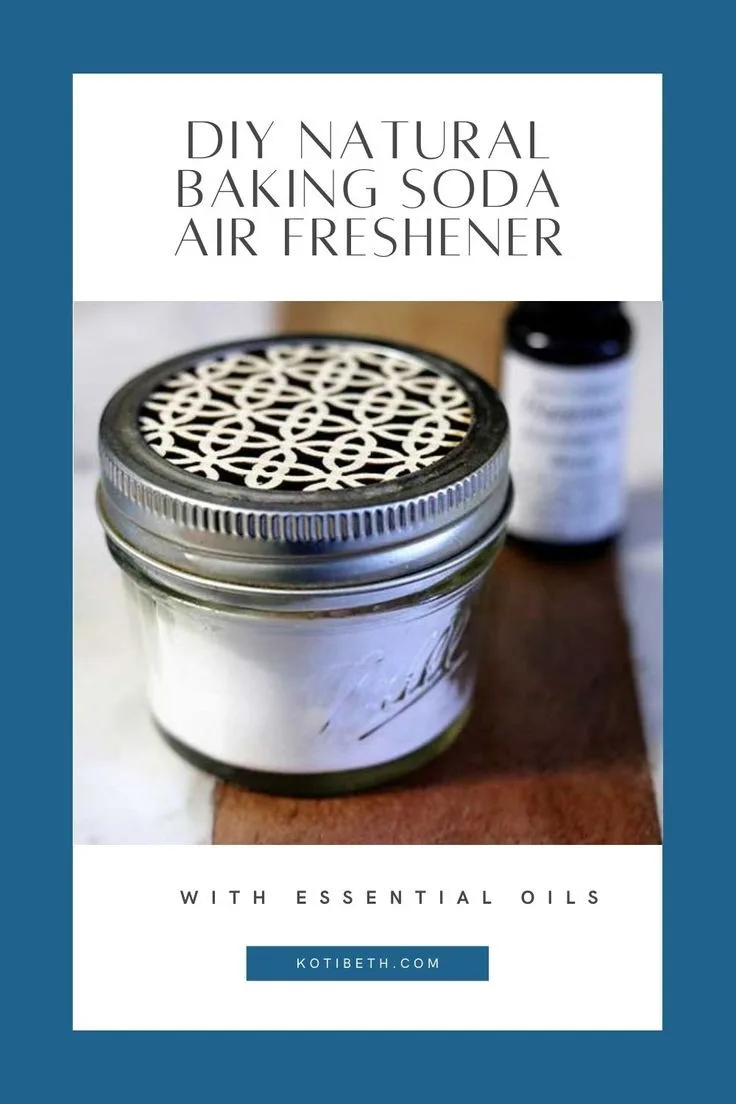
- 10 to 15 drops of essential oil (optional)
Mix the baking soda into the warm water first, stir until fully dissolved, then add essential oils. Pour into your spray bottle. Shake well before every use because baking soda settles fast.
This works best on couches, curtains, carpets, everyday clothing, and car upholstery. Give it 15 minutes to work, then vacuum fabric surfaces to remove the dried baking soda dust.
Recipe 2: The Quick-Dry (Alcohol)
- 1/4 cup rubbing alcohol (at least 90% isopropyl) or cheap vodka (80 proof minimum)
- 3/4 cup water
- 10 drops of essential oil
Mix everything in your spray bottle and shake. No dissolving needed. The alcohol kills odor-causing bacteria on contact and evaporates fast, leaving zero residue.
This is your go-to for gym clothes, delicates, blazers, or anything you need to wear again soon. It’s also the safest option for fabric with water-repellent or stain-resistant coatings.
Recipe 3: The Heavy Duty (Vinegar)
- 1/2 cup white vinegar
- 1 1/2 cups water
- 15 drops of essential oil (you’ll need more to mask the vinegar smell)
Mix and spray. Fair warning: it smells like vinegar while wet. The smell fades completely once it dries, but you’ll need to live with it for about 30 minutes.
Use this for trash cans, bathroom mats, athletic shoes, and anything with a lingering sour odor. Never use it on silk, wool, or leather, and avoid it on stone surfaces where acidity can cause etching.
Essential Oil Add-Ins
Essential oils are purely for fragrance; they don’t contribute to odor-fighting power. Lavender, lemon, eucalyptus, and tea tree are popular choices. Start with fewer drops than you think you need.
You can always add more, but you can’t take them out.
One critical note: several essential oils are toxic to pets. We’ll cover that in the safety section below.
Mistakes That Ruin DIY Fabric Sprays
Let’s talk about what goes wrong. Most DIY spray failures come from a handful of predictable errors, and they’re all easy to fix.
White Residue on Dark Fabrics
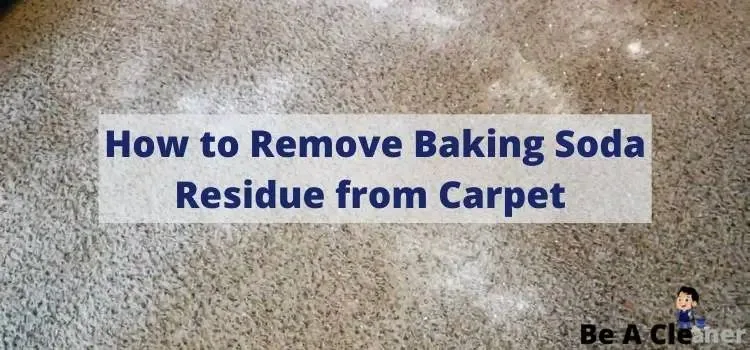
This is the number one complaint. It happens when undissolved baking soda dries on fabric. The fix is simple: use warm water and stir the baking soda in completely before adding it to your bottle.
Cold water leaves clumps. If you’re still getting residue, switch to the alcohol recipe for dark or delicate items.
Over-Wetting the Fabric
More spray isn’t better. A heavy mist leaves fabric stiff, crusty, or water-stained. You want a fine mist, not a soak.
Hold the bottle about six to eight inches away and use quick, sweeping passes. You should barely see the fabric get damp.
Using Tap Water
Tap water contains minerals like calcium and magnesium. These leave white streaks on dark fabric when the water evaporates. Distilled water costs about a dollar per gallon and solves this completely.
It’s the cheapest insurance you’ll buy.
Spraying Delicates with the Wrong Formula
Vinegar’s acidity can eat through silk and acetate fibers. Baking soda is abrasive and leaves residue on wool and cashmere. Always check the fabric care label.
If you wouldn’t wash it in hot water, don’t spray it with vinegar or baking soda.
Making Batches Too Large
Water-based sprays are a breeding ground for bacteria after about two weeks. Most people mix a giant batch and wonder why it starts smelling funky. Make small batches and use them up within 14 days.
It takes two minutes to make a fresh one.
Skipping the Shake
Baking soda settles immediately. If you spray without shaking, you’re mostly spraying water with a bit of dissolved soda. The residue clogs your nozzle and the formula’s too weak to work.
Shake every single time.
What Actually Works vs. What’s a Waste of Time
There’s a lot of bad advice floating around about DIY fabric sprays. Let’s separate what genuinely works from what’s just wasting your time.
What Actually Works
Spraying from the right distance. Six to eight inches away gives you an even mist. Too close and you soak the fabric; too far and most of it drifts away.
Letting baking soda sit. It needs 15 to 20 minutes to actually neutralize odors. Spraying and immediately wiping defeats the purpose.
Vacuuming fabric surfaces after drying. This picks up the dried baking soda dust and the odor particles it trapped. Skip this step and the smell can resurface.
Using vodka for the alcohol recipe. It works exactly as well as rubbing alcohol, leaves no smell, and doesn’t have the chemical scent of isopropyl. Any cheap bottle will do.
What’s a Waste of Time
Adding fabric softener. This is a common hack that fails. Fabric softener leaves a waxy residue that attracts dirt and can make fabric feel greasy. Skip it.
Using hot water in alcohol recipes. The alcohol evaporates before you even spray it. Use cool or room-temperature water.
Cold water with baking soda. Baking soda needs warm water to dissolve fully. Cold water leaves gritty clumps that end up as white marks on your furniture.
Essential oils alone. Just water and essential oils do nothing for odors. The oils mask smells for about ten minutes, then the odor returns. You need an active base like baking soda or alcohol.
Double-strength vinegar thinking it’ll work better. Vinegar’s effectiveness plateaus. Using more just means a stronger smell while wet and longer drying time. Stick with the measured ratios.
For more household DIY projects, check out this guide to building a compost bin if you’re already in a sustainable-living mindset.
Pet Safety, Fabric Care, and Other Warnings
DIY fabric sprays are mostly harmless, but there are a few genuine safety concerns you need to know about. Getting these wrong can hurt your pets or damage your favorite clothes.
Essential Oils Toxic to Cats and Dogs
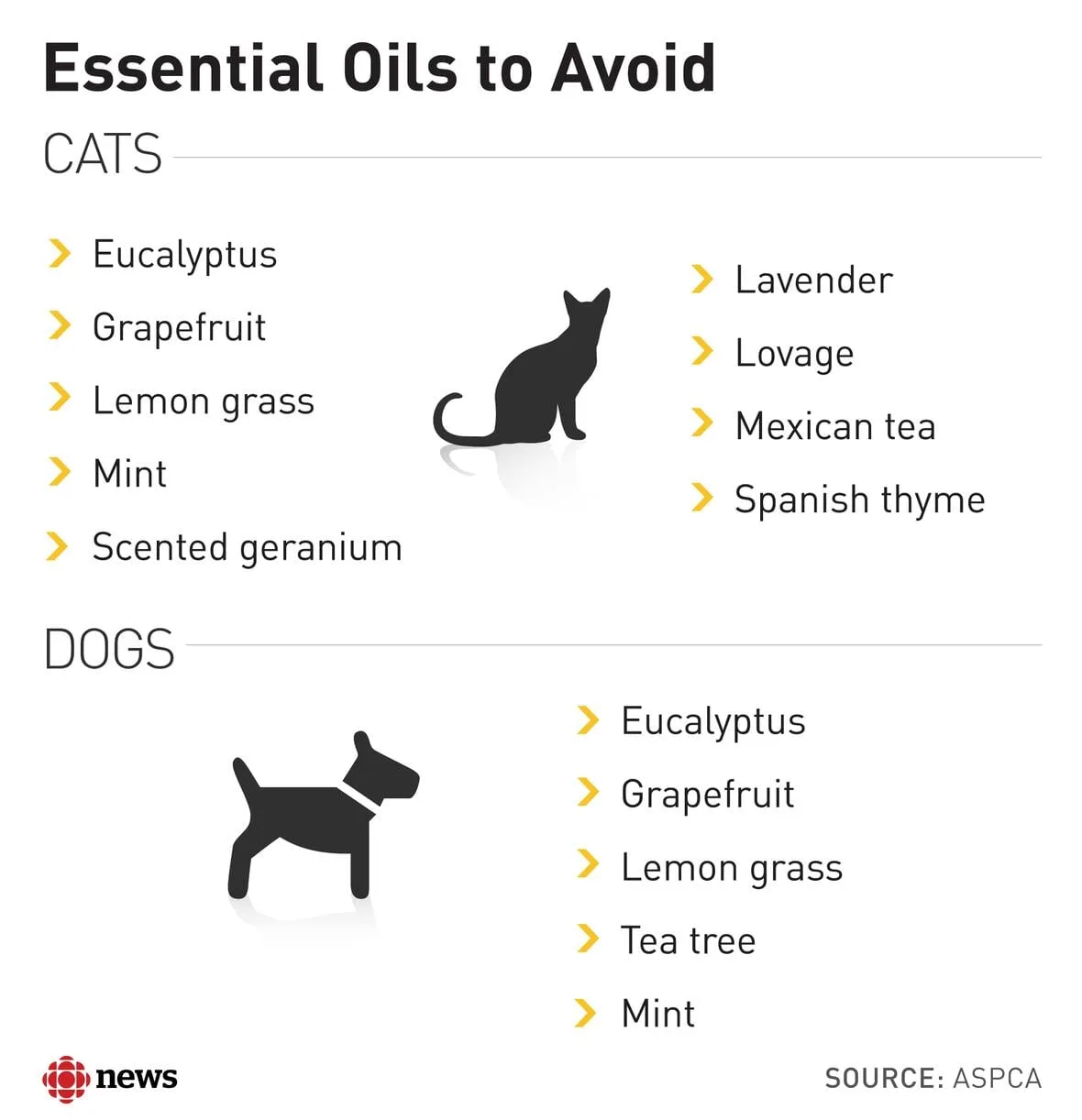
This is the one that surprises most people. Many essential oils are perfectly safe for humans but toxic to pets. Cats are especially vulnerable because their livers can’t process certain compounds.
Dogs are less sensitive but still at risk.
The dangerous ones include:
- Tea tree oil (melaleuca), highly toxic, even in small amounts
- Citrus oils (lemon, orange, bergamot), can cause vomiting and depression
- Peppermint oil, dangerous for cats, can irritate dogs
- Pine and wintergreen, both toxic to cats and dogs
- Cinnamon oil, can cause liver damage in pets
If you have pets, skip essential oils entirely. A plain baking soda and water mix still neutralizes odors effectively. It just won’t add fragrance, which is fine.
Your pet’s safety matters more than a pleasant scent.
Fabrics You Should Never Spray
Some fabrics can’t handle any of these DIY formulas. Spraying the wrong mix can permanently damage them.
- Silk, vinegar’s acidity degrades silk fibers. Alcohol can also strip natural oils.
- Wool and cashmere, baking soda residue is abrasive and can felt the fibers. Vinegar can damage the protein structure.
- Acetate and triacetate, alcohol dissolves these synthetic fibers. Serious damage.
- Leather and suede, water-based sprays leave water stains that don’t come out.
- Fabrics with stain-repellent coatings, alcohol breaks down the fluorochemical finish that protects them.
For these materials, your best option is a professional cleaning or the store-bought product specifically designed for delicates. DIY isn’t always the answer.
Vinegar on Stone Surfaces
White vinegar is acidic, with a pH around 2.5. That acidity can etch and dull natural stone surfaces like marble, granite, and limestone. If you’re spraying near stone countertops, be careful with overspray.
The same goes for untreated wood; vinegar can strip the finish.
Proper Storage and Shelf Life
Water-based sprays support bacterial growth. Most DIY formulas last about 14 days if stored in a cool, dark place. After that, they can start growing mold or bacteria.
Signs of spoilage include a sour smell, cloudy appearance, or slimy texture.
Store your spray bottle away from direct sunlight and heat. A cabinet under the sink works fine. Don’t refrigerate; cold doesn’t extend the life, it just makes the spray uncomfortable to use.
Make small batches. A 16-ounce bottle lasts most households one to two weeks anyway, so there’s no reason to mix more.
Quick Reference Comparison Table
Here’s the side-by-side breakdown you need when deciding which recipe to grab.
| Feature | Baking Soda | Alcohol | Vinegar |
|---|---|---|---|
| Drying time | 15–20 min | 5 min | 30+ min |
| Residue risk | Moderate (if not fully dissolved) | None | Low |
| Delicate fabrics | No (silk, wool) | Yes | No (silk, wool) |
| Pet accidents | Somewhat effective | Not effective | Most effective |
| Smoke / musty odors | Not effective | Very effective | Somewhat effective |
| Food / sweat odors | Very effective | Moderate | Moderate |
| Smell while wet | Mild (baking soda) | Mild (alcohol) | Strong (vinegar) |
| Cost per 16 oz batch | ~$0.10 | ~$0.25 | ~$0.15 |
| Shelf life | ~14 days | ~14 days | ~14 days |
| Best for | Couches, carpets, everyday clothes | Gym clothes, delicates, quick refresh | Trash cans, shoes, heavy odors |
One more thing on cost: these numbers assume you already have the base ingredients. If you’re buying everything from scratch, the first batch costs more because of the essential oils and spray bottles. After that, refills are pennies.
FAQ: Your DIY Febreze Questions, Answered
Can I use this on my pet’s bed?
Yes, but skip the essential oils entirely. Use the plain baking soda recipe with no fragrance. Many essential oils are toxic to cats and dogs, even when they just smell them.
Spray the bed lightly, let it dry for 20 minutes, then vacuum. Your pet will appreciate the fresh smell without the chemical exposure.
Why does my spray leave white marks on dark clothes?
That’s undissolved baking soda. You either used cold water or didn’t stir long enough. Warm water helps it dissolve fully.
Also, shake the bottle well before every single spray, since baking soda settles quickly. If you still see marks, switch to the alcohol recipe for dark fabrics.
Does vodka actually work, or is that just a hack?
Vodka genuinely works. The alcohol content kills odor-causing bacteria, and it evaporates with zero residue. Any cheap vodka at 80 proof or higher does the job.
It’s actually the best option for delicate fabrics because it’s less harsh than rubbing alcohol and leaves no scent of its own.
How long does a homemade batch last?
About 14 days if stored properly in a cool, dark place. After that, bacteria can start growing in the water. Signs of spoilage include a sour smell, cloudy appearance, or slimy spray.
Make small batches to avoid waste. It takes two minutes to mix a fresh one.
Can I use essential oils in a pet-friendly spray?
No, it’s not worth the risk. Many essential oils are toxic to cats and dogs, and they can be absorbed through the skin or inhaled. Even “safe” oils can cause reactions in sensitive pets.
Use the unscented baking soda recipe for anything near animals.
Why does my spray make fabric stiff?
You’re over-wetting the fabric. A heavy mist leaves baking soda residue that dries into a crusty layer. Use a lighter touch, hold the bottle six to eight inches away, and use quick sweeping motions.
The fabric should barely look damp, not wet.

Similar Posts