DIY Lube: 5 Easy Recipes You Can Make at Home
You know the feeling. You're mid-moment, things are getting heated, and then you reach for the bottle only to find it empty, crusty, or just not cutting it anymore. Or maybe you've never bought commercial lube because the ingredient list reads like a chemistry experiment, and you'd rather not put that on your body.
Learning how to make homemade lube is simpler than you think, but it's not as simple as grabbing whatever oil is in your kitchen cabinet.
Here's the thing: your body's pH, your skin's microbiome, and even the type of condom or toy you use all dictate what's safe. As of 2026, health organizations like the World Health Organization still flag that many commercial lubricants have osmolality levels (a measure of how much water they draw out of cells) that can irritate sensitive tissue. So making your own gives you control, but only if you know the rules.
Let's break down what actually works, what's dangerous, and how to make a batch that's genuinely safe.
Why Making Your Own Lube Is Worth It (and When It's Not)
Let's be honest about the upsides first. Homemade lube costs pennies per batch. A bottle of quality commercial lube runs anywhere from $10 to $15, and you'll blow through it in a few weeks.
A 2-cup batch of homemade water-based lube costs around $0.50 in ingredients. That's a huge win if you use lube regularly.
But there's a trade-off. Homemade lube has a shelf life of about 5 to 14 days when refrigerated. It has no preservatives, which is exactly why it's gentler on your body, but it also means you can't stash a bottle in your nightstand for six months.
You'll be making small batches frequently.
Another honest downside: it takes trial and error. Getting the texture right, adjusting pH, and ensuring it doesn't separate requires some patience. If you're not a DIY person, this might feel like a chore.
But if you're someone with sensitive skin who's tired of reacting to store-bought gels, the effort pays off.
Finally, commercial lubes aren't all bad. Many are formulated with proper osmolality and pH for a reason. If you're immunocompromised, pregnant, or prone to severe infections, homemade might not be worth the risk.
We'll cover when to skip DIY later.
The Safety Rules You Need Before Mixing Anything
Before you touch any ingredient, get these safety rules locked in. There's no room for guesswork here because the stakes involve yeast infections, bacterial vaginosis, and condom failure.
Rule 1: No sugar, ever. Any sweetener, honey, syrup, or flavored ingredient feeds yeast. Women prone to recurrent yeast infections should also avoid glycerin, which is essentially a sugar alcohol often added to commercial lubes.
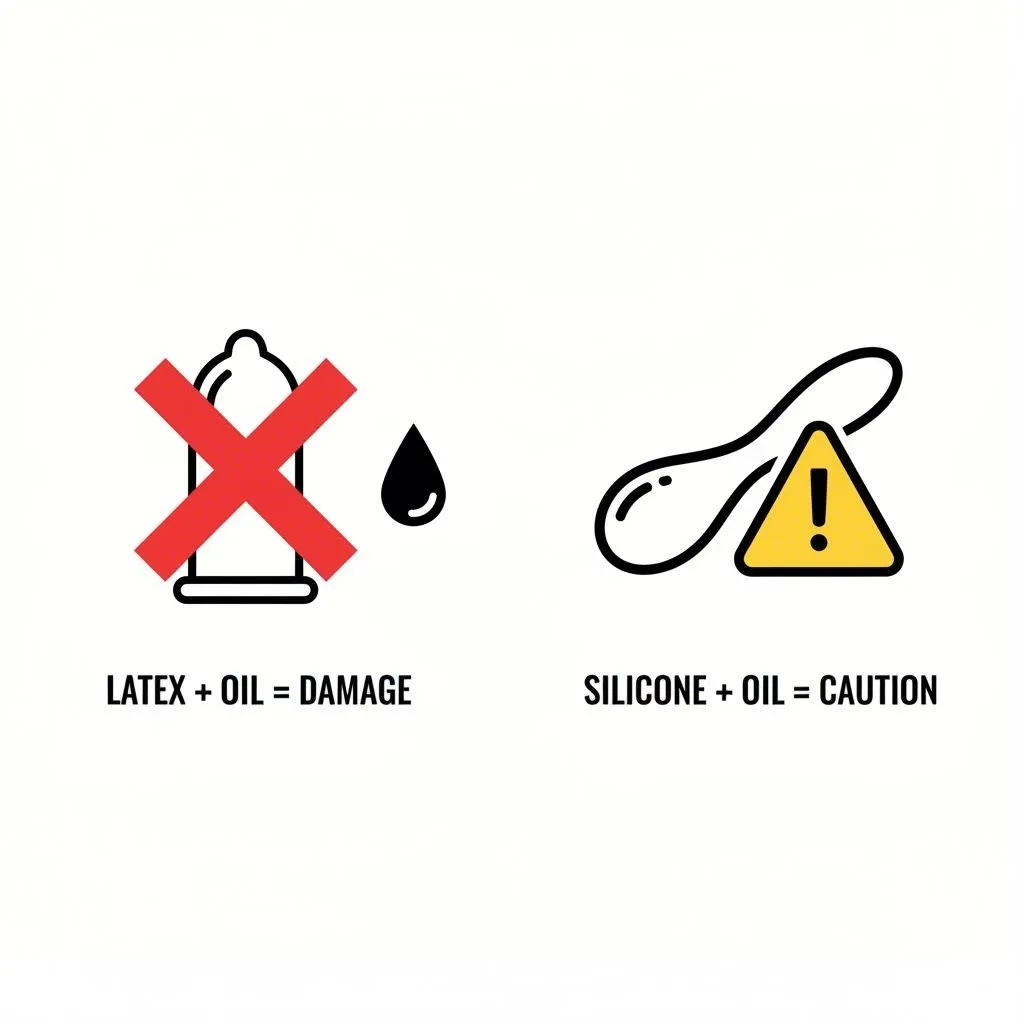
Rule 2: Know your condom type. Oil-based lubricants destroy latex condoms. We're talking breakage within 60 seconds of pressure. If you're using latex or polyisoprene condoms, stick to water-based homemade recipes.
Oil-based is only safe with polyurethane condoms or when no condom is needed.
Rule 3: Check the pH. Healthy vaginal pH sits between 3.8 and 4.5. Most oils and plain water are neutral (pH 7), which can throw off that balance. You don't need to obsess over this, but adding a tiny bit of diluted apple cider vinegar or aloe vera (which is naturally acidic) helps keep things in range.
Rule 4: Sterilize everything. Mixing bowls, bottles, and utensils need to be washed in hot soapy water or run through the dishwasher. If you're using pumps or jars, boil them for a few minutes to kill bacteria. Homemade lube has no preservatives, so cleanliness is your only defense against contamination.
Rule 5: Test before use. Apply a small amount to your inner wrist or forearm and wait 15 minutes. Allergic reactions to botanicals like aloe or slippery elm are possible, and you'd rather find out on your arm than somewhere more sensitive.
The 3 Best Homemade Lube Recipes That Work
These three recipes cover your bases. Each uses different ingredients, so you can pick based on what you have, what you need, and what your body tolerates.
Recipe 1: Water-Based with Xanthan Gum
This is the closest texture to commercial water-based lube. It's condom-safe, toy-safe, and easy to adjust.
Ingredients:
- 1 cup distilled water (never tap water; it contains minerals and bacteria)
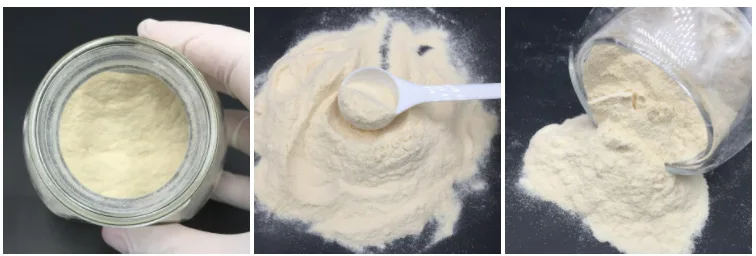
- 1/2 teaspoon xanthan gum (for thicker lube, use 1 teaspoon)
- 1-2 drops of food-grade vegetable glycerin (optional, for extra slip)
Steps:
- Bring the water to a boil, then let it cool until it's just warm.
- Sprinkle the xanthan gum over the surface while whisking vigorously. This prevents clumping.
- Use an immersion blender if you have one. It's the easiest way to get a smooth gel without lumps.
- Add glycerin if you're using it, whisk again, and let it sit for 30 minutes.
- Transfer to a clean squeeze bottle and refrigerate.
Shelf life: 7 days, refrigerated. Discard if it gets cloudy or smells off.
Recipe 2: Oil-Based with Coconut Oil and Jojoba
This is the simplest recipe, but it's only for non-latex condoms or no condom at all. Coconut oil is naturally antibacterial and antifungal, making it a solid choice for people with sensitive skin.
Ingredients:
- 3 tablespoons virgin coconut oil
- 1 tablespoon jojoba oil (or sweet almond oil if you're not allergic to nuts)
Steps:
- Warm the coconut oil until it's liquid (don't microwave; just hold the jar in warm water).
- Mix with the jojoba oil in a bowl.
- Pour into a clean jar. It will solidify at room temperature below 76°F, so you'll need to warm it in your hands before use.
Shelf life: Up to 3 months at room temperature. Coconut oil doesn't go rancid quickly, but check for odor changes.
Recipe 3: Aloe Vera Gel with Flaxseed
This one's for people who want a gel texture without synthetic thickeners. It's also the most pH-friendly option.
Ingredients:
- 1/4 cup pure aloe vera gel (must be 100% aloe, no alcohol, no additives)
- 1/4 cup flaxseed gel (soak 1 tablespoon flaxseeds in 1 cup water for 4-6 hours, strain)
- 1-2 drops of vitamin E oil as a mild preservative
Steps:
- Whisk the aloe gel and flaxseed gel together until smooth.
- Add vitamin E oil and stir.
- Store in a glass pump bottle in the fridge.
Shelf life: 5 days. This one spoils fastest because flaxseed is food.
How to Choose the Right Base for Your Body and Situation
If you're using condoms, the decision is made for you. Water-based is your only option. Oil destroys latex, period.
If you're not using condoms and you're in a monogamous, tested relationship, oil-based can be a luxurious, long-lasting choice, especially for massage or longer sessions.
For sex toys, check the material. Silicone toys degrade with silicone-based commercial lube, but they're fine with any homemade option since none of these recipes use silicones. Water-based is the safest all-around, though oil-based is fine for silicone toys too.
For anal play, thicker is better. Skip the thin aloe recipe and go with the xanthan gum version at double thickness or the coconut oil blend. Oil-based lube lasts longer and provides better glide for anal use, assuming no latex condom is involved.
For trying to conceive, you want sperm-friendly lubrication. Avoid anything with glycerin, aloe vera (some studies suggest it can impair sperm motility), or high osmolality. Plain coconut oil is actually one of the few DIY options that's been studied as safe, but plain mineral oil or a store-bought fertility-friendly brand is even better.
For sensitive skin or recurring irritation, start with the coconut oil recipe. It's the least likely to trigger reactions. If you're allergic to nuts, skip almond oil and stick with coconut or jojoba.
Common Mistakes That Ruin Homemade Lube (or Cause Infections)
Here's where good intentions go sideways. Every one of these mistakes shows up in DIY forums, and they're all avoidable.
Mistake 1: Using table sugar or honey. This is the most dangerous. Sugar feeds yeast. A yeast infection after one use is nearly guaranteed.
Never.
Mistake 2: Raw egg whites or yogurt. These old internet recipes are a terrible idea. Raw eggs carry salmonella risk, and yogurt's probiotics don't make it safe for internal use. Both have the wrong pH and can introduce bacteria.
Mistake 3: Forgetting the pH. Plain water is pH 7. Your vagina is pH 4. Using straight water disrupts your flora and can cause bacterial vaginosis.
That's why the xanthan gum recipe uses distilled water plus the optional glycerin, but it's still not perfectly acidic. Adding a little aloe or a drop of diluted vinegar helps.
Mistake 4: Using tap water. Municipal water has chlorine, fluoride, and trace minerals. These can irritate sensitive tissue. Distilled water is sterile and neutral.
Use it.
Mistake 5: Skipping sterilization. A dirty bottle or bowl introduces bacteria that multiply in a sugar-free but still nutritious liquid. You're essentially making a culture medium. Boil everything.
Mistake 6: Making huge batches. More volume equals more contamination risk and more waste. Make small batches and refresh them weekly.
Mistake 7: Assuming "natural" equals "safe." Poison ivy is natural too. Essential oils, even "gentle" ones like tea tree or lavender, are too concentrated for mucous membranes and can cause chemical burns. Keep it simple.
Fewer ingredients is safer.
If you're looking for other simple DIY swaps around the house, check out how to whip up a homemade fabric freshener in minutes. And if you're feeling crafty, there's a whole guide to repurposing old clothes into something new, which follows the same reduce-and-reuse spirit.
Storage, Shelf Life, and Troubleshooting
Homemade lube degrades fast. That's the price of no preservatives. Here's how to store each type properly.
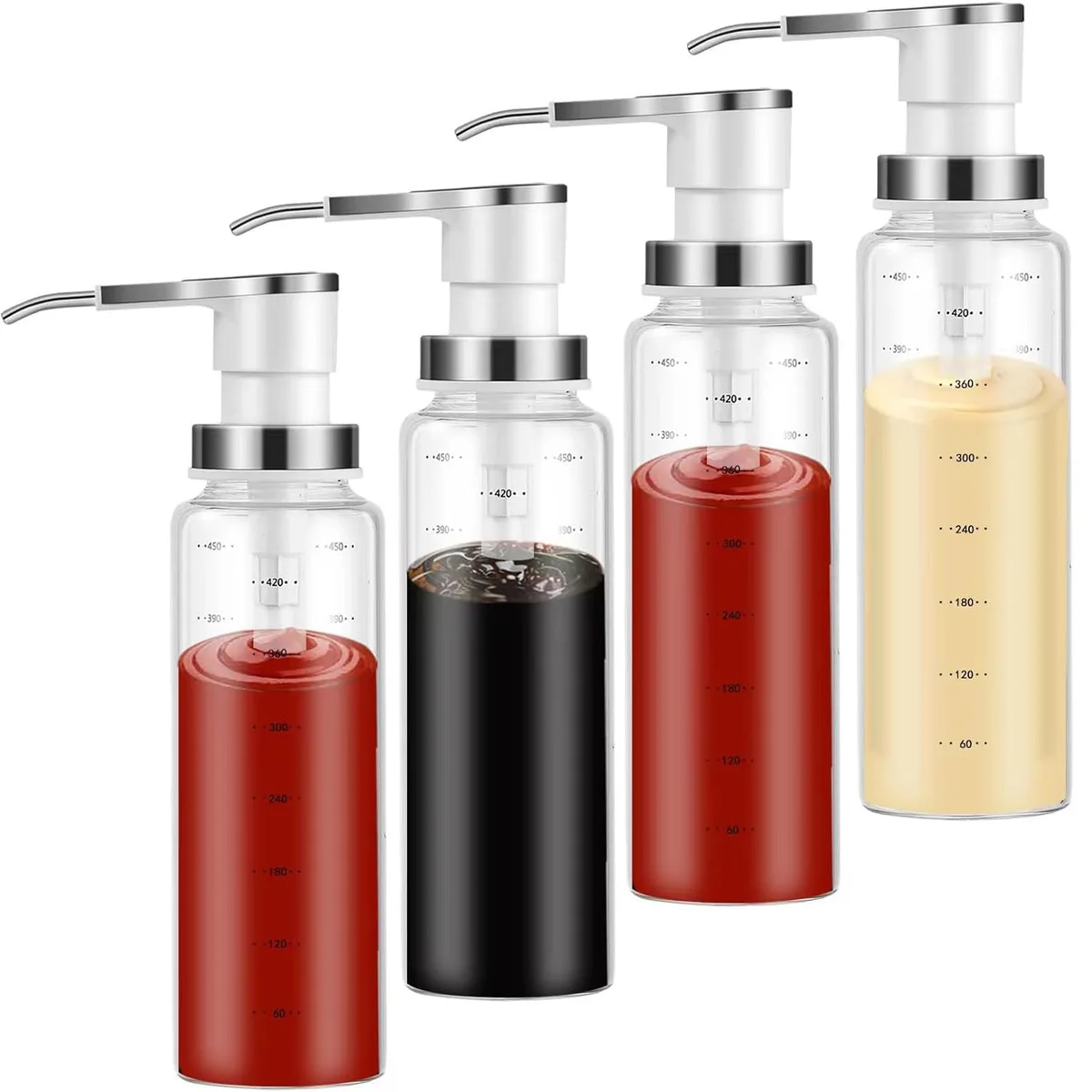
| Recipe Type | Refrigerated Shelf Life | Room Temp Shelf Life | Container |
|---|---|---|---|
| Xanthan gum water-based | 7 days | 2 days | Glass pump bottle |
| Coconut oil + jojoba | 3 months | 3 months | Glass jar with lid |
| Aloe + flaxseed | 5 days | Not recommended | Glass pump bottle |
Always use a clean, dry spoon or spatula to scoop out lube. Never double-dip with your fingers, since you're introducing new bacteria each time.
Troubleshooting common problems:
Lube separates. This is normal for xanthan gum mixtures. Just shake or whisk before each use.
Too thick. Add a teaspoon of distilled water and mix. The texture should be like egg whites.
Too thin. Add more xanthan gum (1/4 teaspoon at a time) while blending.
Smells off. Discard immediately. Don't risk it.
Bottle leaks. Use a squeeze bottle with a flip-top cap, not a pump, for water-based formulas.
Coconut oil solidifies. That's normal below 76°F. Rub the jar between your hands for 30 seconds or rest it in a bowl of warm water before use.
When to Skip Homemade and Buy Commercial Instead
There's no shame in buying lube. Sometimes it's genuinely the safer call.
Skip homemade if you have a compromised immune system, HIV, or are prone to recurrent bacterial vaginosis or yeast infections. The lack of preservatives means homemade lubrication is a breeding ground for bacteria by day three, even refrigerated.
Skip homemade if you're pregnant. The pH and osmolality of commercial lubes are tested. DIY formulas aren't.
During pregnancy, your vaginal flora is more delicate and disruption can trigger preterm labor infections.
Skip homemade if you need a sterile product for medical reasons. Use a doctor-recommended commercial option instead.
If you do buy commercial, look for these labels: "pH balanced" (between 3.5 and 4.5), "iso-osmotic" or "low osmolality," and "glycerin-free" if you have yeast concerns. Avoid anything with nonoxynol-9, a spermicide that can irritate tissue and increase HIV transmission risk per CDC guidelines. And check the FDA's official guidance on lubricant safety for current recalls and safety notices.
Frequently Asked Questions
How long does homemade lube last?
Most water-based homemade lubes last 5 to 7 days refrigerated. Oil-based coconut oil blends can last up to 3 months at room temperature. Always check for cloudiness or off-smells before use.
When in doubt, throw it out.
Is coconut oil safe as a homemade lube?
Yes, but only without latex condoms. Coconut oil is naturally antibacterial, antifungal, and safe for sensitive skin. It's one of the most studied DIY options.
However, it will cause latex condoms to break, so never use it with latex or polyisoprene varieties.
Can homemade lube cause yeast infections?
Yes, if you use sugary ingredients like honey, syrup, or glycerin. Even some aloe vera gels contain added sugars. Recipe choice and cleanliness are the biggest factors.
Stick to the xanthan gum or coconut oil recipes above for the lowest risk.
Does homemade lube work with sex toys?
Absolutely. All three recipes here are silicone-toy safe since none contain silicone. Water-based formulas are the easiest to clean off toys.
Oil-based lube requires soap and hot water to remove fully.
What should I do if it burns or stings?
Wash it off immediately with warm water. Discontinue use. Burning usually means the pH is wrong or you're allergic to an ingredient.
Test new recipes on your arm and always start with the least ingredient variety.
Storage, Shelf Life, and Troubleshooting
Homemade lube degrades fast. That's the price of no preservatives. Here's how to store each type properly.
| Recipe Type | Refrigerated Shelf Life | Room Temp Shelf Life | Container |
|---|---|---|---|
| Xanthan gum water-based | 7 days | 2 days | Glass pump bottle |
| Coconut oil + jojoba | 3 months | 3 months | Glass jar with lid |
| Aloe + flaxseed | 5 days | Not recommended | Glass pump bottle |
Always use a clean, dry spoon or spatula to scoop out lube. Never double-dip with your fingers. Each dip introduces new bacteria that multiply quickly.
Troubleshooting common problems:
Lube separates. This is normal for xanthan gum mixtures. Shake or whisk before each use.
Too thick. Add a teaspoon of distilled water and mix until smooth.
Too thin. Add more xanthan gum (1/4 teaspoon at a time) while blending.
Smells off. Discard immediately. Don't risk it. Your nose knows.
When to Skip Homemade and Buy Commercial Instead
There's no shame in buying lube. Sometimes it's genuinely the safer call.
Skip homemade if you have a compromised immune system or HIV. The lack of preservatives means homemade lubrication becomes a bacterial breeding ground by day three.
Skip homemade if you're pregnant. Commercial lubes are pH-tested and osmolality-controlled. DIY formulas aren't.
During pregnancy, your vaginal flora is more delicate and disruption can trigger complications.
Skip homemade if you need sterility for medical reasons. Use a doctor-recommended product instead.
If you do buy commercial, look for these labels: "pH balanced" (between 3.5 and 4.5), "iso-osmotic," and "glycerin-free" if you have yeast concerns. Avoid anything with nonoxynol-9, a spermicide that can irritate tissue and increase infection risk. Check the FDA's guidance on lubricant safety for current recalls.
Frequently Asked Questions
How long does homemade lube last?
Most water-based homemade lubes last 5 to 7 days refrigerated. Oil-based coconut oil blends last up to 3 months at room temperature. Always check for cloudiness or off-smells before use.
When in doubt, throw it out.
Is coconut oil safe as a homemade lube?
Yes, but only without latex condoms. Coconut oil is naturally antibacterial and antifungal. It's one of the most studied DIY options.
However, it causes latex condoms to break within seconds of pressure.
Can homemade lube cause yeast infections?
Yes, if you use sugary ingredients like honey or glycerin. Even some aloe vera gels contain added sugars. Recipe choice and cleanliness are the biggest factors.
Stick to the xanthan gum or coconut oil recipes above.
Does homemade lube work with sex toys?
Absolutely. All three recipes are silicone-toy safe since none contain silicones. Water-based formulas are easiest to clean off toys.
Oil-based lube requires soap and hot water to remove fully.
What should I do if it burns or stings?
Wash it off immediately with warm water. Discontinue use. Burning usually means the pH is wrong or you're allergic to an ingredient.
Test new recipes on your inner arm first.
Expert Tips for Getting the Texture Right
Getting the perfect consistency takes practice. Start thinner than you think you need. You can always add thickener, but you can't easily thin out a gummy mess.
For the xanthan gum recipe, blend first and let it rest before judging texture. The gel continues to thicken for about 30 minutes after mixing. Judge it after that window.
If you want a silkier feel, add a drop of vegetable glycerin. It adds slip without changing thickness. Don't overdo it though, glycerin can feed yeast in high amounts.
For the coconut oil recipe, whip it with a hand mixer for two minutes. This turns it into a fluffy, mousse-like texture that feels luxurious and lasts longer. Store it in a wide-mouth jar since the whipped texture is harder to scoop from a narrow bottle.
Check the consistency each time you make a fresh batch. Humidity, water temperature, and ingredient brands all affect the final texture. Keep notes on what works so you can replicate it.
Final Verdict: Is It Worth Making Your Own?
Yes, for most people. The cost savings are real and the ingredient control is unmatched. Once you find a recipe that works for your body, it takes five minutes to mix a fresh batch.
But go in with clear eyes. Homemade lube means weekly prep, strict hygiene, and accepting that it's not shelf-stable. If you're not someone who plans ahead, you'll end up reaching for a commercial bottle anyway.
Start with the coconut oil recipe if you use non-latex condoms or no condoms. It's the most forgiving and has the longest shelf life. Otherwise, the xanthan gum water-based recipe is your safest all-around bet.
Test everything on your wrist first. Make small batches. Trust your body's feedback.
And when something feels off, toss it and start fresh. Your health is worth more than the one dollar you saved.

Similar Posts