Bamboo Toothbrush Benefits: A Complete Guide to Eco-Friendly Oral Care

In today’s world, sustainability is no longer just a buzzword — it’s a lifestyle choice. One small yet impactful change you can make in your daily routine is switching from a plastic toothbrush to a bamboo toothbrush. This eco-friendly alternative not only benefits the planet but also supports your oral health and aligns with a more conscious lifestyle. In this comprehensive guide, we’ll explore the many benefits of bamboo toothbrushes, how they work, and why they’re becoming the preferred choice for millions around the world.
What Is a Bamboo Toothbrush?
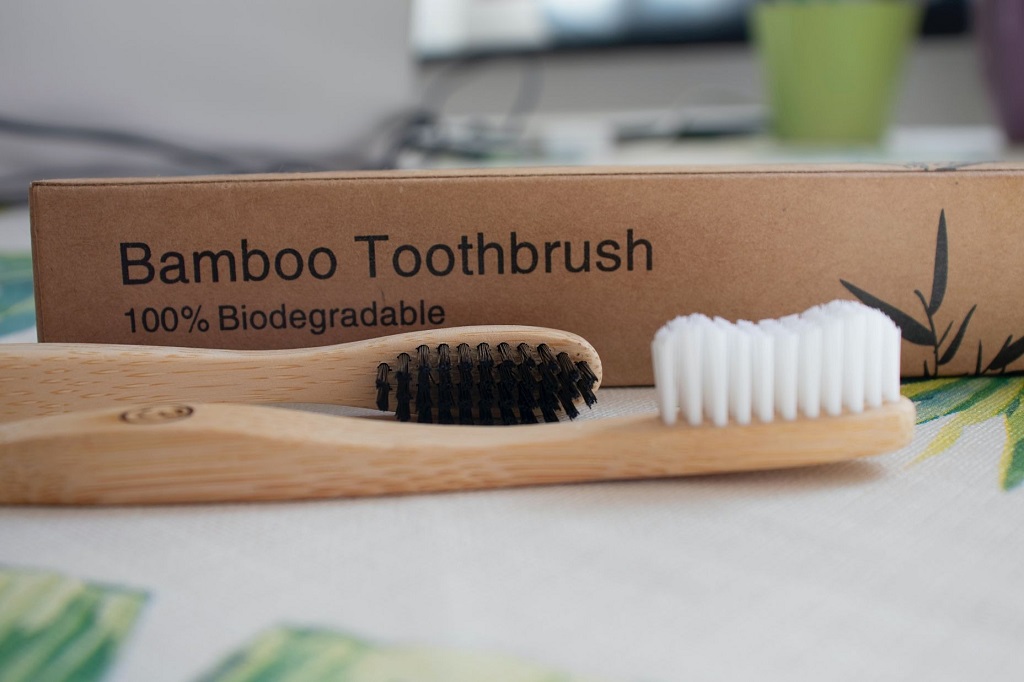
A bamboo toothbrush is a sustainable alternative to traditional plastic toothbrushes. It typically features a handle made from 100% natural bamboo and bristles that are either nylon-based or derived from plant materials. Bamboo is one of the fastest-growing plants on Earth, requiring no fertilizers or pesticides, making it a highly renewable resource.
The concept is simple: replace the plastic handle — which takes centuries to decompose — with bamboo, which is biodegradable and compostable. The result is a toothbrush that’s just as effective but far more eco-friendly.
Environmental Benefits of Bamboo Toothbrushes 🌱
1. Biodegradable and Eco-Friendly
One of the biggest advantages of bamboo toothbrushes is their biodegradability. While plastic toothbrushes can take up to 500 years to break down, bamboo naturally decomposes in just a few months under the right conditions. This means less plastic waste polluting our oceans and landfills.
2. Sustainable and Renewable Material
Bamboo is one of the most sustainable resources on the planet. It grows rapidly — up to 3 feet per day — and regenerates without the need for replanting. Choosing bamboo over plastic significantly reduces demand for petroleum-based materials and helps conserve natural resources.
3. Reduced Carbon Footprint
Producing bamboo toothbrushes requires less energy and emits fewer greenhouse gases compared to plastic manufacturing. Many bamboo toothbrush brands also use eco-friendly packaging, further reducing their environmental impact.
4. Fighting Plastic Pollution
It’s estimated that over 1 billion plastic toothbrushes are thrown away annually in the U.S. alone. Most end up in landfills or oceans, posing serious risks to marine life. By switching to bamboo, you’re helping to combat this global pollution crisis.
Health and Oral Care Benefits 😁
1. Natural Antimicrobial Properties
Bamboo is naturally antimicrobial, meaning it resists bacterial growth. This makes bamboo toothbrushes more hygienic and helps reduce the risk of bacterial contamination — an essential factor in maintaining good oral health.
2. BPA-Free and Non-Toxic
Many plastic toothbrushes contain Bisphenol A (BPA), a harmful chemical linked to various health issues. Bamboo toothbrushes are typically free from BPA and other toxins, making them a safer choice for your mouth and body.
3. Gentle on Gums and Teeth
Bamboo toothbrushes are designed with soft to medium bristles that clean effectively without irritating sensitive gums. Their ergonomic design also makes brushing more comfortable and effective.
Lifestyle and Ethical Benefits 🌍
1. A Step Toward Sustainable Living
Switching to a bamboo toothbrush may seem small, but it’s a powerful way to reduce your ecological footprint. Each brush you use contributes to a cleaner planet and sets an example for others to follow.
2. Cruelty-Free and Vegan Options
Most bamboo toothbrushes are made without animal testing and use plant-based materials, making them suitable for vegans and cruelty-free advocates.
3. Aesthetic Appeal
Beyond functionality, bamboo toothbrushes have a natural, minimalist design that looks great in any bathroom. Their eco-chic aesthetic aligns with modern sustainable lifestyles.
How to Use and Care for a Bamboo Toothbrush 🪥
Using a bamboo toothbrush is just like using a regular one, but a little extra care will extend its lifespan and maintain hygiene:
- Keep it dry: After brushing, rinse it thoroughly and store it upright in a dry place to prevent moisture buildup.
- Replace regularly: Just like plastic toothbrushes, bamboo versions should be replaced every 3–4 months or sooner if bristles wear out.
- Compost the handle: Once done, remove the bristles (if they’re nylon) and compost the bamboo handle.
Potential Drawbacks (and How to Overcome Them) ⚠️
1. Shorter Lifespan
Bamboo toothbrushes may have a slightly shorter lifespan compared to plastic ones if not cared for properly. Proper drying and storage can help prolong their use.
2. Bristle Disposal
Many bamboo toothbrushes still use nylon bristles, which aren’t biodegradable. However, they can often be recycled separately, or you can choose brands that offer plant-based bristles.
3. Cost
Bamboo toothbrushes may cost slightly more than plastic ones, but their environmental and health benefits far outweigh the price difference.
How to Transition to Bamboo Toothbrushes
Making the switch is simple. Here’s how to do it effectively:
- Start small: Replace your current toothbrush with a bamboo one when it’s time for a change.
- Educate others: Encourage family and friends to make the switch too.
- Pair with other eco products: Use natural toothpaste, floss, and mouthwash for a complete sustainable routine.
Conclusion
Switching to a bamboo toothbrush is one of the simplest yet most impactful steps you can take toward sustainable living. It reduces plastic waste, supports a healthier environment, and provides excellent oral care — all while aligning with ethical and eco-friendly values. Remember, big change starts with small choices, and something as routine as brushing your teeth can contribute to a cleaner, greener planet.
Related Topic: Eco-Friendly Kitchenware
Popular FAQs About Bamboo Toothbrushes 🤔
1. Are bamboo toothbrushes really biodegradable?
Yes, the bamboo handle is fully biodegradable and compostable. However, if the bristles are nylon, they should be removed and recycled separately.
2. How long does a bamboo toothbrush last?
On average, bamboo toothbrushes last about 3 to 4 months — the same as a regular toothbrush. Proper care can extend their lifespan slightly.
3. Can children use bamboo toothbrushes?
Absolutely! Many brands offer bamboo toothbrushes designed for kids with smaller handles and softer bristles.
4. Are bamboo toothbrushes as effective as plastic ones?
Yes. When used properly, bamboo toothbrushes clean just as effectively as plastic ones and are equally recommended by dental professionals.
5. How should I dispose of a bamboo toothbrush?
Remove the bristles (if non-compostable) and recycle them. The bamboo handle can be composted, repurposed, or disposed of naturally in soil.
6. Are there any downsides to bamboo toothbrushes?
The only minor downsides are potential bristle disposal and slightly higher costs, but these are far outweighed by the environmental and health benefits.

Similar Posts