Sustainable Baby Swaps for Eco-Friendly Parenting
You’ve got a baby on the way, or maybe one already here, and suddenly every choice feels loaded. The diapers, the wipes, the bottles, the onesies. It’s a lot, and “sustainable parenting swaps for babies” can feel like one more thing to fail at.
But here’s the truth: you don’t need to overhaul your entire life to make a meaningful difference.
Sustainable swaps aren’t about being perfect; they’re about being intentional. As of 2026, the average baby will go through roughly 2,500 to 3,000 diaper changes before potty training, which translates to about 1 pound of waste per day. That single stat is a wake-up call for most parents.
So let’s walk through this together, step by step, and figure out which changes actually make sense for your family’s specific rhythm.
Why “Sustainable Baby” Feels Overwhelming (And How to Fix That)
The pressure to do everything at once is the fastest way to do nothing at all. We see those perfect Instagram nurseries and zero-waste diaper stations, and we think, “I can’t do that, so why bother?” That’s the wrong takeaway. The problem isn’t your motivation; it’s the all-or-nothing framing.
Most eco-lists you’ll find online are written for people who live in spacious homes with in-unit laundry, unlimited budgets, and a partner who’s 100% on board. That’s not most of us. The fix here is to look at your actual life and pick the swaps that fit your constraints, not someone else’s highlight reel.
The mindset shift is simple: progress over perfection. A single reusable wipe swap is a win. Buying one secondhand bouncer instead of a new one is a win.
The goal isn’t to be a “zero-waste parent”; it’s to be a parent who makes a few better choices consistently. Once you lower the bar, the whole process becomes manageable, and you stop feeling guilty about the plastic pacifier that lives in the car.
The 3 Questions That Decide Every Swap You Make
Before you buy anything, stop and ask yourself three questions. They’ll save you money, time, and a lot of wasted effort.
Question 1: What’s your laundry setup?
This is the single biggest variable in sustainable parenting. Cloth diapers and reusable wipes are amazing, but they require washing. If you have a washer and dryer in your unit, you’re in prime position for cloth.
If you’re hauling laundry to a communal basement or a laundromat, cloth becomes a logistical nightmare. That’s not a moral failure; it’s a practical reality. If laundry is hard, focus your energy on other swaps like feeding and gear.
Question 2: What’s your budget: upfront or ongoing?
Here’s the classic tension. Cloth diapers cost $200 to $500 upfront but save you thousands over two years. Disposable diapers are a small cost every week but add up to $1,500 to $2,500 total.
Neither is “wrong”, but they require different financial planning. If you can’t drop $300 in one go, you can build a cloth stash slowly or look for secondhand diaper lots. If you can, the upfront investment pays off big by baby number two.
Question 3: Who else is involved?
This is the question everyone forgets. Your partner, your daycare, and your parents all have to interact with your choices. A daycare that requires disposable diapers will force you to use them, regardless of your home system.
A partner who hates scrubbing poop-stained prefolds will lead to resentment, not sustainability. Have the conversation early. See what they’ll genuinely support.
If they’re hesitant, start with one easy swap (like reusable wipes) and build buy-in from there.
The Highest-Impact Swaps, Ranked by Effort vs. Payoff
Not all swaps are created equal. Some take ten minutes to implement and save a ton of waste. Others are a full-time job.
Here’s how I categorize them based on research, aggregate user feedback, and realistic parenting schedules.
Low-effort, high-impact (do these first):
- Reusable wipes. You’ll use thousands of wipes in the first year. Switching to washable cotton or bamboo wipes eliminates a massive amount of landfill waste. Keep a spray bottle of water and a little wipe warmer if your baby is picky.
- Reusable food pouches. Once you start solids, you’ll go through pouches like crazy. Refillable silicone pouches cost around $10 each and pay for themselves in a few weeks.
- Wooden or silicone toys. They last longer, don’t break into sharp shards, and don’t contain the same chemical load as cheap plastic.
Medium-effort, high-impact (do these second):
- Secondhand clothing and gear. The most sustainable item is the one that already exists. Thrift stores, Facebook Marketplace, and hand-me-down chains save clothes from landfills and at least 15% to 25% of your budget compared to buying new organic cotton.
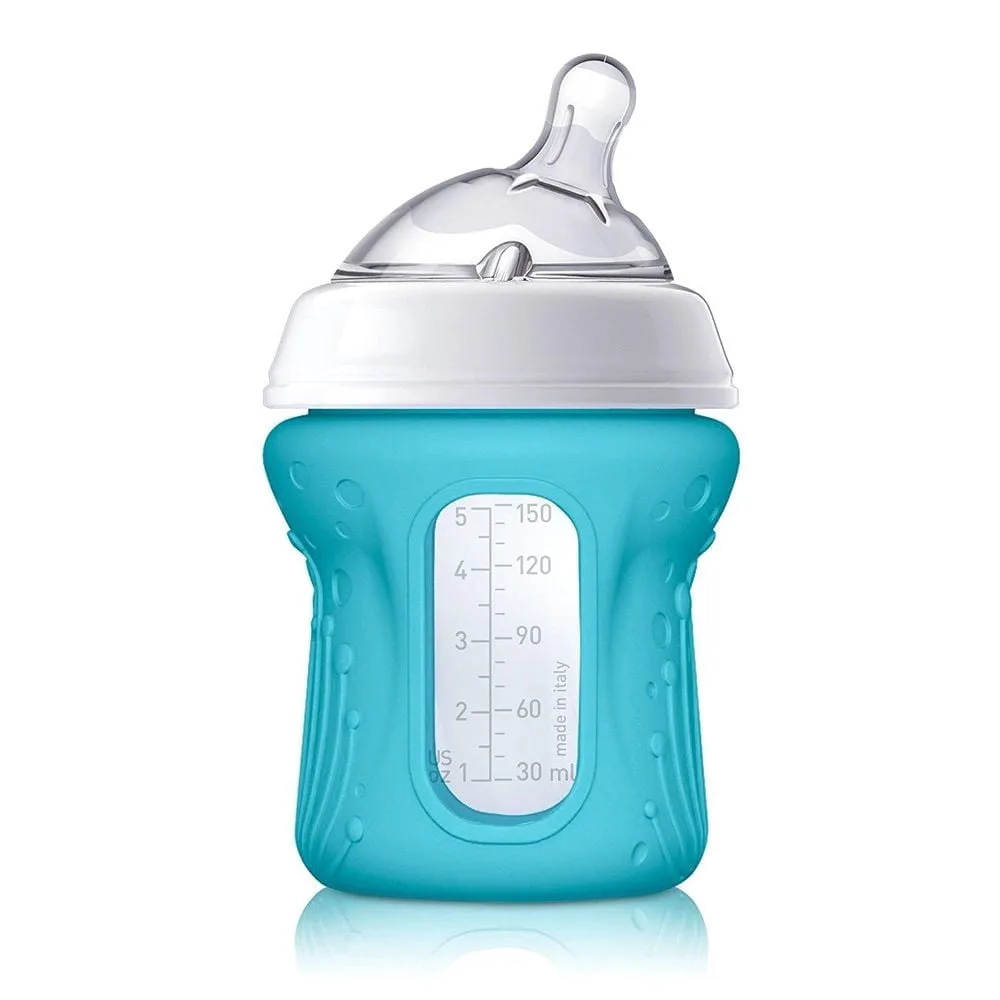
- Glass bottles with silicone sleeves. They’re endlessly recyclable, don’t leach microplastics like plastic bottles can, and hold up well if you buy a brand with protective sleeves.
High-effort, high-impact (do these if you can):
- Cloth diapering. It’s the biggest win, but it’s also the biggest commitment. See the next section for a full breakdown.
- Baby-led weaning (BLW). Skipping purees and pouches entirely means fewer plastic containers and processing. It’s not for every family, but it’s a legitimate waste reducer.
Cloth Diapering: The Big Decision, Broken Into Branches
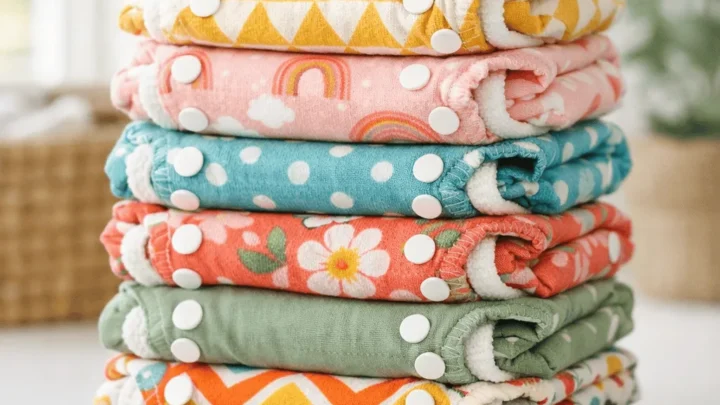
Let’s talk about the elephant in the room: cloth diapers. They are the most impactful swap you can make, but they’re also the most intimidating. The good news is, you don’t have to go all-in to see benefits.
You just need to find the branch that fits your life.
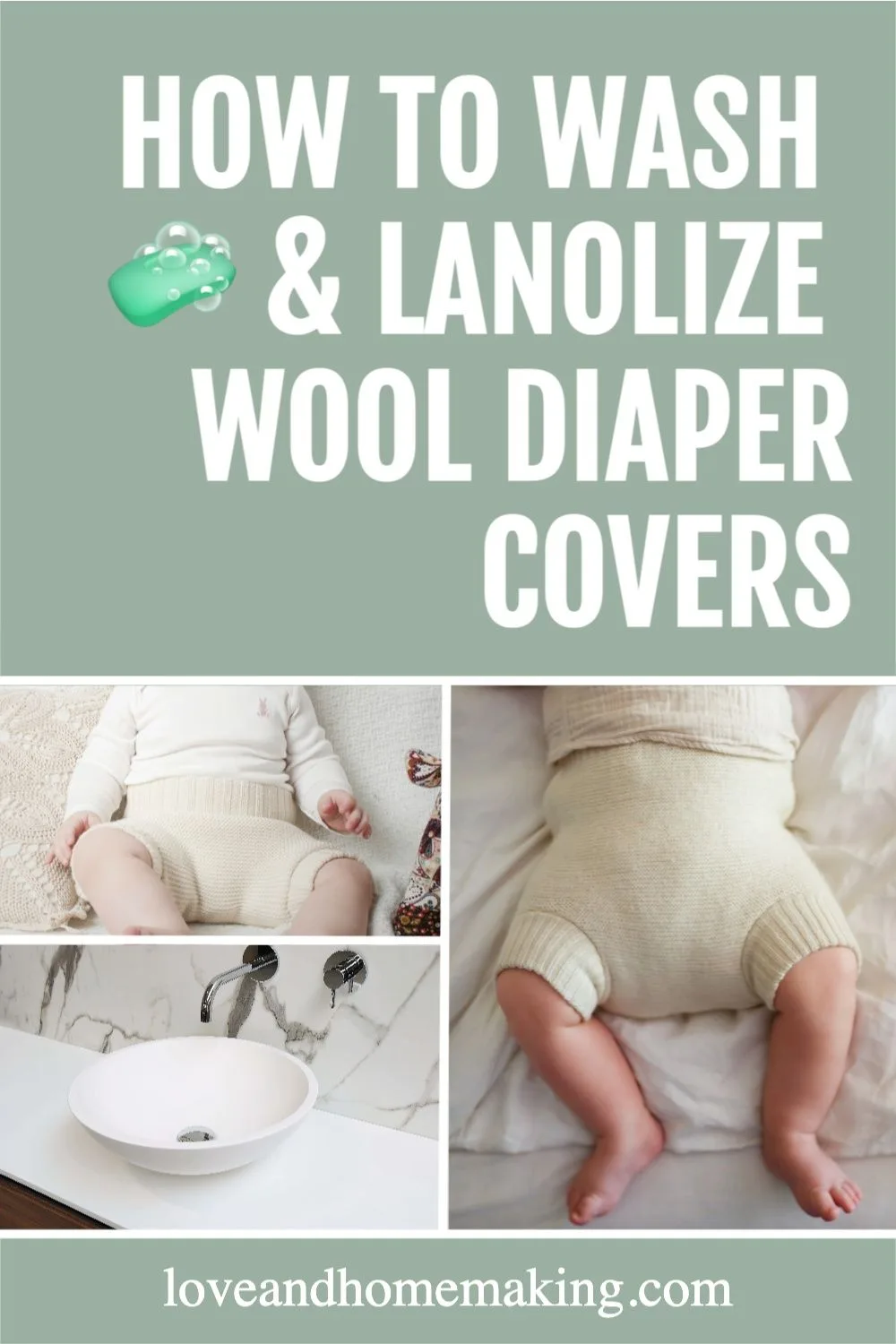
Branch 1: You have in-unit laundry and time. Go full cloth.
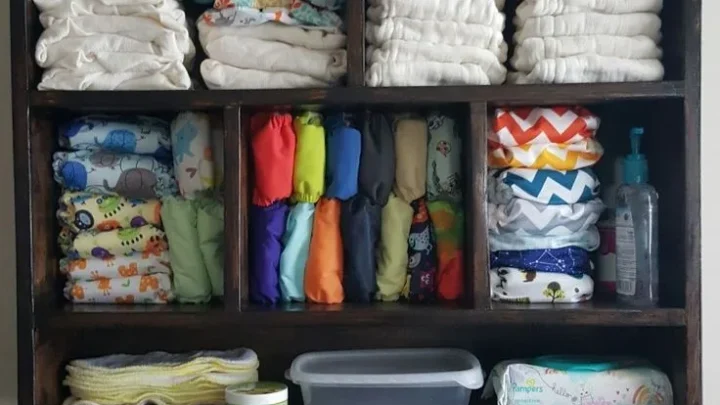
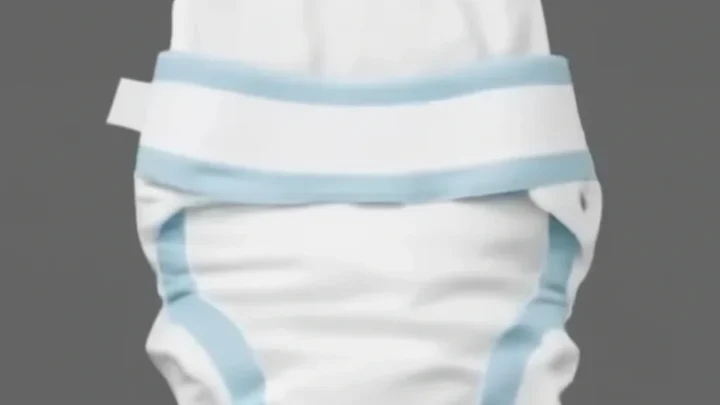
If you have a washer in your apartment or house, you’re the prime candidate. A stash of 20 to 24 pocket diapers or prefolds is enough to get you through 2 to 3 days between washes. The routine is straightforward: rinse, wash on hot, extra rinse, dry.
You’ll do 1 to 2 extra loads of laundry per week. Total cost is around $200 to $400 if you buy new, or $100 to $200 if you buy a secondhand stash.
Branch 2: You have laundry but limited time. Hybrid or prefold + cover.
You still want cloth, but the idea of stuffing 24 pockets makes you want to cry. That’s fine. Look at a prefold and cover system.
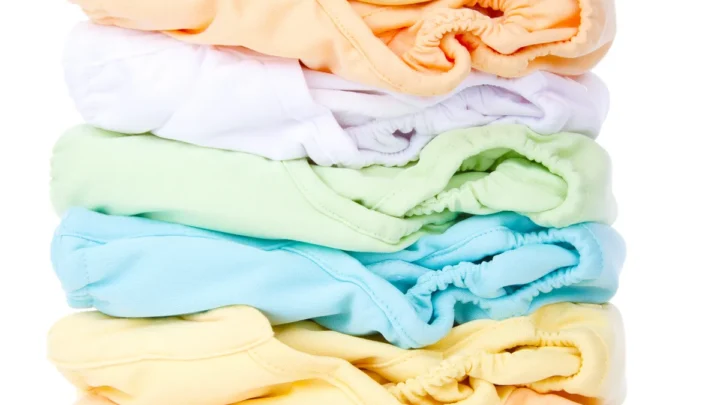
You fold a cotton prefold, lay it in a waterproof shell, and snap it shut. No stuffing. No separate insert.
It’s a little bulkier, but it’s faster and arguably more leak-proof. You can also try a diaper service if one operates in your area. They’ll drop off clean prefolds and pick up the dirty ones every week.
It’s more expensive than owning your own, but it’s way less work.
Branch 3: No laundry access or daycare restrictions. Biodegradable disposables + reusable wipes.
This is the guilt-free branch. Look for diapers certified by the Biodegradable Products Institute (BPI) or similar third-party organizations that verify industrial compostability. They’re not fully compostable in a home bin, but they break down much faster than conventional options in a commercial facility.
Pair them with reusable wipes and you’ve still cut a huge chunk of waste. You’re not a failure for choosing this; you’re working within your constraints.
Here’s a quick cost comparison based on current market data and manufacturer specifications:
| Diaper System | Upfront Cost | Ongoing Cost (2 years) | Weekly Effort | Best For |
|---|---|---|---|---|
| Full Cloth (own stash) | $200–$500 | $0–$100 (detergent/water) | 1–2 extra washes | In-unit laundry, dedicated parents |
| Diaper Service | $0 | $1,400–$2,000 | Drop-off/pickup | Busy parents who want cloth |
| Biodegradable Disposables | $0 | $1,400–$2,200 | None | Daycare restrictions, no laundry access |
| Hybrid (disposable insert + cloth cover) | $50–$100 | $800–$1,200 | 2–3 washes/week | Middle ground, travel, night-time |
Feeding, Clothing, and Gear: Swaps That Don’t Feel Like Sacrifice
Cloth diapering isn’t for everyone, and that’s okay. The other swapping categories: feeding, clothing, and gear, offer huge wins without the same level of commitment.
Feeding: reusable pouches and glass bottles that survive real life.
Glass bottles have come a long way. The best ones now come with silicone sleeves that protect them from drops. They’re dishwasher safe, don’t stain like plastic, and don’t harbor odors.
Aggregate reviews report they survive the “toddler throw” better than you’d expect, especially with the sleeves on. Reusable silicone pouches are another no-brainer. They’re a little pricier upfront, but they’re BPA-free, easy to clean, and can be filled with whatever you’re eating, not just overpriced baby food.
Clothing: secondhand-first for gear, and what to never buy used.
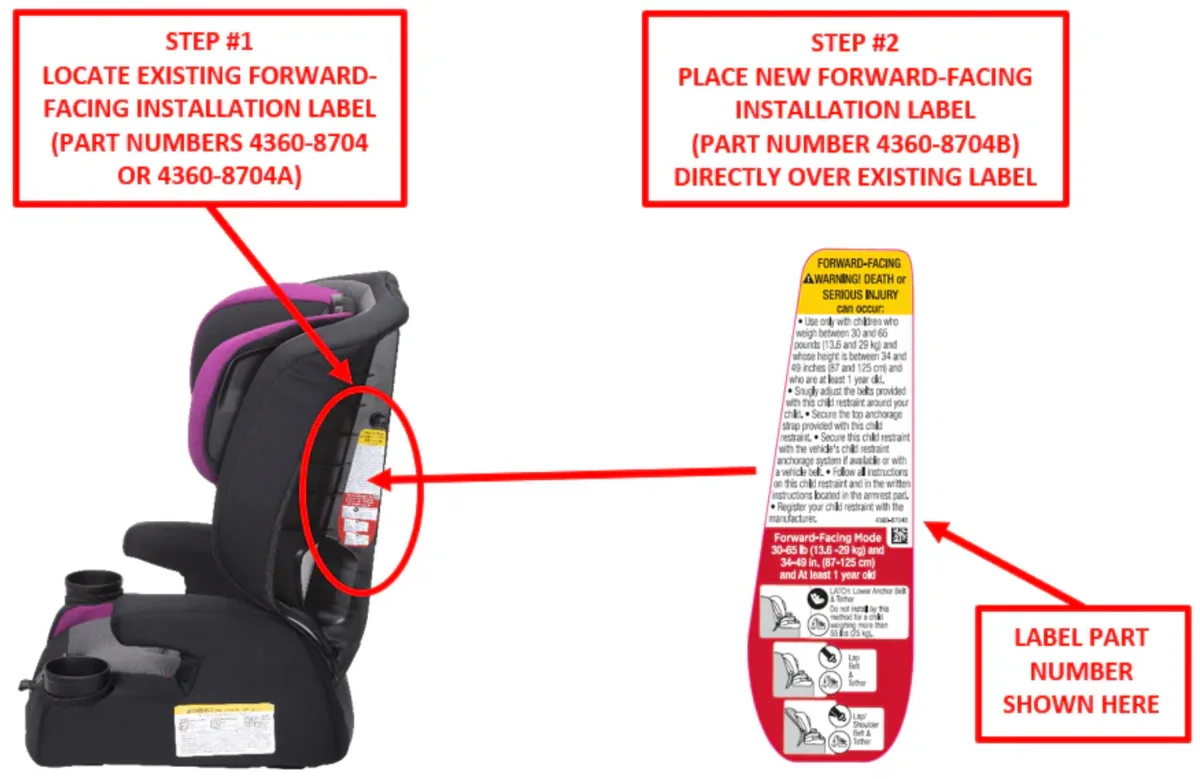
Here’s a hard-and-fast rule: never buy a used car seat, crib, or bassinet unless you can verify their history and they haven’t been in a crash. These are safety-critical items, and their integrity can be compromised invisibly. The Consumer Product Safety Commission (CPSC) recall database is your best friend here.
Check it before any secondhand purchase of this nature.
For everything else, clothing, bouncers, high chairs, toys, go secondhand. The American Academy of Pediatrics (AAP) even notes that children outgrow things so quickly that gently used items are often in near-perfect condition. You save money, you keep things out of landfills, and you’re not sacrificing quality.
Gear: organic cotton clothing without the luxury price tag.
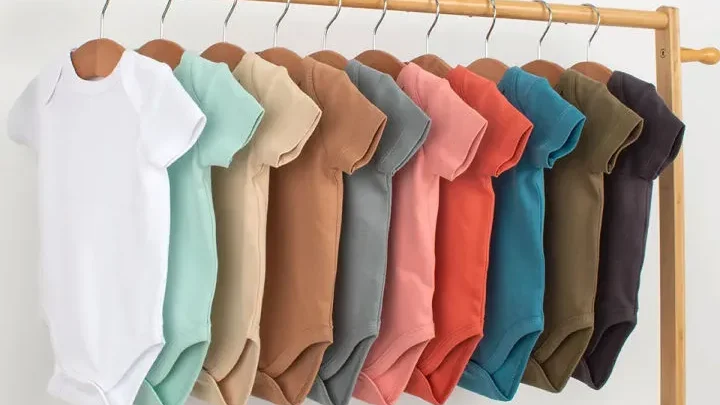
You don’t need to buy a $50 organic cotton onesie from a boutique brand. Look for GOTS-certified organic cotton at mid-range stores or buy them secondhand. The certification ensures the cotton is grown without synthetic pesticides and processed without toxic chemicals.
That’s the standard you want. And remember, a child goes through roughly 10 clothing sizes before age three, so buying all of them new is both wasteful and expensive.
Mistakes I See Parents Make (And How to Avoid Them)
I’ve seen it all, the burnout, the wasted money, and the guilt. Here are the most common mistakes parents make when starting their sustainability journey.
The burnout trap: buying 24 diapers before knowing if you’ll last a week.
This is the biggest one. You get excited, you buy a whole cloth diaper system, and then you quit after three days because you hate it. The fix is to borrow a friend’s stash or buy a small trial pack of three to five diapers first.
Test them for a week. See if the laundry routine works for you. Then commit to the full investment.
Skipping the “buy used” step and paying full price.
A new stroller can cost $800. A used one of the same model, often in near-perfect condition, costs $250. The math is simple.
The only exception is safety-critical items with unknown history. For everything else, used is the way. You can find some of the best options on Buy Nothing Project groups, which are free local community exchange networks.
Overthinking toy materials while ignoring cheap plastic giveaways.
Parents agonize over whether a wooden toy is “safe” while their relatives hand them a plastic light-up contraption from a dollar store. The wood matters, but the plastic giveaway matters more. Set a boundary: if someone gifts you plastic toys, thank them and donate or regift.
The sustainability battle is as much about managing inputs as it is about your own purchases.
Not checking recalls on secondhand safety-critical gear.
This is a safety issue, not just an eco-issue. Before you buy a used car seat, crib, or bassinet, check the CPSC recall database. A crib with a recall for drop-side rails is dangerous, not just “not sustainable”.
This is one of the few places where you should never compromise for the sake of the planet. Your baby’s safety always comes first.

Similar Posts