How to Strip Cloth Diapers with Hard Water

Picture this. You pull a fresh cloth diaper from the dryer. It smells musty. Or worse, it leaks right away. Your heart sinks. You chose reusable diapers to save money and help the planet. Now hard water turns that dream into a chore. I remember my first month cloth diapering. White spots dotted the fabric. Odors lingered no matter how many washes I ran. Frustrating, right?
Stripping cloth diapers removes stubborn buildup. Hard water leaves minerals like calcium and magnesium behind. These clog the fibers. Your diapers lose absorbency. They trap smells. Stripping resets them. It uses hot water and safe agents to flush out the gunk.
Hard water hits most homes. The U.S. Geological Survey reports it affects over 85% of U.S. households. The Environmental Protection Agency notes that in 2018, disposable diapers filled landfills with more than 4 million tons of waste. Cloth options cut that down. But only if you handle hard water right. This guide shares proven steps. You get fresh, working diapers again.
What Is Hard Water and Why It Troubles Cloth Diapers
Hard water carries extra minerals. Calcium and magnesium ions make it tough on laundry. Soap fights these minerals first. It leaves less power for cleaning pee and poop. Over time, deposits form. They stiffen fabric. They block wicking.
Cloth diapers soak up liquids. That absorbency grabs minerals too. Fibers like cotton or bamboo hold onto them. Result? Repelling. Leaks happen fast. Smells build from trapped bacteria.
I tested my water early on. Strips showed 200 ppm. That’s moderately hard. My diapers repelled after two weeks. You might spot signs at home. Soap scum on faucets. Dull whites in clothes. Spotty glasses after dishwashing.
The USGS maps show hard water dominates the Midwest and Southwest. East Coast fares better. But local pipes vary it. Test yours. It guides your routine.
Signs Your Cloth Diapers Need Stripping Due to Hard Water
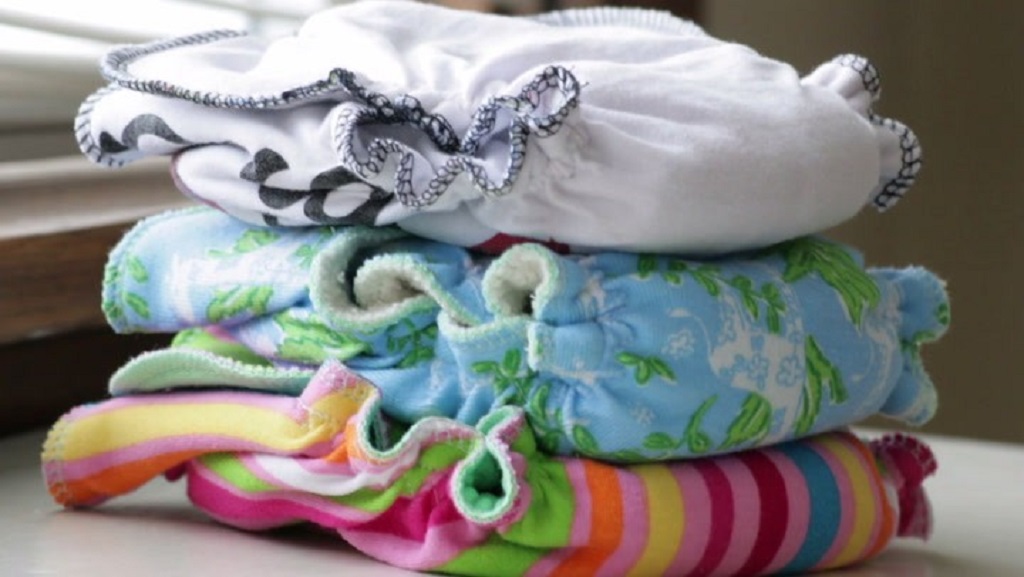
Spot the trouble early. Save your stash. Here are key signals.
- Leaks despite fitting right. Minerals coat fibers. Urine beads up instead of soaking in.
- Lingering odors. Fresh from the dryer? Still smells like ammonia. Bacteria hides in buildup.
- White residue. Shake a wet diaper. Powdery spots appear. That’s mineral crust.
- Stiff fabric. Diapers feel crunchy. They lose that soft hug.
- Rashes on baby. Irritated skin from trapped waste. Hard water worsens it.
One mom shared her story. She lived in Florida with very hard water. Diapers leaked daily. She stripped weekly. Life changed after testing and tweaking. No more rashes. Her success? Simple changes.
Testing Your Water Hardness: The First Step
Knowledge beats guesswork. Test your water. Grab strips from a hardware store. Dip one in a washer sample. Colors show ppm. Under 60 ppm? Soft. 61-120? Moderate. Over 180? Very hard.
Pet stores test free. Call your utility. They share averages. My test hit 250 ppm. I added softeners right away.
Why bother? It sets your dose. Too little softener? Buildup stays. Too much? Suds overflow. Tailor it.
Materials You’ll Need for Stripping
Gather these basics. Keep them handy.
- Hot water (hottest your machine allows).
- Washing machine or large tub.
- Dawn dish soap (original blue, grease-cutting).
- Water softener (Borax or Calgon).
- White vinegar (for final rinse, sparingly).
- Timer for soaks.
- Clean towels for drying.
No fancy gear. Household items work. Stock up on softener. It’s your hard water hero.
Step-by-Step Guide: How to Strip Cloth Diapers with Hard Water
Ready to dive in? Follow these steps. Do it on a lazy weekend. Your diapers thank you.
Prep Your Load
Start with clean-ish diapers. Run a normal wash first if soiled. Dry them lightly. Work in batches. Max 18 medium diapers per load. Overcrowd? Uneven clean.
Method 1: Dawn Dish Soap Soak (Easiest for Beginners)
This cuts grease and minerals fast. Popular for quick fixes.
- Fill washer with hottest water. Highest level. Heavy cycle.
- Add 1/4 cup Borax or Calgon. Dissolve fully. Wait 2 minutes.
- Drip 2 tablespoons Dawn onto each diaper’s inside. Toss in.
- Agitate 10 seconds. Let soak 30 minutes. Run full cycle.
- Add two extra warm rinses. Check for suds. Rinse till clear.
- Optional: Final rinse with 1 cup vinegar. Neutralizes residue.
Dry in sun if possible. UV kills bacteria. One parent in Texas tried this. Her 1000 ppm water? Diapers bounced back odor-free.
Method 2: RLR Laundry Treatment (For Heavy Buildup)
RLR grabs minerals like a magnet. Great for very hard water.
- Hot water fill. Highest level.
- Dissolve 1 packet RLR in hot water. Add 1/4 cup Borax.
- Add diapers. Soak 1 hour. Agitate midway.
- Run cycle. Two extra rinses.
- Repeat if suds linger.
Eco-friendly pick. A Canadian mom with well water used it monthly. No more leaks. Her routine? Strip, then prevent.
Method 3: Baking Soda and Vinegar Combo (Natural Option)
Gentle for sensitive skin. Uses pantry staples.
- Hot water. Add 1/2 cup baking soda. Dissolve.
- Toss in diapers. Soak 45 minutes.
- Run cycle. Rinse twice.
- Second load: Hot water, 1 cup vinegar. Rinse once.
Vinegar breaks minerals. Use rarely. Acid harms elastic over time. A Midwest family switched here. Septic-safe. Success after one strip.
Expect bubbles first time. Rinse extra. Stripping takes 2-4 hours. Patience pays.
After Stripping: Drying and Storage Tips
Hang dry outdoors. Sun fades stains. Dryer? Low heat. Protects elastics.
Store in a dry bin. Air out weekly. Check for fresh scent. If off? Strip again.
Preventing Buildup: Long-Term Strategies for Hard Water Cloth Diapers
Strip once? Great. Prevent repeats.
- Add softener every wash. 1 tablespoon Borax in main cycle. Binds minerals.
- Choose hard water detergents. Tide powder or Charlie’s Soap. They fight minerals.
- Hot washes only. Kills bacteria. Softens deposits.
- Single rinse post-wash. Extra rinses redeposit minerals.
- Test monthly. Water changes. Adjust doses.
Install a whole-home softener? Game-changer. Cuts buildup everywhere.
A 2024 study from the International Journal of Consumer Studies shows hard water cuts detergent power by 30%. Softening boosts it. Real win.
Common Mistakes and How to Avoid Them
We all slip. Learn from these.
- Skipping softener. Minerals win. Always add.
- Overusing vinegar. Breaks elastics. Limit to finals.
- Cold water. No dice. Heat dissolves best.
- Ignoring tests. Blind washing fails. Check ppm.
- Full loads always. Space helps agitation.
One dad’s tale: He skipped Borax. Stinks returned in weeks. Added it? Smooth sailing.
Real Parent Stories: Overcoming Hard Water Challenges
Stories inspire. Meet Sarah from Arizona. Water at 300 ppm. Leaks ruined outfits. She tested. Stripped with Dawn. Added Calgon weekly. Now? Dry nights. Happy baby.
Then Tom in Ohio. Well water woes. Ammonia burns scared him. RLR saved the day. Monthly strips. No rashes since 2023.
These wins prove it. Adjust. Succeed.
FAQs
What Causes Mineral Buildup in Cloth Diapers?
Hard water deposits calcium and magnesium. They cling to fibers during washes. Detergents can’t rinse them fully. Buildup blocks absorbency.
How Often Should I Strip Cloth Diapers in Hard Water?
Every 1-3 months. Or at first signs like leaks. Prevent with softeners to stretch it.
Is Dawn Safe for Stripping Cloth Diapers?
Yes. Original blue cuts residue without harm. Rinse well. Avoid on wool covers.
Can I Strip in a HE Washer?
Yes. Use deep tub setting. Soak manually if needed. Add water manually for volume.
Does Stripping Damage Diaper Elastics?
Rarely. Follow steps. Skip acids often. Gentle handling lasts years.
Conclusion
You did it. Stripping cloth diapers with hard water restores their magic. Test your water. Gather supplies. Follow the steps. Prevent with smart routines. Your baby gets comfy protection. You save time and sanity.
Grab those test strips today. Run your first strip this weekend. Share your wins. Cloth diapering rocks when done right.
Related Topics: Benefits of Cork Flooring for Home Insulation
References
- U.S. Geological Survey. Water Hardness Map. https://www.usgs.gov/special-topics/water-science-school/science/hardness-water
- Environmental Protection Agency. Diaper Waste Statistics. https://www.epa.gov/facts-and-figures-about-materials-waste-and-recycling
- Thinking About Cloth Diapers. Cleaning Cloth Diapers in Hard Water. https://www.thinking-about-cloth-diapers.com/cleaning-cloth-diapers.html
- Fluff Love University. How to Strip Your Cloth Diapers. https://fluffloveuniversity.com/troubleshooting/solving-stinky-diaper-problems/how-to-strip-your-cloth-diapers/
- Nora’s Nursery. Washing Cloth Diapers with Hard Water. https://norasnursery.com/blogs/how-to/washing-cloth-diapers-with-hard-water

Similar Posts