Eco-Friendly Baby Gifts That New Parents Actually Need
Finding a truly sustainable gift for a new baby feels like navigating a minefield. You want something thoughtful, useful, and kind to the planet, but every store shelf screams “green” at you while actually offering plastic junk wrapped in more plastic. The good news is that choosing sustainable gifts for a new baby isn’t about finding the perfect product.
It’s about shifting your thinking from “what’s new” to “what’s useful for the longest time.”
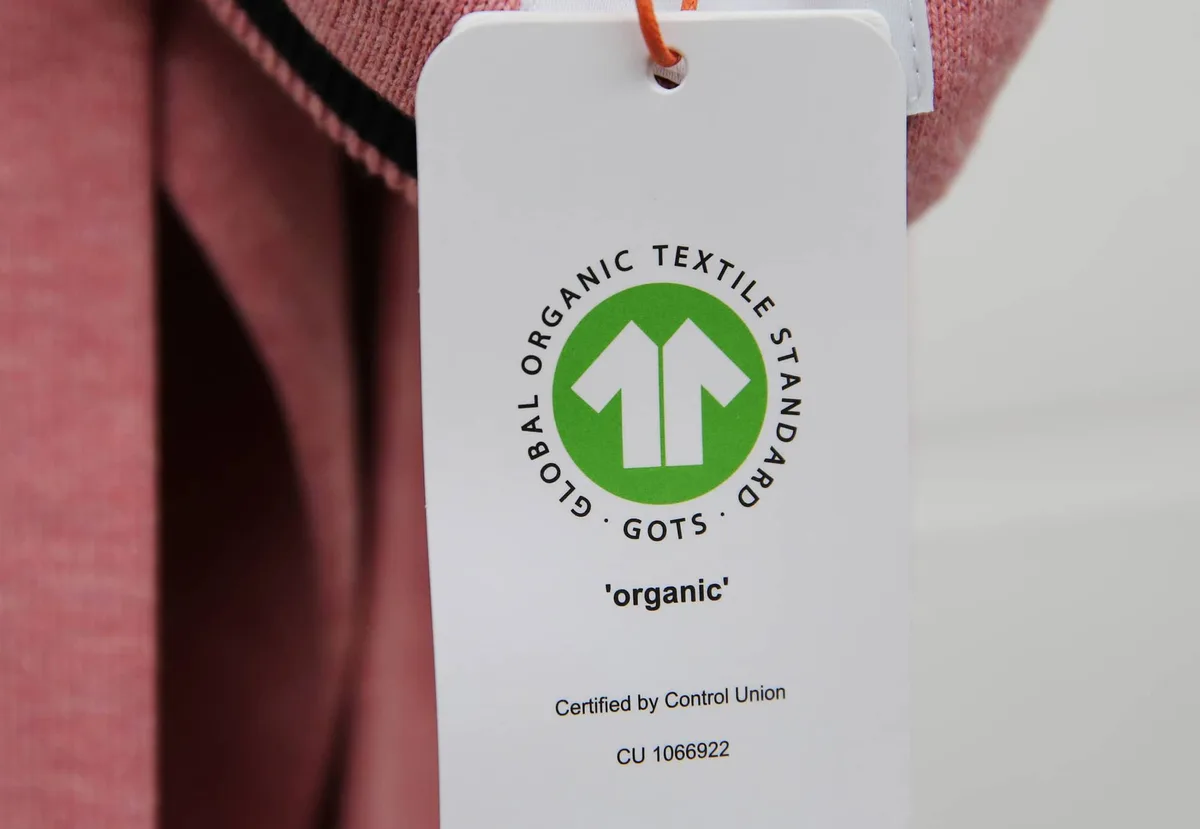
In our research, the most effective approach balances a few key certifications with a heavy dose of practicality. For example, the Global Organic Textile Standard (GOTS) ensures a textile is at least 95% organic fibers, but it doesn’t guarantee the item will survive multiple washes or be the right size for a baby who grows like a weed. As of 2026, the market is flooded with options, so understanding the trade-offs between new organic, second-hand, and durable heirlooms is your real superpower.
Let’s break down the options so you can gift with confidence.
Why This Comparison Matters (and Why It’s Trickier Than You Think)
You’d think buying a sustainable gift would be simple. Buy organic cotton, slap a bow on it, done. But the reality is more nuanced.
A brand-new GOTS-certified onesie is technically “organic,” but it took thousands of liters of water to grow that cotton, energy to manufacture it, and fuel to ship it to your door. That’s still a carbon footprint.
Meanwhile, a gently used onesie from a consignment shop has a footprint that’s practically zero. It’s the ultimate form of recycling. Yet, gifting second-hand to a new parent can feel awkward.
You worry they’ll think you’re cheap, or that the item won’t meet their hygiene standards. This comparison isn’t just about “eco-friendly” products; it’s about weighing the lifecycle of the gift. We’re comparing the impact of the item against the perception of the gift and the utility it provides to the family.
That’s the real trick.
The Contenders: Breaking Down Your Main Gift Options
Let’s look at the main categories you’ll actually encounter when shopping. Each one has its strengths, its quirks, and its ideal scenario.
New Organic Clothing and Textiles (GOTS-certified)
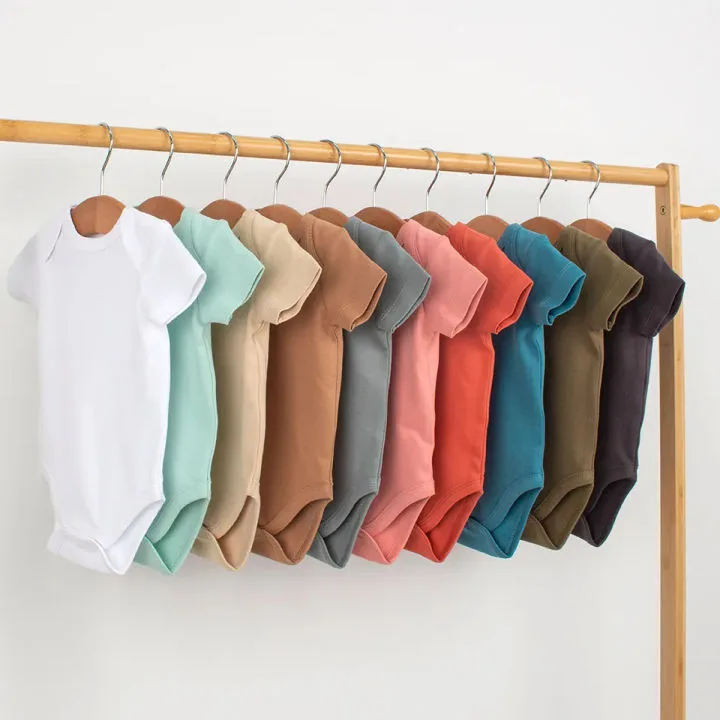
This is the go-to for most people. You’re buying a product that specifically excludes harmful pesticides and chemicals. For parents worried about sensitive skin, this is a massive win.
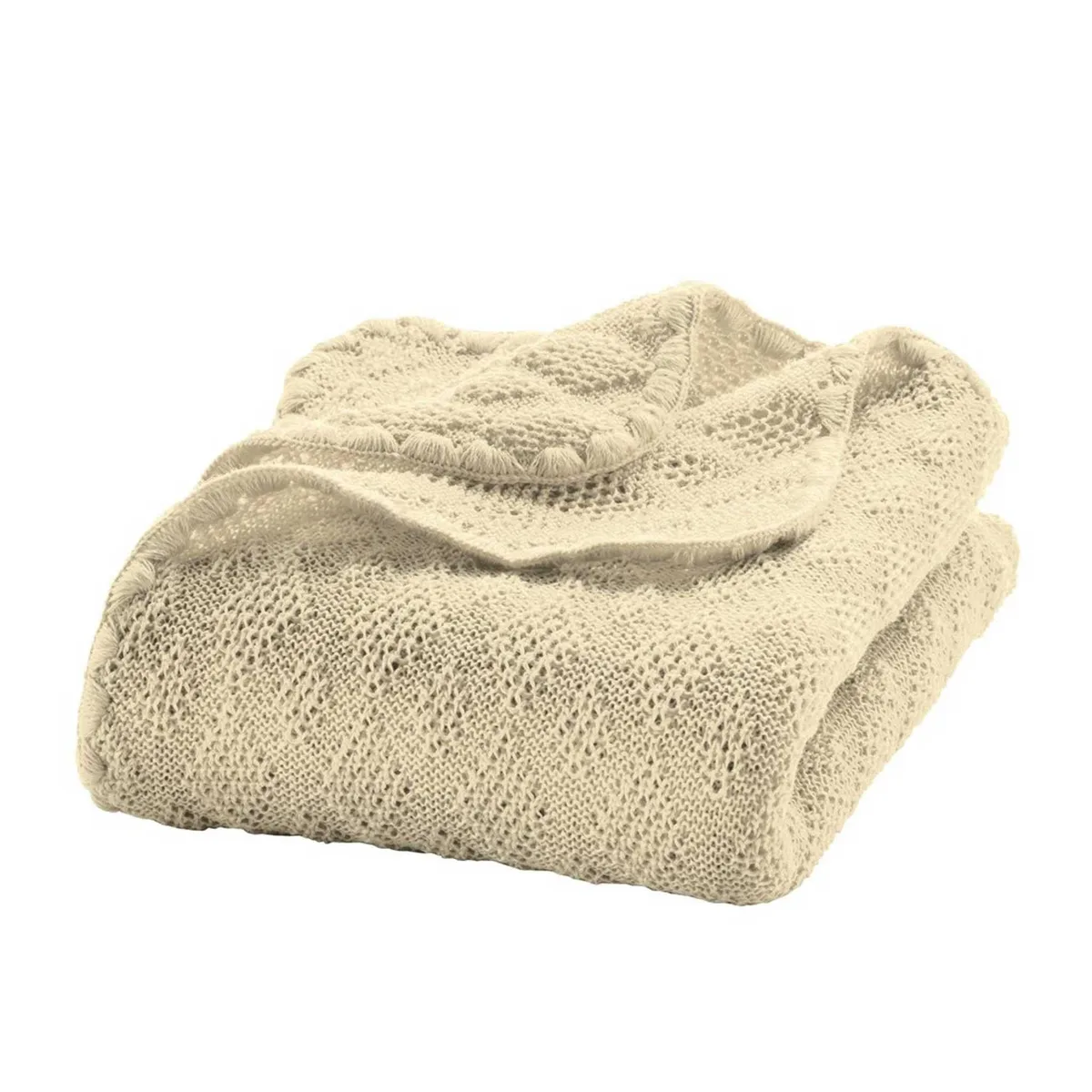
Think organic cotton onesies, bamboo muslin swaddles (check the manufacturing process here, more on that later), and merino wool blankets.
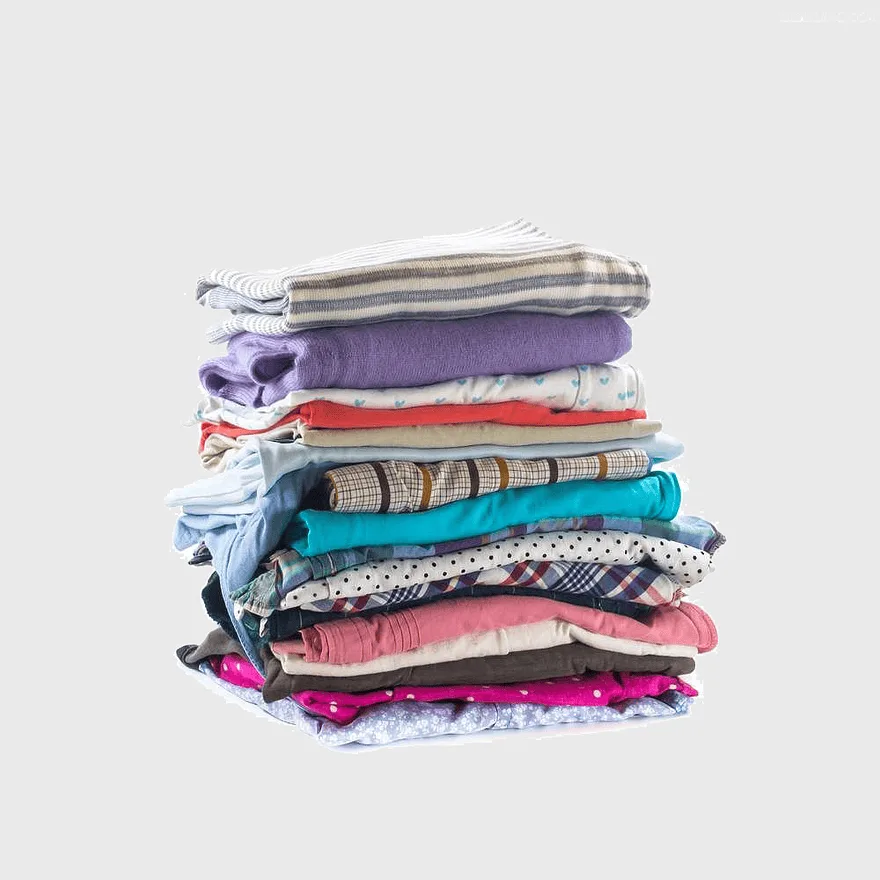
Second-Hand and Consignment Bundles
This is the secret weapon of eco-conscious parents. You can often buy a huge bundle of clothes for a fraction of the cost of one new outfit. It keeps perfectly good textiles out of landfills and saves a ton of money that the parents can put toward a college fund or, you know, coffee.
The “gift” here is often the practicality and the thoughtfulness behind it. You’re saying, “I see you, I know babies grow fast, and I want to ease your burden.”
Wooden Toys and Durable Heirlooms
These are the “buy it for life” gifts. A well-made wooden rattle or stacking toy from FSC-certified wood with water-based paints can last for decades. It’s not just a toy; it’s a keepsake.
It survives multiple children and gets passed down. These are perfect for when you want to give something that feels substantial and permanent.
Experience Gifts and Registry Contributions
This is a rising trend for good reason. Instead of a physical item, you contribute to a parent’s chosen eco-fund, pay for a baby massage class, or cover a year of a diaper subscription service. It’s zero-waste by definition.
It gives the parents agency to choose what they need, and it helps fund sustainable practices they actually want.
Subscription Boxes and Consumables
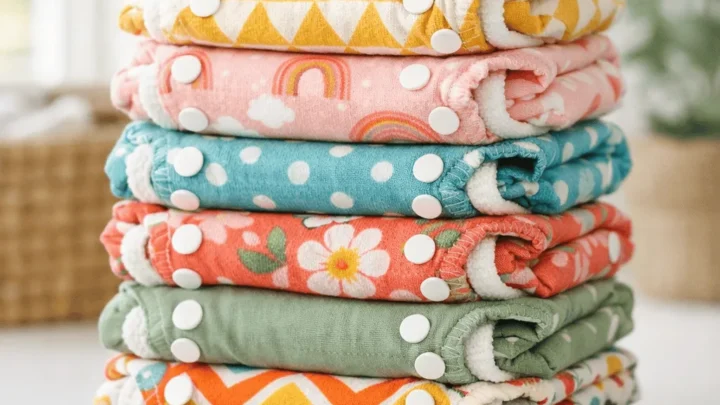
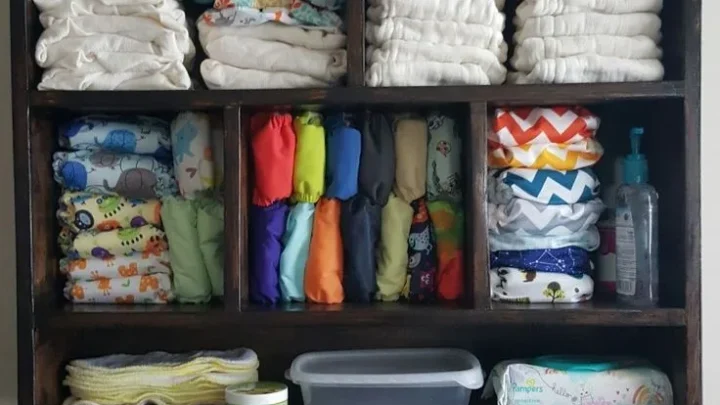
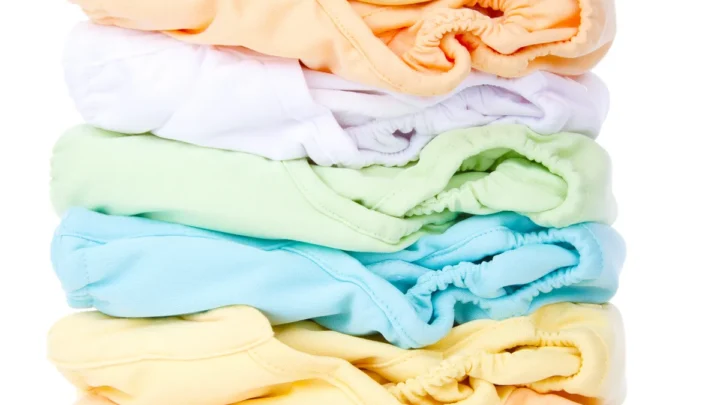
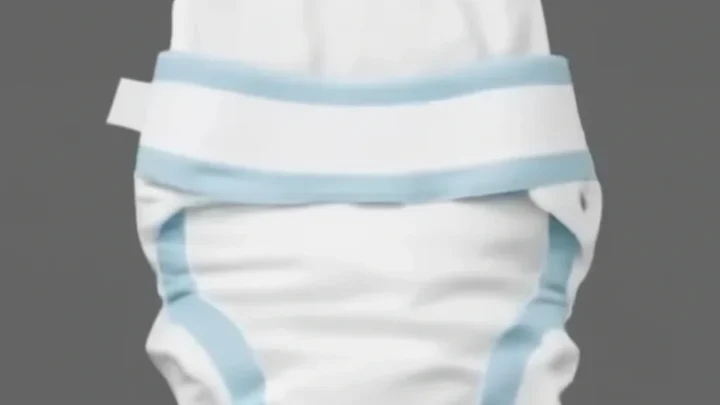
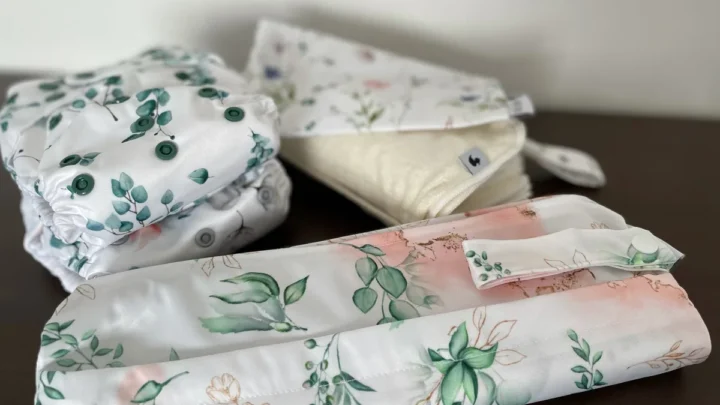
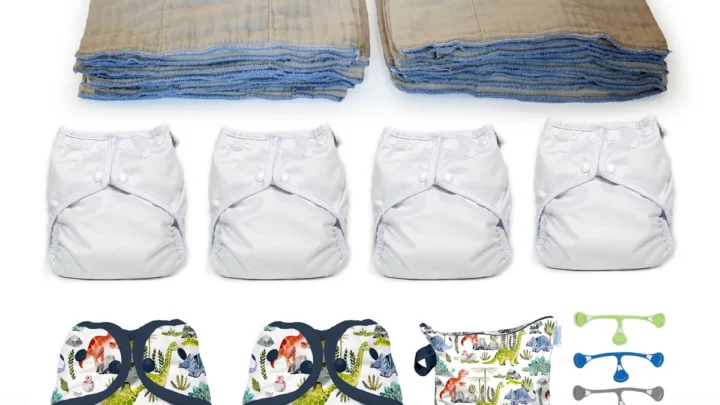
Think cloth diapers, plastic-free wipes, and eco-friendly diaper cream. These are gifts that keep giving over time. They’re practical and help establish sustainable routines.
However, you need to be sure about brand preferences, as these are quite personal choices.
Side-by-Side Comparison: Sustainability, Cost, and Practicality
To help you see the landscape clearly, here’s a breakdown. Remember, “sustainability” isn’t a single score; it’s a balance of materials, production, shipping, and the item’s lifespan.
| Gift Option | Materials & Certifications | Lifespan & Reusability | Typical Price Range | Gifting Ease |
|---|---|---|---|---|
| New Organic Clothing | GOTS-certified cotton, OEKO-TEX materials | Short (3-6 months per size) but can be passed down | $15 – $40 per item | Very high, universally appreciated |
| Second-Hand Bundles | Pre-loved, various (but excluded from new waste) | Long if quality is checked; resellable again | $20 – $60 for a large bundle | Medium, requires tactful framing |
| Wooden Toys | FSC-certified wood, water-based paints | Very long (5-10 years+), heirloom quality | $20 – $80 | Very high, feels substantial |
| Experience Gifts | Intangible, zero physical waste | N/A, consumed as a memory | $50 – $200+ | High, but requires knowing preferences |
| Cloth Diaper Set | Organic cotton, hemp, bamboo | Very long (2-3 years, multiple children) | $150 – $400 for a full stash | Medium, can feel like a “project” for parents |
The data shows a clear trade-off. New organic items offer safety and convenience but come with a production footprint. Second-hand offers the lowest impact but can be logistically trickier to present as a “gift.” Durable goods like wood and wool spread their impact over many years, making them incredibly efficient.
For a deeper dive into creating a fully green space, you might want to look into planning an eco-friendly nursery to see how these items fit into the bigger picture.
Best For: Matching the Gift to the Parents and Situation
The “best” sustainable gift is entirely dependent on the recipient. Here’s how to match the gift to the family.
- The First-Time Minimalist Parents: They want quality over quantity. Skip the random clothes. Opt for a single, stunning merino wool blanket or a beautifully crafted wooden toy that becomes a centerpiece of their nursery. They’ll appreciate the intentionality.
- The Budget-Conscious Family: Second-hand is your best friend. You can gift a massive bundle of clothes for the next two sizes. Frame it as a “survival kit” rather than just “some clothes.” Adding a practical item like a zero-waste diaper bag setup can also be a huge relief.
- The Parents Who Already Have Everything: This is where experience gifts shine. Contribute to their cloth diaper fund or pay for a subscription to a plastic-free wipe service. You’re easing their ongoing costs, not adding to their clutter.
- The Sensitive-Skin Baby: Prioritize new organic cotton or wool to ensure no chemical residues touch their skin. Look for the GOTS and OEKO-TEX labels specifically. For diapering, check out this comparison of eco-conscious options for newborn sensitive skin to make an informed choice.
- The “I Don’t Want Clutter” Crew: They’ve explicitly stated they don’t want “stuff.” Respect that. A contribution to a college fund, a cleaning service for the first month, or a home-cooked meal delivery service is the most sustainable gift possible because it ceases to become a physical object. It becomes a support system.
Mistakes to Avoid: Greenwashing and Gifting Faux Pas
Let’s talk about the traps. The biggest one? Bamboo. That soft, silky “bamboo” onesie is usually made from bamboo viscose, which is heavily processed with toxic chemicals. It’s a far cry from sustainable.
Look for “bamboo lyocell” instead, which uses a closed-loop process, or stick to organic cotton.
Another common mistake is ignoring the care instructions. Organic cotton and wool are often more delicate. If the parents are expecting a car-trunk, tumble-dry-everything lifestyle, a hand-wash-only heirloom might become a burden, not a gift.
You also need to watch out for “natural” washes. The Federal Trade Commission’s Green Guides warn about deceptive environmental claims. A product labeled “natural” says nothing about its production footprint. “Natural” plastic is still plastic.
Finally, don’t buy newborn size. Babies outgrow it in weeks. Gift 3-6 months or 6-12 months. It shows you understand the reality of baby growth.
And always, always include a gift receipt. It takes the pressure off if you get the sizing wrong or if the parents have a strong brand preference. For a broader look at non-toxic options, reviewing a guide to green parenting essentials can help you spot the difference between genuine goods and clever marketing.

Similar Posts