Wool Dryer Balls vs Soap Nuts for Softening

Laundry routines evolve as people seek sustainable options. Wool dryer balls vs soap nuts for softening is a trending topic for eco-conscious households. Both promise to soften fabrics naturally, reduce drying time, and minimize environmental impact. This article compares their benefits, drawbacks, and practical uses. Readers will gain insights into cost savings, fabric care, and eco-friendly laundry practices. A personal story and credible statistics will guide you to choose the best option for your laundry room.
Understanding Wool Dryer Balls
Wool dryer balls are reusable spheres made from natural fibers, often wool felted balls. They soften clothes by tumbling in the dryer, reducing static cling and drying time. These balls absorb moisture and improve airflow, cutting electric or gas bills. A 2021 study from Virginia Tech found wool dryer balls reduce drying time by up to 25%. They are free of synthetic chemicals, making them ideal for fragrance sensitivities or psoriasis communities.
Users add 3–6 balls per load, sometimes with essential oils for scent. Unlike dryer sheets or fabric softener sheets, they avoid chemical emissions and landfill waste. Wool dryer balls last for hundreds of loads, offering cost savings over conventional laundering supplies.
Exploring Soap Nuts
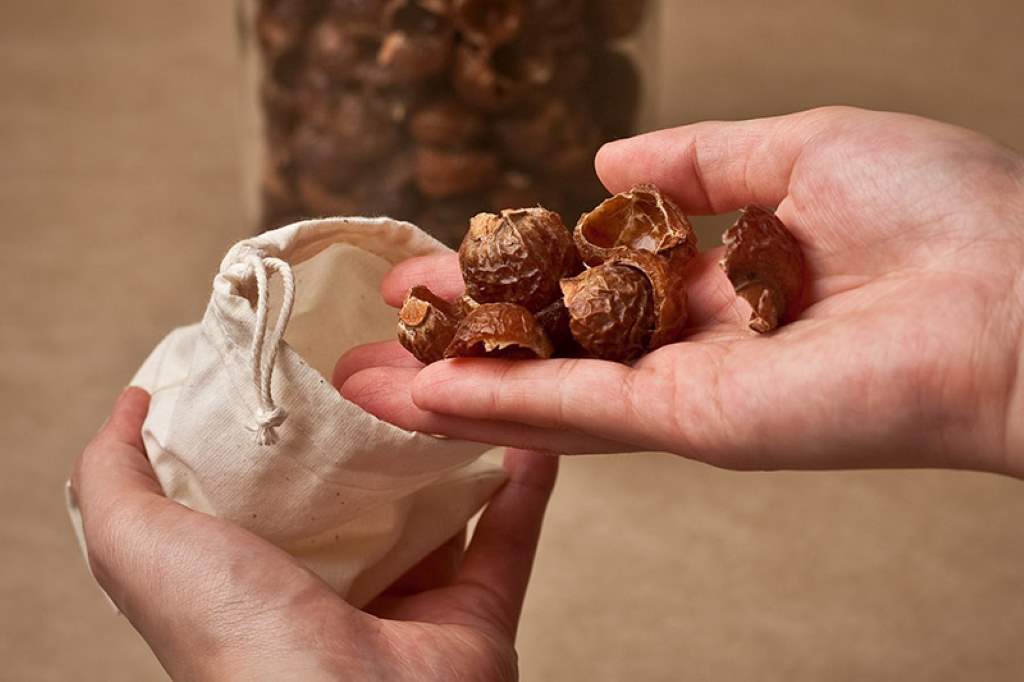
Soap nuts, or soap berries, are dried fruit shells containing natural surfactants. They release saponin in water, acting as a detergent for laundry. Soap nuts clean clothes without synthetic materials or artificial fragrances. They suit cloth diapers and diaper loads, as they leave no residue. A single soap nut bag can wash multiple loads, reducing laundry product costs.
Soap nuts require a small muslin bag placed in the washing machine. They work in cold or warm water, supporting sustainable laundry practices. However, they don’t soften fabrics as effectively as wool dryer balls. Users may need additional natural fabric softener alternatives like distilled white vinegar.
Comparing Softening Effectiveness
Wool dryer balls excel at softening fabrics. Their physical action smooths clothing fibers, reducing stiffness. They also combat static electricity, unlike soap nuts, which primarily clean. Soap nuts rely on chemical-free washing but lack direct softening properties. Adding baking soda or Epsom salts can enhance their softening, but results vary.
Dryer balls work in the dryer, while soap nuts function in the washing machine. Combining both could optimize results for a natural laundry routine. Wool dryer balls consistently outperform soap nuts for fabric softening, especially for heavy fabrics like towels.
Environmental Impact of Both Options
Wool dryer balls and soap nuts reduce environmental harm. Wool balls replace chemical-laden dryer sheets, cutting landfill waste. Soap nuts, being biodegradable, support graywater systems and septic systems. Both avoid quaternary ammonium compounds found in fabric softener, which are endocrine disruptors.
Soap nuts require less packaging, but their cultivation may involve shipping emissions. Wool dryer balls, often locally sourced, have a lower carbon footprint. Both options align with USDA Organic principles, minimizing chemical emissions and promoting indoor air quality.
Cost Savings and Longevity
Wool dryer balls offer significant cost savings. A set of six costs $10–$20 and lasts 1,000 loads. Dryer sheets, by contrast, cost $5–$10 per 100 loads. Soap nuts are similarly economical, with a $15 bag lasting up to 100 loads. Both reduce reliance on expensive laundry detergents and fabric softener crystals.
Wool dryer balls require no replacements for years. Soap nuts need periodic repurchasing but remain affordable. Combining them with DIY laundry solutions, like organic white vinegar, further lowers costs.
Personal Story: My Laundry Journey
Years ago, my family struggled with fragrance sensitivities. Commercial fabric softeners caused skin irritation. I tried wool dryer balls after reading about their benefits. The first load felt softer, and static cling vanished. Later, I experimented with soap nuts for washing. They cleaned well but needed vinegar for extra softness. This combination transformed our laundry routine, saving money and reducing chemical exposure.
Ease of Use in Daily Laundry
Wool dryer balls are simple to use. Toss them into the dryer with wet clothes. No preparation is needed, unlike DIY dryer sheets or lavender dryer bags. Soap nuts require placing 4–5 shells in a muslin bag, which adds a step. Both fit seamlessly into a laundry routine but cater to different machines.
Soap nuts may leave a slight residue if overused, clogging dryer vents. Wool dryer balls, however, maintain consistent performance without maintenance. For busy households, dryer balls are more convenient.
Health Benefits for Sensitive Skin
Wool dryer balls avoid artificial fragrances and chemical softeners, benefiting those with psoriasis or allergies. Soap nuts, free of animal fats and synthetic chemicals, suit sensitive skin too. Both reduce exposure to endocrine disruptors, improving indoor air quality. For cloth diapers, soap nuts prevent residue buildup, ensuring hygiene.
Distilled white vinegar or vegetable glycerin can boost soap nuts’ gentleness. Wool dryer balls, paired with natural fibers, minimize irritation without additives. Both options support healthy laundering practices.
Combining Both for Optimal Results
Using wool dryer balls and soap nuts together maximizes benefits. Soap nuts clean clothes in the washing machine, while dryer balls soften them in the dryer. Add a drop of essential oils to dryer balls for a natural scent. Baking soda or oxygen bleach can enhance soap nuts’ cleaning power.
This duo reduces reliance on conventional laundry care products. It suits sustainable laundry swaps, cutting costs and environmental impact. Experiment with ratios to find the best balance for your laundry room.
Limitations and Practical Considerations
Wool dryer balls may not suit air-dry routines, as they require a dryer. Soap nuts can clump in cold water, reducing effectiveness. Both require upfront costs, unlike free aluminum foil balls. Soap nuts may not clean heavily soiled loads without laundry boosters like Fels Naptha soap.
Dryer balls can be noisy, and soap nuts need occasional bag replacement. For greywater systems, soap nuts are ideal, but wool dryer balls offer no washing benefits. Consider your laundry practices before choosing.
Choosing the Best Option
Wool dryer balls vs soap nuts for softening depends on your priorities. Dryer balls excel at softening and reducing drying time. Soap nuts clean effectively and support eco-friendly washing. Combining both offers a chemical-free, cost-effective solution. Evaluate your budget, laundry habits, and environmental goals. Share your thoughts in the comments or try these sustainable swaps today!
FAQs
What are wool dryer balls?
Wool dryer balls are reusable wool spheres that soften clothes and reduce drying time.
How do soap nuts work?
Soap nuts release natural surfactants in water, cleaning clothes without synthetic chemicals.
Can I use both together?
Yes, soap nuts clean in the washer, and dryer balls soften in the dryer.
Are they safe for sensitive skin?
Both avoid artificial fragrances, making them ideal for allergies or psoriasis.
Which is more cost-effective?
Wool dryer balls last longer, but soap nuts are cheaper per load.
/wool-dryer-balls-vs-soap-nuts-for-softening
Image ALT Texts
- Wool dryer balls in a laundry basket with towels.
- Soap nuts in a muslin bag on a washing machine.
- Eco-friendly laundry products on a wooden table.
References:
- Virginia Tech study on drying time: https://www.vt.edu
- EWG database on endocrine disruptors: https://www.ewg.org

Similar Posts