Mycelium Insulation: Pros and Cons of a Sustainable Building Material

Imagine insulating your home with mushrooms. Sounds wild, right? Mycelium insulation, made from the root-like structure of fungi, is shaking up the construction world. This eco-friendly material promises sustainability, but is it too good to be true? Let’s explore the pros and cons of mycelium insulation. We’ll uncover why it’s gaining traction and what challenges it faces. Ready to dive into this fungal phenomenon?
What Is Mycelium Insulation?
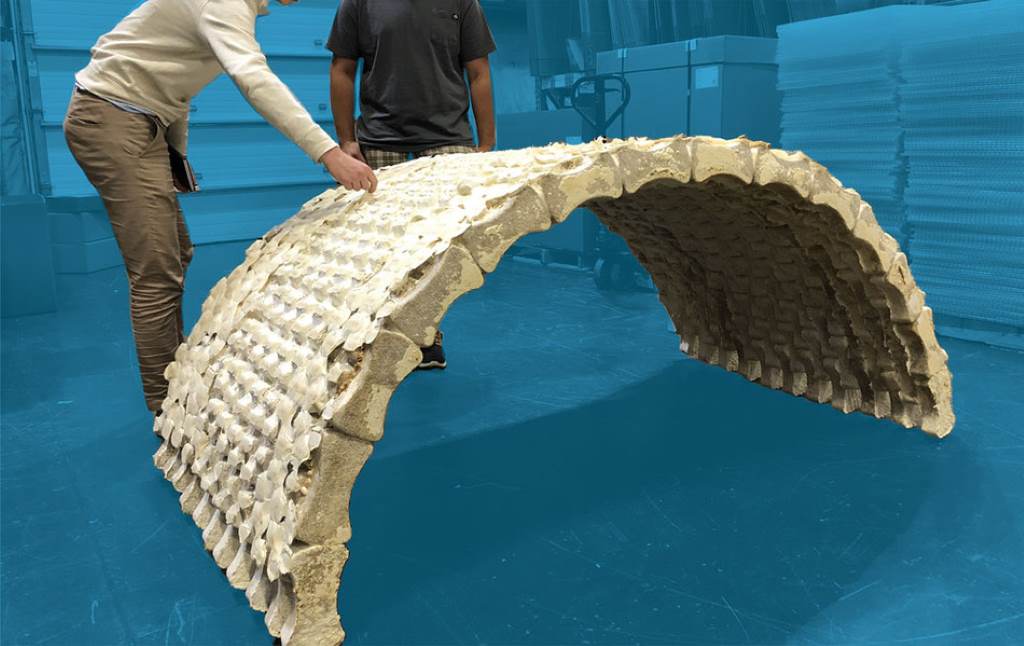
Mycelium is the vegetative part of a fungus. It forms a network of tiny threads called hyphae. These threads grow through organic waste like wood chips or rice hulls. The result is a foam-like rigid board. Builders use it for thermal insulation and sound insulation. Companies like Ecovative Design and Officina Corpuscoli lead the charge. They grow mycelium composites in molds, creating sustainable materials.
Mycelium insulation is biodegradable. It uses natural fungal growth to bind biomass waste. Unlike plastic-based insulation, it avoids harmful chemicals. The process is simple. Fungal spores mix with a substrate filler like straw. After 5–10 days, the mycelium forms a solid panel. Heat stops the biological activity, ensuring stability. This makes it a game-changer for carbon-friendly homes.
Pros of Mycelium Insulation
Eco-Friendly and Sustainable
Mycelium insulation is a poster child for the circular economy. It uses organic waste like straw or hemp stalks. These materials would otherwise rot or go to landfills. The production process is low-energy. It requires 90% less water and 40% less electricity than polystyrene. Mycelium is carbon-negative, sequestering up to 16 tons of carbon monthly. It’s biodegradable, so it decomposes naturally at the end of its life cycle. This reduces waste compared to synthetic foams.
Fire, Mold, and Water Resistant
Mycelium has natural fire safety properties. It chars but doesn’t melt or ignite like polystyrene. Studies show it meets ASTM C-1338 standards for mold resistance. Its water-repellent fungal skin adds durability. However, it must avoid soaking, as moisture can restart growth. Proper installation keeps it stable. These traits make it ideal for safe, healthy homes.
Excellent Thermal and Acoustic Performance
Mycelium insulation boasts low thermal conductivity, around 0.044–0.05 W/m·K. This rivals extruded polystyrene (XPS). Its R-value ranges from R-3 to R-4 per inch. While not as high as XPS (R-5), it suits milder climates. The porous structure traps air, boosting thermal insulation. It also excels in sound insulation, with absorption coefficients of 87–99% at 1,000 Hz. This makes it perfect for acoustical paneling systems.
Lightweight and Versatile
Mycelium composites have a low density, around 0.05 g/cm³. This is similar to EPS foams. The lightweight nature suits non-structural applications like insulation panels or Structural Insulated Panels (SIPs). Mycelium acts as a natural binder, eliminating chemical glues in SIPs. Its versatility extends to furniture, packaging, and even 3D printing technologies. Builders can mold it into any shape, supporting generative design.
Healthier Indoor Air Quality
Unlike plastic-based insulation, mycelium contains no volatile organic compounds (VOCs). Synthetic foams emit toxins like benzene as they degrade. Mycelium improves indoor air quality by avoiding these pollutants. Its porous structure also absorbs particulate matter. This makes it a safer choice for homes, especially for allergy sufferers.
Supports Local Economies
Mycelium insulation uses local agricultural by-products like wheat straw or cotton stalks. This reduces reliance on fossil fuels used in traditional insulation production. It also creates jobs in farming and mycology. Small-scale production, like homegrown mushroom mycelium insulation panels, is feasible. This empowers communities to produce sustainable materials locally.
Cons of Mycelium Insulation
Lower Mechanical Strength
Mycelium’s foam-like structure has drawbacks. Its compressive strength is only 30 psi, compared to concrete’s 4,000 psi. This limits it to non-structural uses like insulation or cladding. While mycelium binder creates strong composites, it can’t match petroleum-based foams in load-bearing applications. This restricts its use in high-stress environments.
High Water Absorption
Mycelium’s porous structure absorbs water readily. Its water absorption coefficient is higher than synthetic foams. If soaked, it may resume biological activity, leading to growth or degradation. Builders must protect it from humidity, avoiding use in kitchens or bathrooms. This requires careful installation and maintenance.
Limited R-Value in Cold Climates
Mycelium’s R-value (R-3 to R-4 per inch) is lower than XPS (R-5). In cold climates, thicker panels are needed, increasing wall size. This can be impractical for space-constrained projects. In hot climates like Qatar, it performs well, reducing cooling energy by 15.8%. But it’s less competitive in extreme cold.
Scalability and Standardization Challenges
Scaling mycelium production is tough. It requires controlled environments for fungal growth. Factors like humidity and temperature affect quality. Standardization is lacking, as properties vary by substrate and fungal strain (e.g., Pleurotus ostreatus or Fomes fomentarius). This makes it hard for architects to trust its consistency. Certification protocols are still in development.
Higher Initial Costs
Mycelium insulation costs about $0.66 per board foot, compared to $0.42 for XPS. Limited production lines and specialized processes drive up prices. While long-term savings come from energy efficiency, upfront costs deter some builders. Mass adoption could lower costs, but the market is still young.
Limited Availability
Few manufacturers produce mycelium insulation at scale. Companies like Biohm and Mogu are pioneering, but supply is limited. Homegrown solutions exist, but they require expertise. This scarcity makes it hard to source compared to widely available synthetic foams. Builders may face delays or regional unavailability.
How Mycelium Insulation Is Made
The manufacturing process is fascinating. It starts with a substrate filler like rice hulls or wood chips. Fungal spores, often from Pleurotus ostreatus, are added. The mixture grows in molds for 7–30 days. Hyphal networks bind the organic material, forming a solid composite. Heat treatment halts growth, creating a stable product. Some use injection molding for precision. The result is a lightweight, eco-friendly panel ready for construction.
This process is low-energy. It avoids the high embodied energy of materials like concrete. However, it requires sterile conditions to prevent contamination. Researchers at Rensselaer Polytechnic Institute and others are refining techniques to improve consistency. The Mushroom Tiny House project showcases its potential in real-world applications.
Comparing Mycelium to Traditional Insulation
Mycelium competes with materials like fiberglass, XPS, and rock wool. Fiberglass is cheap but contains carcinogens. XPS offers high R-values but pollutes during production. Mycelium’s thermal conductivity (0.05 W/m·K) matches XPS in milder climates. Its acoustic properties surpass many synthetic foams. However, its mechanical weaknesses and water sensitivity limit its scope. Life cycle analysis shows mycelium’s environmental edge, but scalability remains a hurdle.
Real-World Applications
Mycelium insulation shines in non-structural roles. Rigid insulation boards insulate walls and roofs. Structural Insulated Panels use mycelium as a core, bonded to OSB panels. Acoustic panels reduce noise in studios or homes. The Tallinn Architecture Biennale featured mycelium in innovative designs. Even furniture and packaging benefit from its versatility. However, it’s not suitable for high-humidity or load-bearing structures.
The Future of Mycelium Insulation
Mycelium is poised to grow in popularity. Advances in generative design and 3D printing technologies could streamline production. Researchers are exploring strains like Trametes versicolor for better properties. Projects like the Mushroom Tiny House prove its viability. Yet, challenges like standardization and cost must be addressed. As demand for sustainable materials rises, mycelium could transform construction.
FAQs
What is mycelium insulation made of?
Mycelium insulation uses fungal spores and organic waste like straw or wood chips. The fungus grows, binding the material into a solid panel.
Is mycelium insulation fire-resistant?
Yes, mycelium is naturally fire-resistant. It chars but doesn’t ignite easily, outperforming polystyrene in fire safety tests.
Can mycelium insulation get wet?
Mycelium resists moderate moisture but can grow if soaked. Proper installation avoids humidity exposure.
How does mycelium insulation compare to fiberglass?
Mycelium is eco-friendly and biodegradable, unlike fiberglass. It has a lower R-value but better acoustic properties.
Where can I buy mycelium insulation?
Availability is limited. Companies like Biohm and Ecovative Design offer it, but check local suppliers or DIY kits.
Is Mycelium Insulation Right for You?
Mycelium insulation is a bold step toward sustainable building. Its eco-friendly nature, fire resistance, and acoustic benefits make it a standout. Yet, its water sensitivity and lower strength pose challenges. For green-minded builders, it’s a promising choice, especially in mild climates. As production scales, costs may drop, making it more accessible. Want to explore sustainable construction? Share your thoughts below or contact a local supplier to try mycelium insulation!
Have you considered mycelium for your home? Leave a comment or reach out to a sustainable builder today!
References
- Revolutionized: Mycelium Insulation Overview – https://revolutionized.com/mycelium-insulation/
- F1000Research: Evaluating Mycelium Insulation – https://f1000research.com/articles/14-459
- UKGBC: MykoSlab Insulation – https://ukgbc.org
- BioResources: Mycelium Insulation Properties – https://bioresources.cnr.ncsu.edu

Similar Posts